

122 Hospital Road, Brush, CO 80723
To contact a resident: (970) 842-2861
For more information about senior living options: (866) 208-4318
Overall Review of Eben Ezer Lutheran Care Center
Pros
 The direct care staff seem caring.
- The Eben Ezer crew is very caring and shows love for their residents.
- The staff and physicians at Eben Ezer are top notch.
- Eben Ezer has been a life saver for families.
- The care grandmother received was amazing, with kind and caring staff.
- The staff are friendly and go above and beyond to make residents comfortable.
- The facility supports meaningful events, such as celebrations and access to the chapel.
- The rehabilitation services are provided by excellent, caring staff.
Cons
 A family member fell getting up after hours because the care call she requested wasn't answered, resulting in a broken leg.
 - They found her later and put her in her chair as if everything was ok, and she is now on hospice.
- The administration pays no attention to protocol, processes, or orienting families of new residents.
- There is no assessment for the least restrictive level of care nor any response to ombudsman concerns.
Review
Eben Ezer Lutheran Care Center is best suited for families seeking a warm, home-like atmosphere where caregiving staff are consistently described as compassionate and attentive. The community works well for seniors who need regular daily assistance, dependable rehabilitation, and meaningful, personal interaction with caregivers who remember names, preferences, and routines. The culture across the caregiving team tends toward nurturing and hands-on support, with residents often cited as feeling truly cared for by nurses and aides. For families that prize visible daily kindness, steady clinical touchpoints, and ongoing involvement in a loved one’s life, this facility delivers a practical, human-centered option.
That said, some families should consider alternatives. The most important caveat is governance and process: concerns about administration, orientation for new residents, and how concerns raised to ombudsman are addressed. Prospective residents who demand a highly structured, consistently responsive administrative framework, with formal least-restrictive level-of-care assessments and clear escalation protocols, may find Eben Ezer lacking. If after-hours responsiveness, rigorous care planning, and transparent, proactive communication are nonnegotiable, it is prudent to explore other communities where these systems are more visibly robust.
On the bright side, the facility earns clear credit for the quality and heart of its direct care. Multiple reviews spotlight staff who are genuinely caring, patient, and capable, with nurses and aides delivering steady, skilled attention. Rehab outcomes are repeatedly praised, and families report tangible improvements in residents, pain relief, mobility gains, or independence returning after treatment. The clinical team, often highlighted alongside individual staff members, appears to work well with families, addressing concerns, adjusting medications when warranted, and coordinating care that can feel life-affirming for both resident and family. Bilingual staff and the willingness of leaders to support special needs or celebrations also stands out.
Yet the most troubling themes in the feedback center on safety and administrative gaps. A serious incident described a fall after hours, with a caregiver response that seemed delayed or insufficient, leaving a family member injured and a sense that concerns were not fully addressed. The recurring notes about protocol, process orientation, and responsiveness to external concerns (including ombudsman input) point to systemic weaknesses rather than isolated lapses. For families, this combination, consistently strong daily caregiving paired with murky or incomplete oversight, creates a real tension: the care itself can be exemplary, but trust in the facility’s systems may not feel equally solid or reliable across all shifts and situations.
In practical terms, the pros can offset many day-to-day needs when a resident prioritizes comfort, continuity, and a high-touch caregiving environment, especially for rehab and end-of-life support where staff kindness can be a lifeline. The genuine warmth, frequent personal interactions, and community-anchored atmosphere can make Eben Ezer feel like home during difficult transitions, which matters enormously for peace of mind and emotional well-being. However, the weight of safety concerns and administrative gaps cannot be dismissed; those factors can undermine comfort and confidence over time if not actively addressed.
For families weighing decisions, the takeaway is decisive: Eben Ezer is a strong, credible option for someone who values compassionate, high-quality daily care and has a willingness to stay actively involved in care coordination, while closely monitoring administrative performance and safety protocols. If a resident’s needs drift toward highly regimented governance, aggressive safety oversight, or consistently reliable after-hours response, it may be wise to look at alternatives with a more transparent framework and demonstrable fixes to operational gaps. A thorough on-site visit is essential, talk with the director of nursing and administration, review a current care plan, request specifics on after-hours coverage, and ask for recent incident reporting practices. If these assurances can be secured, Eben Ezer remains a compelling choice; if not, other communities will likely offer greater certainty and fewer existential questions about safety and accountability.
 65 resident community capacity
 1-bedroom apartments
 Assisted Living
 Continuing Care Retirement Community (CCRC)
 Skilled Nursing Facility
 Activities on-site
 Air-conditioning
 Beautician on-site
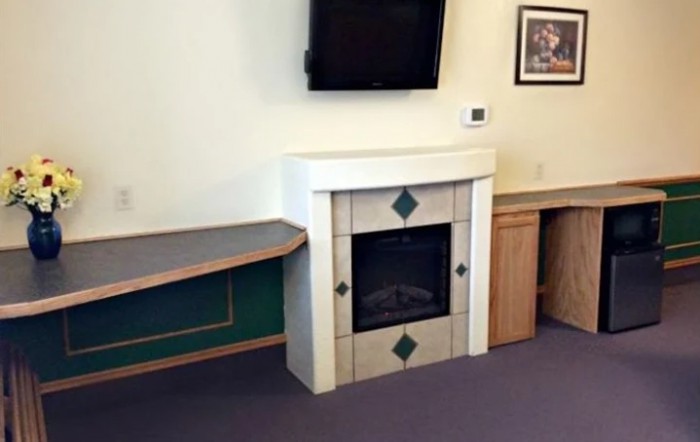
 Cable or satellite TV
 Computer center
 Devotional services off-site
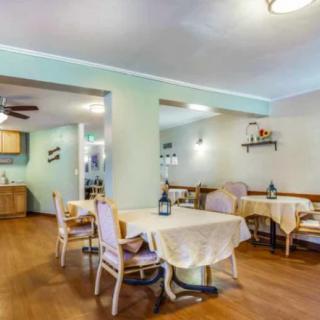
 Dining room
 Fitness room
 Full kitchen
 Fully furnished
 Gaming room
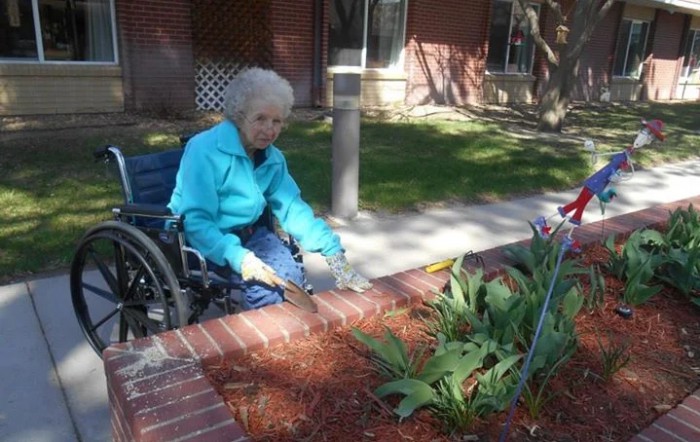
 Garden
 Guest parking
 Housekeeping services
 Indoor common areas
 Laundry
 Move-in coordination
 Outdoor space
 Private bathrooms
 Restaurant-style dining
 Small library
 Telephone
 Wellness center
 Wi-Fi/high-speed internet available
 Community operated transportation
 12-16 hour nursing
 24-hour call system
 Ambulatory care
 Assistance with bathing
 Assistance with dressing
 Assistance with transfers
 Diabetes diet
 Diabetic care
 Medication management
 Mental wellness program
 Physical therapy
 Special dietary restrictions
 Concierge services
 Planned day trips
 English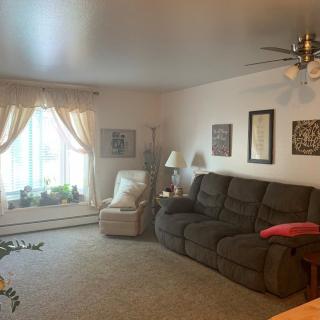

 Understanding Medicaid Coverage for Assisted Living: A Comprehensive Guide
 How and When Medicaid May Cover Assisted Living Costs
 A Detailed Exploration of Assisted Living Medicaid Waivers Across the United States