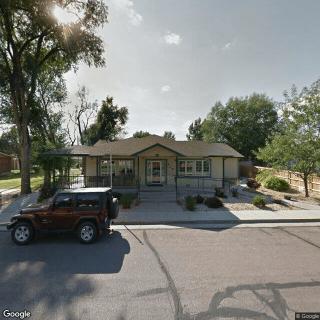
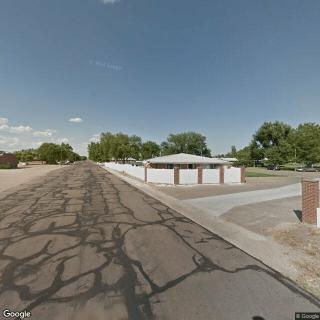
1910 Edison Street, Brush, CO 80723
For more information about senior living options: (866) 208-4318
Overall Review of Eben Ezer Lutheran Care Center
Pros
 The direct care staff are caring.
- The staff provide loving, patient care to residents in the locked dementia wing.
- The gardens are lovely and offer a nice respite from the institutional atmosphere.
- The Eben Ezer staff are exceptional and have little turnover over time.
- All Eben Ezer staff greet residents by name.
- The staff show kindness to visiting family during weekly visits.
- Love and caring create a home that feels like paradise at Eben Ezer.
- The staff are proactive about COVID measures and are appreciated for their efforts.
- Eben Ezer has been a life saver for families and their loved ones.
- The staff and physician are top notch.
- The Eben Ezer crew are very caring and love their residents.
- The nurses were amazing, friendly, and helpful, with bilingual support.
Cons
 The reviewer notes that after-hours care calls weren’t answered, leading to a fall and a broken leg, after which the resident was placed back in her chair as if nothing happened and is now on hospice.
- The administration is described as paying no attention to protocol, processes, or orienting families of new residents.
- There is no assessment for the least restrictive level of care, nor any response to ombudsman concerns.
Review
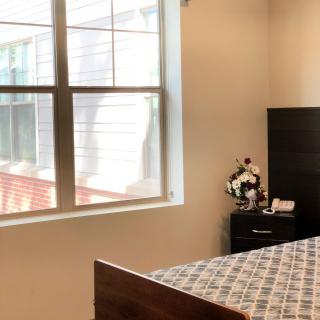
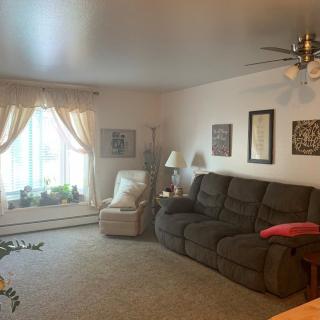
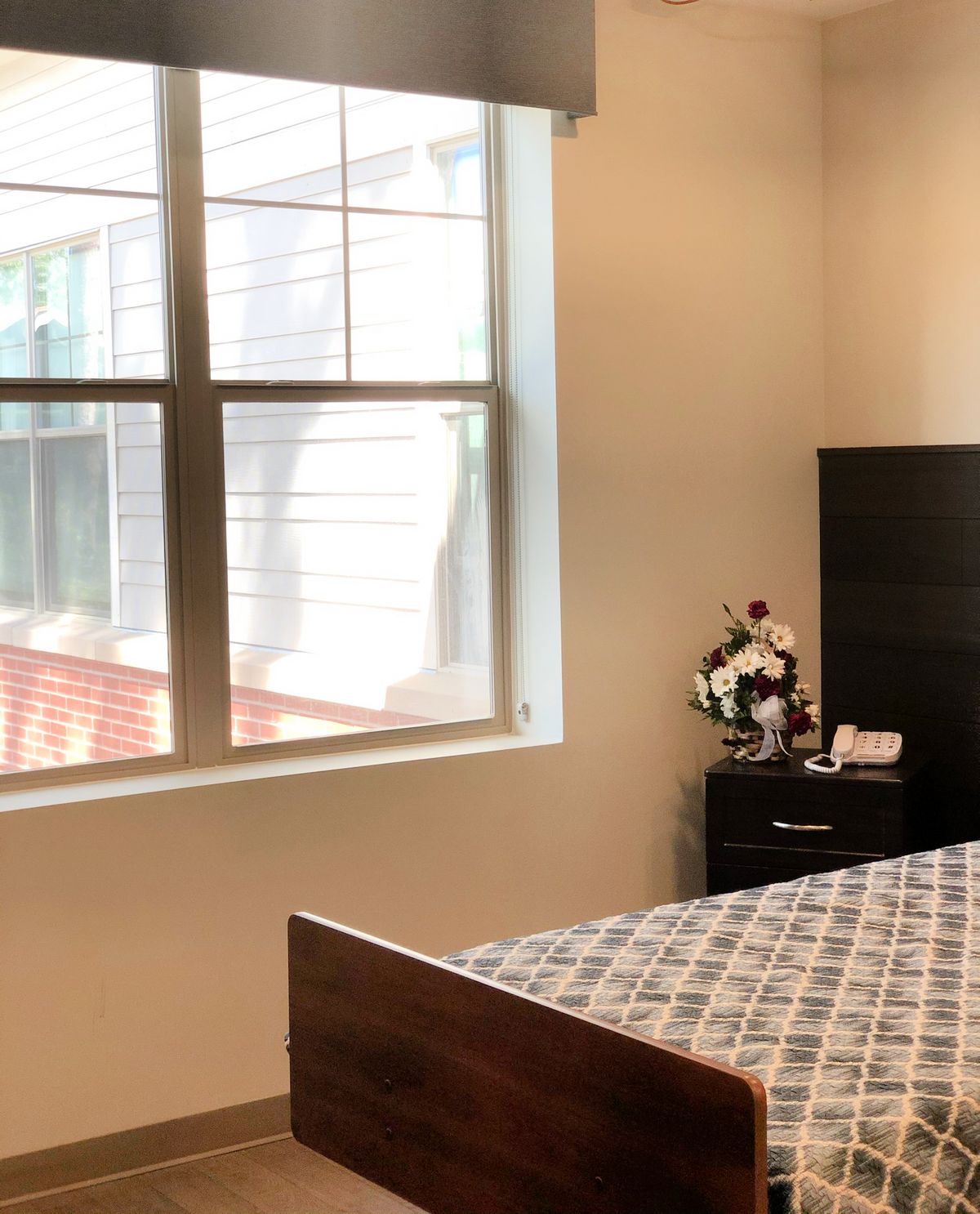
Eben Ezer Lutheran Care Center in Brush is best suited for families that prize a warm, hands-on caregiving culture, especially for residents with dementia or those needing rehabilitation or end-of-life support. The emphasis is on consistent, compassionate daily care delivered by front-line staff who know residents by name and engage with them meaningfully. The setting supports a home-like feel through gardens, a resident dog, and engaging activities that counterbalance the more institutional impression of the rooms. For families seeking emphasis on personal connection, stability in caregiving relationships, and a community-driven atmosphere, Eben Ezer delivers.
Those who may want to consider alternatives are primarily families that require stringent governance and safety oversight. Several reviews flag administration and protocol gaps, including limited orientation for new residents, minimal responsiveness to ombudsman concerns, and questions about formal assessments for the least restrictive level of care. An after-hours incident in which a care call was not answered, resulting in a fall, raises serious questions about safety protocols and escalation procedures. For families that need highly structured oversight, documented care planning, and rapid, consistent after-hours responsiveness, other options with stronger centralized governance may be preferable.
The strongest positives, caregiver warmth, stable staffing, and a targeted focus on dementia care, often offset the disadvantages in real-life days. Direct care staff are consistently described as caring and attentive, with particular praise for how the dementia wing is run and how residents are treated with patience and respect. Low turnover on the caregiving team helps residents form relationships and maintain routines, which in turn supports mood stability and cooperation with care plans. The combination of personal attention, a homelike environment, and meaningful activities, such as gardens, bird cages, and pet interaction, creates daily life that feels purposeful rather than purely custodial.
End-of-life and rehabilitation experiences emerge as standout strengths. Numerous family members highlight how skilled nurses and clinicians coordinated symptom management, comfort, and compassionate support during challenging health transitions. Leadership, especially supportive interactions with managers, and bilingual staff have been repeatedly noted as very helpful, enabling smoother communication for families and residents alike. These elements translate into tangible benefits: residents receive more attentive symptom control, visits feel more respectful, and families gain reassurance that their loved one’s dignity is preserved through difficult periods.
Yet the concerns around administration cannot be dismissed. The reviews repeatedly flag governance gaps and the potential for safety lapses if oversight is lax. Prospective residents and families should press for clear, written policies on post-acute or long-term care pathways, explicit after-hours response procedures, and a transparent approach to care planning that aligns with a resident’s chosen level of autonomy. Request current staffing ratios by shift, ask for examples of recent safety drills, and seek documentation of how ombudsman concerns have been addressed. When these controls are robust, Eben Ezer’s strengths in frontline care become a reliable foundation for a comfortable, dignified stay.
In the end, Eben Ezer offers a practical, compassionate home for seniors who value personal touch and dementia-focused care, with proven strengths in daily caregiving, meaningful activity, and end-of-life support. It is not the best fit for families prioritizing flawless administrative governance and ironclad safety protocols on every shift. A thoughtful visit should include the locked dementia unit, a frank discussion about after-hours response, and an examination of recent care plans and incident responses. If those elements align with expectations, Eben Ezer can be a life-enriching choice; if they do not, it is worth evaluating alternatives where governance and safety complement the evident warmth and dedication of the caregiving team.
 86 resident community capacity
 1-bedroom apartments
 Assisted Living
 Independent Living
 Memory Care
 Skilled Nursing Facility
 Activities on-site
 Air-conditioning
 Beautician on-site
 Cable or satellite TV
 Computer center
 Devotional services off-site
 Dining room
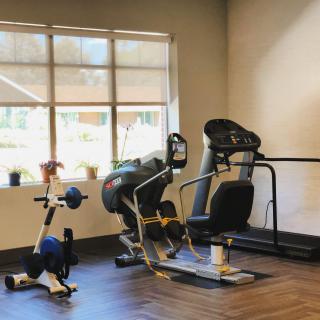
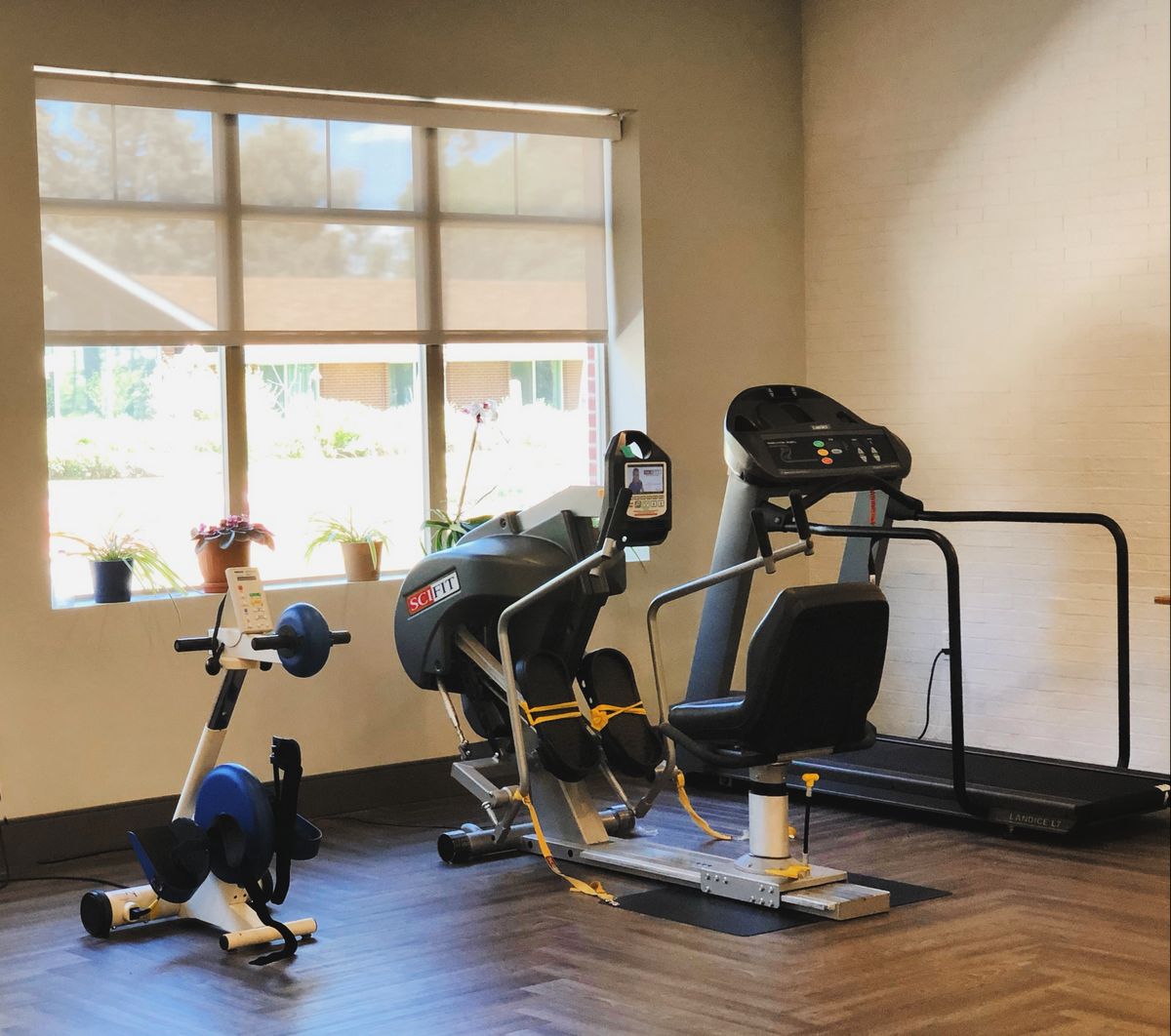
 Fitness room
 Full kitchen
 Fully furnished
 Gaming room
 Garden
 Guest parking
 Housekeeping services
 Indoor common areas
 Laundry
 Move-in coordination
 Outdoor space
 Private bathrooms
 Restaurant-style dining
 Small library
 Telephone
 Wellness center
 Wi-Fi/high-speed internet available
 Community operated transportation
 24-hour call system
 Ambulatory care
 Assistance with bathing
 Assistance with dressing
 Assistance with transfers
 Diabetes diet
 Diabetic care
 Medication management
 Mental wellness program
 Physical therapy
 Special dietary restrictions
 Concierge services
 Planned day trips
 English

 Understanding the Distinctions: Assisted Living and Memory Care Explained
 How to Communicate with a Loved One Living with Dementia: 10 Supportive Strategies
 Comprehensive Guide to VA Nursing Homes: A Crucial Long-Term Care Resource for Veterans