The Village Assisted Living in Aurora, CO

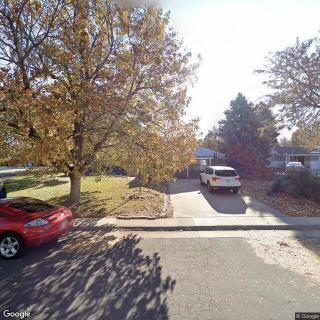
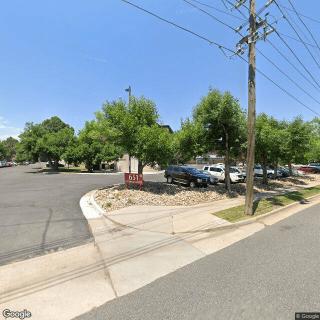
209 South Revere Street, Aurora, CO 80012

For more information about senior living options: (844) 490-3973

5 from 1 review
Assisted Living Board and Care Home

Overall Review of The Village Assisted Living

Pros

  • pro The home provides the most personal and loving care to its residents.
  • pro The low resident-to-caregiver ratio ensures staff members have very personal relationships with their charges.

Review

The Village Assisted Living in Aurora, Colorado is best for seniors who prize an intimate, home-like setting where care feels personal and unhurried. This community is built for residents who want meaningful, day-to-day interactions with caregivers rather than the bustle and anonymity of a larger campus. The standout feature is a deliberately low resident-to-caregiver ratio, which means staff know each resident by name, habits, and preferences - and respond with speed and warmth. Families seeking reassurance that caregiving is both skilled and compassionate will find this environment especially resonant. The vibe is unassuming and quiet, but the care delivered is steady and attentive, rooted in relationship as much as routine tasks.

Those who prioritize a broad calendar of activities, robust on-site medical oversight, or specialized memory-care programming may want to consider alternatives. If a resident requires intensive nursing, wound care, physical therapy, or frequent rehab sessions, a larger or more clinically equipped community could be a better fit. Similarly, when a family expects formal care coordination across multiple specialists or wants a campus with extensive transportation, dining, and social options, a smaller home like this may feel limited. For residents who crave a high-energy social scene or a wide array of structured programs, the trade-offs of a compact footprint become more apparent.

Key advantages are immediate and tangible. The unassuming home atmosphere combined with a genuine, personal touch translates into quick responsiveness and highly tailored routines. Caregivers know dietary preferences, mobility limits, and bedtime rituals, which reduces friction and uncertainty for both residents and relatives. This builds authentic trust, lowers anxiety, and creates a predictable daily rhythm that supports safety and continuity. Families gain confidence that care is attentive and individualized rather than generic. In practice, this attention often yields steadier moods, better adherence to medications and routines, and a sense of being valued that larger campuses sometimes struggle to provide.

Several potential drawbacks accompany the small-scale model. A lean footprint can limit spontaneous social opportunities, broad programming, and access to a wide spectrum of therapies on-site. Some residents may outgrow what the calendar can offer and seek more variety or external activities. There may be fewer on-site specialists or advanced medical resources, requiring coordination with outside providers or occasional trips off campus. Privacy dynamics can also shift in a tight-knit setting, where routines and care activities remain visible to others. Families should assess whether the resident's social needs, medical plan, and desired pace align with what this home can sustain over time.

Yet the strengths here often counterbalance these limits. The deep, personal care fosters trust and emotional security that can reduce the need for constant stimulation elsewhere. The same low ratio that enables intimate attention also supports rapid problem recognition and timely intervention. To address social gaps, families can plan regular visits, invite small groups to come over, or arrange occasional outings outside the community with staff support. It helps if the team demonstrates flexibility in meal planning, activity adjustment, and transportation to appointments. In short, the relational depth becomes the primary value proposition, and when matched with proactive planning, it makes the trade-offs more acceptable for many families.

In decision terms, The Village Assisted Living is a strong choice for seniors who value personal attention, consistency, and a homelike ambiance in Aurora. It is less suitable for those who require extensive clinical programming, a bustling activity calendar, or a wide range of on-site therapies. The core pros - close relationships, rapid responsiveness, and individualized care - offset many of the typical drawbacks associated with small settings, particularly for residents who prioritize safety and emotional well-being over volume of options. The key is to confirm practical details: the exact caregiver-to-resident ratio during peak hours, the availability of an on-site nurse, the process for escalating medical needs, meal quality, transportation for appointments, and the fit of daily routines with health goals. With clear expectations and proactive communication, this community can deliver a high-quality, companionship-rich living arrangement that supports both independence and peace of mind for families.

Features

Housing

  • 8 resident community capacity 8 resident community capacity

Types of Care

  • Assisted Living Assisted LivingAssisted living facilities provide crucial support and care for seniors who may need help with daily tasks such as medication management, bathing, and meal preparation. These communities offer a safe and comfortable environment where seniors can maintain their independence while receiving the assistance they need to thrive in their golden years.
  • Board and Care Home Board and Care HomeBoard and care homes provide a smaller, more intimate setting for seniors who require assistance with daily tasks but do not need the level of care offered by a nursing home. They offer personalized care, meals, and social activities in a homelike environment, ensuring that seniors receive individualized attention and support in their golden years.

Amenities

  • Cable or satellite TV Cable or satellite TVCable or satellite TV is important for seniors because it provides entertainment, news, and companionship, helping to combat loneliness and boredom. It also offers a wide range of programming options tailored to different interests and preferences.
  • Dining room Dining roomDining rooms are important for seniors as they provide a space for socialization, connection, and nutritious meals. They offer opportunities for residents to bond over shared meals, foster a sense of community, and promote healthy eating habits. Dining rooms also ensure that seniors have access to well-balanced meals tailored to their dietary needs and preferences.
  • Fully furnished Fully furnishedFully furnished senior living communities are important for seniors because they provide convenience, comfort, and a hassle-free moving experience. Seniors can easily settle into their new living space without the stress of having to buy and move furniture. This allows them to focus on enjoying their new home and community.
  • Garden GardenGardens are important for seniors as they provide a peaceful and therapeutic environment for relaxation, physical activity, and socialization. Being in nature has been shown to reduce stress, improve mood, and promote overall well-being. Gardens also offer opportunities for seniors to engage in gardening activities, which can improve mobility, flexibility, and cognitive function. Additionally, gardens create a sense of community and connection with others who share a passion for plants and outdoor spaces.
  • Housekeeping services Housekeeping servicesHousekeeping services are important for seniors because they help maintain a clean and safe living environment, promote independence, and reduce the risk of accidents or illnesses. Additionally, having assistance with household chores can alleviate physical strain and allow seniors to focus on other aspects of their well-being.
  • Move-in coordination Move-in coordinationMove-in coordination is important for seniors because it helps ease the transition into their new living environment. It ensures that all logistics, such as packing, organizing movers, and setting up utilities are taken care of, allowing seniors to focus on settling in and adjusting to their new home. Having a smooth move-in process can alleviate stress and anxiety, making the transition smoother and more enjoyable for seniors.
  • Outdoor space Outdoor spaceOutdoor spaces are important for seniors as they provide opportunities for physical activity, social interaction, exposure to natural light and fresh air, and a sense of connection to nature. Having access to outdoor spaces can improve overall well-being and quality of life for older adults living in senior communities.
  • Telephone TelephoneTelephones are important for seniors as they provide a lifeline for communication with loved ones, emergency services, and healthcare providers. They offer a sense of security and independence, enabling seniors to stay connected and access assistance when needed.
  • Wi-Fi/high-speed internet available Wi-Fi/high-speed internet availableWi-Fi/high-speed internet is important for seniors to stay connected with loved ones, access online resources, and participate in virtual activities to combat feelings of loneliness and isolation. It also allows them to easily manage healthcare needs, access entertainment, and engage in lifelong learning opportunities.

Transportation

  • Denver International (14 miles away) Denver International (14 miles away)

Care Services

  • 24-hour supervision 24-hour supervision24-hour supervision is important for seniors to ensure their safety, well-being, and access to immediate assistance in case of emergencies or health issues. This constant support provides peace of mind for both seniors and their loved ones, allowing them to age in place with dignity and security.
  • Activities of daily living assistance Activities of daily living assistanceActivities of daily living assistance are important for seniors because they provide essential support with tasks such as eating, bathing, dressing, and mobility. This assistance helps seniors maintain their independence, dignity, and overall quality of life as they age.
  • Assistance with bathing Assistance with bathingAssistance with bathing is crucial for seniors as it helps maintain personal hygiene, prevents infections, and ensures their overall well-being and comfort. It also provides a sense of dignity and independence for seniors who may struggle with this task on their own.
  • Assistance with dressing Assistance with dressingAssistance with dressing is important for seniors because it helps maintain their independence, promotes personal hygiene, prevents accidents and injuries, and improves overall quality of life. This service ensures that seniors can continue to dress comfortably and confidently, despite any physical limitations they may have.
  • Assistance with transfers Assistance with transfersAssistance with transfers is crucial for seniors as it helps prevent falls and injuries, maintains their independence, and ensures they can safely navigate their living environment. It also provides peace of mind for both seniors and their loved ones.
  • Coordination with health care providers Coordination with health care providersCoordination with health care providers is crucial for seniors to ensure proper medical care, medication management, and overall well-being. This collaboration helps prevent overlapping treatments, track progress more effectively, and provide comprehensive support tailored to individual needs.
  • Diabetes diet Diabetes dietA diabetes diet is crucial for seniors as it helps manage blood sugar levels, reduce risks of complications, and improve overall health and well-being. By following a balanced and nutritious diet tailored to their specific needs, seniors can better control their diabetes and enhance their quality of life.
  • Meal preparation and service Meal preparation and serviceMeal preparation and service are crucial for seniors as they may have limited mobility or energy to cook nutritious meals. Having access to healthy and convenient food options can ensure they are getting the proper nutrition needed to maintain their overall health and well-being.
  • Medication management Medication managementMedication management is crucial for seniors to ensure they are taking the right medications at the correct dosages and times. This helps prevent adverse drug interactions, reduces the risk of medication errors, and promotes overall health and well-being. Proactive management also allows for adjustments as needed based on changing health conditions or new prescriptions.
  • Special dietary restrictions Special dietary restrictionsSpecial dietary restrictions are important for seniors because age-related changes in metabolism and health conditions can make it difficult for their bodies to process certain foods. By following a diet tailored to their specific needs, seniors can maintain their overall health and well-being, manage chronic conditions, and reduce the risk of complications such as malnutrition or food interactions with medications.
  • Transportation arrangement (medical) Transportation arrangement (medical)Transportation arrangements for medical purposes are essential for seniors as they may have difficulty driving themselves to appointments or accessing public transportation. Having reliable and safe transportation options ensures that seniors can receive timely medical care and maintain their health and well-being.
  • Transportation to doctors appointments Transportation to doctors appointmentsTransportation to doctors' appointments is crucial for seniors as it ensures they have access to necessary medical care and support for their health needs. Without reliable transportation, seniors may struggle to attend important appointments, leading to potential delays in treatment and health complications. Providing transportation services helps seniors maintain their overall well-being and quality of life.

Dining

  • Diabetes diet Diabetes dietA diabetes diet is crucial for seniors as it helps manage blood sugar levels, reduce risks of complications, and improve overall health and well-being. By following a balanced and nutritious diet tailored to their specific needs, seniors can better control their diabetes and enhance their quality of life.
  • Special dietary restrictions Special dietary restrictionsSpecial dietary restrictions are important for seniors because age-related changes in metabolism and health conditions can make it difficult for their bodies to process certain foods. By following a diet tailored to their specific needs, seniors can maintain their overall health and well-being, manage chronic conditions, and reduce the risk of complications such as malnutrition or food interactions with medications.

Activities

  • Community-sponsored activities Community-sponsored activitiesCommunity-sponsored activities are important for seniors as they provide opportunities for social interaction, mental stimulation, and physical activity. These activities can help improve overall well-being, combat loneliness and isolation, and promote a sense of belonging and purpose among older adults.
  • Scheduled daily activities Scheduled daily activitiesScheduled daily activities are important for seniors because they provide structure, socialization, mental stimulation, and physical activity. Engaging in regular activities can improve overall well-being and quality of life for seniors living in a community setting.

Description

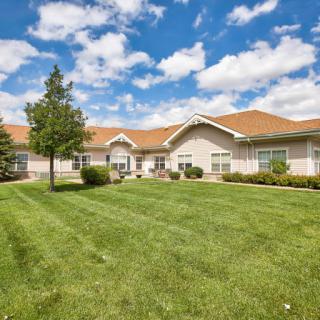
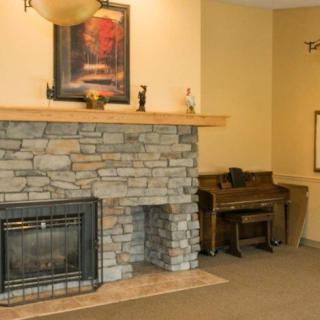
The Village Assisted Living in Aurora, CO is a board and care home that provides comprehensive care services for seniors. Our community offers a comfortable and fully furnished environment with amenities such as a dining room, outdoor space, and Wi-Fi for residents to enjoy.

At The Village Assisted Living, our dedicated staff members provide assistance with activities of daily living, including bathing, dressing, and transfers. We also offer coordination with health care providers and medication management to ensure the well-being of our residents.

Our community takes special care to accommodate dietary restrictions, including diabetes diets and special dietary needs. Our experienced chefs prepare delicious meals for our residents and provide meal service in our dining room.

We understand the importance of maintaining an active lifestyle, which is why we offer scheduled daily activities for our residents to participate in. Additionally, there are three cafes, five parks, 15 pharmacies, seven physicians' offices, six restaurants, two transportation options nearby for convenient access to various amenities and services.

When it comes to healthcare needs or appointments, we arrange transportation for medical purposes and doctors' appointments.

At The Village Assisted Living in Aurora, CO, we strive to create a supportive and vibrant community where seniors can receive the care they need while enjoying a fulfilling lifestyle.

Nearby Places of Interest

Restaurants

  • In-N-Out Burger (0.8 miles)
  • McDonald's (2.2 miles)
  • Piper Inn (3.1 miles)
  • Stanley Beer Hall (3.5 miles)
  • Old Town Hot Pot (3.6 miles)
  • McDonald's (4.2 miles)
  • Bull & Bush (5 miles)

Pharmacies

  • Walgreens (1.4 miles)
  • Walgreens (1.9 miles)
  • Walgreens (2.4 miles)
  • Walgreens (2.5 miles)
  • Walgreens (2.6 miles)
  • Walgreens (3 miles)
  • Walgreens (3.5 miles)

Physicians

  • Health Images (1.4 miles)
  • The Medical Center of Aurora (1.7 miles)
  • Rocky Mountain Cancer Centers (1.9 miles)
  • UCHealth Sue Anschutz-Rodgers Eye Center - Anschutz Medical Campus (2.1 miles)
  • VA Jewell Clinic (2.4 miles)
  • Colorado Kids Pediatrics (4.6 miles)
  • Cherry Creek Pediatrics (4.9 miles)

Hospitals

  • Village Pavilion (1.9 miles)
  • Children's Hospital Colorado Anschutz Medical Campus (2 miles)
  • University of Colorado Hospital (2.1 miles)
  • Rocky Mountain Regional VA Medical Center (2.3 miles)
  • Cherry Creek Eye Center (4.9 miles)
  • National Jewish Health (5.8 miles)

Parks

  • Lowry Dog Park (2.3 miles)
  • Kennedy Dog Park (4.8 miles)
  • Ash Grove Park (4.8 miles)
  • Great Plains Park (4.9 miles)
  • Cherry Creek State Park- Off Leash Dog Area (5 miles)
  • Infinity Park (5.2 miles)
  • Sagebrush Park (5.8 miles)

Cafes

  • Starbucks (4.4 miles)
  • Starbucks (4.5 miles)
  • Dutch Bros Coffee (4.7 miles)
  • Starbucks (5.2 miles)
  • Starbucks (6.1 miles)
  • Starbucks (6.1 miles)
  • Aviano Coffee (6.2 miles)

Transportation

  • RTD Rail - 40th Ave & Airport Boulevard-Gateway Park Station (4.8 miles)
  • United Airlines Flight Training Center (4.9 miles)

Theaters

  • Amc 9+Co 1 (5.4 miles)

Places of Worship

  • Temple Sinai (6.3 miles)

Frequently Asked Questions

Where is The Village Assisted Living?

Nearby Communities

  • Elder Care Assisted Living LLC

    Elder Care Assisted Living LLC

    Aurora, CO

    3.1 from 7 reviews
    $3,200 to $4,100 / month

    pro Inviting hotel-like setting with friendly staff and diverse religious programs.

  • Seva Assisted Living

    Seva Assisted Living

    Aurora, CO

    4.7 from 23 reviews
     

    pro Comprehensive memory care with 24/7 supervision and specialized programs in a furnished, amenity-rich setting.

  • Magnolia Place Assisted Living

    Magnolia Place Assisted Living

    Aurora, CO

    4 from 2 reviews
    $2,800 to $4,500 / month

    pro Homey atmosphere with friendly staff and decent meals.

  • Dorothy's Soft Touch II

    Dorothy's Soft Touch II

    Aurora, CO

    4.3 from 3 reviews
    $2,800 to $3,500 / month

    pro Knowledgeable owner with caring staff and nutritious meals in a clean, small setting.

  • Aspen Meadow Apartments

    Aspen Meadow Apartments

    Aurora, CO

    2.5 from 6 reviews
     

    pro Friendly tour manager and multiple living options.

  • Juniper Village at Aurora Memory Care

    Juniper Village at Aurora Memory Care

    Aurora, CO

    4.5 from 66 reviews
    $6,000 to $7,780 / month

    pro Exceptional, compassionate care with engaging activities and a welcoming, homelike atmosphere.

  • Frontier Valley Independent And Assisted Living

    Frontier Valley Independent And Assisted Living

    Aurora, CO

    3.8 from 49 reviews
    $1,395 to $2,695 / month

    pro Friendly staff and clean, welcoming environment

  • Scs Assisted Living Denver

    Scs Assisted Living Denver

    Denver, CO


    pro Small, intimate 8-bed setting with comprehensive daily living support and engaging activities.

  • Cadence Aurora

    Cadence Aurora

    Aurora, CO

    4.1 from 58 reviews
    $2,915 to $5,575 / month

    pro Friendly, attentive staff in a clean, engaging community.

Related Resources

  • aid and attendance vaAn Extensive Exploration of the VA Aid and Attendance Benefit

    The VA Aid and Attendance benefit provides financial support to veterans needing assistance with daily living due to medical conditions or disabilities, augmenting standard VA pensions for services like in-home care. Eligibility is based on service duration, wartime status, income, and medical needs, with a detailed application process required to access funds for caregiving and home modifications.

  • senior move managementSenior Transition Services: Understanding Their Role, Cost, and Importance

    Senior move management services assist older adults in the relocation process by providing emotional support and organizational help, addressing unique challenges like downsizing and moving from long-term homes. These specialists collaborate with real estate agents and manage logistics, making the transition smoother for seniors and their families.

  • independent living vs assisted livingExploring the Path to Senior Living: A Comprehensive Look at Independent Living and Assisted Living

    The article examines senior housing options, detailing the distinctions between independent living and assisted living, along with the emerging "independent assisted living" model that blends both approaches. It highlights the importance of assessing individual needs, preferences, and financial factors in making informed decisions about suitable living arrangements for seniors.