
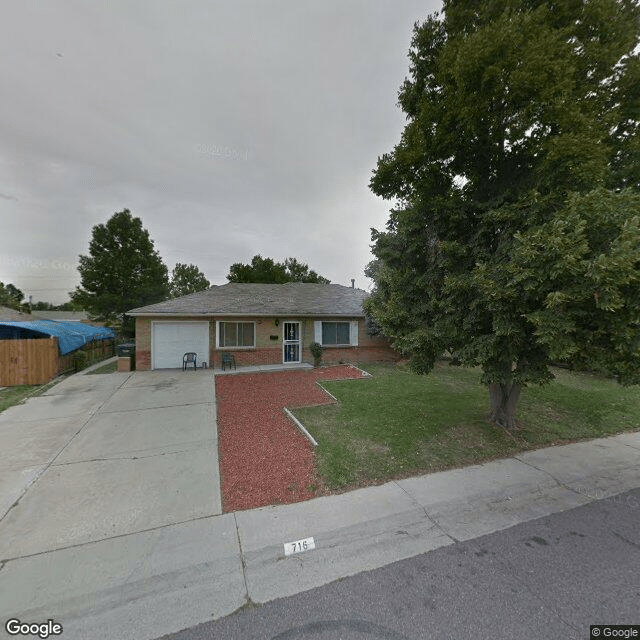
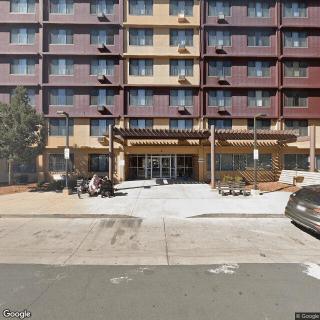
716 Ursula St, Aurora, CO 80011
To contact a resident: (303) 739-2700
For more information about senior living options: (866) 208-4318
Dorothy's Soft Touch II Costs & Pricing
Dorothy's Soft Touch II offers competitive pricing for its residents, particularly when compared to both Arapahoe County and the broader Colorado state averages. For a semi-private room, Dorothy's rate is $2,800 per month, which is significantly lower than the county average of $3,797 and the state average of $4,009. Similarly, in the case of private rooms, Dorothy's pricing at $3,500 not only undercuts Arapahoe County's average of $4,116 but also remains below the state average of $4,142. This positions Dorothy's Soft Touch II as an attractive option for individuals seeking quality care without exorbitant costs.
| Floor plans | Dorothy's Soft Touch II | Arapahoe County | Colorado |
|---|---|---|---|
| Semi-Private | $2,800 | $3,797 | $4,008 |
| Private | $3,500 | $4,116 | $4,142 |
Assisted Living communities with a similar price nearby
-
from +$200 / mo

A Loving Hand Assisted Living
$3,000 / month6.6 miles away -
from +$100 / mo
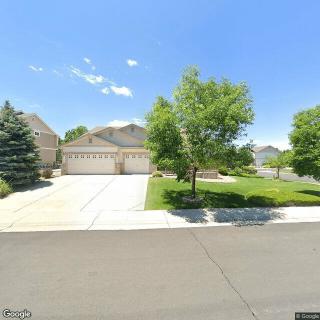
Rose Of Sharon Weaver Assisted Living
$2,900 to $4,000 / month9.1 miles away -
from -$550 / mo
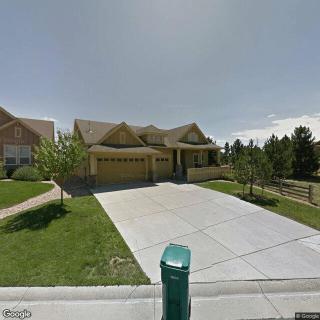
Assisted Living At The Woodlands
$2,250 to $2,500 / month23.7 miles away -
from -$330 / mo

Someren Glen Retirement Community
$2,470 to $3,975 / month10.6 miles away -
from +$200 / mo
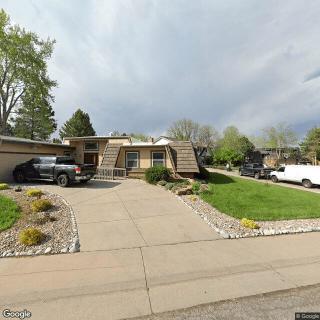
Meadow Vista Assisted Living At Walden
$3,000 to $3,500 / month16.7 miles away
Overall Review of Dorothy's Soft Touch II
Pros
 The owner is very knowledgeable about the care of loved ones.
- She takes time to prepare healthy, balanced meals for each resident.
- Mrs. Joiner assists the family with their uncle and mother-in-law.
- Chineyere and her staff demonstrate professionalism and respect.
- The residences are clean and neat.
Cons
 There was no one present for the appointment.
- It was deemed not suitable for the reviewer’s mother.
- The residence is described as very small.
Review
Dorothy's Soft Touch II in Aurora, CO is best suited for families seeking a small, intimate, caregiver-led environment where the owner is closely involved, meals are thoughtfully prepared, and staff demonstrate professionalism and respect. The ownership dynamic is a defining strength: the operator is described as knowledgeable about senior care and willing to engage with families to support loved ones. Meals are highlighted as balanced and nutritious, with staff taking time to tailor offerings to residents. The combination of hands-on leadership from Mrs. Joiner and a clean, orderly setting creates a sense of reliability for families who value direct access to the person overseeing daily care.
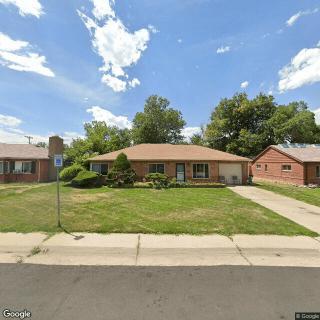
Those weighing alternatives should note that this is a very small, converted residence. That size fosters a homey atmosphere and individualized attention, but it also limits capacity, programming breadth, and the scale of services available. For families whose loved one requires more robust programming, a wider array of activities, or higher acuity medical support, a larger or more formal community may be more appropriate. The appointment experience cited by one reviewer suggests scheduling and staffing patterns may be uneven at times, which can be a red flag for families that prioritize predictable operations and structured routines.
The strongest positives, owner knowledge, personalized meal planning, and a professional, respectful staff, tend to offset some of the downsides, particularly for residents who thrive on a closely monitored routine and immediate accessibility to leadership. Cleanliness and a neat, compact environment contribute to a sense of safety and comfort, reinforcing trust that residents are well cared for on a day-to-day basis. The intimate setting also allows for quicker adjustments to dietary preferences, daily schedules, and specific care preferences, which can be a decisive factor for families who want clear lines of communication and visible leadership.
Yet the small footprint does not wholly resolve the core trade-offs. The very advantage of a home-like, intimate setting can become a constraint when care needs evolve or when more structured programming is desired. Limited space can translate into fewer on-site activities, reduced social opportunities, or slower scalability as needs change. The lack of a workforce pool that matches larger communities may also affect coverage during peak times or in cases requiring more comprehensive care plans. In short, the pros deliver a high-touch, personalized experience, but they can fall short for families seeking breadth of services and contingencies that accompany larger facilities.
For families seriously considering Dorothy's Soft Touch II, a practical evaluation plan is essential. Schedule time with Mrs. Joiner to discuss the resident’s current and anticipated care needs, including daily living assistance, meal preferences, and activity options. Ask about staffing patterns, training, and the resident-to-staff ratio across shifts to gauge how consistently care is delivered. Request a tour at different times of day to observe how meals, housekeeping, and interactions unfold in a typical day, and inquire about how changes in health status would be managed. Probe the menu generation process, ask for sample menus, and verify whether dietary restrictions can be accommodated reliably. Finally, compare with at least one larger community to benchmark programming breadth, safety features, and emergency medical support before making a final decision.
In the end, Dorothy's Soft Touch II stands out for families prioritizing intimate, owner-led care, nutritious meals, and a clean, respectful staff environment. It earns its keep when the goal is a homelike setting with direct access to leadership and a focus on personalized daily routines. However, for those who anticipate a need for broader programming, more robust medical oversight, or greater capacity, alternatives deserve serious consideration. A scheduled visit and a candid discussion about care expectations will reveal whether this small, well-run residence matches the specific needs and rhythm of the loved one being planned for.
 6 resident community capacity
 Assisted Living
 Board and Care Home
 Cats allowed
 Dogs allowed
 Cable or satellite TV
 Dining room
 Fully furnished
 Garden
 Housekeeping services
 Move-in coordination
 Outdoor space
 Private
 Telephone
 Wi-Fi/high-speed internet available
 Denver International (13 miles away)
 24-hour supervision
 Activities of daily living assistance
 Assistance with bathing
 Assistance with dressing
 Assistance with transfers
 Diabetes diet
 Meal preparation and service
 Medication management
 Special dietary restrictions
 Transportation arrangement (medical)
 Transportation to doctors appointments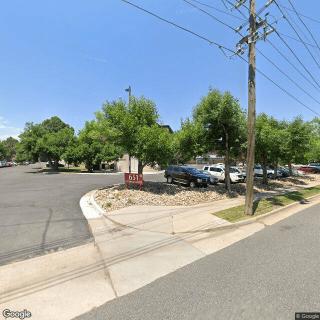
 Understanding the Distinctions: Assisted Living and Memory Care Explained
 Guiding Elderly Parents Who Refuse Assisted Living: 6 Practical Steps
 Your Comprehensive Guide to Luxury Assisted Living: Elevated Facilities, Amenities, and Costs