
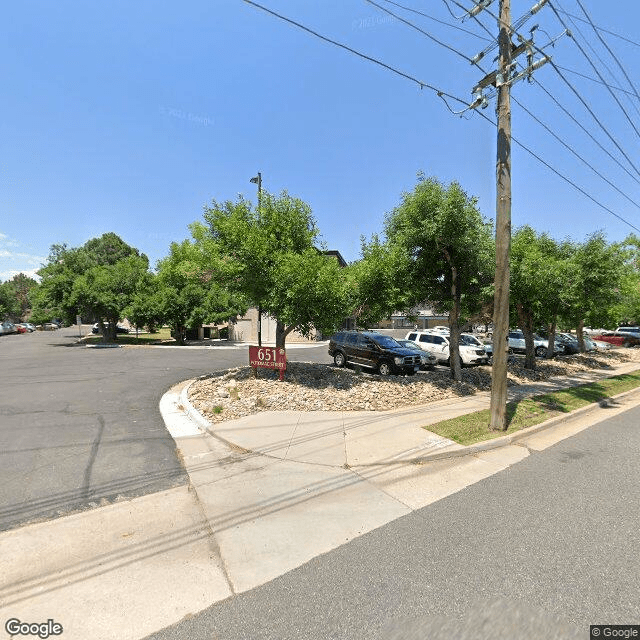
651 Potomac St, Aurora, CO 80011
To contact a resident: (303) 364-4628
For more information about senior living options: (866) 208-4318
Overall Review of Aspen Meadow Apartments
Pros
 The complex is very clean and has been completely renovated to accommodate seniors and people with disabilities.
- It offers a quiet environment with accessible transportation via the RTD shopping bus on Fridays.
- Bus stops on the 6 line are right out front in both directions, providing convenient transit options.
- The manager is appreciated and is said to do her best for residents.
Cons
 They claim the towing operation runs a racket against cars that have proper tags, parking passes, and registration.
- They would not recommend Aspen Meadows, calling it dirty with food left on kitchen plates during a tour and dingy rooms.
- They say the manager could hardly speak English, making communication difficult, and that the residents did not look well kept.
- They describe Aspen Meadows as mismanaged and disorganized, with staff who did not seem to know what they were doing.
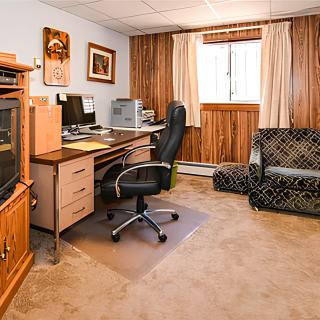
- They note the shared room for the mom had two beds but no room for a chair or TV, everything was run down, and there was only a bathtub instead of a walk-in shower.
- They claim the facility was not accommodating and priced higher than the base rate elsewhere.
- They warn the place is not family-oriented; maintenance staff are rude, service calls cost extra, residents gossip and staff watch every move, and problems are ignored by most staff; they urge reconsidering moving in.
Review
Aspen Meadow Apartments in Aurora, CO is best suited for low‑income seniors or residents with disabilities who need affordable housing and rely on public transit. The setting offers practical transit advantages and a location that supports monthly budgets, with notes of an RTD shopping bus on Fridays and bus access right in front of the property. For families seeking a pleasant, turnkey environment with consistently high cleanliness and proactive management, this community is not the ideal match. The arrangement is most defensible for residents who prioritize budget stability and nearby transit over pristine upkeep or highly responsive on‑site service.
Those who may want to consider alternatives are clear: anyone who requires a consistently clean, well‑maintained living space or anticipates a family‑friendly atmosphere should look elsewhere. Reports of dirt and wear in common areas and units, including kitchens, raise red flags about daily living conditions. A manager who struggles with clear English communication can create ongoing misunderstandings about rules, repairs, and what residents should expect. In addition, pay‑as‑you‑go charges for routine service calls and aggressive parking enforcement, summed with concerns about car towing, signal a governance model that may feel punitive rather than supportive. For households that prioritize comfort, safety, and respectful staff, an alternative community will likely deliver more peace of mind.
On the upside, the most tangible positives revolve around affordability and location features that matter in practical terms. Several residents describe Aspen Meadow as a place that has seen renovation and a level of cleanliness that makes it workable for those who do not demand luxury. The quiet of the community, coupled with transit options and the proximity of a shopping bus, can reduce daily stress and transportation costs for residents who are comfortable forgiving other shortcomings. When a unit is aligned with the HUD framework, rent can stay within predictable limits, which matters for fixed incomes. These pros do not erase the drawbacks, but they do establish a baseline where cost control and mobility are real, usable benefits.
Where the balance tilts, maintenance responsiveness and management reliability carry the most weight. The strongest red flags concern ongoing maintenance delays, a sense of disorganization, and staff conduct that feels dismissive or unhelpful. One reviewer described needing to undertake repairs themselves after their parent was injured, a scenario that signals potential safety concerns. Another described a culture of intrusion and gossip, with a perception that problems are dismissed rather than addressed. Combined with misalignment on unit features (for example, a bathtub where a walk‑in shower was desired) and perceptions of overcharging for routine services, the overall experience can feel precarious. These are not cosmetic issues; they directly affect daily quality of life and perceived safety.
Practically, families weighing Aspen Meadow should pursue a deliberate due‑diligence path before moving in. Schedule multiple in‑person visits at different times to gauge cleanliness, noise, and staff responsiveness. Ask for written confirmations on what is included in the base rent, what constitutes a billable service call, and how quick maintenance requests are typically resolved. Verify accessibility features in the specific unit, and request a floor plan that actually accommodates chairs, walkers, or shower accessibility if needed. Speak with current residents about communication with management and consistency in follow‑through on repairs. Finally, compare with other affordable housing or assisted‑living options that offer stronger housekeeping, clearer management channels, and a more consistently respectful resident experience.
In conclusion, Aspen Meadow serves a narrow but real segment: budget‑conscious seniors and disabled residents who can tolerate uneven maintenance, variable management, and a less polished environment in exchange for affordable rents and transit convenience. For families and individuals who demand pristine facilities, reliable upkeep, and a consistently responsive team, alternatives are strongly advisable. The decision hinges on prioritizing cost and mobility now against ongoing questions about upkeep and day‑to‑day support, a trade‑off that should be tested in person before any commitment.
 Independent Living
 Denver International (13 miles away)

 California's Form 602A: An In-Depth Examination of Senior Care Assessment
 Comprehensive Look at Senior Blood Pressure Charts: Normal and Elevated Levels by Age
 Top Canine Companions for Older Adults