
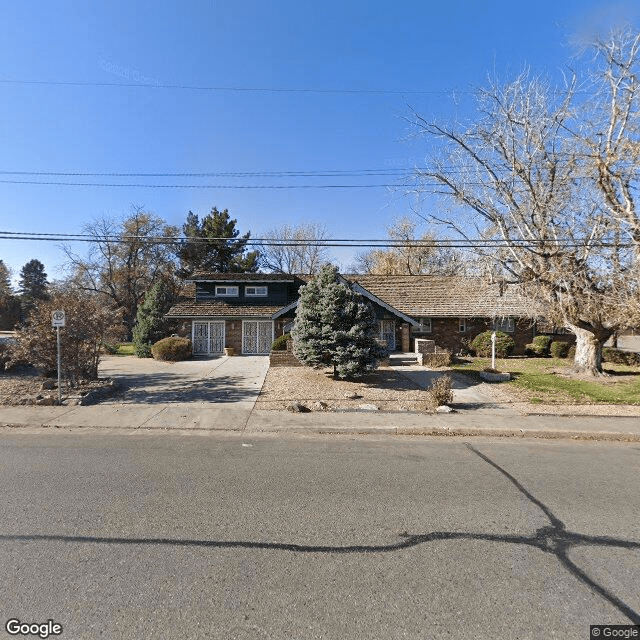
21 Del Mar Circle, Aurora, CO 80011
To contact a resident: (303) 340-5753
For more information about senior living options: (866) 208-4318
Elder Care Assisted Living LLC Costs & Pricing
Elder Care Assisted Living LLC offers competitive rates for its residents, particularly when compared to the broader costs in Arapahoe County and the state of Colorado. For semi-private accommodations, Elder Care's monthly fee of $3,200 is significantly lower than the county average of $3,797 and the state average of $4,009. Similarly, their private rooms are priced at $4,100, closely matching Arapahoe County's rate of $4,116 while still remaining slightly below the state's average of $4,142. Furthermore, Elder Care's pricing for one-bedroom units stands at $4,100 - a strategic choice that undercuts both local (Arapahoe County at $4,732) and state figures ($4,119). This positioning not only underscores Elder Care's commitment to providing affordable options but also highlights its appeal as a cost-effective solution for families considering assisted living options in a market where expenses can often be daunting.
| Floor plans | Elder Care Assisted Living LLC | Arapahoe County | Colorado |
|---|---|---|---|
| Semi-Private | $3,200 | $3,797 | $4,008 |
| Private | $4,100 | $4,116 | $4,142 |
| 1 Bedroom | $4,100 | $4,732 | $4,118 |
Memory care communities with a similar price nearby
-
from -$200 / mo
Bee Hive Homes of Colorado #3
$3,000 to $5,000 / month24.9 miles away -
from +$395 / mo
The Belleview
$3,595 to $6,595 / month7.9 miles away -
from +$500 / mo
Montage Ridge
$3,700 to $5,800 / month15.5 miles away -
from +$580 / mo
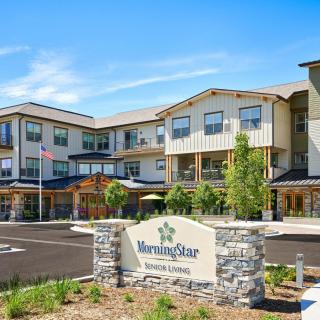
MorningStar Senior Living of Arvada
$3,780 to $6,110 / month19.3 miles away -
About the same
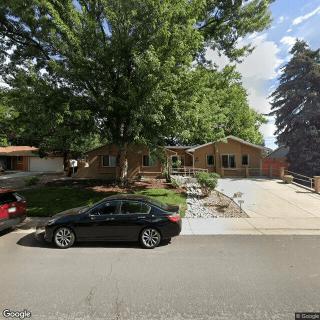
Abundant Blessing and Care - Eastman Avenue
$3,200 to $4,200 / month5.6 miles away
Overall Review of Elder Care Assisted Living LLC
Pros
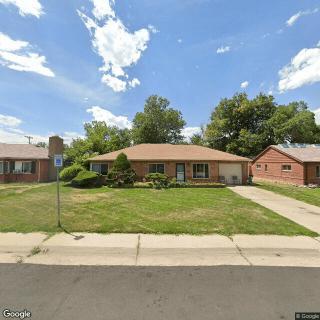
 The facility features manicured lawns and beautiful buildings that give it a hotel-like feel.
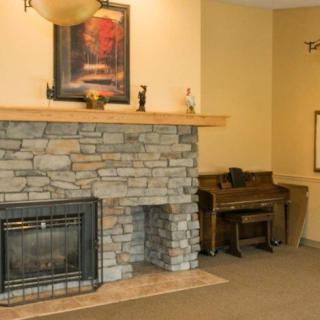
- It conveys a real home-like atmosphere.
- Clergy from all faiths visit residents to converse with them and, if requested, minister to them.
- Daily religious services are held for residents.
- The staff are friendly, and the facilities are modern and up-to-date.
- Residents are pleased with the facility and its amenities, including the food options.
- Evening bingo activities foster social interaction among residents.
Cons
 The owners’ communication was rude, accusatory, and extremely unprofessional.
 - They were told to “LISTEN TO ME” over the phone and then hung up on during a discussion about a client.
- The facility refused them because the roommate didn’t want to share a room, despite the place being capacity for ten and only six residents.
- They were told there are other places that will treat tenants better.
Review
Best suited for seniors who want a faith-friendly, socially active community and a polished, hotel-like environment. Elder Care Assisted Living LLC in Aurora appeals to residents who value daily religious programming, accessible grounds, and staff perceived as friendly and responsive in person. The exterior and interior polish can feel reassuring to families during the transition. Yet that favorable impression hinges on steady, respectful communication from leadership. Families needing consistently professional, transparent interactions should approach with caution, recognizing that administrative friction has colored several experiences reported by residents and their families.
Prospective residents who prioritize spirituality and social connection may overlook other gaps, but the reality check is essential: this community operates with a more variable ownership tone than some peers. If roommate flexibility, clear rooming policies, and predictable problem resolution are non-negotiable, alternatives with stronger corporate-style protocols will likely serve better. In short, the environment delivers liveliness and care culture, but the cadence and tone of administration require careful verification in a visitation plan.
Pros and cons hinge on alignment of values. The strong religious programming and access to clergy from multiple faiths help residents anchor their routines and maintain a sense of purpose. Staff interactions during visits are described as friendly, professional, and quick to answer questions, contributing to a home-like atmosphere that residents and families can trust. When consideration of care needs coincides with social and spiritual well-being, these elements can compensate for some administrative frictions, but not entirely, since trust and clarity underlie every transition and decision.
On the amenities front, the campus delivers a modern, well-kept setting with pleasing common spaces and meal options that residents often enjoy. The presence of organized activities, including daily services and social gatherings such as bingo, creates meaningful engagement and keeps residents connected. These practical benefits translate into daytime fulfillment, smoother routines, and reduced isolation for many seniors, reinforcing the value of a warm community despite leadership concerns.
However, the most consequential concerns center on governance and logistics. A reported incident where owners directed a caller to “LISTEN TO ME” and then hung up illustrates a risk: communication that feels punitive or dismissive can erode confidence quickly. More striking is the room-sharing dispute: the facility reportedly refused a single resident placement with a potential roommate because the other person did not want to share, despite seeming capacity. Such rigidity on occupancy and a lack of transparent policies about roommate assignments are red flags for couples, friends, or neighbors seeking continuity.
Decision-focused guidance: this community should be on the short list for families who prize religious life, a welcoming social climate, and a well-presented setting, provided there is also a plan to secure clearer, more respectful communications from leadership. For households where steady admin support, predictable policies, and flexibility on rooming are non-negotiable, it is prudent to explore alternatives. Before committing, demand a candid conversation with owners about room configurations, occupancy possibilities, and the process for handling requests or grievances, and insist on written policies that protect roommate arrangements. With those guards in place, the choice aligns with the resident’s values and practical care needs.
 Board and Care Home
 Memory Care
 Cats allowed
 Dogs allowed
 Private
 Denver International (13 miles away)
 Memory Care Pathways: A Holistic Guide to Dementia Support
 Comprehending Evening Confusion in Dementia: Causes, Manifestations, and Support
 Delirium and Dementia: Unraveling the Key Differences