For more information about senior living options: (866) 208-4318
4 from 97 reviews
5 stars
60
4 stars
14
3 stars
2
2 stars
2
1 stars
19
Summit Rehabilitation And Care Community Costs & Pricing
At Summit Rehabilitation and Care Community, the monthly costs for care reflect a premium offering in comparison to both Denver County and the broader state of Colorado. For a semi-private room, residents can expect to pay $4,800, which is notably higher than the county average of $3,950 and the state average of $4,009. Similarly, the rate for a private room stands at $5,370, exceeding both Denver County's rate of $4,178 and Colorado's average of $4,142. These rates underline the community's commitment to providing superior care and amenities that may justify this elevated pricing structure for potential residents seeking quality rehabilitation and support services.
Floor plans
Summit Rehabilitation And Care Community
Denver County
Colorado
Semi-Private
$4,800
$3,950
$4,008
Private
$5,370
$4,178
$4,142
Skilled Nursing Facilities with a similar price nearby
from -$180 / mo
Garden Terrace Alzheimer's Center Of Excellence - Aurora
Overall Review of Summit Rehabilitation And Care Community
common28 reviews mention this
Staff kindness comes through
Residents and families repeatedly describe the staff as caring and responsive.
A large share of reviews emphasize kindness and professionalism from front-desk staff through nurses and other care providers. Multiple reviewers say staff learn names quickly and address concerns promptly, and several specifically call out welcoming reception and helpful communication with families. Even among mixed experiences, reviewers often still describe portions of staff support as patient and respectful.
caveat12 reviews mention this
Call response is inconsistent
Some reviewers report slow or missed call-button responses when help is needed.
While many families describe good care, several reviews mention delays after using the call button or having to seek out a nurse themselves. A few reviews describe situations where no one arrived promptly, including reports of emergency-level concerns and extended waits for attention. Residents also mention difficulties in getting issues addressed in a timely way, which is a recurring frustration.
common10 reviews mention this
Food gets mixed feedback
Dining quality is a mixed point, from enjoyment to complaints about bland meals.
Some reviewers say they love the food or that residents are happy with meals, and others mention accommodating dining-related needs. At the same time, multiple reviews describe average or not appetizing food, with one reviewer describing frequent repetition and another mentioning the facility working through a kitchen update. There are also complaints tied to special diets, including diabetes-related concerns.
caveat7 reviews mention this
Rooms and comfort vary
Room conditions and set-up can be a concern for some residents and families.
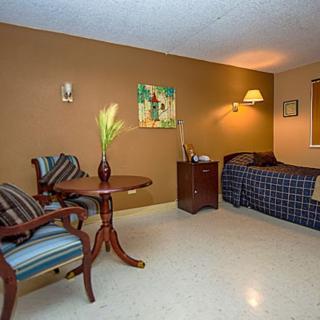
Several reviews talk about comfort and cleanliness in patient areas, but others raise issues with the physical condition of rooms and shared accommodations. One reviewer specifically notes being placed with a roommate after being told nothing about it on arrival, while another describes how rehab residents were assigned single rooms. A few reviews also mention temperature or the lack of cooling in patient areas, which affected day-to-day comfort.
common6 reviews mention this
Care planning and activities
Residents describe ongoing activities and regular engagement from caregivers.
A handful of reviews mention activities being available, including watching movies and seeing people come in for music. Some families describe care teams learning individual preferences and documenting daily updates, especially for dementia care. However, at least one reviewer says they did not see many activities during their time there.
differentiator8 reviews mention this
Skilled nursing and supervision
This community provides skilled nursing focused rehab care with nursing-call support.
Residents and families describe rehabilitation care and nursing involvement, including help with everyday needs and medication management. The facility also offers structured supervision and daily living support, which aligns with reviews that focus on hands-on nursing attention and caregiver assistance. Reviews vary in how consistently needs are met, but skilled nursing care is a clear throughline.
How we summarize
Counts show how many written reviews mention each theme; a review can touch several themes, and only frequently mentioned themes are displayed.
Features
Housing
110 resident community capacity
Types of Care
Skilled Nursing Facility
Pets
Cats allowed
Dogs allowed
Amenities
Air-conditioning
Beauty salon
Cable or satellite TV
Computer center
Dining room
Fitness room
Fully furnished
Gaming room
Garden
Housekeeping services
Kitchenette
Move-in coordination
Outdoor space
Private
Private bathrooms
Restaurant-style dining
Small library
Telephone
Wellness center
Wi-Fi/high-speed internet available
Transportation
Denver International (14 miles away)
Community operated transportation
Transportation arrangement
Transportation arrangement (non-medical)
Transportation to doctors appointments
Care Services
12-16 hour nursing
24-hour call system
24-hour supervision
Activities of daily living assistance
Assistance with bathing
Assistance with dressing
Assistance with transfers
Diabetes diet
Meal preparation and service
Medication management
Mental wellness program
Special dietary restrictions
Dining
Diabetes diet
Special dietary restrictions
Activities
Community-sponsored activities
Concierge services
Fitness programs
Planned day trips
Resident-run activities
Scheduled daily activities
Nearby Places of Interest
This part of Aurora, Colorado, offers a convenient and diverse range of amenities for seniors considering living in the area. With several pharmacies located within a few miles, accessing medication and healthcare services is easily manageable. Additionally, there are numerous parks nearby for leisurely walks or outdoor activities. A variety of restaurants catering to different tastes can be found within a short driving distance, providing options for dining out. The presence of hospitals and physicians ensures access to quality healthcare services within a reasonable distance. For those who enjoy coffee shops and cafes, there are several popular chains available in the vicinity. Transportation options such as the United Airlines Flight Training Center and RTD Rail stations make it convenient for seniors to travel around the area. Overall, this part of Aurora offers a well-rounded community with ample resources for senior residents to enjoy a comfortable and fulfilling lifestyle.
Pharmacies
Walgreens (0.8 miles)
Walgreens (1.2 miles)
King Soopers Pharmacy (2.5 miles)
Walgreens (2.5 miles)
Walgreens (3.1 miles)
Walgreens (3.3 miles)
Walgreens (3.5 miles)
Parks
Lowry Dog Park (0.8 miles)
Ash Grove Park (3.9 miles)
Infinity Park (4 miles)
Bonnie Brae Ellipse Park (4.9 miles)
City Park (5 miles)
Kennedy Dog Park (5.1 miles)
Cheesman Park (5.4 miles)
Restaurants
McDonald's (1.2 miles)
Stanley Beer Hall (2.1 miles)
In-N-Out Burger (2.5 miles)
Piper Inn (3.3 miles)
Bull & Bush (3.7 miles)
Snooze, an A.M. Eatery (3.9 miles)
Old Town Hot Pot (4 miles)
Hospitals
University of Colorado Hospital (1.9 miles)
Village Pavilion (2 miles)
Children's Hospital Colorado Anschutz Medical Campus (2.1 miles)
Rocky Mountain Regional VA Medical Center (2.4 miles)
Cherry Creek Eye Center (3.7 miles)
National Jewish Health (4.1 miles)
Physicians
UCHealth Sue Anschutz-Rodgers Eye Center - Anschutz Medical Campus (2 miles)
Health Images (2.8 miles)
The Medical Center of Aurora (3.1 miles)
Colorado Kids Pediatrics (3.1 miles)
Rocky Mountain Cancer Centers (3.3 miles)
Orthopedic Associates (3.5 miles)
Rose Medical Center Medical Libr (3.6 miles)
Cafes
Starbucks (3 miles)
Starbucks (3.9 miles)
Dutch Bros Coffee (4.1 miles)
Starbucks (4.6 miles)
Starbucks (4.6 miles)
Aviano Coffee (4.6 miles)
Starbucks (5.4 miles)
Transportation
United Airlines Flight Training Center (3.4 miles)
RTD Rail - 40th Ave & Airport Boulevard-Gateway Park Station (5.3 miles)
At Summit Rehabilitation and Care Community, the monthly costs for care reflect a premium offering in comparison to both Denver County and the broader state of Colorado. For a semi-private room, residents can expect to pay $4,800, which is notably higher than the county average of $3,950 and the state average of $4,009. Similarly, the rate for a private room stands at $5,370, exceeding both Denver County's rate of $4,178 and Colorado's average of $4,142. These rates underline the community's commitment to providing superior care and amenities that may justify this elevated pricing structure for potential residents seeking quality rehabilitation and support services.
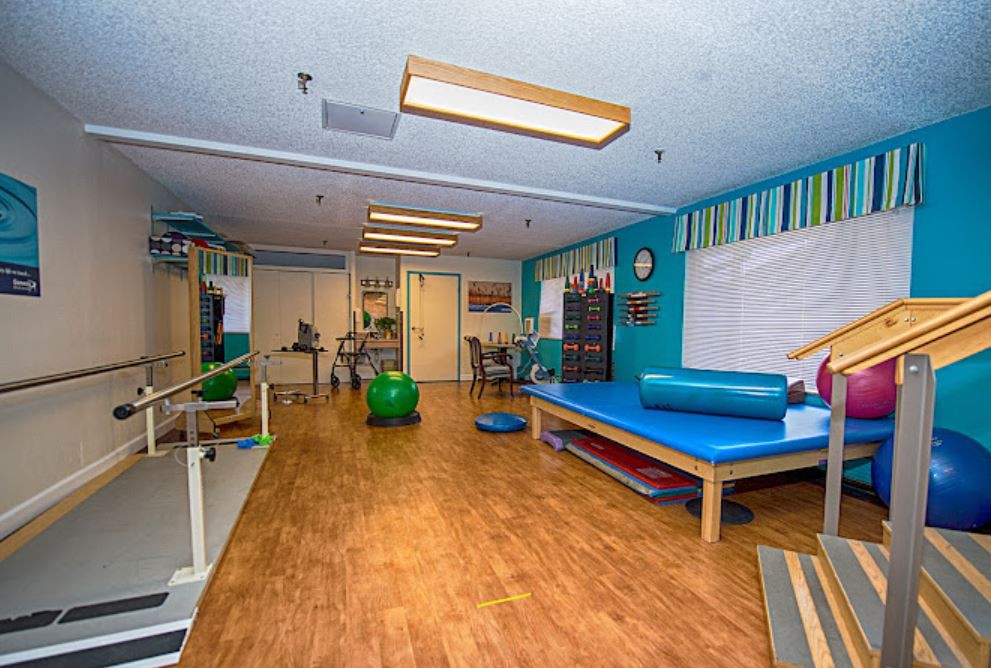
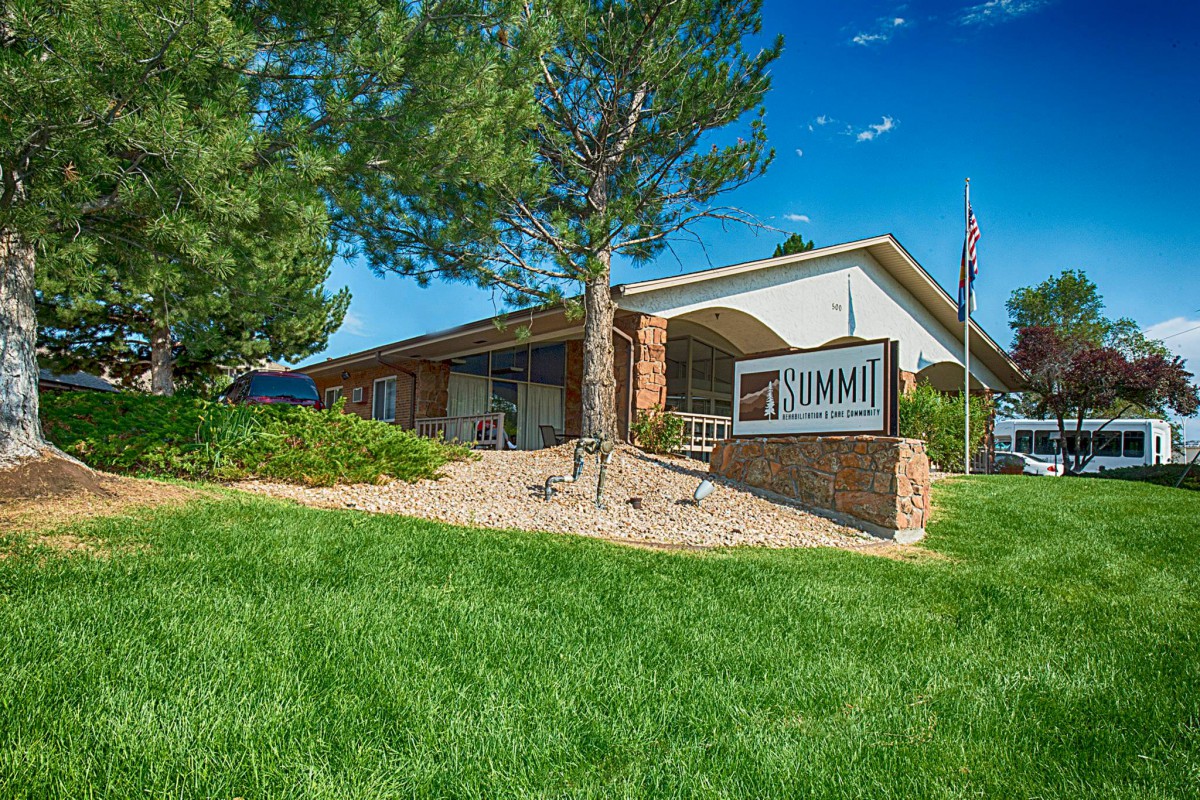
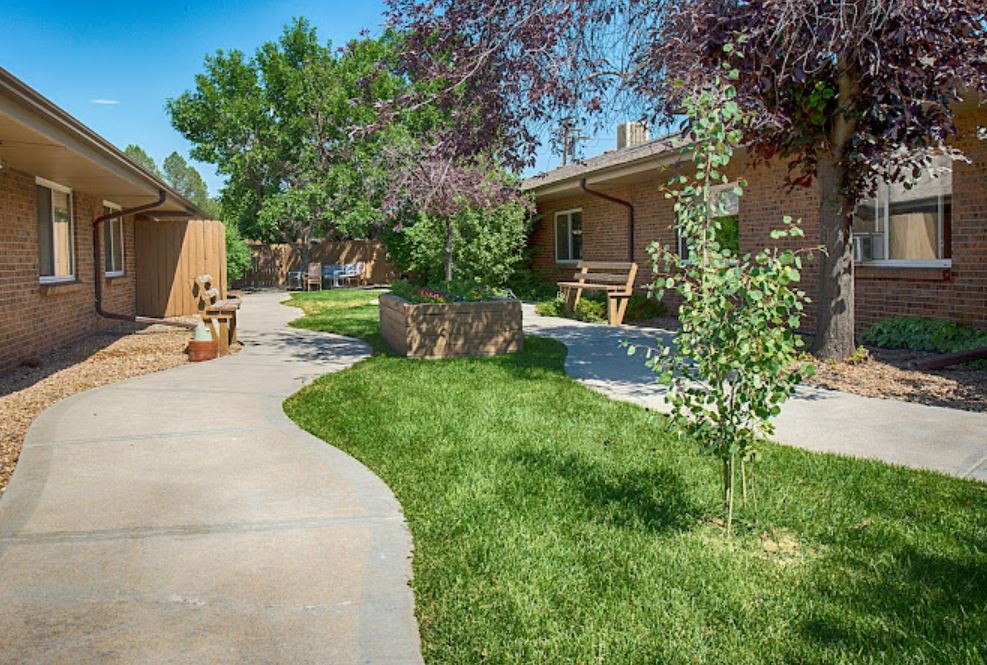
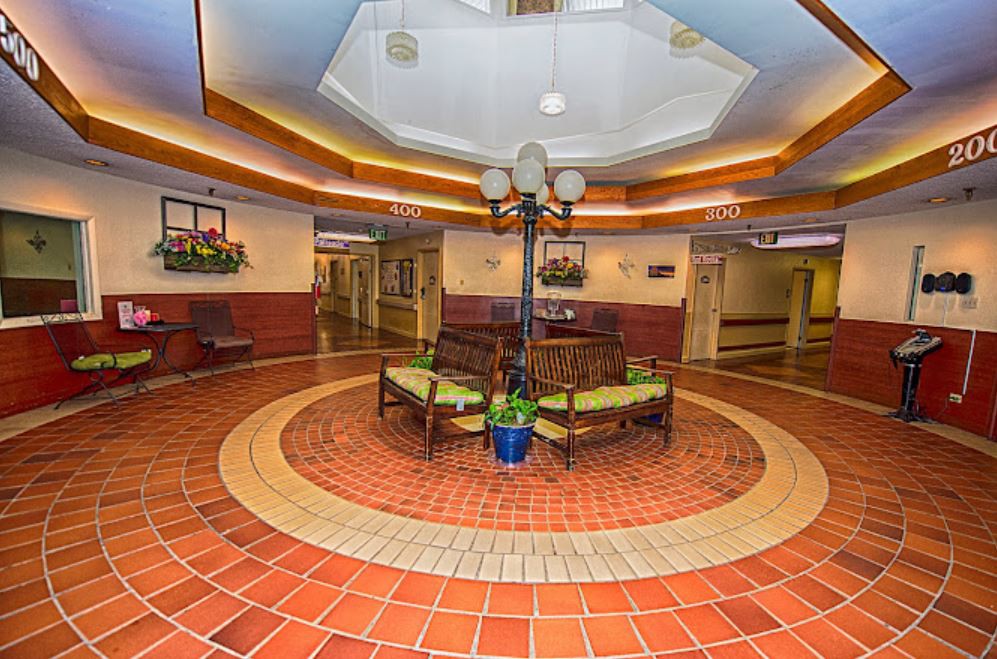
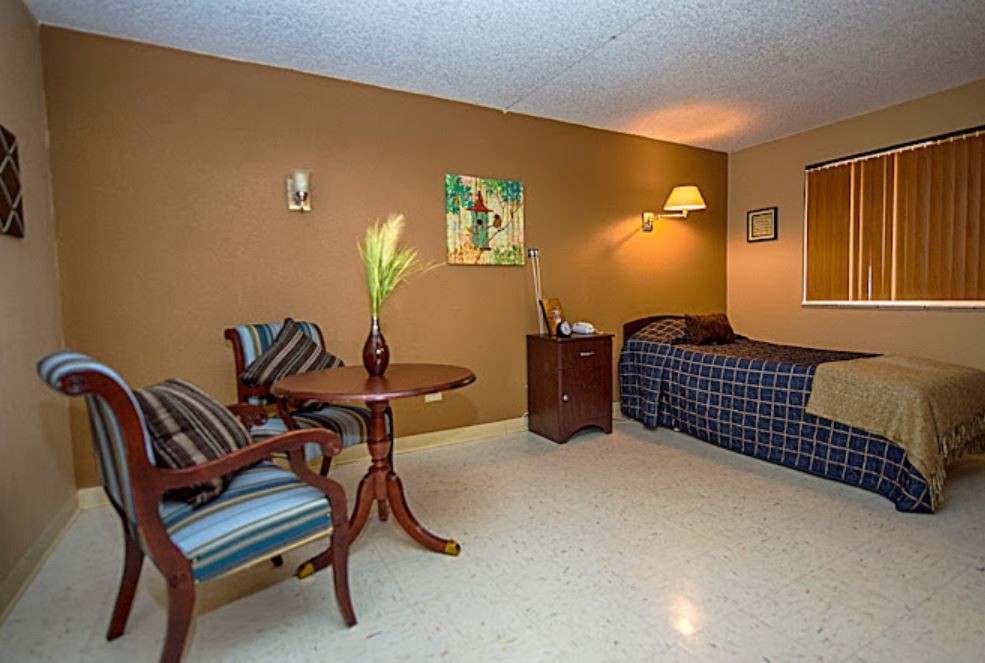
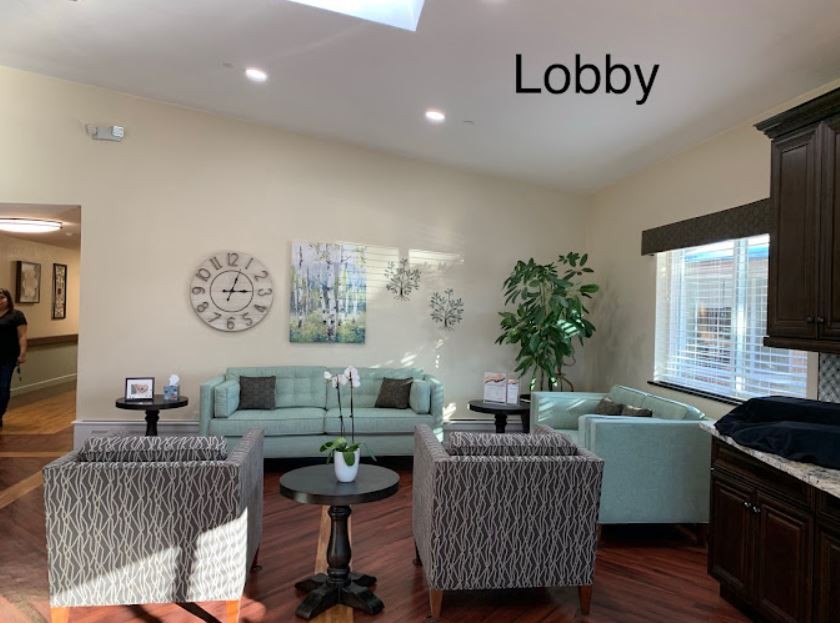
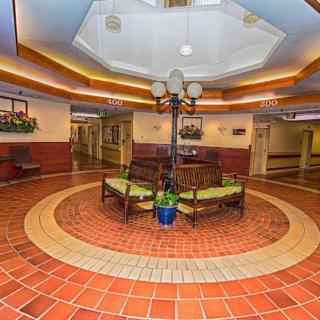
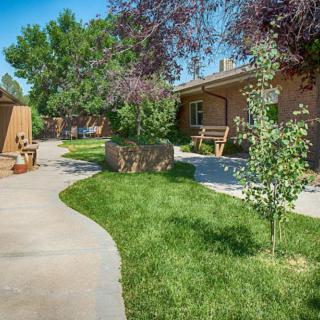
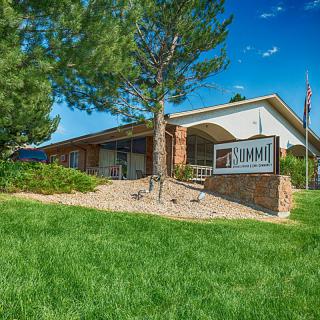
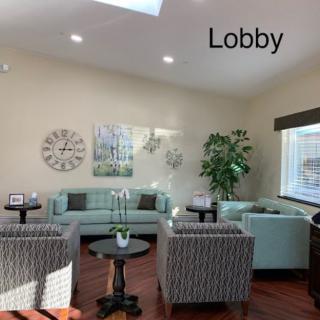
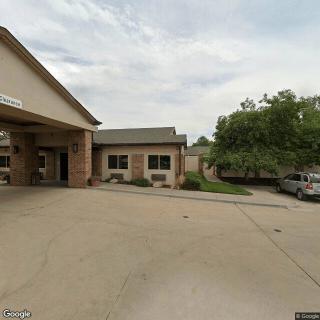
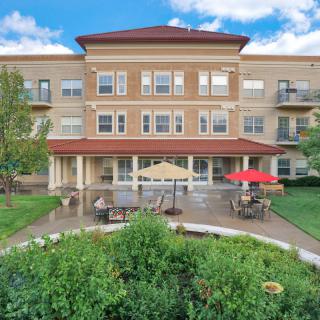
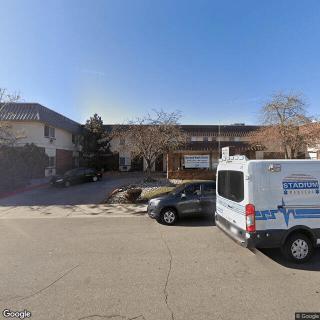
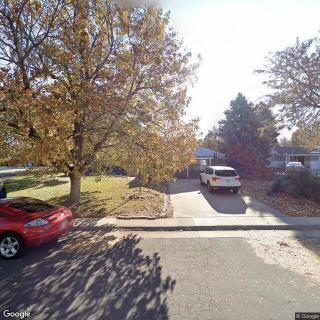
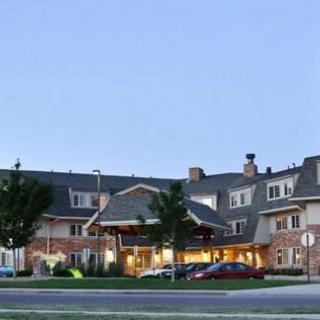
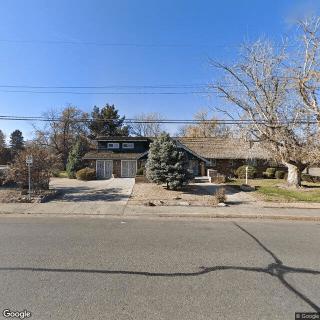
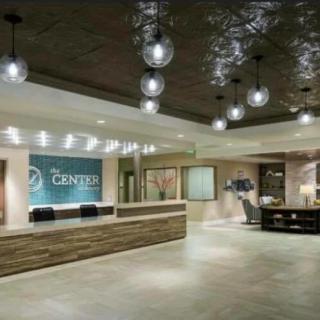
Summit Rehabilitation And Care Community on seniors.fyi includes 7 photos including images showing interior, trees, lobby, decor, landscaping, healthcare, garden, pathway, and more.
Elder abuse affects many older adults worldwide and includes physical, emotional, neglectful, and financial harm, with about one in six individuals over 60 experiencing abuse annually. Prevention and intervention strategies focus on awareness, support for caregivers, and mandatory reporting, while recovery necessitates comprehensive support for both physical and emotional needs.
The guide details ten essential responsibilities of senior caregivers, including personal care, mobility assistance, medication management, and emotional support, while emphasizing the importance of safety, nutrition, and maintaining a safe living environment to enhance seniors' quality of life and independence.
The article highlights nine memory-boosting activities for seniors that enhance cognitive health and social interaction, including puzzles, trivia quizzes, and storytelling, while emphasizing the importance of adapting these activities to individual preferences to maximize enjoyment and engagement. Consistent mental engagement is linked to improved cognitive function and emotional well-being in older adults.
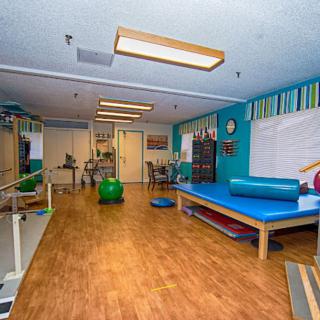
Exercise Equipment, Healthcare, Rehabilitation, Physical Therapy, and Therapy Room
Wall Art
Get PricingAsk A QuestionSchedule A TourContact Senior Advisor
By clicking submit, you agree to our Partner's Terms of Use. You
also consent to receive calls and texts, which may be autodialed, from our Partner. Your consent is not a condition to
using our Partner's service. Please visit our Partner's Privacy Policy for information about their privacy practices.


 110 resident community capacity
 Skilled Nursing Facility
 Cats allowed
 Dogs allowed
 Air-conditioning
 Beauty salon
 Cable or satellite TV
 Computer center
 Dining room
 Fitness room
 Fully furnished
 Gaming room
 Garden
 Housekeeping services
 Kitchenette
 Move-in coordination
 Outdoor space
 Private
 Private bathrooms
 Restaurant-style dining
 Small library
 Telephone
 Wellness center
 Wi-Fi/high-speed internet available
 Denver International (14 miles away)
 Community operated transportation
 12-16 hour nursing
 24-hour call system
 Activities of daily living assistance
 Assistance with bathing
 Assistance with dressing
 Assistance with transfers
 Diabetes diet
 Medication management
 Mental wellness program
 Special dietary restrictions
 Concierge services
 Planned day trips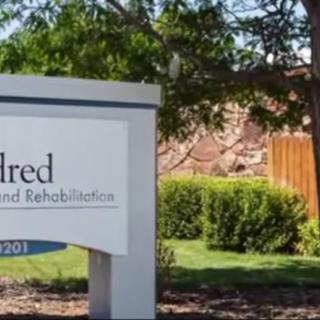
 Extensive on-site amenities and 24/7 care.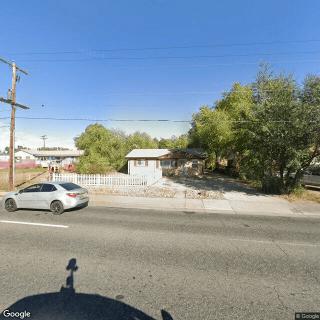

 Powerful Realities of Elder Abuse and the Most Effective Ways to Report It
 Ten Vital Duties of a Senior Caregiver: A Comprehensive Guide
 9 Stimulating Memory Activities for Seniors: Puzzles, Cards, and Much More