
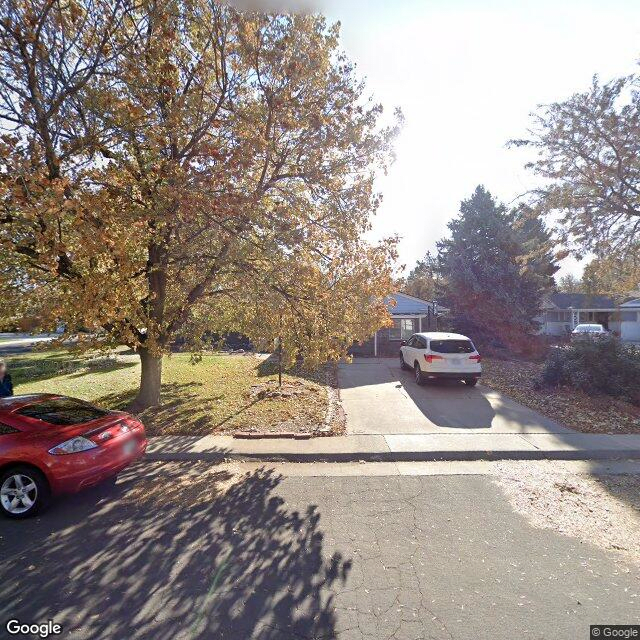
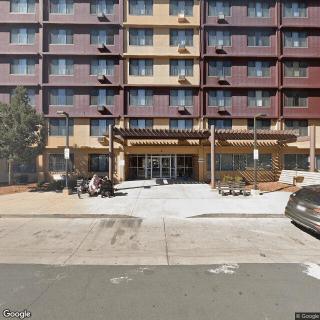
394 Nome Street, Aurora, CO 80010
For more information about senior living options: (866) 208-4318
Magnolia Place Assisted Living Costs & Pricing
Magnolia Place Assisted Living offers competitive pricing for its residents compared to the broader market in Denver County and Colorado as a whole. For semi-private accommodations, Magnolia Place charges $2,800 per month, significantly lower than the county average of $3,950 and the state average of $4,009. Similarly, for private rooms, Magnolia Place's rate of $4,500 remains affordable when juxtaposed with Denver County's average of $4,178 and Colorado's state-wide figure of $4,142. This pricing strategy not only makes Magnolia Place a financially attractive option for families seeking assisted living services but also reflects its commitment to providing quality care at a reasonable cost.
| Floor plans | Magnolia Place Assisted Living | Denver County | Colorado |
|---|---|---|---|
| Semi-Private | $2,800 | $3,950 | $4,008 |
| Private | $4,500 | $4,178 | $4,142 |
Assisted Living communities with a similar price nearby
-
from +$200 / mo

A Loving Hand Assisted Living
$3,000 / month5.5 miles away -
from +$100 / mo
Rose Of Sharon Weaver Assisted Living
$2,900 to $4,000 / month9.2 miles away -
from -$550 / mo
Assisted Living At The Woodlands
$2,250 to $2,500 / month23.4 miles away -
from -$330 / mo

Someren Glen Retirement Community
$2,470 to $3,975 / month9.8 miles away -
from +$200 / mo
Meadow Vista Assisted Living At Walden
$3,000 to $3,500 / month15.6 miles away
Overall Review of Magnolia Place Assisted Living
Pros
 Magnolia Place felt very homey.
- The staff was really friendly.
- The food was good.
Cons
 The place was not a good place.
- There was an older man there who spoke only Spanish, while other residents had drug or alcohol issues.
- It felt homey but run-down.
- The rooms were minimal and undecorated, with a very small single about 10x10.
- The reviewer wasn’t highly impressed with the accommodations.
- There were no activities offered; everyone just sat around out back.
- Most residents spoke Spanish, and the reviewer couldn’t understand them, implying a language barrier and prejudice.
- Night-time help bells were often not answered.
Review
Magnolia Place Assisted Living in Aurora is best suited for seniors who want a small, homey environment and prioritize approachable, friendly staff over a polished, high-amenity setting. It is a fit for residents who can live with plain, straightforward accommodations, modest programming, and meals that cover basic needs without requiring elaborate activity schedules. Families seeking a budget-conscious option that accepts Medicare and offers a simple, no-frills daily rhythm will find this community aligns with those practical criteria.
Those who should consider alternatives include families looking for robust social programming, strong oversight, and consistent English-speaking interaction among staff and residents. The setting can be less welcoming for someone who requires frequent, reliable night-time assistance or who would benefit from a more English-centric milieu, given the language mix among residents. Additionally, families wanting sizable private space, a more modern aesthetic, or a structured schedule of activities may find Magnolia Place falls short of expectations.
On the plus side, the community delivers a warm, home-like ambiance and approachable staff. The straightforward, Medicare-accepting model helps with affordability and access to essential services, while the menu and ample food offerings provide reassurance that meals are available and varied enough to sustain daily routines. The general atmosphere feels comfortable for residents who value familiarity and a casual, neighborly pace, and staff friendliness can ease transitions for residents who may be shy or uncertain about new surroundings.
The drawbacks, however, are substantive and compound over time. Rooms are small and sparsely furnished, with a sense of being minimally appointed, a factor that can undermine dignity for residents who want a bit more personal space or decor. A broader concern is the mixing of residents with uiteen seeking histories; the presence of individuals with past drug or alcohol issues can shape the social dynamic in ways that require careful monitoring and clear expectations about safety and boundaries. More troubling are gaps in night-time responsiveness and perceived inattentiveness to alarms or call bells, which directly impinge on safety and peace of mind for families and residents alike. Activities, too, are not a clear priority, leaving residents who crave engagement sitting outdoors or in common areas without structured opportunities to socialize or stimulate routine.
In weighing the pros against the cons, the warmth of staff, the Medicare pathway, and dependable meals do not fully compensate for the consistency and safety gaps or the limited, porous social programming. The appeal of a homey setting can be outweighed by the risk of isolation, unaddressed needs, and uneven attention during the night. For families who cannot tolerate uncertain call-response times, or who seek a more inclusive English-speaking environment with richer activities and larger, more comfortable living spaces, Magnolia Place will likely fall short of expectations. The decision hinges on prioritizing a simple, low-cost base experience versus the assurance of stronger oversight, more robust social programs, and a more expansive, modern setting.
For families pursuing Magnolia Place anyway, a focused due diligence plan is essential. Ask pointed questions about actual call-bell response times, night-shift coverage, and what safeguards exist when alarms are triggered. Seek details on available activities, frequency of outings, and how residents’ language needs are met in daily care planning. Inspect room size and lighting, storage, and the potential for modest personalization to improve dignity and comfort. Finally, speak with current residents or families to gauge consistency in supervision and the overall social atmosphere. If these assurances are not compelling, or if safety and engagement are non-negotiables, exploring nearby communities with stronger programming and bilingual staff may be the prudent next step.
 9 resident community capacity
 Assisted Living
 Board and Care Home
 Respite Care
 Cats allowed
 Dogs allowed
 Cable or satellite TV
 Dining room
 Fully furnished
 Garden
 Housekeeping services
 Move-in coordination
 Outdoor space
 Private
 Telephone
 Wi-Fi/high-speed internet available
 Denver International (14 miles away)
 24-hour supervision
 Activities of daily living assistance
 Assistance with bathing
 Assistance with dressing
 Assistance with transfers
 Diabetes diet
 Meal preparation and service
 Medication management
 Special dietary restrictions
 Transportation arrangement (medical)
 Transportation to doctors appointments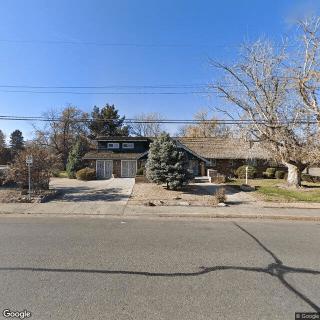

 Comprehensive Insights into Activities of Daily Living (ADLs) and Their Assessment
 Guiding Elderly Parents Who Refuse Assisted Living: 6 Practical Steps
 Your Comprehensive Guide to Luxury Assisted Living: Elevated Facilities, Amenities, and Costs