
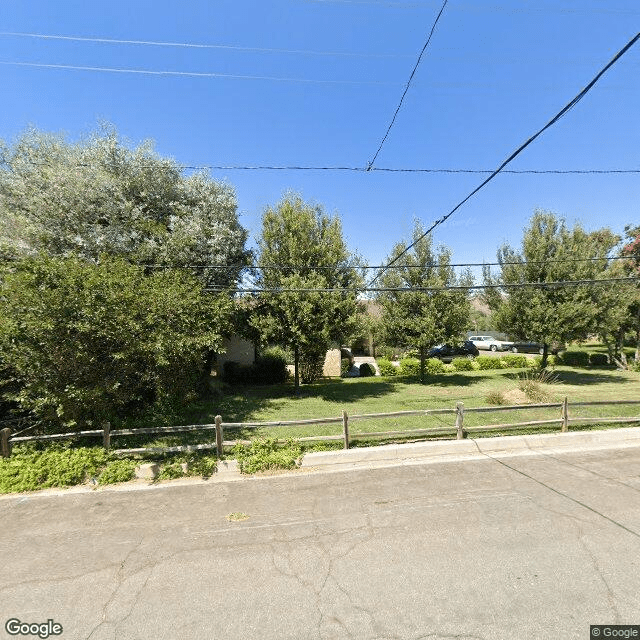
34034 Nebraska Lane, Yucaipa, CA 92399
For more information about senior living options: (866) 208-4318
Holy Hill Home Care East Costs & Pricing
Holy Hill Home Care East provides a range of accommodation options at competitive pricing compared to the broader market in San Bernardino County and across California. For private rooms, residents can expect to pay $2,200 per month, significantly lower than the county average of $3,561 and the state average of $3,939. In contrast, semi-private rooms at Holy Hill are priced at $4,225, which exceeds the county's lower rate of $2,958 but remains more economical than California's average of $3,333. The facility offers studio apartments at $4,625 - again higher than the county's average of $3,455 yet still in line with California's rates averaging around $4,145. Lastly, for one-bedroom units priced at $4,800, Holy Hill stands above both the county and state averages (which are approximately $3,548 and $4,340 respectively). Overall, while some rates may be higher for shared accommodations compared to local averages, Holy Hill Home Care East generally offers enticing options for private living arrangements that reflect thoughtful affordability in a competitive landscape.
| Floor plans | Holy Hill Home Care East | San Bernardino County | California |
|---|---|---|---|
| Private | $2,200 | $3,561 | $3,939 |
| Semi-Private | $4,225 | $2,958 | $3,333 |
| Studio | $4,625 | $3,455 | $4,145 |
| 1 Bedroom | $4,800 | $3,548 | $4,340 |
Assisted Living communities with a similar price nearby
-
from +$300 / mo
Valley Spring Elderly Care
$2,500 to $3,000 / month13.5 miles away -
from -$200 / mo
Milam Manor
$2,000 to $3,600 / month12.0 miles away -
from +$300 / mo
Golden Horizon Home I
$2,500 to $2,800 / month20.9 miles away -
from +$300 / mo
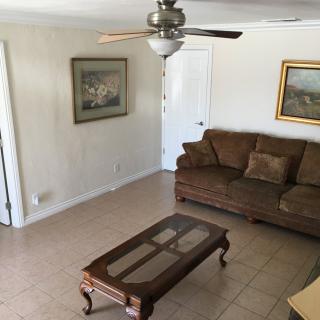
Center Plaza Senior Living
$2,500 to $4,600 / month16.1 miles away -
from +$400 / mo
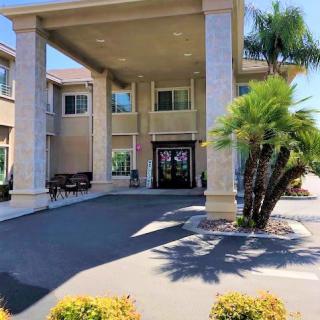
Villas At San Bernardino
$2,600 to $4,350 / month16.2 miles away
Overall Review of Holy Hill Home Care East
Pros
 Holy Hill Home Care East is a clean, roomy home with little clutter.
- The owner/operator is open and friendly.
- The home is beautiful and is loved by its residents, and Mary is awesome.
- Mary’s energetic, outgoing personality endears her to the patients and she interacts well with residents.
- The staff is absolutely wonderful, very attentive, and caring.
- Mary and Nick are outstanding and provide care that goes above and beyond.
- The family environment at Holy Hill fosters happiness and a sense of belonging for residents.
- Holy Hill offers outstanding service and relief for families, with a caring, supportive team.
Cons
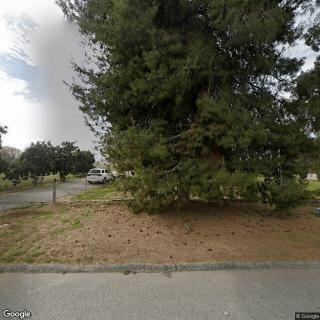
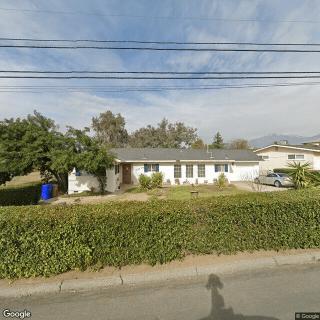
 It didn't look all that inviting from the outside.
- The rooms were very small.
- There was no outside help.
Review
Holy Hill East is a best-fit match for families seeking a true home-like atmosphere where a dedicated family leads daily life with residents. This community excels for seniors who want intimate, personalized attention, meaningful daily engagement, and a strong sense of belonging. It suits someone who thrives on close relationships with caregivers, appreciates warmth from a small, family-run operation, and is comfortable with a compact, house-like setting rather than a campus feel. For a resident who values predictable routines, a close community, and advocacy from the owners, this is a compelling choice.
Those who should consider alternatives are those prioritizing privacy, larger private rooms, a wider range of on-site activities, or formal clinical oversight. The layout is compact: two rooms share a bathroom, and the rooms themselves are small. The home operates as one house with the family at the helm, and there is little indication of external staff support or expansive programming. For families seeking a more institutional feel, more expansive amenities, or greater scalability in staffing, a larger assisted living or memory-care campus will likely be a better fit.
The strongest positives center on care as a personal, family-driven service. Cleanliness and a clutter-free, open living area set a reassuring tone, with a large TV room and adjoining kitchen that foster socialization. The owner-operator, Mary, and her husband project a hands-on, genuinely caring approach that residents visibly respond to. The anecdotes about Mary’s energy and interaction style underscore a care ethos built on advocacy, connection, and daily involvement, qualities that translate into meaningful improvements in resident mood and engagement. Instances where a resident was taken off sleep-inducing medications and integrated into a family-like routine illustrate how the setting can produce tangible quality-of-life gains when the care team is highly invested.
The family atmosphere also shows up in the way residents are allowed to contribute and participate. Stories of helping with chores, forming bonds with younger residents, and being treated as part of a caring unit highlight a purpose-driven daily life that many seniors crave. This model tends to reduce isolation and fosters dignity through active participation. The owners’ willingness to check on residents during illnesses and to stay closely connected with families strengthens trust and reduces the anxiety families often feel when a loved one moves into care. In short, the pros translate into real emotional and practical benefits that can offset the constraints of a small home setting.
However, the drawback of intimate, family-led care is the limited scale and structure. Small rooms, the sharing of bathrooms, and the fact that the operation centers on a single family mean fewer competing activities, fewer staff-on-duty hours, and less anonymous, professional oversight. For some, that translates into a trade-off: the comfort and advocacy of a known caregiver versus the predictability and breadth of services found in larger facilities. Exterior appearance may not signal the depth of care inside, which can require a deliberate visit to assess whether the warmth matches the day-to-day reality. Prospective residents should weigh the personal chemistry with Mary and her team against the desire for more formalized programming and broader resource access.
In decision terms, Holy Hill East is advisable for families who prize authentic connection, highly responsive advocacy, and a home environment where residents are treated like family members. It shines when the priority is emotional well-being, purposeful daily tasks, and a caregiver-led culture that can adapt quickly to individual needs. Those whose criteria center on spacious private rooms, structured activity schedules, or robust on-site clinical staffing should actively explore alternatives and compare. A practical next step is to visit, meet Mary and the husband, observe daily interactions, and tour available rooms. Ask about current resident schedules, exact care routines, and what emergency coverage looks like, then map those answers against personal privacy preferences and program expectations to make a clear, informed choice.
 6 resident community capacity
 Assisted Living
 Board and Care Home
 Respite Care
 Cable or satellite TV
 Dining room
 Fully furnished
 Garden
 Housekeeping services
 Move-in coordination
 Outdoor space
 Private
 Private bathrooms
 Telephone
 Wi-Fi/high-speed internet available
 24-hour supervision
 Activities of daily living assistance
 Assistance with bathing
 Assistance with dressing
 Assistance with transfers
 Diabetes diet
 Diabetic care
 High acuity care
 Meal preparation and service
 Medication management
 Special dietary restrictions
 Transportation arrangement (medical)
 Transportation to doctors appointments

 Assisted Living Support for Veterans: A Complete and Detailed Overview
 Exploring the Contrasts Between Assisted Living and Skilled Nursing
 8 Key Indicators That Suggest It May Be Time to Transition from Assisted Living to Skilled Nursing Care