
13131 6th Pl # 1, Yucaipa, CA 92399
To contact a resident: (909) 795-2117
For more information about senior living options: (866) 208-4318
Overall Review of Blanford House
Cons
 It is not a mental health office or clinic.
- It is a live-in facility for DD clients.
- They do not take walk-ins.
Review
Blanford House in Yucaipa, CA appears best suited for adults with developmental disabilities who need a steady, supervised living arrangement and can work with a scheduled admission process rather than spontaneous or walk-in visits. The facility is described explicitly as a live-in environment for DD clients, not a mental health office or clinic, which signals a focus on long-term residential care rather than outpatient or crisis services. Families seeking a place with predictable routines and around-the-clock oversight may find this model appealing, provided they understand the intake framework is not walk-in friendly.
Those who may want to consider alternatives are families needing flexible intake or robust on-demand clinical support. If immediate placement is a priority, or if the resident requires strong behavioral health crisis response, other licensed residential programs, adult foster care options, or facilities with open admissions policies could be a better match. For families seeking stronger integration with mental health services, or facilities that routinely accommodate urgent or short-notice transitions, Blanford House may fall short.
The limited data available points to a few implicit strengths. A live-in setup typically implies around-the-clock supervision and a structured daily routine, which can translate into better safety and consistency for residents who benefit from predictable environments. The targeted DD focus also suggests care plans tailored to developmental disability needs rather than generalized senior care. These potential advantages can provide stability and continuity that families value when seeking long-term housing rather than temporary placement.
On the downside, the explicit admission reality, no walk-ins, creates a clear barrier for families who are still exploring options or who must respond quickly to changing care needs. The rating, 2.5 from two reviews, indicates mixed or limited satisfaction with the community, and the sparse feedback leaves important questions about how care is actually delivered, how staff interact with residents, and how responsive the program is to family concerns. Without more detailed, independent impressions, concerns about day-to-day quality and oversight remain legitimate considerations for any decision-maker.
In weighing pros and cons, the decisive factor is alignment with care goals. If the priority is a stable, specialized residential environment for adults with developmental disabilities and a willingness to navigate a scheduled admission process, Blanford House can offer predictable structure that supports continuity of care. If, instead, the family needs flexible intake, immediate placement, or integrated mental health services, the cons strongly tilt toward alternatives. Pros do not erase the friction of non-walk-in admissions; they offset only when stability and DD-specific focus are the overriding objectives.
For families seriously evaluating this option, concrete next steps are essential. Schedule a visit, request a clear, written description of services, staffing ratios, and daily routines; ask how medical and behavioral supports are coordinated and who handles emergencies after hours. Verify licensing status and inspect how individualized care plans are developed and updated. Simultaneously compare nearby residential options that offer open admissions or stronger mental health integration, and consult with county developmental services or a case manager to benchmark expectations against other DD-friendly communities in the region. This approach ensures a decision grounded in practicality, not impression, and aligns choices with the residentā€™s highest-priority needs.
 Board and Care Home
 Family-run, attentive care in a warm, home-like environment.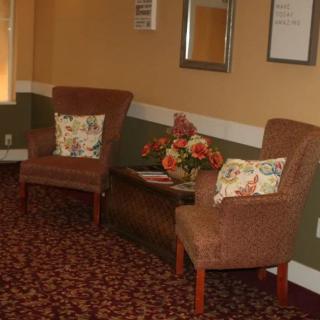






 Senior Move Management: Understanding the Role, Value, and Associated Costs
 Weight Training for Seniors: Building Strength and Vitality
 Understanding the Sandwich Generation: Stress and Responsibilities for Multigenerational Caregivers