

33176 Colorado Street, Yucaipa, CA 92399
For more information about senior living options: (866) 208-4318
Yucaipa Valley Board & Care Costs & Pricing
Yucaipa Valley Board & Care offers an attractive monthly rate of $1,800 for private rooms, significantly below both the San Bernardino County average of $3,561 and the broader California state average of $3,939. This competitive pricing positions Yucaipa Valley as a cost-effective option for individuals seeking quality care without compromising on comfort or services. By providing affordable accommodations in a supportive environment, they not only meet the needs of their residents but also alleviate some financial burdens that families often face when considering long-term care options.
| Floor plans | Yucaipa Valley Board & Care | San Bernardino County | California |
|---|---|---|---|
| Private | $1,800 | $3,561 | $3,939 |
Assisted Living communities with a similar price nearby
-
from +$200 / mo

Milam Manor
$2,000 to $3,600 / month10.9 miles away -
from +$200 / mo
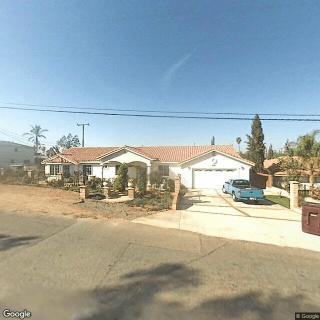
For His Glory Premium Senior Care Home
$2,000 to $2,800 / month19.2 miles away -
from +$200 / mo
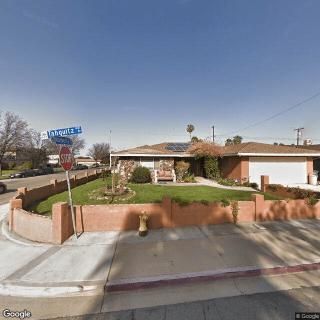
Maisey's Guest Home
$2,000 to $2,400 / month20.1 miles away -
from -$100 / mo

Light's Rancho Linda
$1,700 to $2,000 / month16.3 miles away -
from +$188 / mo

Sun City Gardens
$1,988 to $3,291 / month22.4 miles away
Overall Review of Yucaipa Valley Board & Care
Pros
 They are caring and wonderful people.
- The staff took very good care of the resident.
- Daniella and Annie provide excellent care and attention to residents.
- They are amazing people who show the utmost respect for families.
- The care at Yucaipa Valley Board & Care is excellent.
- The facility ensures residents are safe, loved, and happy.
Cons
 It was a nightmare for her at two facilities before Yucaipa Valley Board & Care.
- Her care was horrible at those facilities.
- Her care was declining.
- The facilities kept raising her costs.
Review
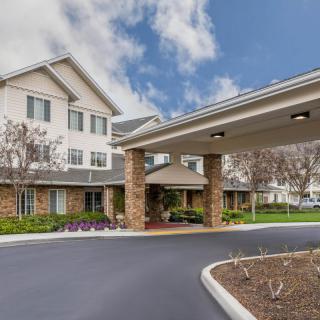
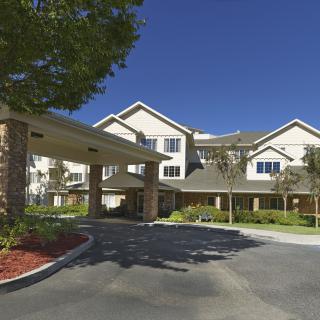
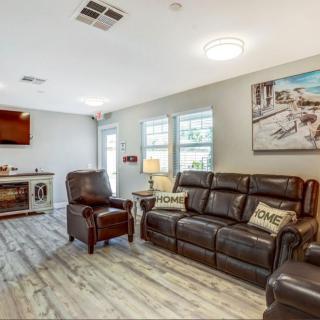
Yucaipa Valley Board & Care is best suited for families seeking a tightly knit, home-style senior living option where a resident’s daily life is guided by attentive, hands-on caregivers rather than a large, impersonal campus. This community excels for seniors who value genuine relationships, a calm environment, and the reassurance that someone is watching over them with respect and warmth. The strongest fit is for those who want to stay close to family while avoiding the feel of a hospital or facility-driven setting. In practice, the care is judged by outcomes: residents feel safe, loved, and able to remain content in a familiar, intimate setting rather than navigating a larger labyrinth of services. The tone conveyed by families is one of relief and gratitude when a loved one finally receives the consistent, respectful care they deserve.
Those who may want to consider alternatives are clear: anyone who requires advanced clinical oversight, highly specialized memory care, or a broader menu of on-site amenities and activities typical of larger assisted living campuses. If 24/7 medical supervision, robust rehab services, or a structured program designed for complex cognitive needs is non-negotiable, a bigger facility with a formal memory-care wing or skilled-nursing capability will likely be a better match. Families should also weigh the desire for a more expansive social calendar and program breadth, which may be more pronounced in larger communities. In short, for residents whose needs lie primarily in consistent daily support, safety, and companionship, this house-like model shines; for those with higher medical or memory-care demands, alternatives deserve careful comparison.
The core advantages revolve around personal attention, staff reliability, and a homey atmosphere that translates into tangible peace of mind for families. Reviewers repeatedly commend Daniella and Annie for their kindness, respect, and hands-on care, noting that these caregivers treat residents with dignity and genuine warmth. The outcome is not just comfort but a sense of safety, families describe feeling assured that their loved ones are safe, respected, and seriously cared for each day. This focus on emotional well-being complements practical needs, turning potential anxiety about “home care” into confidence that a loved one is thriving in a supportive environment. When a parent or spouse has lived with the fear of not staying at home, the relief of finding a place where care is both competent and compassionate becomes a decisive factor. The upshot is measurable in day-to-day quality of life: residents are described as safe, happy, and well-integrated into a small community.
From a decision-making perspective, the standout value is the combination of reliable, respectful caregiving with a cost-conscious, intimate setting. Family members report a transformation from prior experiences at other facilities, where care declined and costs rose, to a place where attention does not wane and needs are addressed promptly. That contrast matters: when care feels personal and consistent, the emotional burden on families eases, and the resident’s emotional and physical comfort can improve notably. The caveat for those evaluating later stages of care or more intensive medical needs remains the same as with any small-board home: confirm the exact level of medical oversight, the availability of 24/7 supervision, and the anticipated flow of service if a resident’s condition evolves. The offset is clear, the warmth, respect, and daily attentiveness described by families can compensate for a lack of large-scale clinical infrastructure, provided expectations are aligned with the setting.
For families considering a visit, practical questions should drive the decision: who will be the primary caregivers for the resident’s day-to-day needs, what is the staff-to-resident ratio at various times, and how are medical issues coordinated with external providers? Ask to meet the caregivers who will interact with the loved one, review a typical daily routine, and request examples of how transitions, such as dietary changes, mobility assistance, or sleep patterns, are managed. It is also wise to discuss flexibility: how does the community handle evolving care requirements, and what is the process for adjusting care plans without disruption? These conversations, paired with firsthand impressions from other families, will illuminate whether this intimate, people-first model truly aligns with the resident’s needs.
In the end, Yucaipa Valley Board & Care stands out as a compelling option for families prioritizing warmth, personal attention, and a home-like environment where residents are treated with noticeably high levels of respect and kindness. It is especially well-suited for seniors who thrive on daily companionship, predictable routines, and the comfort of a small, closely knit staff that knows each resident by name. Those whose needs are more complex or who require extensive medical or cognitive programming should thoughtfully compare with larger facilities that can offer more comprehensive clinical services. For eligible residents and their families, the recommendation is to pursue a visit with questions ready, observe how staff interact with residents, and assess whether the emotional and practical benefits align with long-term goals. When alignment exists, Yucaipa Valley Board & Care delivers a choice that feels less like institutional care and more like a sustainable, compassionate home.
 5 resident community capacity
 Assisted Living
 Board and Care Home
 Activities off-site
 Cable or satellite TV
 Devotional services on-site
 Dining room
 Fully furnished
 Garden
 Housekeeping services
 Move-in coordination
 Outdoor space
 Private
 Telephone
 Wi-Fi/high-speed internet available
 24-hour supervision
 Assistance with bathing
 Assistance with dressing
 Assistance with transfers
 Diabetes diet
 Meal preparation and service
 Medication management
 Special dietary restrictions
 Transportation arrangement (medical)
 Transportation to doctors appointments

 Choosing the Right Senior Care: A Detailed Exploration of Assisted Living and Nursing Homes
 Understanding the True Cost of Assisted Living in 2025: A Comprehensive Guide
 Understanding Medicaid Coverage for Assisted Living: A Comprehensive Guide