
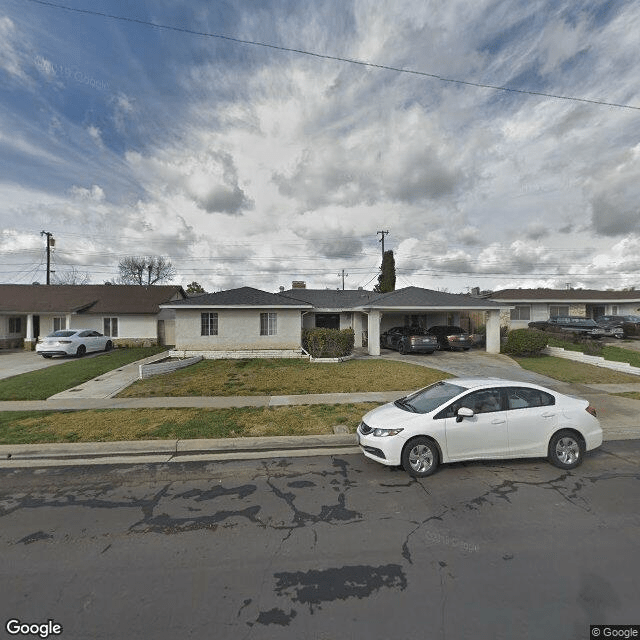
4821 Torida Way, Yorba Linda, CA 92886
For more information about senior living options: (866) 208-4318
Agape Senior Living Costs & Pricing
Agape Senior Living offers competitive pricing for its services, providing residents with an array of living options designed to meet their needs. For a private room, the cost is $3,800 per month, which is notably lower than the average rate in Orange County at $4,104 and exceeds the state average of $3,939. Similarly, the 1-bedroom option is priced at $4,500 per month, slightly above the local market rate of $4,380 but still within reach compared to California's overall average of $4,340. These rates reflect Agape Senior Living's commitment to delivering quality care while maintaining affordability in comparison to its regional counterparts.
| Floor plans | Agape Senior Living | Orange County | California |
|---|---|---|---|
| Private | $3,800 | $4,104 | $3,939 |
| 1 Bedroom | $4,500 | $4,380 | $4,340 |
Memory care communities with a similar price nearby
-
from +$195 / mo

Cadence Brea
$3,995 to $5,500 / month3.6 miles away -
from -$200 / mo

Genesis Manor VI
$3,600 to $4,200 / month21.3 miles away -
from -$300 / mo
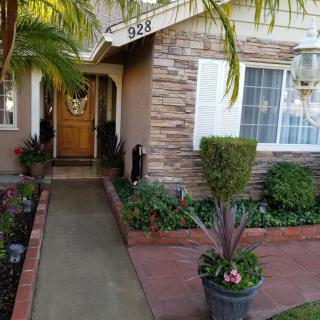
Comfort Keepers Home Care
$3,500 to $6,500 / month4.7 miles away -
from +$700 / mo
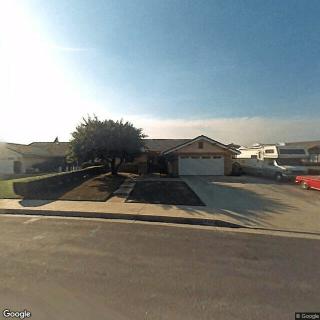
Heritage Senior Home Care
$4,500 to $4,800 / month15.5 miles away -
from +$700 / mo
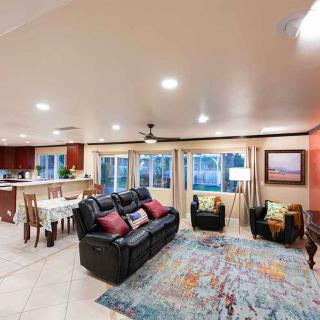
Casa Bella
$4,500 / month3.8 miles away
Overall Review of Agape Senior Living
Pros
 The owner is very responsive and willing to work with customers.
- They have been really good.
- Customers are pretty happy with them so far.
- They are hosting a birthday party for a couple of the ladies, and attendees plan to attend.
- There are no major complaints at this time.
- The reviewer would rate them a five.
Review
Agape Senior Living in Yorba Linda is best suited for families seeking a compact, owner-operated approach to assisted living, where decisions are made quickly and leadership remains visible. The model appears hands-on, with the owner directly handling problem-solving and adjustments rather than routing requests through multiple layers. Residents benefit from a sense that leadership knows the community and can respond to individual needs. Social vitality shows up in activities like birthday celebrations, suggesting a warm, engaged environment. For families who value flexible arrangements, prompt communication, and a palpable sense of personal attention, this community stands out as a strong match.
Those with higher care needs, such as memory care requirements, skilled nursing oversight, or a need for a formal, expansive care continuum, should explicitly compare options. The limited reviews convey happiness and smooth handling, but there is no detail about 24/7 nursing, clinical oversight, or specialized programs. Budget considerations matter as well; while the owner-driven model can be nimble on pricing and terms, clarity on what is included versus what costs extra is essential. Families seeking a large, well-resourced campus with broad medical and therapeutic services may want to examine bigger operators to ensure every potential need is covered on site.
The strongest upside lies in the owner’s responsiveness and willingness to work with families. Direct access to leadership often translates into faster adjustments to care plans, scheduling, and billing explanations, reducing friction during transitions. The positive tone in observed interactions, residents appearing engaged, and a social, party-friendly atmosphere, points to a nurturing, person-centered setting. In practice, that combination can more effectively address the core desires of comfort, autonomy, and belonging than a more impersonal operation, offsetting the absence of the most elaborate facilities. For families prioritizing reliable communication and adaptable management, these advantages carry substantial weight.
Yet there is a cautionary note born from the brevity of the data. Only two five-star reviews form the basis of the impression, and no explicit drawbacks are documented. That means prospective families should actively verify dimensions not described here: exact levels of care offered, staffing ratios, meal quality, transportation options, daily schedules, and how care plans are developed and updated. The positive signals nonetheless suggest a culture of responsiveness that does not appear optional. If quick problem-solving and flexible arrangements are non-negotiables, this is a compelling factor to test in person.
To determine fit, schedule a thorough visit and prepare a focused checklist. Request a meet-and-greet with the owner and direct care staff, and observe how staff interact with residents and families. Ask for a sample care plan and a breakdown of services included in the base rate versus addons. Inquire about respite stays, tenancy terms, and how long the current owner has managed the community. Verify licensing, safety records, and incident reporting practices. Finally, tour the dining and common areas to assess whether meals and activities align with the resident’s preferences and daily rhythm.
Overall, Agape Senior Living presents a compelling option for Yorba Linda families who prize a personal touch, quick responsiveness, and social engagement. The owner-driven model can translate into meaningful flexibility when needs shift, and the celebration-focused environment indicates residents are known and valued. However, the limited public data means prudent, hands-on evaluation is essential, especially for those with complex medical needs or a preference for a broader care ecosystem. If these criteria align, Agape Senior Living deserves serious consideration; for others, it remains wise to compare alternatives to ensure the best alignment of care, cost, and community fit.
 6 resident community capacity
 1-bedroom apartments
 Assisted Living
 Board and Care Home
 Memory Care
 Respite Care
 Activities on-site
 Air-conditioning
 Beautician on-site
 Cable or satellite TV
 Devotional services off-site
 Dining room
 Fully furnished
 Garden
 Housekeeping services
 Indoor common areas
 Move-in coordination
 Outdoor common areas
 Private
 Private bathrooms
 Telephone
 Wheelchair accessible showers
 Wi-Fi/high-speed internet available
 John Wayne Orange Co (15 miles away)
 24-hour supervision
 Assistance with bathing
 Assistance with dressing
 Assistance with transfers
 Diabetes diet
 Diabetic care
 High acuity care
 Incontinence care
 Meal preparation and service
 Medication management
 Special dietary restrictions
 Transportation arrangement (medical)
 Transportation to doctors appointments
 BBQs or picnics
 Birthday parties
 Brain fitness
 Live dance or theater performances
 Live musical performances
 Stretching classes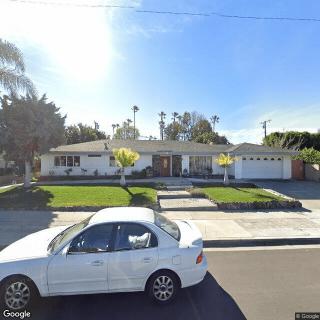


 An In-Depth Look at Reminiscence Therapy in Dementia Care
 Dementia-Related Hallucinations: Causes, Experiences, and Practical Approaches
 Illuminating Insights About Alzheimer's Disease: Ten Crucial Realities