
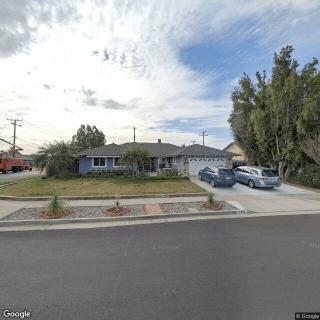
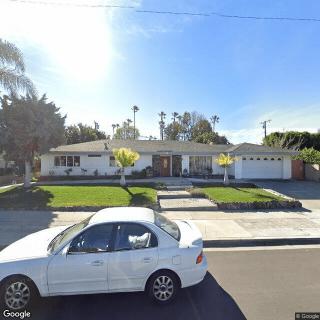
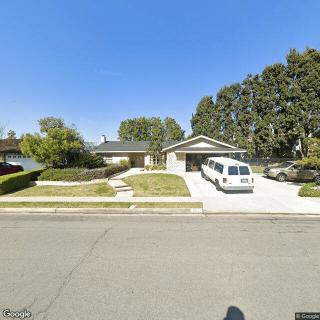
1261 Montevideo Avenue, Placentia, CA 92870
For more information about senior living options: (866) 208-4318
Overall Review of In R Great Hands - Montevideo
Pros
 The staff are friendly, down to earth, and treat residents like family.
- The facility is clean and well maintained with updated rooms.
- The meals look delicious and are reportedly enjoyed by residents.
- The home offers a variety of senior-friendly activities that keep residents engaged.
- Families feel confident that their loved ones are receiving quality, attentive care.
- The staff communicate consistently with families and medical teams.
- The environment feels warm, welcoming, and home-like.
- Safety protocols are followed to maintain a secure living environment.
- The overall impression is caring, compassionate, and trustworthy.
Cons
 The reviewer felt that In R Great Hands Montevideo is “just a house” and not a real care facility.
- They didn’t get a good vibe during the visit.
- It seemed rundown and not very clean.
- There was an odor of food because staff were eating when they arrived.
- It appeared a little lackluster overall.
- There were only two staff members present at times, which raised concerns about care.
- The reviewer alleged neglect, recounting that a caregiver denied a bathroom request and left the spouse wearing two diapers.
Review
In R Great Hands - Montevideo in Placentia, CA is best suited for families seeking a warm, home-like setting where residents are treated as family and daily life centers on personal attention and social engagement. This community shines for seniors who want a calm, intimate atmosphere, direct access to owners and a consistently caring staff, and who value home-cooked meals, routine activities, and strong family communication. It is less appropriate for those needing a highly clinical, institutional feel or around-the-clock medical oversight with large staff pavements and formal medical protocols.
The strongest positives center on the human touch and the sense of belonging. The home environment is clean, with updated rooms and accessible layouts that accommodate needs related to aging or disability. Residents can move freely in a patio-centered layout and participate in a broad slate of activities, from puzzles and dancing to gentle exercises. Food is consistently praised, and families report that staff are personable, patient, and genuinely invested in residents’ happiness. Open lines of communication with families are a hallmark, with owners and caregivers often going the extra mile to share photos, updates, and progress, which reinforces trust and peace of mind.
Yet there are meaningful caveats to weigh. A small subset of reviews describe moments that raise red flags: at least one visit felt the setting was rundown and not optimally clean, while another account recounted a serious care lapse that led to troubling health consequences. Collectively, these concerns point to a staffing dynamic that can be fragile in practice, two or three caregivers on duty at times may limit responsiveness for residents with higher needs. This is not a universal verdict, but it is a reality families should verify up front, especially regarding supervision on evenings, weekends, and during med-passings.
Those pros significantly offset the cons when the resident’s priorities align with the setting’s strengths. For families who prize intimate, relationship-driven care and a community that treats elders like neighbors and friends, the warmth, dependable routines, and robust social programming can translate into consistent daytime happiness and meaningful engagement. The home-like ambiance, transparent communication with families, and strong meal service reinforce a sense of dignity and belonging that larger, more clinical facilities often struggle to cultivate. In this light, the risk of staffing gaps is manageable if the care needs stay commensurate with the home’s capacity and if the family maintains proactive, regular check-ins.
For families evaluating alternatives, this is a facility that benefits from a clear set of questions. Probe current staffing ratios by shift, and confirm that there are clear procedures for urgent care, medication administration, and changes in medical status. Ask about memory-care support and how daily activities are tailored to individual abilities and limitations. Request recent menus and talk to current families about the consistency of meals and the level of social programming. Seek concrete references, and verify how owners participate in ongoing care planning and communications. If possible, arrange an extended visit during a typical week to observe how staff respond to routine tasks and how residents interact with one another.
Ultimately, the decision should hinge on fit and risk tolerance. In R Great Hands - Montevideo delivers a compelling blend of homey charm, personal attention, and active living that works exceptionally well for seniors who want companionship, dignity, and a community that feels like home. It is not the right fit for those requiring robust clinical oversight or for families uneasy about the potential for staffing variability. For the right resident, with moderate care needs and a preference for a warm, townhome-like environment, this community offers meaningful peace of mind and daily life that can feel truly like a second family.
 6 resident community capacity
 Assisted Living
 Cable or satellite TV
 Dining room
 Fully furnished
 Garden
 Housekeeping services
 Move-in coordination
 Outdoor space
 Respite or short term stays offered
 Telephone
 Wi-Fi/high-speed internet available
 John Wayne Orange Co (15 miles away)
 24-hour supervision
 Activities of daily living assistance
 Assistance with bathing
 Assistance with dressing
 Assistance with transfers
 Diabetes diet
 Meal preparation and service
 Medication management
 Special dietary restrictions
 Transportation arrangement (medical)
 Transportation to doctors appointments



 Comprehensive Supportive Living Arrangements for Adults with Disabilities
 Funding and Affording Assisted Living: A Thorough Overview
 Assisted Living Expenses and Long-Term Care Insurance: A Comprehensive Exploration