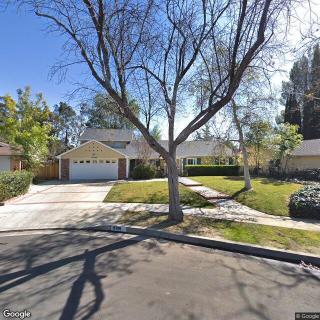
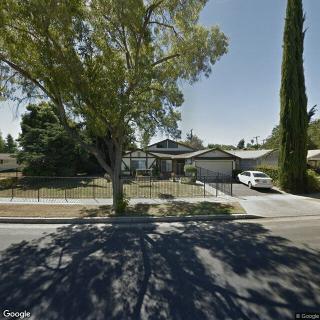
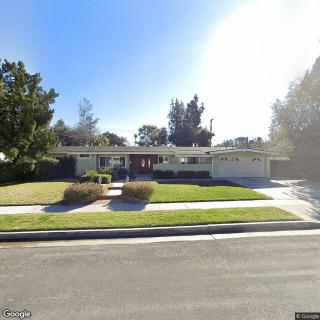
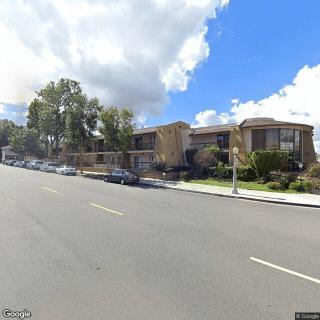
4th Generation Place

23259 Victory Boulevard, West Hills, CA 91307

For more information about senior living options: (844) 490-3973

4.7 from 51 reviews
5 stars
45
4 stars
2
3 stars
1
2 stars
0
1 stars
3

Assisted Living Board and Care Home Memory Care

What level of care are you interested in?

Assisted Living

Memory Care

Independent Living

Skilled Nursing Facility

Continuing Care Retirement Community (CCRC)CCRC

Other


Request a tour at 4th Generation Place

    Overall Review of 4th Generation Place

    Pros

    • pro The facility provides parking options that reduce stress for visiting families during peak hours.
    • pro The entertainment calendar offers diverse options that cater to residents of varying abilities.
    • pro The facility's location provides convenient access for regular visits in a quiet neighborhood setting away from heavy traffic.
    • pro The community offers emotional support and social connections that enhance residents' wellbeing.
    • pro Management reinvests in the facility, prioritizing resident care quality.
    • pro The staff are friendly and treat residents like family.
    • pro Administration communicates transparently about menu changes and staffing updates, keeping families informed and building trust.
    • pro The memory care program includes family education on dementia progression and effective communication strategies.
    • pro Memory care employs validation therapy and redirection to maintain dignity and reduce agitation.
    • pro The facility provides a very friendly staff and a clean, peaceful environment that supports residents' well-being.
    • pro Josie maintains a spotless environment while preserving residents' routines and hygiene.
    • pro The facility has wonderful staff, with leaders like Chris providing attentive care and engaging activities.
    • pro The memory care program includes cognitive exercises and sensory activities to maintain abilities and provide comfort.
    • pro A range of therapies, including music and animal-assisted activities, engages residents.
    • pro The community welcomes new residents warmly and encourages social engagement.

    Cons

    • pro The exceptional approach to memory care includes family education helping us understand dementia's progression and communication strategies that work which empowers us to have better visits and maintain connections despite cognitive decline affecting our loved ones significantly unfortunately!
    • pro Mom's quality of life improved dramatically here with constant activities keeping her engaged rather than isolated like before unfortunately.
    • pro The wonderful activities available seven days a week mean residents always have engagement opportunities from structured programs to casual social time preventing the isolation and boredom that often plague elderly individuals in care facilities unfortunately.

    Review

    West Hills Assisted Living stands out as a thoughtfully designed community where convenience, engagement, and care come together to create a calm, welcoming home for residents and peace of mind for families. Visitors consistently find parking convenient and stress-free, even during peak visiting hours, thanks to well-organized options that make coming and going simple. The facility's entertainment calendar is robust and varied, ensuring that every resident, regardless of physical or cognitive limitations, has meaningful activities to look forward to each day. Nestled in a quiet neighborhood away from heavy traffic, the location itself supports regular visits without the bustle of downtown life.

    Inside the community, there is a clear emphasis on a homey atmosphere and meaningful social connections. Reviews repeatedly describe a setting that feels more like a warm, lived-in home than a sterile institution, with residents encouraged to maintain their routines and personal belongings. Families note that the environment fosters emotional well-being through constant engagement - an approach that many say helps residents feel included and valued. There is also a strong thread of continuous improvement, with management reinvesting in the facility to enhance comfort, safety, and aesthetics rather than pursuing profit at the expense of care quality.

    Administration and staff at West Hills are described as deeply caring and transparent. Families report that administration communicates openly about menu changes, staffing updates, and care plans, keeping relatives informed and involved even when they are not on-site. This level of transparency builds trust and provides real peace of mind during times when loved ones are away from home. Visitors repeatedly highlight the genuine, family-centered approach of the staff, who are praised for treating residents with dignity and respect - making every resident feel like part of a larger, supportive family.

    The memory care program is singled out as exceptional, combining both proven clinical approaches and family education. Staff work to educate families about dementia progression and effective communication strategies, empowering relatives to participate more confidently in visits. The program emphasizes validation therapy and redirection rather than arguing with residents who are confused, helping to reduce agitation and preserve dignity even when orientation may be challenging. In addition, the memory care unit offers specialized attention with activities designed to stimulate cognition and provide sensory comfort, including cognitive exercises and thoughtful programming that addresses the emotional needs of residents with memory impairment.

    Programming for all residents extends beyond memory care. A diverse array of therapy options, from music and arts to animal-assisted activities, provides multiple pathways for engagement based on individual interests and abilities. Gentle reminders from staff during activities and the daily schedule - ranging from exercise classes to holiday celebrations - help fight isolation and boredom and keep residents connected to their interests and memories. The facility even features specific programs like music therapy and pet visits that consistently bring joy and a sense of normalcy to residents, reinforcing the idea that care is comprehensive and person-centered.

    Personal stories from families underscore the tangible benefits of living at West Hills. One reviewer noted how a dad was welcomed immediately by other residents who invited him to join daily card games and conversations, illustrating the community's inclusive spirit. Parents speak of noticeable improvements in quality of life, with activities that keep loved ones engaged rather than isolated. Individual staff members receive special praise for going above and beyond - Chris, for example, is repeatedly highlighted for his attentive leadership and dedication to meeting residents' needs, while Mike accompanies his duties with energy and a commitment to ensuring every person is well cared for. Even the administrative team is described as exceptional, with clear, responsive communication and a welcoming front desk that makes families feel valued from the first visit.

    What emerges from these experiences is a picture of West Hills as a facility where excellent care is delivered through a combination of compassionate staffing, transparent leadership, and vibrant, inclusive programming. Families feel supported by an administration that provides regular updates on facility improvements and health changes, and they witness firsthand how thoughtful planning - such as regular building updates and safety enhancements - protects vulnerable residents. Ultimately, the community earns trust through consistent, practical actions: personal check-ins by staff, efficient handling of administrative tasks, and an environment that honors each resident's history and preferences. For families seeking a care setting where kindness, reliability, and a proactive approach to well-being come together, West Hills Assisted Living comes highly recommended.

    Features

    Housing

    • 22 resident community capacity 22 resident community capacity

    Types of Care

    • Assisted Living Assisted LivingAssisted living facilities provide crucial support and care for seniors who may need help with daily tasks such as medication management, bathing, and meal preparation. These communities offer a safe and comfortable environment where seniors can maintain their independence while receiving the assistance they need to thrive in their golden years.
    • Board and Care Home Board and Care HomeBoard and care homes provide a smaller, more intimate setting for seniors who require assistance with daily tasks but do not need the level of care offered by a nursing home. They offer personalized care, meals, and social activities in a homelike environment, ensuring that seniors receive individualized attention and support in their golden years.
    • Memory Care Memory CareMemory care is crucial for seniors as it provides specialized support and services for individuals with dementia or Alzheimer's disease. These programs offer a safe and secure environment where residents receive personalized care, cognitive stimulation, and help with daily activities. Memory care helps seniors maintain their independence, quality of life, and dignity while also providing peace of mind for their families.

    Amenities

    • Beauty salon Beauty salonBeauty salons are important for seniors because they provide a space for them to feel pampered, socialize, and maintain their personal grooming and hygiene. Regular visits to a beauty salon can help boost seniors' self-esteem and overall well-being.
    • Cable or satellite TV Cable or satellite TVCable or satellite TV is important for seniors because it provides entertainment, news, and companionship, helping to combat loneliness and boredom. It also offers a wide range of programming options tailored to different interests and preferences.
    • Dining room Dining roomDining rooms are important for seniors as they provide a space for socialization, connection, and nutritious meals. They offer opportunities for residents to bond over shared meals, foster a sense of community, and promote healthy eating habits. Dining rooms also ensure that seniors have access to well-balanced meals tailored to their dietary needs and preferences.
    • Fully furnished Fully furnishedFully furnished senior living communities are important for seniors because they provide convenience, comfort, and a hassle-free moving experience. Seniors can easily settle into their new living space without the stress of having to buy and move furniture. This allows them to focus on enjoying their new home and community.
    • Garden GardenGardens are important for seniors as they provide a peaceful and therapeutic environment for relaxation, physical activity, and socialization. Being in nature has been shown to reduce stress, improve mood, and promote overall well-being. Gardens also offer opportunities for seniors to engage in gardening activities, which can improve mobility, flexibility, and cognitive function. Additionally, gardens create a sense of community and connection with others who share a passion for plants and outdoor spaces.
    • Housekeeping services Housekeeping servicesHousekeeping services are important for seniors because they help maintain a clean and safe living environment, promote independence, and reduce the risk of accidents or illnesses. Additionally, having assistance with household chores can alleviate physical strain and allow seniors to focus on other aspects of their well-being.
    • Kitchenette KitchenetteKitchenettes are important for seniors living in senior living communities because they provide the convenience and independence of being able to prepare simple meals and snacks in the comfort of their own living space. This can help promote a sense of autonomy and well-being for seniors, allowing them to maintain some level of control over their dietary choices and daily routines.
    • Move-in coordination Move-in coordinationMove-in coordination is important for seniors because it helps ease the transition into their new living environment. It ensures that all logistics, such as packing, organizing movers, and setting up utilities are taken care of, allowing seniors to focus on settling in and adjusting to their new home. Having a smooth move-in process can alleviate stress and anxiety, making the transition smoother and more enjoyable for seniors.
    • Outdoor space Outdoor spaceOutdoor spaces are important for seniors as they provide opportunities for physical activity, social interaction, exposure to natural light and fresh air, and a sense of connection to nature. Having access to outdoor spaces can improve overall well-being and quality of life for older adults living in senior communities.
    • Telephone TelephoneTelephones are important for seniors as they provide a lifeline for communication with loved ones, emergency services, and healthcare providers. They offer a sense of security and independence, enabling seniors to stay connected and access assistance when needed.
    • Wi-Fi/high-speed internet available Wi-Fi/high-speed internet availableWi-Fi/high-speed internet is important for seniors to stay connected with loved ones, access online resources, and participate in virtual activities to combat feelings of loneliness and isolation. It also allows them to easily manage healthcare needs, access entertainment, and engage in lifelong learning opportunities.

    Transportation

    • Burbank-Glendale-Pasadena (16 miles away) Burbank-Glendale-Pasadena (16 miles away)
    • Los Angeles International (21 miles away) Los Angeles International (21 miles away)

    Care Services

    • 24-hour call system 24-hour call system24-hour call systems are important for seniors because they provide peace of mind and immediate assistance in case of emergencies. This technology ensures that help is always available, promoting safety and security for elderly individuals living alone or in assisted living facilities.
    • 24-hour supervision 24-hour supervision24-hour supervision is important for seniors to ensure their safety, well-being, and access to immediate assistance in case of emergencies or health issues. This constant support provides peace of mind for both seniors and their loved ones, allowing them to age in place with dignity and security.
    • Activities of daily living assistance Activities of daily living assistanceActivities of daily living assistance are important for seniors because they provide essential support with tasks such as eating, bathing, dressing, and mobility. This assistance helps seniors maintain their independence, dignity, and overall quality of life as they age.
    • Assistance with bathing Assistance with bathingAssistance with bathing is crucial for seniors as it helps maintain personal hygiene, prevents infections, and ensures their overall well-being and comfort. It also provides a sense of dignity and independence for seniors who may struggle with this task on their own.
    • Assistance with dressing Assistance with dressingAssistance with dressing is important for seniors because it helps maintain their independence, promotes personal hygiene, prevents accidents and injuries, and improves overall quality of life. This service ensures that seniors can continue to dress comfortably and confidently, despite any physical limitations they may have.
    • Assistance with transfers Assistance with transfersAssistance with transfers is crucial for seniors as it helps prevent falls and injuries, maintains their independence, and ensures they can safely navigate their living environment. It also provides peace of mind for both seniors and their loved ones.
    • Coordination with health care providers Coordination with health care providersCoordination with health care providers is crucial for seniors to ensure proper medical care, medication management, and overall well-being. This collaboration helps prevent overlapping treatments, track progress more effectively, and provide comprehensive support tailored to individual needs.
    • Dementia waiver Dementia waiverDementia waivers are essential for seniors as they provide critical protections and accommodations for those experiencing cognitive decline. These waivers ensure individuals with dementia receive appropriate care, support, and resources to maintain their quality of life and dignity as they navigate the challenges of this progressive condition.
    • Diabetes diet Diabetes dietA diabetes diet is crucial for seniors as it helps manage blood sugar levels, reduce risks of complications, and improve overall health and well-being. By following a balanced and nutritious diet tailored to their specific needs, seniors can better control their diabetes and enhance their quality of life.
    • Hospice waiver Hospice waiverHospice waivers are important for seniors because they allow individuals to receive specialized end-of-life care and support at home or in a hospice facility. This waiver ensures that seniors can access the necessary resources and services to maintain comfort and dignity during their final days.
    • Meal preparation and service Meal preparation and serviceMeal preparation and service are crucial for seniors as they may have limited mobility or energy to cook nutritious meals. Having access to healthy and convenient food options can ensure they are getting the proper nutrition needed to maintain their overall health and well-being.
    • Medication management Medication managementMedication management is crucial for seniors to ensure they are taking the right medications at the correct dosages and times. This helps prevent adverse drug interactions, reduces the risk of medication errors, and promotes overall health and well-being. Proactive management also allows for adjustments as needed based on changing health conditions or new prescriptions.
    • Mental wellness program Mental wellness programMental wellness programs are essential for seniors as they promote cognitive stimulation, emotional support, and social engagement. These programs help prevent isolation, depression, and cognitive decline, ultimately enhancing the overall quality of life for older adults.
    • Mild cognitive impairment Mild cognitive impairment"Mild cognitive impairment" is important for seniors because it is an early stage of cognitive decline that can potentially progress to more severe conditions such as dementia. Recognizing and addressing mild cognitive impairment can help seniors receive appropriate care and support to maintain their quality of life and independence for as long as possible.
    • Special dietary restrictions Special dietary restrictionsSpecial dietary restrictions are important for seniors because age-related changes in metabolism and health conditions can make it difficult for their bodies to process certain foods. By following a diet tailored to their specific needs, seniors can maintain their overall health and well-being, manage chronic conditions, and reduce the risk of complications such as malnutrition or food interactions with medications.
    • Specialized memory care programming Specialized memory care programmingSpecialized memory care programming is crucial for seniors with cognitive impairments such as dementia or Alzheimer's disease. These programs provide a safe and supportive environment tailored to the unique needs of individuals with memory loss, helping them maintain their independence, dignity, and quality of life.
    • Transportation arrangement (medical) Transportation arrangement (medical)Transportation arrangements for medical purposes are essential for seniors as they may have difficulty driving themselves to appointments or accessing public transportation. Having reliable and safe transportation options ensures that seniors can receive timely medical care and maintain their health and well-being.
    • Transportation to doctors appointments Transportation to doctors appointmentsTransportation to doctors' appointments is crucial for seniors as it ensures they have access to necessary medical care and support for their health needs. Without reliable transportation, seniors may struggle to attend important appointments, leading to potential delays in treatment and health complications. Providing transportation services helps seniors maintain their overall well-being and quality of life.
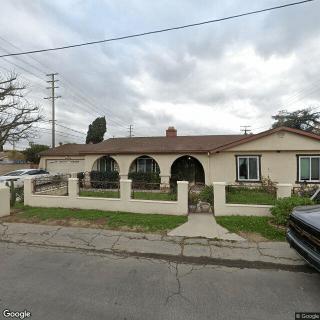
    Dining

    • Diabetes diet Diabetes dietA diabetes diet is crucial for seniors as it helps manage blood sugar levels, reduce risks of complications, and improve overall health and well-being. By following a balanced and nutritious diet tailored to their specific needs, seniors can better control their diabetes and enhance their quality of life.
    • Special dietary restrictions Special dietary restrictionsSpecial dietary restrictions are important for seniors because age-related changes in metabolism and health conditions can make it difficult for their bodies to process certain foods. By following a diet tailored to their specific needs, seniors can maintain their overall health and well-being, manage chronic conditions, and reduce the risk of complications such as malnutrition or food interactions with medications.

    Activities

    • Community-sponsored activities Community-sponsored activitiesCommunity-sponsored activities are important for seniors as they provide opportunities for social interaction, mental stimulation, and physical activity. These activities can help improve overall well-being, combat loneliness and isolation, and promote a sense of belonging and purpose among older adults.
    • Scheduled daily activities Scheduled daily activitiesScheduled daily activities are important for seniors because they provide structure, socialization, mental stimulation, and physical activity. Engaging in regular activities can improve overall well-being and quality of life for seniors living in a community setting.

    Description

    The 4th Generation Place in West Hills, CA is an assisted living community that offers a range of care options including board and care home services and specialized memory care. Residents of this community can enjoy a variety of amenities such as cable or satellite TV, a dining room, fully furnished accommodations, a garden, housekeeping services, a kitchenette, move-in coordination services, outdoor spaces, telephone access, and Wi-Fi or high-speed internet.

    Residents at the 4th Generation Place receive comprehensive care services including 24-hour supervision, assistance with activities of daily living such as bathing and dressing, assistance with transfers, coordination with healthcare providers, support for specific dietary restrictions such as diabetes diet or special dietary needs, meal preparation and service, medication management, mental wellness programs to support cognitive health and mild cognitive impairment issues. In addition to this detailed level of care offered within the community itself are hospice waivers for those who require end-of-life care.

    The dining experience at the 4th Generation Place is tailored to residents' needs with options available for those with special dietary restrictions. Scheduled daily activities are provided to keep residents engaged and entertained.

    Conveniently located near various amenities in the West Hills area, including cafes nearby , parks for outdoor recreation opportunities close by pharmacies or drug stores offering easy access to medications , physicians' offices within easy reach making medical appointments convenient and numerous restaurants providing dining options for both residents and their visitors.

    Overall,the 4th Generation Place in West Hills, CA provides a comfortable and supportive environment for seniors in need of assisted living or memory care services.

    Nearby Places of Interest

    Pharmacies

    • CVS Pharmacy (0.4 miles)
    • Rite Aid (0.5 miles)
    • CVS Pharmacy (2 miles)
    • CVS Pharmacy (2 miles)
    • New Albertson's (2 miles)
    • Walgreens (2.2 miles)
    • Rite Aid (2.4 miles)

    Cafes

    • Starbucks (0.5 miles)
    • Starbucks (1.7 miles)
    • Starbucks (2 miles)
    • Winnetka Bowl (3.6 miles)
    • Starbucks (5.3 miles)
    • Porto's Bakery & Cafe (5.5 miles)
    • Starbucks (7.2 miles)

    Restaurants

    • Chick-Fil-A (0.6 miles)
    • Del Taco (1.4 miles)
    • Wokcano (1.6 miles)
    • Joey Woodland Hills (1.6 miles)
    • In-N-Out Burger (1.7 miles)
    • Veggie Grill (1.7 miles)
    • McDonald's (1.7 miles)

    Parks

    • Shadow Ranch Park (1 miles)
    • Castle Peak Park (1.8 miles)
    • Lake Calabasas (2.1 miles)
    • Serrania Park (3.3 miles)
    • Parthenia Park (3.4 miles)
    • Top of Topanga Overlook (3.7 miles)
    • Chatsworth Park North (5.4 miles)

    Physicians

    • Liberty Pacific Advanced Imaging | West Hills (1 miles)
    • Center For Orthopaedic Specialists (1.1 miles)
    • Evan Bachner Evan J Bachner MD (1.1 miles)
    • Providence Medical Institute West Hills OB-GYN (1.1 miles)
    • UCLA Health Woodland Hills (1.6 miles)
    • West Valley Medical Aesthetics (7 miles)
    • Be Hive of Healing Integrative Medical & Dental Center (7 miles)

    Theaters

    • AMC Porter Ranch 9 (7.2 miles)

    Frequently Asked Questions

    Where is 4th Generation Place?
    Does 4th Generation Place provide care for residents with dementia or Alzheimer's disease?

    Nearby Communities

    Related Resources

    • reminiscence therapyExploring the Power of Reminiscence Therapy for Individuals With Dementia

      Reminiscence therapy helps individuals with dementia recall past memories through structured discussions and meaningful objects, enhancing mood, relationships, and sense of identity while celebrating their lives. It can be practiced in formal settings or at home, requiring sensitivity to personal histories and cultural backgrounds.

    • reminiscence therapyAn In-Depth Look at Reminiscence Therapy in Dementia Care

      Reminiscence therapy is a structured method for older adults, especially those with dementia, to share life stories using prompts and sensory cues, fostering emotional well-being, social engagement, and self-identity. It aims to improve quality of life by enhancing interpersonal connections and cognitive stimulation while requiring careful facilitation to avoid distressing memories.

    • dementia hallucinationsDementia-Related Hallucinations: Causes, Experiences, and Practical Approaches

      Dementia, particularly Lewy body dementia, often involves hallucinations that can significantly distress both patients and caregivers due to disruptions in sensory processing and neurotransmitter imbalances. Effective management includes compassionate communication, environmental adjustments, and a multidisciplinary approach to care while addressing the emotional needs of caregivers.


    Get Pricing Ask A Question Schedule A Tour Contact Senior Advisor