Residents and families repeatedly describe attentive, kind staff who follow through on concerns.
Many reviews highlight staff who are described as friendly, caring, and attentive, with caregivers who make residents feel supported day to day. Several families also mention prompt updates and clear communication with administration, which helped them feel confident in care between visits. A few reviews call out specific staff by name for being especially attentive, including during day-to-day care and family interactions.
common10 reviews mention this
Activities keep residents engaged
The activities program is consistently described as full, varied, and engaging.
Residents and families describe frequent engagement through scheduled activities, including programs seven days a week. Reviews also mention themed experiences and hands-on approaches like movement classes and art or music-related activities. A number of comments connect these activities to better moods and less isolation compared with before moving in.
common6 reviews mention this
Memory care focuses on dementia support
For residents with dementia, reviews describe a specialized approach meant to reduce agitation.
Several reviews specifically discuss the memory care approach, including family education and guidance on communication strategies. Others describe methods intended to be calming during confusion, such as validation and redirection instead of arguing. Multiple comments also mention dementia-focused programming like cognitive, sensory, and therapeutic activities aimed at comfort and maintaining abilities as conditions change.
common6 reviews mention this
Clean, peaceful environment
Residents and families often mention a clean, comfortable environment.
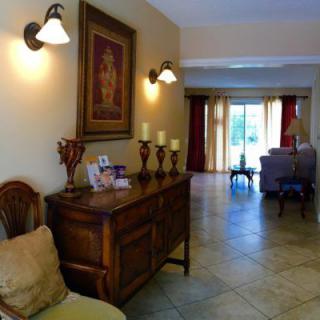
Multiple reviews describe the facility as clean and peaceful, with attention to hygiene and keeping the space well cared for. Several comments connect ongoing improvements and updated equipment to maintaining a comfortable living environment. A few reviews also tie cleanliness to dignity and the overall feel of the day-to-day space.
caveat2 reviews mention this
Dining gets mixed feedback
Food quality is where a couple of reviews take the most issue.
While many reviews emphasize activities and care, a small number directly critique the food. One review states the food quality is poor, and another mentions a negative experience in the dining area tied to conflict concerns. Taken together, dining is not consistently discussed as a standout in the same way other daily elements are.
common2 reviews mention this
Convenient West Hills location
Residents and families describe the location as convenient for visits.
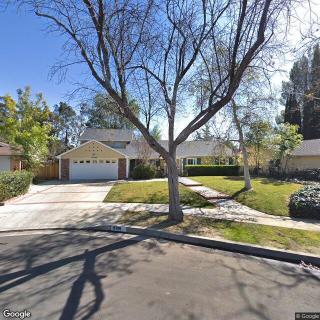
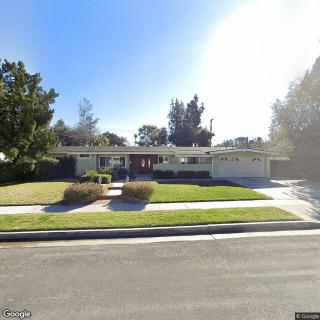
Some reviews note the community’s location as easy for regular visits and set in a quieter neighborhood. One review also mentions the surrounding area as walkable to nearby stores, restaurants, and coffee shops. Nearby conveniences also include a pharmacy close by, plus additional everyday spots within a few miles.
How we summarize
Counts show how many written reviews mention each theme; a review can touch several themes, and only frequently mentioned themes are displayed.
Features
Housing
6 resident community capacity
Types of Care
Assisted Living
Amenities
Cable or satellite TV
Dining room
Fully furnished
Garden
Housekeeping services
Move-in coordination
Outdoor space
Telephone
Wi-Fi/high-speed internet available
Transportation
Burbank-Glendale-Pasadena (16 miles away)
Los Angeles International (22 miles away)
Care Services
24-hour supervision
Activities of daily living assistance
Assistance with bathing
Assistance with dressing
Assistance with transfers
Coordination with health care providers
Diabetes diet
Meal preparation and service
Medication management
Special dietary restrictions
Transportation arrangement (medical)
Transportation to doctors appointments
Dining
Diabetes diet
Special dietary restrictions
Activities
Community-sponsored activities
Scheduled daily activities
Nearby Places of Interest
Pharmacies
Rite Aid (0.3 miles)
CVS Pharmacy (0.7 miles)
CVS Pharmacy (2.2 miles)
Walgreens (2.3 miles)
New Albertson's (2.3 miles)
CVS Pharmacy (2.3 miles)
Rite Aid (2.5 miles)
Cafes
Starbucks (0.9 miles)
Starbucks (2 miles)
Starbucks (2.4 miles)
Winnetka Bowl (3.8 miles)
Starbucks (5.3 miles)
Porto's Bakery & Cafe (5.6 miles)
Starbucks (7.5 miles)
Physicians
Liberty Pacific Advanced Imaging | West Hills (0.9 miles)
Providence Medical Institute West Hills OB-GYN (1 miles)
Center For Orthopaedic Specialists (1 miles)
Evan Bachner Evan J Bachner MD (1 miles)
UCLA Health Woodland Hills (2 miles)
West Valley Medical Aesthetics (6.8 miles)
Be Hive of Healing Integrative Medical & Dental Center (6.9 miles)
The article discusses assisted living expenses, the importance of long-term care insurance in covering these costs, and various financing options, highlighting the need for careful policy review and early planning to address potential needs. It also clarifies common misconceptions about Medicare and private health insurance limitations regarding long-term care coverage.
Assisted living facilities offer crucial support for older adults needing help with daily activities but come with varying and significant costs, which can be financed through personal savings, government assistance programs, long-term care insurance, and home equity options. Professional guidance from experts can aid families in navigating these financial complexities to establish a sustainable budgeting approach for assisted living services.
Assisted living costs often exceed Social Security benefits, necessitating a combination of funding sources like state aid and Medicaid. Understanding the interaction between Social Security programs and available financial support is essential for affording such care.
Get PricingAsk A QuestionSchedule A TourContact Senior Advisor
By clicking submit, you agree to our Partner's Terms of Use. You
also consent to receive calls and texts, which may be autodialed, from our Partner. Your consent is not a condition to
using our Partner's service. Please visit our Partner's Privacy Policy for information about their privacy practices.

 6 resident community capacity
 Assisted Living
 Cable or satellite TV
 Dining room
 Fully furnished
 Garden
 Housekeeping services
 Move-in coordination
 Outdoor space
 Telephone
 Wi-Fi/high-speed internet available
 Burbank-Glendale-Pasadena (16 miles away)
 24-hour supervision
 Activities of daily living assistance
 Assistance with bathing
 Assistance with dressing
 Assistance with transfers
 Diabetes diet
 Meal preparation and service
 Medication management
 Special dietary restrictions
 Transportation arrangement (medical)
 Transportation to doctors appointments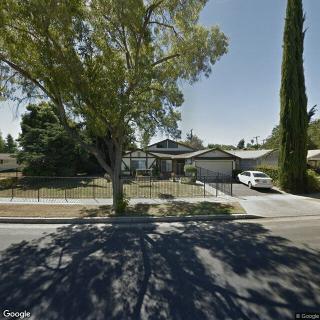

 Comprehensive care with 24/7 supervision, memory care programming, and dementia support.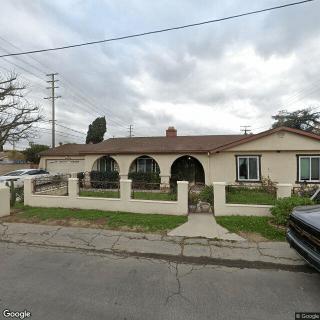
 Assisted Living Expenses and Long-Term Care Insurance: A Comprehensive Exploration
 Securing Financial Support for Assisted Living: A Comprehensive Overview
 Social Security Benefits and Assisted Living: Navigating Options Across the U.S.