Queen Comfort Care Center in Van Nuys, CA

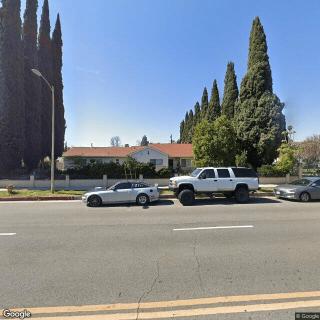
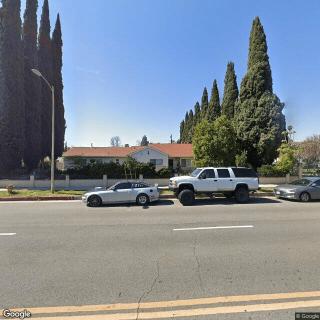
6534 Mclennan Avenue, Van Nuys, CA 91406

For more information about senior living options: (844) 490-3973

5 from 6 reviews
5 stars
6
4 stars
0
3 stars
0
2 stars
0
1 stars
0

Assisted Living Board and Care Home Memory Care

Queen Comfort Care Center Costs & Pricing

Queen Comfort Care Center offers a competitive pricing structure for its care services, particularly when compared to the broader costs in Los Angeles County and California as a whole. With semi-private rooms priced at $2,000 per month, the center presents a significant savings relative to the county average of $3,349 and the state average of $3,333. For those seeking studio accommodations, Queen Comfort Care's monthly rate of $3,500 is also more affordable than the county's average of $4,172 and the state's $4,145. Similarly, private rooms are available at Queen Comfort Care for $3,500, which is notably lower than both Los Angeles County's rate of $4,197 and California's average of $3,939. Overall, Queen Comfort Care Center provides an attractive option for individuals seeking quality care at cost-effective rates in comparison to regional standards.

Floor plansQueen Comfort Care CenterLos Angeles CountyCalifornia
Semi-Private$2,000$3,349$3,333
Studio$3,500$4,172$4,145
Private$3,500$4,197$3,939

Overall Review of Queen Comfort Care Center

Pros

  • pro Nino and her staff are the best.
  • pro Nino and her staff are highly recommended.
  • pro Nino and her staff are the most caring and generous people.
  • pro Queen Comfort Care Center provides outstanding care.
  • pro Nina is very kind and understanding.
  • pro The facility is very clean and visitors are welcome at any time.
  • pro Caregivers are very patient and residents are treated like family.
  • pro QCC is a safe environment and residents' well-being is well supported.

Review

Queen Comfort Care Center in Van Nuys is best suited for families seeking a small, intimate, home-like setting where a resident's daily life is guided by genuine warmth, steady consistency, and hands-on kindness. The community excels at caring for elders who benefit from a caregiver-first approach, especially those with memory challenges such as dementia, where patient repetition, calm reassurance, and constant reassurance matter most. The staff-invested culture is led by owners who treat residents as part of the family, a dynamic reinforced by the frequent, positive feedback from visiting family members. For families who want to see a familiar face at every shift handoff and value the ability to visit any time, this setting checks a lot of practical boxes.

Those considering alternatives should be deliberate about acuity and campus size. If the priority is robust clinical oversight, 24/7 on-site nursing, or a wide array of formal programming and amenities, this may feel too small or too homelike. Larger assisted living communities or memory-care focused facilities often offer more structured schedules, broader social activities, and easier access to specialized medical services. For seniors with complex medical needs, aggressive therapies, or a preference for a more traditional clinical environment, it makes sense to compare a few options to ensure medical staffing and emergency protocols align with expectations.

The strongest pros revolve around people and place. The care team's compassion stands out: staff described as the most caring and generous, with leadership that is kind, understanding, and deeply involved in residents' well-being. This translates into a daily atmosphere where residents are treated with dignity, sleep struggles are approached with patience, and family members feel a shared sense of trust. Cleanliness and a safe feel reinforce confidence that a loved one is comfortable and secure. The ability to visit at any time reinforces transparency and eases caregiving burden for families, who repeatedly report leaving visits with genuine peace of mind and happiness about their loved one's day-to-day experience.

A further strength is the embedded feeling of family within the community. The owner and caregivers explicitly refer to residents as family, and that language translates into consistent, attentive care. News of a resident's progress or challenges is shared with empathy, and the atmosphere remains reassuring rather than clinical. In practice, this means routines can be tailored to individual rhythms, bedtime challenges can be managed with patience, and small daily acts of kindness accumulate into meaningful quality-of-life gains. For families navigating the emotional terrain of aging, this culture can be a decisive factor in choosing a home.

Yet the positive attributes imply tradeoffs worth confirming upfront. The most important unknowns are medical-to-clinical specifics: exact nurse staffing levels, availability of on-site physician or nurse practitioner, and the facility's approach to medication management and emergency response. Prospective residents should verify memory-care programming specifics, activity calendars, and opportunities for meaningful engagement beyond brief visits. While the environment is intimate and welcoming, it may not satisfy those seeking a bustling social scene or extensive on-site therapies. Asking pointed questions about daily schedules, medical coverage, and respite or long-term care options will clarify alignment with needs.

In sum, Queen Comfort Care Center offers a compelling value proposition for families who prize a warm, respectful, and highly attentive home-like setting. It is especially strong for seniors with dementia or sleep-related caregiving needs, where patient, consistent care and open family involvement drive tangible peace of mind. For families prioritizing clinical intensity or a larger, activity-rich campus, alternatives should be explored. The evidence across the reviews indicates a consistently high level of caregiver dedication, cleanliness, safety, and resident dignity - an impressive combination that makes this center a trustworthy choice when the intended goal is humane, hands-on companionship wrapped in a calm, nurturing environment.

Features

Housing

  • 6 resident community capacity 6 resident community capacity

Types of Care

  • Assisted Living Assisted LivingAssisted living facilities provide crucial support and care for seniors who may need help with daily tasks such as medication management, bathing, and meal preparation. These communities offer a safe and comfortable environment where seniors can maintain their independence while receiving the assistance they need to thrive in their golden years.
  • Board and Care Home Board and Care HomeBoard and care homes provide a smaller, more intimate setting for seniors who require assistance with daily tasks but do not need the level of care offered by a nursing home. They offer personalized care, meals, and social activities in a homelike environment, ensuring that seniors receive individualized attention and support in their golden years.
  • Memory Care Memory CareMemory care is crucial for seniors as it provides specialized support and services for individuals with dementia or Alzheimer's disease. These programs offer a safe and secure environment where residents receive personalized care, cognitive stimulation, and help with daily activities. Memory care helps seniors maintain their independence, quality of life, and dignity while also providing peace of mind for their families.

Amenities

  • Activities off-site Activities off-siteEngaging in off-site activities is crucial for seniors to maintain social connections, stay active, and stimulate their minds. It promotes overall well-being and helps combat feelings of isolation and loneliness.
  • Activities on-site Activities on-siteActivities on-site are important for seniors because they provide opportunities for socialization, mental stimulation, physical activity, and overall well-being. Engaging in activities can help seniors stay active, maintain their independence, and improve their quality of life.
  • Beautician on-site Beautician on-siteHaving a beautician on-site at a senior living community is important for seniors as it allows them to easily access grooming and personal care services, boosting their self-esteem and overall well-being. It also provides convenience and helps seniors maintain their sense of independence and personal style.
  • Cable or satellite TV Cable or satellite TVCable or satellite TV is important for seniors because it provides entertainment, news, and companionship, helping to combat loneliness and boredom. It also offers a wide range of programming options tailored to different interests and preferences.
  • Dining room Dining roomDining rooms are important for seniors as they provide a space for socialization, connection, and nutritious meals. They offer opportunities for residents to bond over shared meals, foster a sense of community, and promote healthy eating habits. Dining rooms also ensure that seniors have access to well-balanced meals tailored to their dietary needs and preferences.
  • Fully furnished Fully furnishedFully furnished senior living communities are important for seniors because they provide convenience, comfort, and a hassle-free moving experience. Seniors can easily settle into their new living space without the stress of having to buy and move furniture. This allows them to focus on enjoying their new home and community.
  • Garden GardenGardens are important for seniors as they provide a peaceful and therapeutic environment for relaxation, physical activity, and socialization. Being in nature has been shown to reduce stress, improve mood, and promote overall well-being. Gardens also offer opportunities for seniors to engage in gardening activities, which can improve mobility, flexibility, and cognitive function. Additionally, gardens create a sense of community and connection with others who share a passion for plants and outdoor spaces.
  • Housekeeping services Housekeeping servicesHousekeeping services are important for seniors because they help maintain a clean and safe living environment, promote independence, and reduce the risk of accidents or illnesses. Additionally, having assistance with household chores can alleviate physical strain and allow seniors to focus on other aspects of their well-being.
  • Move-in coordination Move-in coordinationMove-in coordination is important for seniors because it helps ease the transition into their new living environment. It ensures that all logistics, such as packing, organizing movers, and setting up utilities are taken care of, allowing seniors to focus on settling in and adjusting to their new home. Having a smooth move-in process can alleviate stress and anxiety, making the transition smoother and more enjoyable for seniors.
  • Outdoor space Outdoor spaceOutdoor spaces are important for seniors as they provide opportunities for physical activity, social interaction, exposure to natural light and fresh air, and a sense of connection to nature. Having access to outdoor spaces can improve overall well-being and quality of life for older adults living in senior communities.
  • Private PrivatePrivacy is important for seniors as it allows them to maintain their independence, dignity, and sense of control over their own lives. It also gives them the space and freedom to relax, reflect, and engage in activities that bring them joy and fulfillment. Creating private spaces within senior living facilities is crucial for promoting overall well-being and quality of life.
  • Respite or short term stays offered Respite or short term stays offeredRespite or short term stays provide seniors with a temporary solution when their regular caregiver is unavailable, offering them the opportunity to receive additional care and support during times of need, while also giving caregivers a chance to rest and recharge.
  • Telephone TelephoneTelephones are important for seniors as they provide a lifeline for communication with loved ones, emergency services, and healthcare providers. They offer a sense of security and independence, enabling seniors to stay connected and access assistance when needed.
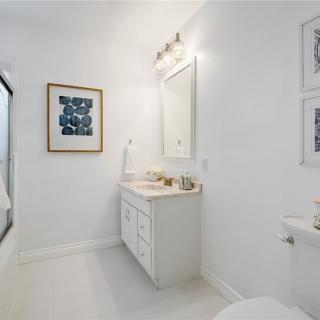
  • Wheelchair accessible showers Wheelchair accessible showersWheelchair accessible showers are crucial for seniors as they provide a safe and independent bathing option for those with mobility challenges. These showers help prevent falls and allow seniors to maintain their dignity and autonomy while ensuring they can bathe comfortably.
  • Wi-Fi/high-speed internet available Wi-Fi/high-speed internet availableWi-Fi/high-speed internet is important for seniors to stay connected with loved ones, access online resources, and participate in virtual activities to combat feelings of loneliness and isolation. It also allows them to easily manage healthcare needs, access entertainment, and engage in lifelong learning opportunities.

Transportation

  • Burbank-Glendale-Pasadena (8 miles away) Burbank-Glendale-Pasadena (8 miles away)
  • Los Angeles International (18 miles away) Los Angeles International (18 miles away)

Care Services

  • 24-hour supervision 24-hour supervision24-hour supervision is important for seniors to ensure their safety, well-being, and access to immediate assistance in case of emergencies or health issues. This constant support provides peace of mind for both seniors and their loved ones, allowing them to age in place with dignity and security.
  • Activities of daily living assistance Activities of daily living assistanceActivities of daily living assistance are important for seniors because they provide essential support with tasks such as eating, bathing, dressing, and mobility. This assistance helps seniors maintain their independence, dignity, and overall quality of life as they age.
  • Assistance with bathing Assistance with bathingAssistance with bathing is crucial for seniors as it helps maintain personal hygiene, prevents infections, and ensures their overall well-being and comfort. It also provides a sense of dignity and independence for seniors who may struggle with this task on their own.
  • Assistance with dressing Assistance with dressingAssistance with dressing is important for seniors because it helps maintain their independence, promotes personal hygiene, prevents accidents and injuries, and improves overall quality of life. This service ensures that seniors can continue to dress comfortably and confidently, despite any physical limitations they may have.
  • Assistance with transfers Assistance with transfersAssistance with transfers is crucial for seniors as it helps prevent falls and injuries, maintains their independence, and ensures they can safely navigate their living environment. It also provides peace of mind for both seniors and their loved ones.
  • Coordination with health care providers Coordination with health care providersCoordination with health care providers is crucial for seniors to ensure proper medical care, medication management, and overall well-being. This collaboration helps prevent overlapping treatments, track progress more effectively, and provide comprehensive support tailored to individual needs.
  • Diabetes diet Diabetes dietA diabetes diet is crucial for seniors as it helps manage blood sugar levels, reduce risks of complications, and improve overall health and well-being. By following a balanced and nutritious diet tailored to their specific needs, seniors can better control their diabetes and enhance their quality of life.
  • Diabetic care Diabetic careDiabetic care is crucial for seniors as they are more susceptible to developing diabetes due to aging and other health conditions. Proper management of diabetes can help prevent complications such as heart disease, vision loss, and nerve damage, improving the overall quality of life for seniors in senior living communities.
  • High acuity care High acuity careHigh acuity care is important for seniors because it provides specialized medical attention and support for individuals with complex medical needs. This level of care ensures that seniors receive the appropriate treatment and assistance to maintain their health and quality of life as they age.
  • Meal preparation and service Meal preparation and serviceMeal preparation and service are crucial for seniors as they may have limited mobility or energy to cook nutritious meals. Having access to healthy and convenient food options can ensure they are getting the proper nutrition needed to maintain their overall health and well-being.
  • Medication management Medication managementMedication management is crucial for seniors to ensure they are taking the right medications at the correct dosages and times. This helps prevent adverse drug interactions, reduces the risk of medication errors, and promotes overall health and well-being. Proactive management also allows for adjustments as needed based on changing health conditions or new prescriptions.
  • Special dietary restrictions Special dietary restrictionsSpecial dietary restrictions are important for seniors because age-related changes in metabolism and health conditions can make it difficult for their bodies to process certain foods. By following a diet tailored to their specific needs, seniors can maintain their overall health and well-being, manage chronic conditions, and reduce the risk of complications such as malnutrition or food interactions with medications.
  • Transportation arrangement (medical) Transportation arrangement (medical)Transportation arrangements for medical purposes are essential for seniors as they may have difficulty driving themselves to appointments or accessing public transportation. Having reliable and safe transportation options ensures that seniors can receive timely medical care and maintain their health and well-being.
  • Transportation to doctors appointments Transportation to doctors appointmentsTransportation to doctors' appointments is crucial for seniors as it ensures they have access to necessary medical care and support for their health needs. Without reliable transportation, seniors may struggle to attend important appointments, leading to potential delays in treatment and health complications. Providing transportation services helps seniors maintain their overall well-being and quality of life.

Dining

  • Diabetes diet Diabetes dietA diabetes diet is crucial for seniors as it helps manage blood sugar levels, reduce risks of complications, and improve overall health and well-being. By following a balanced and nutritious diet tailored to their specific needs, seniors can better control their diabetes and enhance their quality of life.
  • Meals provided Meals provided"Meals provided" are crucial for seniors in assisted living communities as it ensures they have access to nutritious, balanced meals without the stress of meal planning and preparation. This can help promote overall health and well-being for seniors who may have limited mobility or cognitive abilities.
  • Special dietary restrictions Special dietary restrictionsSpecial dietary restrictions are important for seniors because age-related changes in metabolism and health conditions can make it difficult for their bodies to process certain foods. By following a diet tailored to their specific needs, seniors can maintain their overall health and well-being, manage chronic conditions, and reduce the risk of complications such as malnutrition or food interactions with medications.

Activities

  • Activities off-site Activities off-siteEngaging in off-site activities is crucial for seniors to maintain social connections, stay active, and stimulate their minds. It promotes overall well-being and helps combat feelings of isolation and loneliness.
  • Activities on-site Activities on-siteActivities on-site are important for seniors because they provide opportunities for socialization, mental stimulation, physical activity, and overall well-being. Engaging in activities can help seniors stay active, maintain their independence, and improve their quality of life.
  • Community-sponsored activities Community-sponsored activitiesCommunity-sponsored activities are important for seniors as they provide opportunities for social interaction, mental stimulation, and physical activity. These activities can help improve overall well-being, combat loneliness and isolation, and promote a sense of belonging and purpose among older adults.
  • Scheduled daily activities Scheduled daily activitiesScheduled daily activities are important for seniors because they provide structure, socialization, mental stimulation, and physical activity. Engaging in regular activities can improve overall well-being and quality of life for seniors living in a community setting.

Description

The Queen Comfort Care Center in Van Nuys, CA is a board and care home designed to provide personalized care and support for seniors. Our community offers a comfortable and welcoming environment where residents can feel at home.

Our fully furnished accommodations ensure that residents have everything they need to live comfortably. The dining room provides nutritious meals tailored to individual dietary restrictions, ensuring that each resident's needs are met. Housekeeping services are provided to maintain a clean and tidy living space.

At Queen Comfort Care Center, we understand the importance of staying active and engaged. That's why we offer scheduled daily activities for residents to participate in, promoting socialization and overall well-being. Additionally, our outdoor space allows residents to enjoy fresh air and nature.

Our dedicated staff is trained in assisting with activities of daily living such as bathing, dressing, and transfers. We also coordinate with health care providers to ensure that each resident receives necessary medical attention. Medication management is provided to ensure safety and proper dosages.

Transportation arrangements are available for medical appointments, allowing residents to easily access necessary healthcare services. Nearby amenities such as cafes, parks, pharmacies, restaurants, transportation options, places of worship, theaters, and hospitals provide convenience and accessibility for both residents and their families.

At Queen Comfort Care Center, we prioritize the comfort and well-being of our residents. With compassionate care services and an array of amenities and nearby conveniences, our assisted living community aims to provide a fulfilling lifestyle for seniors in Van Nuys, CA.

Nearby Places of Interest

Parks

  • Lake Balboa Park (0.3 miles)
  • Encino Bike Path (1.1 miles)
  • Van Nuys Sherman Oaks Park (3.9 miles)
  • Playground (5.4 miles)
  • Serrania Park (5.5 miles)
  • Parthenia Park (6.3 miles)
  • Coldwater Canyon Park (6.8 miles)

Restaurants

  • McDonald's (0.3 miles)
  • In-N-Out Burger (0.8 miles)
  • La Corona Mexican Grill (0.8 miles)
  • Chili's Grill & Bar (2.1 miles)
  • The Stand American Classics Redefined (2.1 miles)
  • McDonald's (2.1 miles)
  • Uncle Bernie's Deli (2.1 miles)

Transportation

  • Van Nuys Airport (VNY) (0.9 miles)
  • Van Nuys FlyAway Bus Terminal to LAX (1.7 miles)

Cafes

  • Starbucks (1.4 miles)
  • Winnetka Bowl (4.1 miles)
  • Starbucks (4.2 miles)
  • Porto's Bakery & Cafe (4.6 miles)
  • Starbucks (5.4 miles)
  • Starbucks (6 miles)
  • Starbucks (6.2 miles)

Pharmacies

  • Valley Drug & Compounding (2.1 miles)
  • CVS Pharmacy (2.1 miles)
  • Walgreens (2.1 miles)
  • CVS Pharmacy (2.1 miles)
  • CVS Pharmacy (2.3 miles)
  • CVS Pharmacy (2.3 miles)
  • CVS Pharmacy (2.4 miles)

Physicians

  • Southern California Orthopedic Institute (2.2 miles)
  • Mid-Valley Comprehensive Health Center (3.1 miles)
  • UCLA Health Woodland Hills (6 miles)

Theaters

  • Regal Sherman Oaks Galleria (3 miles)

Hospitals

  • Veterans Administration (3.9 miles)
  • Kaiser Permanente Emergency (4.5 miles)
  • Rinaldi Convalescent Hospital (6.2 miles)
  • Tebi, Sina Dr - Providence Holy Cross Medical Center Diabetes Education (6.6 miles)

Places of Worship

  • Immanuel Bible Church (4.2 miles)
  • St Michael & All Angels (6.2 miles)

Frequently Asked Questions

How much does it cost to live at Queen Comfort Care Center in Van Nuys, CA?
Where is Queen Comfort Care Center?
Does Queen Comfort Care Center provide care for residents with dementia or Alzheimer's disease?

Nearby Communities

  • Lake Balboa Care Center

    Lake Balboa Care Center

    Van Nuys, CA


    pro Fully furnished apartments with 24/7 care, diverse dining options, and a full activity program.

  • AmeriHome

    AmeriHome

    Lake Balboa, CA


    pro Specialized memory care with 24-hour supervision and personalized support.

  • Pleasantville

    Pleasantville

    Lake Balboa, CA

     
    $2,750 to $3,575 / month

    pro Affordable pricing with easy access to cafes, parks, and healthcare.

  • V B Patient Care Svc

    V B Patient Care Svc

    Van Nuys, CA


    pro Comprehensive assisted living with nearby amenities and healthcare access.

  • ONEgeneration

    ONEgeneration

    Van Nuys, CA

    5 from 6 reviews
     

    pro Caring staff with low turnover and strong intergenerational programs.

  • Grant Serenity Homes of San Fernando Valley

    Grant Serenity Homes of San Fernando Valley

    Van Nuys, CA

    3.5 from 2 reviews
    $4,500 to $4,800 / month

    pro Specialized memory care with engaging activities and on-site amenities.

  • AvantGarde Senior Living

    AvantGarde Senior Living

    Tarzana, CA

    4.4 from 60 reviews
    $2,000 to $4,500 / month

    pro Clean, modern facility with friendly staff and engaging activities.

  • Tarzana Health And Rehabilitation Center

    Tarzana Health And Rehabilitation Center

    Tarzana, CA


    pro Comprehensive on-site care with 24/7 supervision, medication management, and diverse amenities.

  • Fountainview At Eisenberg Village

    Fountainview At Eisenberg Village

    Reseda, CA

    4.4 from 49 reviews
    $3,900 to $5,000 / month

    pro Gorgeous, brand-new facility with upscale amenities and on-site services (e.g., underground parking with valet, beauty shop).

Related Resources

  • dementia stagesUnderstanding Dementia Through Its Seven Stages: A Comprehensive Look at Progression and Expectations

    Dementia encompasses a range of cognitive impairments characterized by types such as Alzheimer's and vascular dementia, and follows a seven-stage progression model known as the Global Deterioration Scale (GDS), highlighting varying symptoms and decline timelines. Early detection allows for lifestyle adjustments to potentially slow progression, while caregivers need support and resources to manage the challenges involved in caring for affected individuals.

  • dementia careA Holistic Dementia Care Guide: Effective Strategies for Memory Support

    The guide on holistic dementia care outlines the complexity of dementia and stresses the need for individualized caregiver strategies that include medical treatment, psychological support, and environmental adaptations, while emphasizing early detection, various therapeutic options, and caregiver support to enhance quality of life and maintain dignity.

  • dementia careMemory Care Pathways: A Holistic Guide to Dementia Support

    "Memory Care Pathways: A Holistic Guide to Dementia Support" outlines the complexities of dementia and its various types, emphasizing early detection, patient-centered care strategies, caregiver support, and long-term care options while addressing legal and financial considerations to enhance the quality of life for individuals with dementia and their families.