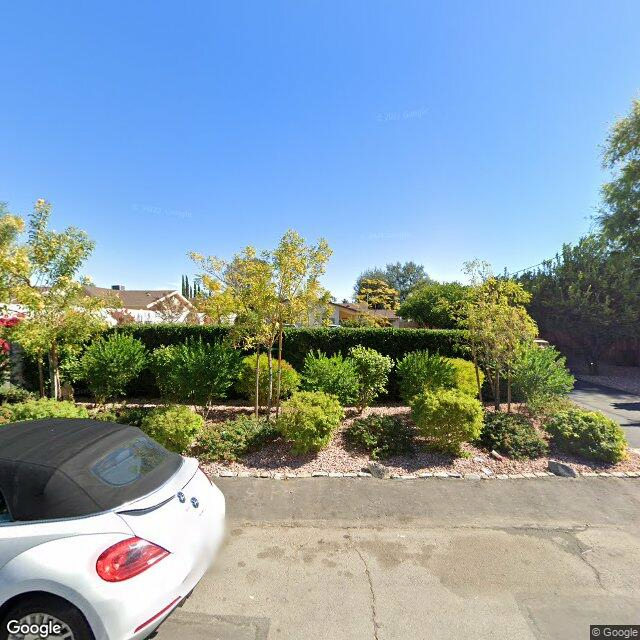
Grant Serenity Homes of San Fernando Valley in Van Nuys, CA

Save
Grant Serenity Homes of San Fernando Valley

Grant Serenity Homes of San Fernando Valley in Van Nuys, CA

6928 Peach Ave, Van Nuys, CA 91406

For more information about senior living options: (844) 490-3973

3.5 from 2 reviews
Board and Care Home Memory Care

Grant Serenity Homes of San Fernando Valley Costs & Pricing

Grant Serenity Homes of San Fernando Valley offers competitive pricing for its private and studio accommodations, with costs set at $4,500 and $4,800 respectively. When compared to the broader Los Angeles County averages of $4,197 for private rooms and $4,172 for studios, Grant Serenity's offerings are slightly higher, reflecting perhaps a premium in service or amenities. In the context of California as a whole, where the average costs stand at $3,939 for private rooms and $4,145 for studios, it's evident that Grant Serenity Homes positions itself at the upper end of the spectrum. This pricing may suggest an emphasis on high-quality care and enhanced living conditions that align with the expectations of residents seeking a comfortable environment in a vibrant community.

Floor plansGrant Serenity Homes of San Fernando ValleyLos Angeles CountyCalifornia
Private$4,500$4,197$3,939
Studio$4,800$4,172$4,145

What level of care are you interested in?

Assisted Living

Memory Care

Independent Living

Skilled Nursing Facility

Continuing Care Retirement Community (CCRC)CCRC

Other


Request a tour at Grant Serenity Homes of San Fernando Valley

    Overall Review of Grant Serenity Homes of San Fernando Valley

    Pros

    • pro The house is lovely and well-maintained.
    • pro The staff seem nice and well-meaning.
    • pro The reviewer liked the community.

    Cons

    • pro The review states that the staff lacked the training to care for seniors with challenging Alzheimer's behaviors.
    • pro It suggests the facility's priority was to use chemical restraints to quickly render residents bedridden.
    • pro The reviewer alleges they were pressured to enroll their father in hospice (St. Vincent) and advises avoiding that hospice.
    • pro The hospice and Grant Serenity are accused of not taking responsibility for actions that led to rapid decline and death.
    • pro The medications prescribed by the hospice are described as contributing to the father's decline and death, including a two-day loss of consciousness.
    • pro The reviewer notes the cost was higher than they were willing to pay, despite liking the community.

    Review

    This community is best suited for seniors who prize a warm, home-like setting, with attentive, personable staff and a smaller, intimate feel. The environment tends to be well kept and predictable, which supports daily life centered on comfort and routine rather than clinical intensity. For residents with straightforward medical needs and minimal memory challenges, this setting can deliver a pleasant, manageable lifestyle. However, the fit weakens for those with advanced dementia or complex caregiving requirements, where specialized memory care and stronger clinical oversight become essential. Budget matters, too, since the appealing ambiance often translates into a higher price point that may strain limited resources.

    Alternatives to consider include facilities with established memory-care programs, proven behavior-management protocols, and transparent governance. Families confronting Alzheimer's or other challenging behaviors should look for sites with verified training, realistic expectations around medications, and clear accountability structures. The reference to a Burbank location signals potential governance differences - verify the Van Nuys site's licensing, staffing standards, and oversight. For those needing measurable outcomes, seek facilities that publish staffing ratios, care plans, and routine third-party reviews; for cost-conscious families, compare all-inclusive pricing and what services are truly guaranteed.

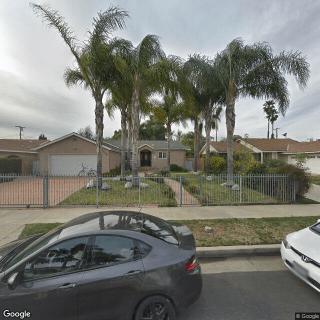
    Pros center on ambiance and interpersonal warmth. The house is described as lovely and well maintained, with staff who seem well-meaning and approachable. That matters for daily life, reducing stress and helping residents settle into a predictable routine. Yet these positives do not overcome the core concerns around dementia care in this setting. The central risk is limited staff training for Alzheimer's behavioral challenges, which can lead to dependence on medications rather than person-centered strategies. When chemical restraints are even a remote consideration, the attractive exterior becomes a red flag, because care quality hinges on appropriate, individualized strategies as much as on surface polish.

    Decision-making hinges on obtaining specifics. Prospective residents should press for the actual staff-to-resident ratios, dementia-certification credentials, and the facility's written protocol for managing agitation or aggression. Request copies of individualized care plans, incident logs, and the training records for front-line staff. Investigate the hospice relationship: which medications are routinely used, who makes changes, and how families are informed. Clarify the total monthly cost, including all add-ons, and compare it with comparable communities in the Valley to determine whether the value aligns with the level of risk and expected outcomes.

    From a practical standpoint, the warm atmosphere and supportive staff matter, but they do not automatically compensate for potential safety and governance gaps. For residents without memory impairment, this community can offer a comfortable lifestyle with decent oversight. For those needing memory care, the risk profile is higher, and alternative options with established dementia programs, stronger supervision, and transparent reporting present a lower-risk path to long-term well-being. The decision should weigh emotional comfort against measurable care quality, with a clear stance on what safeguards exist to protect autonomy, safety, and dignity.

    The recommended course is a disciplined site visit, focused on clinical capability and transparency. Schedule conversations with the administrator, a dementia-care lead, and frontline caregivers; tour with a checklist that probes safety, fall prevention, medication management, and emergency response. Pull licensing records, inspection reports, and any complaint history; verify any hospice affiliations through independent channels. If the answers satisfy concerns and the memory-care plan matches needs and budget, a trial arrangement may be reasonable. Otherwise, pursue facilities with definitive memory-care programs, stronger clinical governance, and independent validation of outcomes to safeguard the resident's quality of life.

    Features

    Types of Care

    • Board and Care Home Board and Care HomeBoard and care homes provide a smaller, more intimate setting for seniors who require assistance with daily tasks but do not need the level of care offered by a nursing home. They offer personalized care, meals, and social activities in a homelike environment, ensuring that seniors receive individualized attention and support in their golden years.
    • Memory Care Memory CareMemory care is crucial for seniors as it provides specialized support and services for individuals with dementia or Alzheimer's disease. These programs offer a safe and secure environment where residents receive personalized care, cognitive stimulation, and help with daily activities. Memory care helps seniors maintain their independence, quality of life, and dignity while also providing peace of mind for their families.

    Pets

    • Cats allowed Cats allowed"Pet friendly" senior living communities are important for seniors because pets provide companionship, reduce feelings of loneliness and depression, promote physical activity and mental stimulation, and offer a sense of purpose and responsibility. Pets can improve overall well-being and quality of life for seniors in many ways.
    • Dogs allowed Dogs allowed"Pet friendly" senior living communities are important for seniors because pets provide companionship, reduce feelings of loneliness and depression, promote physical activity and mental stimulation, and offer a sense of purpose and responsibility. Pets can improve overall well-being and quality of life for seniors in many ways.

    Amenities

    • Activities on-site Activities on-siteActivities on-site are important for seniors because they provide opportunities for socialization, mental stimulation, physical activity, and overall well-being. Engaging in activities can help seniors stay active, maintain their independence, and improve their quality of life.
    • Air-conditioning Air-conditioningAir conditioning is important for seniors as they are more vulnerable to heat-related illnesses and may have underlying health conditions that make it difficult for them to regulate their body temperature. It helps to keep them comfortable, safe, and healthy in hot weather.
    • Bath tubs Bath tubsBath tubs are important for seniors because they provide a safe and relaxing way to bathe, helping to prevent slips and falls while promoting independence and overall well-being.
    • Beautician on-site Beautician on-siteHaving a beautician on-site at a senior living community is important for seniors as it allows them to easily access grooming and personal care services, boosting their self-esteem and overall well-being. It also provides convenience and helps seniors maintain their sense of independence and personal style.
    • Cable or satellite TV Cable or satellite TVCable or satellite TV is important for seniors because it provides entertainment, news, and companionship, helping to combat loneliness and boredom. It also offers a wide range of programming options tailored to different interests and preferences.
    • Devotional services off-site Devotional services off-siteDevotional services off-site are important for seniors as they provide spiritual nourishment, social engagement, and a sense of community outside of the senior living facility. This can enhance overall well-being and help combat feelings of isolation and loneliness often experienced by older adults.
    • Full kitchen Full kitchenHaving a full kitchen in a senior living facility is important for seniors because it allows them to maintain their independence and prepare their own meals. This promotes healthy eating habits, saves money on dining out, and provides a sense of familiarity and comfort for residents.
    • Ground floor units Ground floor unitsGround floor units are important for seniors because they provide easy accessibility, reduced risk of falls and injuries, and convenience for those with mobility issues. Seniors can avoid climbing stairs or using elevators, making daily tasks and activities more manageable and enjoyable.
    • Handicap accessible Handicap accessible"Handicap accessible" amenities are crucial for seniors to ensure they can easily navigate and access facilities, services, and activities without barriers or limitations due to physical impairments. This promotes independence, safety, and inclusivity for seniors in senior living communities.
    • Indoor common areas Indoor common areasIndoor common areas are crucial for seniors as they provide a space for socialization, recreation, and community engagement, promoting overall well-being and reducing feelings of isolation and loneliness.
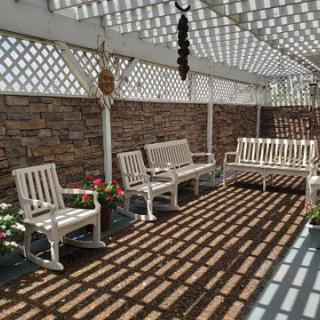
    • Outdoor common areas Outdoor common areasOutdoor common areas are important for seniors as they provide a space for socialization, physical activity, and relaxation. Being outside in nature can improve mood and overall well-being, while also encouraging movement and engagement with others. These spaces can help combat feelings of isolation and promote a sense of community among residents.
    • Private PrivatePrivacy is important for seniors as it allows them to maintain their independence, dignity, and sense of control over their own lives. It also gives them the space and freedom to relax, reflect, and engage in activities that bring them joy and fulfillment. Creating private spaces within senior living facilities is crucial for promoting overall well-being and quality of life.
    • Respite or short term stays offered Respite or short term stays offeredRespite or short term stays provide seniors with a temporary solution when their regular caregiver is unavailable, offering them the opportunity to receive additional care and support during times of need, while also giving caregivers a chance to rest and recharge.
    • Wheelchair accessible showers Wheelchair accessible showersWheelchair accessible showers are crucial for seniors as they provide a safe and independent bathing option for those with mobility challenges. These showers help prevent falls and allow seniors to maintain their dignity and autonomy while ensuring they can bathe comfortably.
    • Wi-Fi/high-speed internet available Wi-Fi/high-speed internet availableWi-Fi/high-speed internet is important for seniors to stay connected with loved ones, access online resources, and participate in virtual activities to combat feelings of loneliness and isolation. It also allows them to easily manage healthcare needs, access entertainment, and engage in lifelong learning opportunities.

    Transportation

    • Burbank-Glendale-Pasadena (8 miles away) Burbank-Glendale-Pasadena (8 miles away)
    • Los Angeles International (19 miles away) Los Angeles International (19 miles away)

    Care Services

    • Diabetic care Diabetic careDiabetic care is crucial for seniors as they are more susceptible to developing diabetes due to aging and other health conditions. Proper management of diabetes can help prevent complications such as heart disease, vision loss, and nerve damage, improving the overall quality of life for seniors in senior living communities.
    • High acuity care High acuity careHigh acuity care is important for seniors because it provides specialized medical attention and support for individuals with complex medical needs. This level of care ensures that seniors receive the appropriate treatment and assistance to maintain their health and quality of life as they age.
    • Incontinence care Incontinence careIncontinence care is essential for seniors to maintain their dignity, hygiene, and overall quality of life. By addressing incontinence issues promptly and effectively, seniors can enjoy a sense of independence and comfort in their daily activities.
    • Medication management Medication managementMedication management is crucial for seniors to ensure they are taking the right medications at the correct dosages and times. This helps prevent adverse drug interactions, reduces the risk of medication errors, and promotes overall health and well-being. Proactive management also allows for adjustments as needed based on changing health conditions or new prescriptions.

    Dining

    • Anytime dining Anytime diningAnytime dining is important for seniors because it allows them the flexibility to eat when they are hungry, rather than being restricted to set meal times. This can be especially beneficial for those with medical conditions or medications that affect their appetite, as well as those who may have difficulty adhering to a strict dining schedule. Overall, anytime dining promotes independence and overall well-being for seniors in senior living communities.
    • Gluten-free Gluten-freeGluten-free options are important for seniors as they are more prone to digestive issues and dietary sensitivities. Offering gluten-free meal choices in senior living communities can help improve their overall health and well-being.
    • International cuisine International cuisineInternational cuisine is important for seniors because it offers a variety of flavors, ingredients, and cultural experiences that can help keep their meals interesting and enjoyable. Trying new dishes can also stimulate the senses and provide different nutrients that contribute to overall health and well-being. Additionally, exploring international cuisine can bring back fond memories of travels or childhood experiences, making mealtime more nostalgic and fulfilling for seniors.
    • Low / no sodium Low / no sodiumLow/no sodium options are important for seniors because excessive sodium intake can lead to high blood pressure, heart disease, and other health issues commonly experienced by older adults. By choosing low/no sodium foods, seniors can better manage their health and reduce their risk of developing these conditions.
    • No Sugar No SugarNo sugar diets are important for seniors because they can help prevent or manage chronic conditions such as diabetes, heart disease, and obesity. Sugar can also contribute to cognitive decline and inflammation in the body, so reducing sugar intake can lead to overall improved health and well-being in older adults.
    • Organic OrganicOrganic foods are important for seniors because they contain fewer chemicals and pesticides, which can be harmful to aging bodies. Additionally, organic foods often have higher nutrient levels, making them a healthier choice for maintaining overall well-being in older adults.
    • Room service Room serviceRoom service is important for seniors in a senior living community because it provides convenience and allows them to have their meals delivered directly to their room. This can be especially beneficial for seniors who may have mobility issues or difficulty accessing the dining area. Room service ensures that seniors are able to receive nutritious meals without having to navigate through the facility, allowing them to maintain their independence and overall well-being.
    • Special dining programs Special dining programsSpecial dining programs are important for seniors because they provide nutritious meals tailored to their dietary needs and preferences. These programs also offer socialization opportunities, promote overall health and well-being, and can help prevent malnutrition.
    • Vegan VeganVegan diets can provide numerous health benefits for seniors, including lower risk of chronic diseases, improved digestion, and increased energy levels. Additionally, plant-based diets are often rich in essential nutrients that can support overall well-being and longevity in older adults.

    Activities

    • Art classes Art classesArt classes are important for seniors because they provide a creative outlet, improve cognitive function, reduce stress and anxiety, promote socialization, and enhance overall well-being and quality of life.
    • Brain fitness Brain fitnessBrain fitness is important for seniors as it helps to maintain cognitive function, memory, and overall mental well-being. Engaging in activities that challenge the brain can help prevent cognitive decline and promote a healthier, more fulfilling quality of life in older adults.
    • Cooking classes Cooking classesCooking classes are important for seniors as they provide opportunities for social interaction, enhance cognitive skills, promote healthy eating habits, and boost confidence in the kitchen.
    • Devotional activities offsite Devotional activities offsiteDevotional activities offsite are important for seniors because they provide social engagement, spiritual growth, and a sense of community outside of their living environment. This can improve overall well-being, mental health, and combat feelings of isolation or loneliness.
    • Gardening club Gardening clubGardening clubs are important for seniors because they provide a sense of community, promote physical activity and mental well-being, and offer opportunities for socialization and connection with nature. Gardening can also improve cognitive function and overall quality of life for seniors.
    • Live dance or theater performances Live dance or theater performancesLive dance or theater performances are important for seniors because they provide opportunities for socialization, mental stimulation, and emotional engagement. These performances can help combat feelings of isolation and loneliness, while also offering a sense of connection to the arts and culture. Additionally, watching live performances can bring joy and create lasting memories for seniors in their later years.
    • Live musical performances Live musical performancesLive musical performances can provide seniors with a sense of joy, nostalgia, and connection. Music has the power to evoke emotions and memories, improve mood and cognitive function, and foster social interaction among seniors. It can also serve as a form of therapy and stress relief for older adults, making it an important activity to include in senior living communities.
    • Other religious services Other religious servicesOther religious services are important for seniors as they provide a sense of community, spiritual comfort, and opportunities for socializing. These services can help seniors feel connected to their faith and maintain a sense of purpose and belonging in their later years.
    • Stretching classes Stretching classesStretching classes are important for seniors because they help improve flexibility, reduce the risk of injury, and promote overall health and well-being. Regular stretching can also help alleviate joint pain and stiffness, enhance balance and coordination, and increase range of motion.
    • Visiting Rabbi Visiting Rabbi"Visiting rabbis provide spiritual and emotional support to seniors in assisted living communities, helping them connect with their faith, find comfort in times of need, and maintain a sense of community and belonging."
    • Visiting chaplain or priest Visiting chaplain or priestHaving a visiting chaplain or priest at a senior living community is important for seniors because it provides spiritual support, comfort, and guidance during a time of life that can be challenging and uncertain. Their presence can help seniors feel connected to their faith, find peace of mind, and cope with the emotional and mental struggles they may face in their later years.
    Description

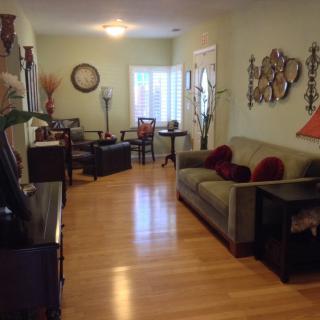
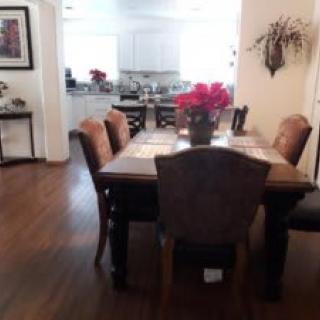
    Serenity Homes of San Fernando Valley in Van Nuys, CA is an assisted living community that specializes in memory care. Our facility offers a range of amenities to ensure the comfort and convenience of our residents, including air-conditioning, bath tubs, a beautician on-site, cable or satellite TV, a full kitchen, and ground floor units. We are proud to be handicap accessible and provide both indoor and outdoor common areas for our residents to enjoy.

    At Serenity Homes, we offer various care services to meet the unique needs of our residents. Our highly skilled staff provides high acuity care and medication management. In addition, we understand the importance of maintaining dignity and privacy for those with incontinence care needs.

    We strive to provide nutritious meals that cater to different dietary restrictions and preferences. Our dining options include gluten-free, international cuisine selections, low/no sodium dishes, sugar-free options, organic choices, room service for added convenience, special dining programs for communal dining experiences, and vegan options.

    Engaging activities are an essential part of life at Serenity Homes. We offer brain fitness exercises to stimulate cognitive abilities and cooking classes for culinary enthusiasts. Residents can participate in devotional activities off-site or join our gardening club to nurture their green thumbs. Enjoy live dance or theater performances as well as musical shows right within our community. For spiritual needs, we have visiting Rabbi services along with chaplain or priest visits as well.

    Serenity Homes is conveniently located near various amenities within the area. There are 5 cafes nearby where residents can enjoy a cup of coffee with friends or family members. Additionally, 4 parks provide opportunities for outdoor recreation. For medical needs, there are 27 pharmacies and 2 physicians in close proximity to the community. Our central location also offers easy access to 22 restaurants for dining out or exploring different cuisines. Transportation options are readily available with 2 transportation services nearby. Residents can also find solace in nearby places of worship and enjoy a night out at the theater. Lastly, there are 2 hospitals in close proximity for any medical emergencies.

    At Serenity Homes of San Fernando Valley, we provide exceptional care, a comfortable living environment, and an array of amenities to enhance the quality of life for our residents.

    Nearby Places of Interest

    Located in Van Nuys, California, this neighborhood offers convenient access to Van Nuys Airport and the FlyAway Bus Terminal for easy travel. There are a variety of dining options nearby including La Corona Mexican Grill, In-N-Out Burger, and several coffee shops such as Starbucks. For recreational activities, there are parks like Lake Balboa Park and Van Nuys Sherman Oaks Park within a short distance. Additionally, pharmacies like CVS and Walgreens are easily accessible for medical needs. Nearby healthcare facilities include Southern California Orthopedic Institute and Kaiser Permanente Emergency for any medical concerns. Places of worship such as Immanuel Bible Church and entertainment options like Regal Sherman Oaks Galleria theater are also close by. Overall, this area offers a mix of amenities that cater to seniors looking for a convenient and comfortable living environment.

    Transportation

    • Van Nuys Airport (VNY) (0.1 miles)
    • Van Nuys FlyAway Bus Terminal to LAX (0.8 miles)

    Restaurants

    • La Corona Mexican Grill (0.2 miles)
    • In-N-Out Burger (0.5 miles)
    • McDonald's (0.7 miles)
    • Vinh Loi Tofu (2.7 miles)
    • McDonald's (2.7 miles)
    • Wendy's (2.7 miles)
    • The Stand American Classics Redefined (3 miles)

    Cafes

    • Starbucks (1.1 miles)
    • Starbucks (3.4 miles)
    • Porto's Bakery & Cafe (4.4 miles)
    • Winnetka Bowl (4.6 miles)
    • Starbucks (4.7 miles)
    • Starbucks (6 miles)
    • Starbucks (6.4 miles)

    Parks

    • Lake Balboa Park (1.2 miles)
    • Encino Bike Path (1.9 miles)
    • Van Nuys Sherman Oaks Park (4.1 miles)
    • Playground (4.9 miles)
    • Serrania Park (6.2 miles)
    • Parthenia Park (6.3 miles)

    Pharmacies

    • CVS Pharmacy (1.6 miles)
    • CVS Pharmacy (2.3 miles)
    • Walgreens (2.4 miles)
    • CVS Pharmacy (2.4 miles)
    • Walgreens (2.5 miles)
    • Walgreens (2.8 miles)
    • Rite Aid (2.9 miles)

    Physicians

    • Southern California Orthopedic Institute (1.8 miles)
    • Mid-Valley Comprehensive Health Center (2.5 miles)
    • UCLA Health Woodland Hills (6.5 miles)

    Hospitals

    • Veterans Administration (3 miles)
    • Kaiser Permanente Emergency (3.8 miles)
    • Rinaldi Convalescent Hospital (5.4 miles)
    • Tebi, Sina Dr - Providence Holy Cross Medical Center Diabetes Education (5.7 miles)

    Places of Worship

    • Immanuel Bible Church (3.3 miles)
    • St Michael & All Angels (6.5 miles)

    Theaters

    • Regal Sherman Oaks Galleria (3.5 miles)

    Frequently Asked Questions

    How much does it cost to live at Grant Serenity Homes of San Fernando Valley in Van Nuys, CA?
    Where is Grant Serenity Homes of San Fernando Valley?
    Does Grant Serenity Homes of San Fernando Valley provide care for residents with dementia or Alzheimer's disease?
    Does Grant Serenity Homes of San Fernando Valley allow residents to have pets?

    Nearby Communities

    • The Cottages of Lake Balboa 2

      The Cottages of Lake Balboa 2

      Lake Balboa, CA

      4.8 from 18 reviews
      $5,500 to $7,000 / month

      pro Caring staff in a clean, home-like setting with memory-care support.

    • The Cottages of Lake Balboa 3

      The Cottages of Lake Balboa 3

      Lake Balboa, CA

      4.8 from 19 reviews
      $5,500 to $7,000 / month

      pro Caring, knowledgeable staff in a clean, home-like memory care setting.

    • Dependable Overnight Care

      Dependable Overnight Care

      Van Nuys, CA


      pro Intimate 6-bed setting with 24/7 supervision and comprehensive ADL support.

    • Care Palace

      Care Palace

      Van Nuys, CA


      pro Comprehensive, diabetes-aware care with 24/7 supervision and supportive services in a secure, furnished home.

    • Care Castle

      Care Castle

      Van Nuys, CA

      4.5 from 17 reviews
      $3,000 to $5,025 / month

      pro Small, private rooms with personalized, well-equipped care at an affordable price.

    • AmeriHome

      AmeriHome

      Lake Balboa, CA


      pro Specialized memory care with 24-hour supervision and personalized support.

    • Fickett Towers

      Fickett Towers

      Van Nuys, CA


      pro Excellent nearby amenities (dining, parks, pharmacies, hospitals).

    • Pacifica Senior Living Northridge

      Pacifica Senior Living Northridge

      Northridge, CA

      4.8 from 83 reviews
      $2,965 to $3,665 / month

      pro Caring staff in a welcoming, active community.

    • AvantGarde Senior Living

      AvantGarde Senior Living

      Tarzana, CA

      4.4 from 60 reviews
      $2,000 to $4,500 / month

      pro Clean, modern facility with friendly staff and engaging activities.

    Related Resources

    • when to move from assisted living to memory careWhen to Transition from Assisted Living to Memory Care: Key Indicators, Steps, and Finding the Right Community

      Transitioning from assisted living to memory care is driven by an individual's cognitive decline and specific needs, requiring careful evaluation of indicators like increased confusion and wandering. The process involves consulting medical professionals, researching suitable communities, considering financial and legal aspects, and ensuring effective communication for personalized care plans.

    • assisted living vs memory careUnderstanding the Distinctions: Assisted Living and Memory Care Explained

      The article differentiates between assisted living and memory care, explaining that assisted living supports seniors with daily activities while promoting independence, whereas memory care provides specialized services for individuals with dementia, focusing on secure environments and cognitive support. It also addresses staff training, safety considerations, costs, family involvement, and transition strategies for families navigating these care options.

    • how to talk to someone with dementiaHow to Communicate with a Loved One Living with Dementia: 10 Supportive Strategies

      The article outlines effective communication strategies for interacting with loved ones with dementia, highlighting the need for empathy, patience, and understanding while emphasizing supportive approaches like using simple language, minimizing distractions, and focusing on feelings over facts to maintain dignity and foster connection. It also suggests seeking professional guidance when needed as communication challenges evolve.


    Get Pricing Ask A Question Schedule A Tour Contact Senior Advisor