
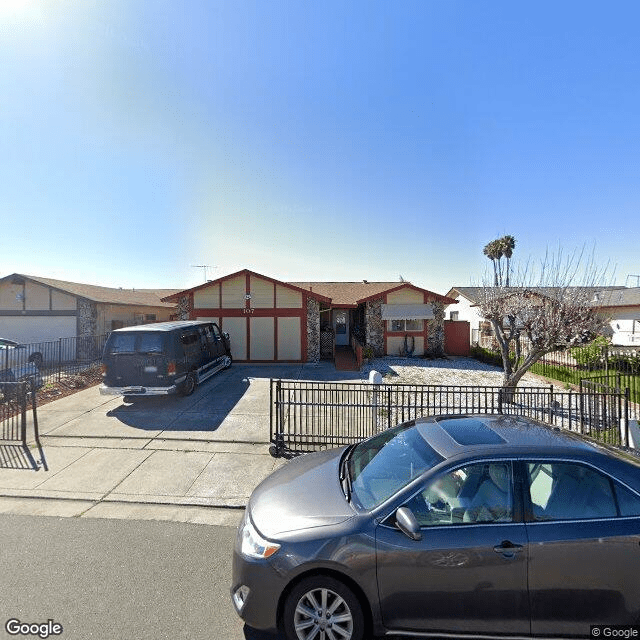
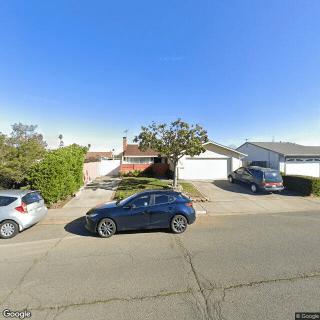
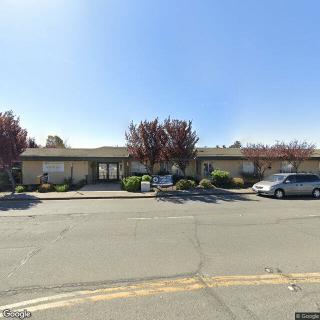
107 Sandpiper Drive, Vallejo, CA 94589
For more information about senior living options: (866) 208-4318
Avelina Francisca Care Home II Costs & Pricing
Avelina Francisca Care Home II offers competitive pricing for its accommodations, making it an attractive option for families seeking affordable care solutions. The monthly cost for a private room at Avelina Francisca Care Home II is $1,500, which is significantly lower than both the Solano County average of $3,482 and the statewide average of $3,939. For those considering semi-private rooms, Avelina's rate of $1,800 also stands out favorably against the Solano County average of $2,762 and California's average of $3,333. This pricing structure not only underscores Avelina Francisca Care Home II's commitment to providing accessible care but also highlights its value in comparison to regional and state benchmarks.
| Floor plans | Avelina Francisca Care Home II | Solano County | California |
|---|---|---|---|
| Private | $1,500 | $3,482 | $3,939 |
| Semi-Private | $1,800 | $2,762 | $3,333 |
Memory care communities with a similar price nearby
-
from +$275 / mo
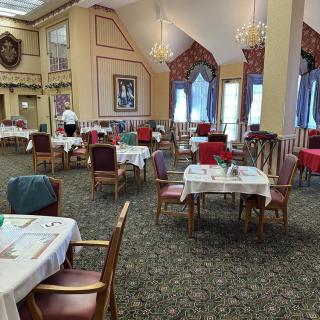
El Cerrito Royale
$1,775 to $3,775 / month16.0 miles away -
from +$100 / mo
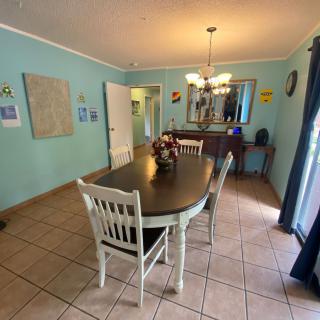
New Alamo Residence Home
$1,600 to $5,500 / month24.6 miles away -
from +$100 / mo
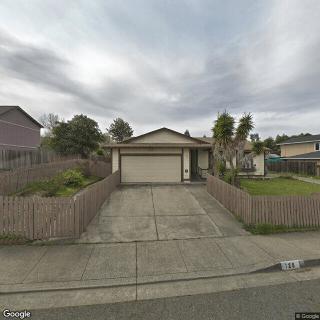
The Isles Assisted Living Facility
$1,600 to $2,000 / month3.1 miles away -
About the same
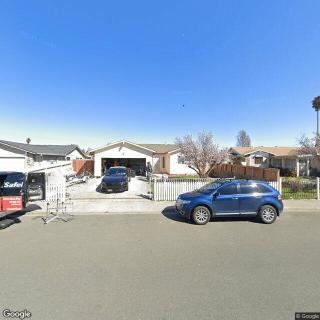
Avelina Francisca Care Home
$1,500 to $1,800 / month0.0 miles away -
from +$200 / mo
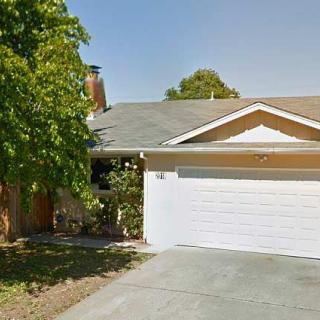
C & C Residential Care Home
$1,700 to $2,000 / month15.9 miles away
Overall Review of Avelina Francisca Care Home II
Pros
 The care home is described as wonderful, with caregivers and owners who truly care and take pride in their work.
 - It is well staffed with passionate caregivers who provide strong support and care to residents.
- The staff are kind, professional, and caring, and the residence is welcoming and well maintained.
- Residents receive three home-cooked, balanced meals daily with snacks.
- The staff celebrate birthdays and holidays with barbecues and potlucks, creating a warm, community atmosphere.
- The staff are knowledgeable and go above and beyond when residents are sick, earning referrals from families.
Review
Avelina Francisca Care Home II in Vallejo is best suited for seniors who want a small, homelike setting where caregivers and the owners are visibly committed to daily, personalized attention. The feedback portrays a clean, welcoming environment with a rhythm of home-cooked meals, social gatherings, and regular celebrations that build a sense of belonging. Families seeking clear, dependable communication and accessible leadership will find the staff reachable and responsive, able to handle changing needs with calm competence. This community rewards residents who thrive on structure, routine, and intimate, day-to-day engagement rather than a large-campus atmosphere.
That said, there are families who may want alternatives. For residents requiring extensive medical oversight, rehabilitation services, or memory-care specialization, this setting may not deliver the breadth of clinical resources found in bigger facilities. The care model centers on a residential, home-like experience rather than a hospital-like continuum of care, so those with high-acuity needs should compare options carefully. There is at least one low rating among the reviews, without context, which signals the importance of visiting, asking pointed questions, and verifying consistency in staffing and responsiveness.
The strongest positives are operational: staff quality and accessibility. Reviewers repeatedly highlight compassionate, professional caregivers who take pride in their work and maintain high standards of cleanliness. The leadership’s involvement comes through in easy communication and hands-on oversight, which translates into reliable daily care tasks, bathing, dressing, laundry, and meals, handled with dignity and tact. A family-friendly dynamic emerges because those who visit are greeted warmly, and the care team demonstrates a readiness to go the extra mile when a resident falls ill, reducing family anxiety during difficult times.
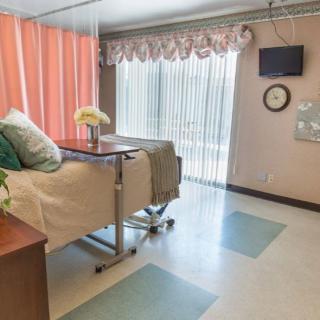
Environment and social life further offset typical residential-care drawbacks. The home’s quaint, garden-centric setting invites residents to enjoy outdoor spaces, while a steady schedule of celebrations, birthdays, holidays, barbecues, and potlucks, creates meaningful social moments. Nutritious, home-cooked meals accompany daily routines, contributing to residents’ comfort and morale. Clean rooms, fresh linens, and well-kept common areas reinforce a respectful atmosphere where residents feel seen and secured. In short, the setting prioritizes personal dignity, relational warmth, and ongoing social engagement over transactional, clinical intensity.
Addressing the potential drawbacks directly remains essential. The solitary 1-star rating in the pool of feedback is a reminder to probe during tours about consistency in staffing, caregiver-to-resident ratios, and after-hours coordination for medical needs. Prospective residents should verify whether specialized memory support or rehabilitation services exist on-site or through partner arrangements, and how activities are adapted to mobility or cognitive variation. Understanding these operational details will clarify whether the home’s strengths align with specific care requirements and family expectations.
Bottom-line guidance for families: this Vallejo community stands out when the priority is a warm, person-centered environment with deeply involved caregivers and accessible leadership. It delivers steady caregiving, clean and comfortable living spaces, and social engagement that preserves residents’ dignity and sense of community. For families prioritizing robust medical supervision, broad clinical resources, or specialized memory-care programs, it is prudent to compare with larger facilities or those known for clinical intensity. The recommended next steps are straightforward: arrange tours at different times, meet the caregiving team and the owner, review staffing ratios and activity calendars, and seek transparent answers on medical oversight and transition planning before committing.
 6 resident community capacity
 Assisted Living
 Board and Care Home
 Memory Care
 Cable or satellite TV
 Dining room
 Fully furnished
 Garden
 Housekeeping services
 Move-in coordination
 Outdoor space
 Private
 Telephone
 Wi-Fi/high-speed internet available
 24-hour supervision
 Activities of daily living assistance
 Assistance with bathing
 Assistance with dressing
 Assistance with transfers
 Diabetes diet
 Meal preparation and service
 Medication management
 Special dietary restrictions
 Transportation arrangement (medical)
 Transportation to doctors appointments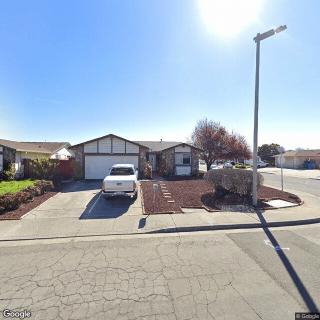


 Comprehensive Guide to VA Nursing Homes: A Crucial Long-Term Care Resource for Veterans
 Estimating the Expenses of At-Home Dementia Care: A Detailed Exploration
 Comprehensive Insights on the Late Stages of Dementia: What to Expect and How to Provide Care