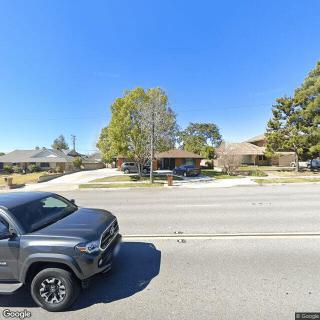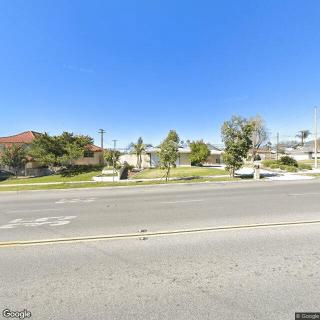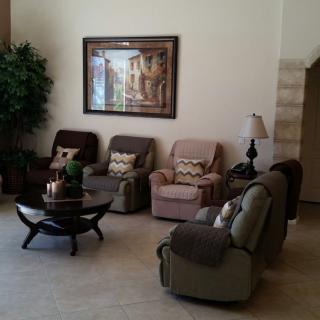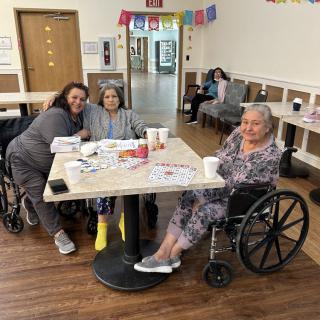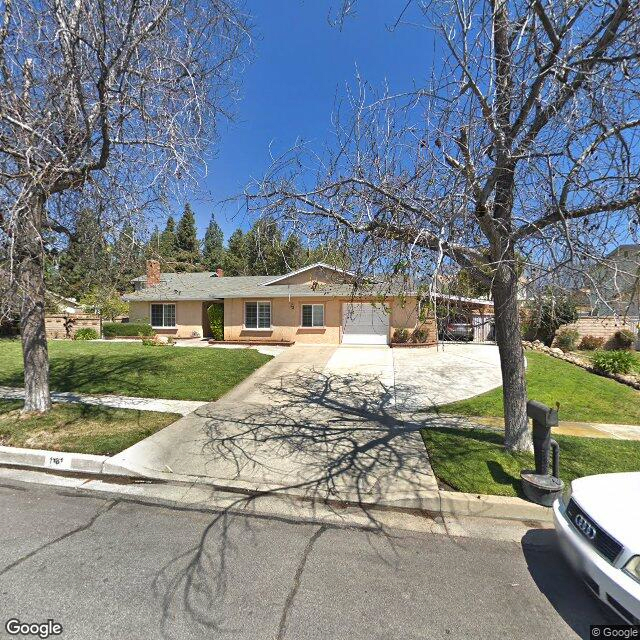
M.A.M. Family Home 1 in Upland, CA

Save
M.A.M. Family Home 1

M.A.M. Family Home 1 in Upland, CA

Information last verified:

1181 Kirby Court, Upland, CA 91786

For more information about senior living options: (844) 490-3973

3 from 1 review

M.A.M. Family Home 1 Costs & Pricing

M.A.M. Family Home 1 offers a range of accommodation options at competitive prices within the context of San Bernardino County and California as a whole. For semi-private rooms, residents can expect to pay $3,200 per month, which is slightly above the county average of $2,958 but remains lower than the state average of $3,333. Private rooms are priced at $3,500, positioning them just below the county's average of $3,561 and notably under the California state average of $3,939. Studio accommodations are available for $4,000, which is higher than both the county's average of $3,455 and the state's figure of $4,145. Overall, M.A.M. Family Home 1 provides affordable living arrangements tailored to individual needs while maintaining a focus on quality care and community.

Floor plansM.A.M. Family Home 1San Bernardino CountyCalifornia
Semi-Private$3,200$2,958$3,333
Private$3,500$3,561$3,939
Studio$4,000$3,455$4,145

Overall Review of M.A.M. Family Home 1

Pros

  • pro They had a good experience during the tour.
  • pro They gained a good insight into what goes into their care.
  • pro The tour guide was good for its purpose.

Review

M.A.M. Family Home 1 in Upland, CA is best suited for families who want a straightforward, transparent introduction to care processes in a smaller, home-like setting. This community appears most appropriate for loved ones who do not require intensive medical intervention and for families that prize clarity over glossy marketing. If the priority is to understand what daily care looks like and to receive a candid, practical tour that explains staffing roles, routines, and oversight, this setting provides exactly that kind of upfront visibility.

The lone review highlights a positive, purpose-driven tour experience. The staff member leading the tour was described as effective for its purpose, delivering insights into how care is organized and what goes into supporting residents. That kind of direct, explanatory approach matters, because it helps families form a concrete sense of daily operations rather than leaving questions unanswered. However, the data point is thin: a single impression cannot establish consistency, nor can it prove outcomes across shifts, weekends, or resident scenarios.

With only one review and a mid-range rating, those who require robust clinical performance metrics or specialized memory-care capabilities should consider alternatives. Families seeking detailed quantitative evidence, such as staffing ratios, incident histories, care-plan rigor, or third-party evaluations, will want more data before committing. In practice, this community may work well for individuals who value a smaller, home-like environment and an open line of communication, provided expectations stay aligned with what the site can demonstrably support.

The available pros do offset some risk inherent in an under-documented care history. A transparent tour that clearly outlines care commitments reduces guesswork and helps families prepare the right questions for later stages. This clarity is especially valuable when evaluating how the team approaches daily routines, response protocols, and resident wellbeing. Yet the main caveat remains: a single positive impression does not confirm reliability or long-term quality, and the absence of broader feedback leaves a degree of doubt about consistency and outcomes over time.

Practical next steps are essential for anyone seriously considering this community. Arrange a longer, more immersive visit that goes beyond the initial tour; insist on meeting multiple caregivers and supervisors, not just the tour guide. Observe meal times, social activities, and safety practices; request sample care plans and ask pointed questions about medication management, mobility assistance, and emergency responsiveness. Verify licensing status with the state and solicit references from current or former residents and families. This due diligence turns an informative tour into a defensible decision.

In the final assessment, M.A.M. Family Home 1 presents as a credible option for families prioritizing transparency and a candid preview of care processes within a modest, less clinical setting. It is most appropriate for residents who thrive in a smaller community and for families who value direct, practical answers. For those seeking proven clinical outcomes, extensive memory-care capabilities, or evidence from a broad range of independent reviews, exploring additional options remains prudent. The decision should hinge on the depth of assurance obtained through extended visits, meaningful staff interactions, and corroborating references.

Features

Housing

  • 6 resident community capacity 6 resident community capacity

Types of Care

  • Assisted Living Assisted LivingAssisted living facilities provide crucial support and care for seniors who may need help with daily tasks such as medication management, bathing, and meal preparation. These communities offer a safe and comfortable environment where seniors can maintain their independence while receiving the assistance they need to thrive in their golden years.
  • Board and Care Home Board and Care HomeBoard and care homes provide a smaller, more intimate setting for seniors who require assistance with daily tasks but do not need the level of care offered by a nursing home. They offer personalized care, meals, and social activities in a homelike environment, ensuring that seniors receive individualized attention and support in their golden years.
  • Memory Care Memory CareMemory care is crucial for seniors as it provides specialized support and services for individuals with dementia or Alzheimer's disease. These programs offer a safe and secure environment where residents receive personalized care, cognitive stimulation, and help with daily activities. Memory care helps seniors maintain their independence, quality of life, and dignity while also providing peace of mind for their families.

Pets

  • Dogs allowed Dogs allowed"Pet friendly" senior living communities are important for seniors because pets provide companionship, reduce feelings of loneliness and depression, promote physical activity and mental stimulation, and offer a sense of purpose and responsibility. Pets can improve overall well-being and quality of life for seniors in many ways.

Amenities

  • Activities on-site Activities on-siteActivities on-site are important for seniors because they provide opportunities for socialization, mental stimulation, physical activity, and overall well-being. Engaging in activities can help seniors stay active, maintain their independence, and improve their quality of life.
  • Cable or satellite TV Cable or satellite TVCable or satellite TV is important for seniors because it provides entertainment, news, and companionship, helping to combat loneliness and boredom. It also offers a wide range of programming options tailored to different interests and preferences.
  • Devotional services off-site Devotional services off-siteDevotional services off-site are important for seniors as they provide spiritual nourishment, social engagement, and a sense of community outside of the senior living facility. This can enhance overall well-being and help combat feelings of isolation and loneliness often experienced by older adults.
  • Dining room Dining roomDining rooms are important for seniors as they provide a space for socialization, connection, and nutritious meals. They offer opportunities for residents to bond over shared meals, foster a sense of community, and promote healthy eating habits. Dining rooms also ensure that seniors have access to well-balanced meals tailored to their dietary needs and preferences.
  • Fully furnished Fully furnishedFully furnished senior living communities are important for seniors because they provide convenience, comfort, and a hassle-free moving experience. Seniors can easily settle into their new living space without the stress of having to buy and move furniture. This allows them to focus on enjoying their new home and community.
  • Garden GardenGardens are important for seniors as they provide a peaceful and therapeutic environment for relaxation, physical activity, and socialization. Being in nature has been shown to reduce stress, improve mood, and promote overall well-being. Gardens also offer opportunities for seniors to engage in gardening activities, which can improve mobility, flexibility, and cognitive function. Additionally, gardens create a sense of community and connection with others who share a passion for plants and outdoor spaces.
  • Housekeeping services Housekeeping servicesHousekeeping services are important for seniors because they help maintain a clean and safe living environment, promote independence, and reduce the risk of accidents or illnesses. Additionally, having assistance with household chores can alleviate physical strain and allow seniors to focus on other aspects of their well-being.
  • Move-in coordination Move-in coordinationMove-in coordination is important for seniors because it helps ease the transition into their new living environment. It ensures that all logistics, such as packing, organizing movers, and setting up utilities are taken care of, allowing seniors to focus on settling in and adjusting to their new home. Having a smooth move-in process can alleviate stress and anxiety, making the transition smoother and more enjoyable for seniors.
  • Outdoor space Outdoor spaceOutdoor spaces are important for seniors as they provide opportunities for physical activity, social interaction, exposure to natural light and fresh air, and a sense of connection to nature. Having access to outdoor spaces can improve overall well-being and quality of life for older adults living in senior communities.
  • Private PrivatePrivacy is important for seniors as it allows them to maintain their independence, dignity, and sense of control over their own lives. It also gives them the space and freedom to relax, reflect, and engage in activities that bring them joy and fulfillment. Creating private spaces within senior living facilities is crucial for promoting overall well-being and quality of life.
  • Telephone TelephoneTelephones are important for seniors as they provide a lifeline for communication with loved ones, emergency services, and healthcare providers. They offer a sense of security and independence, enabling seniors to stay connected and access assistance when needed.
  • Wi-Fi/high-speed internet available Wi-Fi/high-speed internet availableWi-Fi/high-speed internet is important for seniors to stay connected with loved ones, access online resources, and participate in virtual activities to combat feelings of loneliness and isolation. It also allows them to easily manage healthcare needs, access entertainment, and engage in lifelong learning opportunities.

Transportation

  • Ontario International (6 miles away) Ontario International (6 miles away)

Care Services

  • 24-hour supervision 24-hour supervision24-hour supervision is important for seniors to ensure their safety, well-being, and access to immediate assistance in case of emergencies or health issues. This constant support provides peace of mind for both seniors and their loved ones, allowing them to age in place with dignity and security.
  • Activities of daily living assistance Activities of daily living assistanceActivities of daily living assistance are important for seniors because they provide essential support with tasks such as eating, bathing, dressing, and mobility. This assistance helps seniors maintain their independence, dignity, and overall quality of life as they age.
  • Ambulatory care Ambulatory care"Ambulatory care services provide essential medical support and treatment to seniors without requiring hospitalization, allowing them to maintain their independence and quality of life while managing chronic conditions or receiving routine medical care."
  • Assistance with bathing Assistance with bathingAssistance with bathing is crucial for seniors as it helps maintain personal hygiene, prevents infections, and ensures their overall well-being and comfort. It also provides a sense of dignity and independence for seniors who may struggle with this task on their own.
  • Assistance with dressing Assistance with dressingAssistance with dressing is important for seniors because it helps maintain their independence, promotes personal hygiene, prevents accidents and injuries, and improves overall quality of life. This service ensures that seniors can continue to dress comfortably and confidently, despite any physical limitations they may have.
  • Assistance with transfers Assistance with transfersAssistance with transfers is crucial for seniors as it helps prevent falls and injuries, maintains their independence, and ensures they can safely navigate their living environment. It also provides peace of mind for both seniors and their loved ones.
  • Coordination with health care providers Coordination with health care providersCoordination with health care providers is crucial for seniors to ensure proper medical care, medication management, and overall well-being. This collaboration helps prevent overlapping treatments, track progress more effectively, and provide comprehensive support tailored to individual needs.
  • Diabetes diet Diabetes dietA diabetes diet is crucial for seniors as it helps manage blood sugar levels, reduce risks of complications, and improve overall health and well-being. By following a balanced and nutritious diet tailored to their specific needs, seniors can better control their diabetes and enhance their quality of life.
  • High acuity care High acuity careHigh acuity care is important for seniors because it provides specialized medical attention and support for individuals with complex medical needs. This level of care ensures that seniors receive the appropriate treatment and assistance to maintain their health and quality of life as they age.
  • Meal preparation and service Meal preparation and serviceMeal preparation and service are crucial for seniors as they may have limited mobility or energy to cook nutritious meals. Having access to healthy and convenient food options can ensure they are getting the proper nutrition needed to maintain their overall health and well-being.
  • Medication management Medication managementMedication management is crucial for seniors to ensure they are taking the right medications at the correct dosages and times. This helps prevent adverse drug interactions, reduces the risk of medication errors, and promotes overall health and well-being. Proactive management also allows for adjustments as needed based on changing health conditions or new prescriptions.
  • Special dietary restrictions Special dietary restrictionsSpecial dietary restrictions are important for seniors because age-related changes in metabolism and health conditions can make it difficult for their bodies to process certain foods. By following a diet tailored to their specific needs, seniors can maintain their overall health and well-being, manage chronic conditions, and reduce the risk of complications such as malnutrition or food interactions with medications.
  • Transportation arrangement (medical) Transportation arrangement (medical)Transportation arrangements for medical purposes are essential for seniors as they may have difficulty driving themselves to appointments or accessing public transportation. Having reliable and safe transportation options ensures that seniors can receive timely medical care and maintain their health and well-being.
  • Transportation to doctors appointments Transportation to doctors appointmentsTransportation to doctors' appointments is crucial for seniors as it ensures they have access to necessary medical care and support for their health needs. Without reliable transportation, seniors may struggle to attend important appointments, leading to potential delays in treatment and health complications. Providing transportation services helps seniors maintain their overall well-being and quality of life.

Dining

  • Diabetes diet Diabetes dietA diabetes diet is crucial for seniors as it helps manage blood sugar levels, reduce risks of complications, and improve overall health and well-being. By following a balanced and nutritious diet tailored to their specific needs, seniors can better control their diabetes and enhance their quality of life.
  • Special dietary restrictions Special dietary restrictionsSpecial dietary restrictions are important for seniors because age-related changes in metabolism and health conditions can make it difficult for their bodies to process certain foods. By following a diet tailored to their specific needs, seniors can maintain their overall health and well-being, manage chronic conditions, and reduce the risk of complications such as malnutrition or food interactions with medications.

Activities

  • Activities on-site Activities on-siteActivities on-site are important for seniors because they provide opportunities for socialization, mental stimulation, physical activity, and overall well-being. Engaging in activities can help seniors stay active, maintain their independence, and improve their quality of life.
  • Christian services Christian servicesChristian services are important for seniors because they provide a sense of community, spiritual support, and opportunities for connection with others who share their faith. These services can offer comfort, hope, and guidance as seniors navigate the challenges of aging and find meaning and purpose in their lives.
  • Community-sponsored activities Community-sponsored activitiesCommunity-sponsored activities are important for seniors as they provide opportunities for social interaction, mental stimulation, and physical activity. These activities can help improve overall well-being, combat loneliness and isolation, and promote a sense of belonging and purpose among older adults.
  • Devotional activities offsite Devotional activities offsiteDevotional activities offsite are important for seniors because they provide social engagement, spiritual growth, and a sense of community outside of their living environment. This can improve overall well-being, mental health, and combat feelings of isolation or loneliness.
  • Scheduled daily activities Scheduled daily activitiesScheduled daily activities are important for seniors because they provide structure, socialization, mental stimulation, and physical activity. Engaging in regular activities can improve overall well-being and quality of life for seniors living in a community setting.

Description

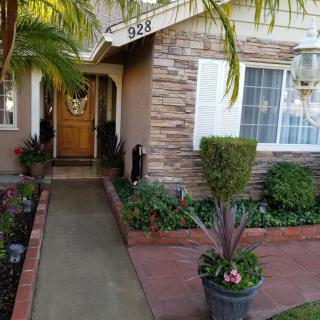
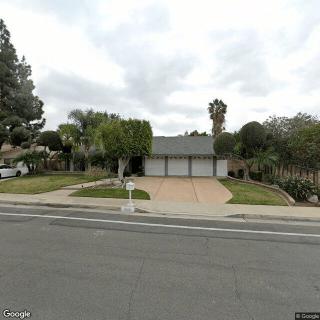
M.A.M. Family Home 1 is an assisted living community located in Upland, CA. Offering both board and care home services as well as memory care, this community provides a range of care options to cater to individual needs.

Residents at M.A.M. Family Home 1 can enjoy a variety of amenities designed to enhance their comfort and well-being. Each living space is fully furnished and includes cable or satellite TV and Wi-Fi/high-speed internet access. The community also features a beautiful garden and outdoor space for residents to relax and enjoy nature. Housekeeping services are provided to ensure a clean and tidy environment.

The compassionate staff at M.A.M. Family Home 1 offers assistance with activities of daily living such as bathing, dressing, and transfers. They also coordinate with health care providers to ensure that residents receive the necessary medical care. The staff is trained in diabetes diet management and high acuity care, providing specialized support for those with specific dietary restrictions.

Delicious meals are prepared and served on-site according to individual dietary restrictions. Special dietary requirements are accommodated to ensure that each resident's nutritional needs are met.

Engaging activities are offered on a daily basis, including Christian services, community-sponsored activities, devotional activities offsite, and scheduled daily activities. These opportunities allow residents to socialize, stay active, and maintain personal interests.

Conveniently located near various amenities, there are cafes, parks, pharmacies, physicians' offices, restaurants, transportation options, places of worship nearby for the convenience of residents and their families.

M.A.M. Family Home 1 strives to provide a comfortable and supportive environment where residents can thrive while receiving personalized care services tailored to their unique needs.

Nearby Places of Interest

This part of Upland, California offers a variety of amenities that cater to seniors looking for convenience and accessibility. With several pharmacies located within a few miles, obtaining prescription medication is easily manageable. Additionally, there are numerous physicians and medical facilities nearby, including ultrasound services and specialized medical groups, ensuring residents have access to quality healthcare. The area also features a range of dining options, from fast-food chains like McDonald's to sit-down restaurants like The Hat and Lazy Dog Restaurant & Bar. Places of worship are also easily accessible for those seeking spiritual fulfillment. For recreation, there are several parks within driving distance, providing opportunities for outdoor activities. Transportation is convenient with the Montclair Metrolink Station nearby and Ontario International Airport just a short drive away. Overall, this neighborhood offers a mix of essential services and entertainment options suitable for senior living in Upland.

Pharmacies

  • Walgreens (0.8 miles)
  • CVS Pharmacy (1.3 miles)
  • CVS Pharmacy (1.4 miles)
  • Ken Pharmacy (1.7 miles)
  • CVS Pharmacy (1.8 miles)
  • CVS Pharmacy (2 miles)
  • Rite Aid (2.9 miles)

Physicians

  • Heavenly 3D 4D Ultrasounds (0.9 miles)
  • Tarick Smaili, MD (1 miles)
  • Womens View Medical Group (1.2 miles)
  • City Of Hope Upland (2.3 miles)
  • Dr Robert. Armada (2.3 miles)
  • Care For Womens Medical Group (2.4 miles)
  • Face And Body Cosmetic Surgery Upland (2.4 miles)

Restaurants

  • McDonald's (1.1 miles)
  • The Hat (1.6 miles)
  • McDonald's (2.5 miles)
  • Lazy Dog Restaurant & Bar (2.5 miles)
  • Vince's Spaghetti (2.7 miles)
  • McDonald's (3.1 miles)
  • Bardot (3.1 miles)

Places of Worship

  • First Presbyterian Church Upland (1.4 miles)
  • St Anthony's Catholic Church (1.6 miles)
  • Charisma Life Church (4.8 miles)
  • Hillside Community Church (5.9 miles)

Parks

  • Citrus Park (2 miles)
  • Central Park (6.3 miles)
  • Ruben S Ayala Park (7.4 miles)

Transportation

  • Montclair Metrolink Station (2.2 miles)
  • Pomona Station (5.1 miles)
  • Ontario International Airport - Terminal 2 (5.8 miles)
  • Baggage Claim T2 (5.8 miles)
  • Ontario International Airport (ONT) (6.2 miles)
  • Ontario Int'L-Terminal 4 (6.2 miles)
  • Baggage Claim T4 (6.2 miles)

Hospitals

  • San Antonio Community Hospital Maternity Information Services (2.3 miles)
  • San Antonio Medical Center (2.4 miles)
  • Pomona Valley Hospital Medical Center (5.5 miles)
  • Casa Bonita (7.4 miles)

Theaters

  • AMC DINE-IN Montclair Place 12 (2.7 miles)
  • AMC DINE-IN Ontario Mills 3 (7.4 miles)
  • Regal Edwards Ontario Palace Screenx, Imax & RPX (7.5 miles)

Cafes

  • Starbucks (4.5 miles)
  • Starbucks (5.1 miles)
  • Panera Bread (5.5 miles)
  • Starbucks (5.9 miles)
  • Starbucks (7 miles)
  • Starbucks (7.7 miles)

Frequently Asked Questions

How much does it cost to live at M.A.M. Family Home 1 in Upland, CA?
Where is M.A.M. Family Home 1?
Does M.A.M. Family Home 1 provide care for residents with dementia or Alzheimer's disease?
Does M.A.M. Family Home 1 allow residents to have pets?

Nearby Communities

  • Maywood Board and Care

    Maywood Board and Care

    Upland, CA

    5 from 1 review
    $2,500 to $3,000 / month

    pro Affordable high-acuity care with on-site devotional services and vegetarian dining.

  • Brentwood Eldercare for Women

    Brentwood Eldercare for Women

    Upland, CA

    4.5 from 85 reviews
    $2,500 to $3,000 / month

    pro Attentive staff, clean, homelike atmosphere, and good meals.

  • Brentwood Elder Care For Women

    Brentwood Elder Care For Women

    Upland, CA

    5 from 1 review
     

    pro Fully furnished board-and-care with 24/7 supervision, ADL assistance, diabetes-friendly meals, and transportation.

  • San Antonio Manor

    San Antonio Manor

    Upland, CA


    pro Strong nearby amenities and healthcare access.

  • M.A.M. Family Home II

    M.A.M. Family Home II

    Upland, CA

    3.6 from 9 reviews
    $3,000 to $3,500 / month

    pro Friendly, caring staff in a clean, welcoming environment with personalized attention.

  • LightShine Homecare,  Inc.

    LightShine Homecare, Inc.

    Upland, CA

    4.7 from 6 reviews
    $3,500 to $5,000 / month

    pro Immaculate cleanliness, attentive staff, and transparent family communication.

  • Oakmont of San Antonio Heights

    Oakmont of San Antonio Heights

    Upland, CA

    4.5 from 126 reviews
    $4,095 to $7,795 / month

    pro Friendly, engaged staff in a well-maintained, amenity-rich community.

  • Las Colinas Post Acute

    Las Colinas Post Acute

    Ontario, CA

    2.8 from 110 reviews
     

    pro Caring staff, engaging activities, and spacious rooms with strong physical therapy.

  • Claremont Villas

    Claremont Villas

    Claremont, CA

    4.5 from 64 reviews
    $771 to $1,114 / month

    pro Renovated, clean apartments with friendly staff in a walkable Claremont Village location.

Related Resources

  • does my mom have dementia quizFive Subtle Dementia Indicators to Observe: An In-Depth Guide to Understanding “Does My Mom Have Dementia?”

    The article presents five subtle indicators of dementia, such as memory lapses and mood swings, to help families assess cognitive decline in loved ones. It emphasizes early detection, open communication, and seeking professional help while providing practical support steps.

  • dementia paranoiaDementia, Paranoia, and Caregiver Guidance: Understanding the Connection
    Dementia encompasses progressive neurological disorders that impair cognitive functions and can lead to paranoia due to cognitive decline and emotional changes. The article discusses the triggers of paranoia in dementia, caregiver strategies for managing it, and the importance of distinguishing between dementia-related paranoia and other psychiatric conditions.

  • memory care activitiesEngaging Memory Care Activities That Enhance Quality of Life

    Memory care activities are essential for improving the quality of life of seniors with cognitive impairments, as they stimulate cognitive function, promote well-being, and encourage social interaction through tailored strategies. These activities combine structured exercises with spontaneous tasks, sensory engagement, physical workouts, creative pursuits, and intergenerational interactions to enhance emotional connection and a sense of purpose.