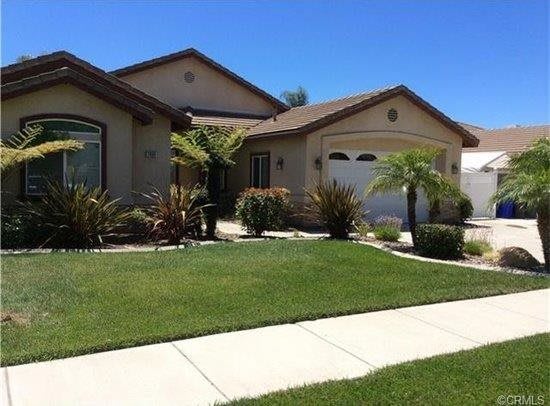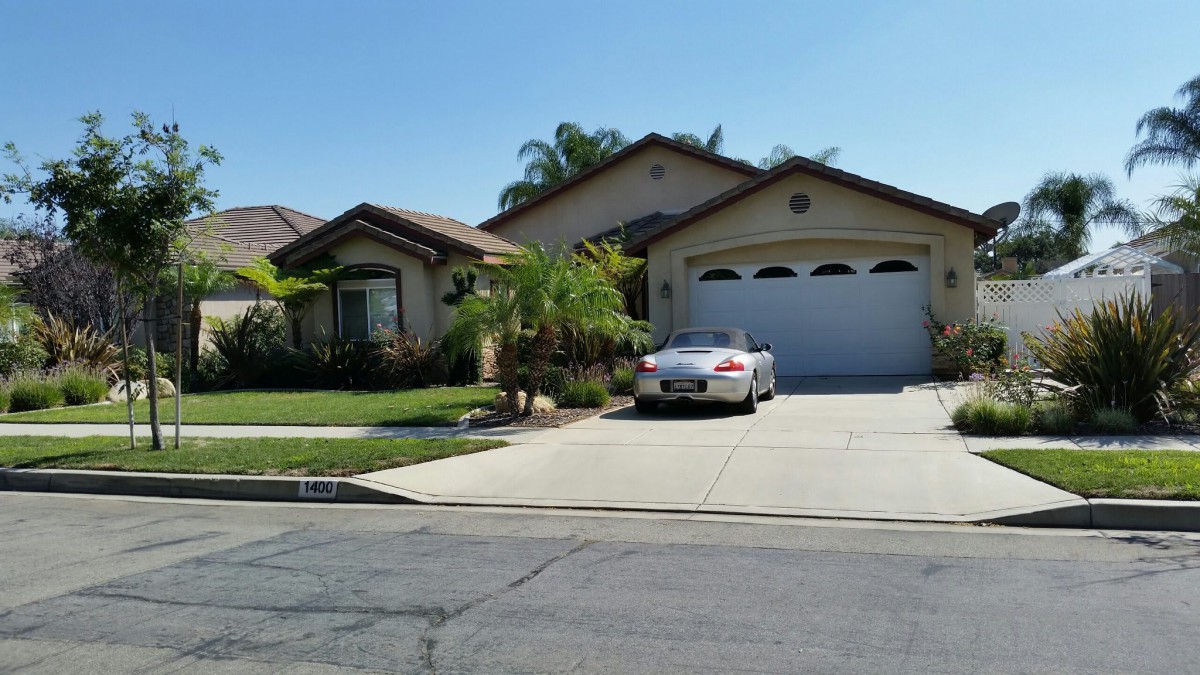
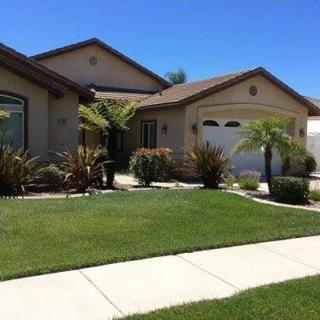
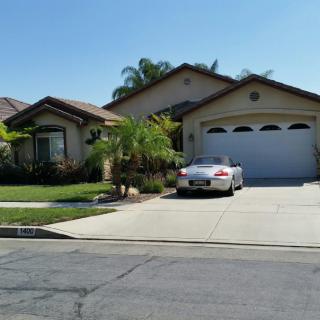
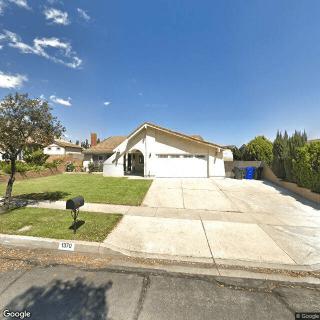
1400 Purdue St, Upland, CA 91786
To contact a resident: (909) 931-1568
For more information about senior living options: (866) 208-4318
LightShine Homecare, Inc. Costs & Pricing
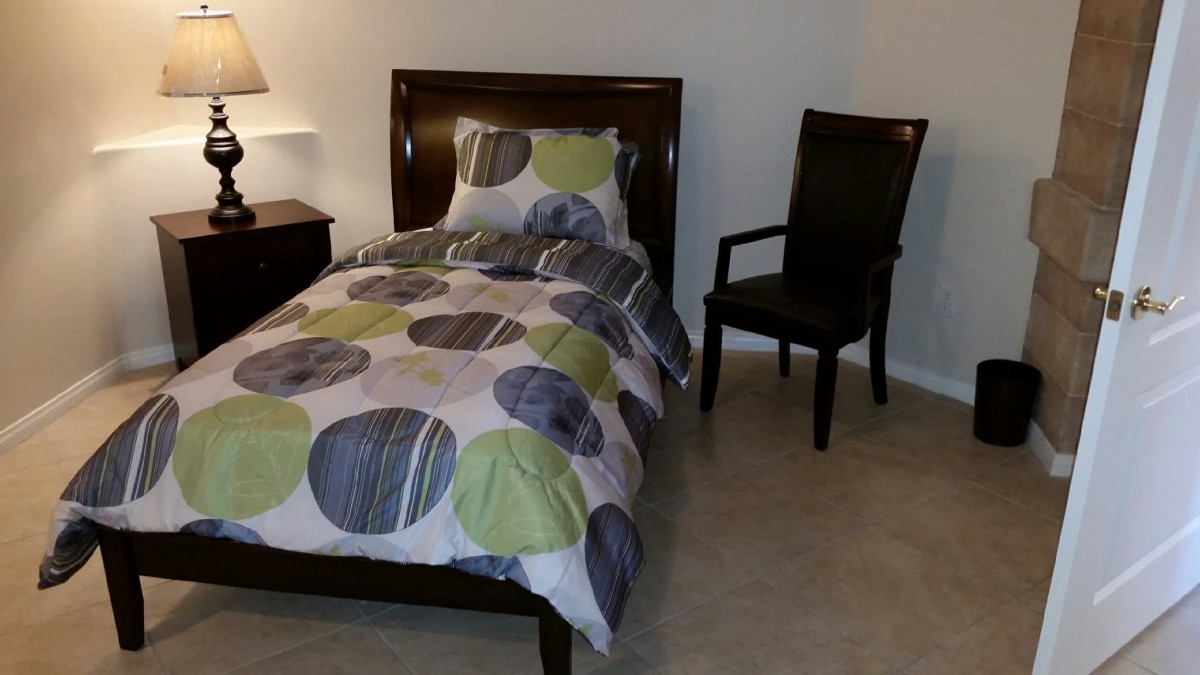
LightShine Homecare, Inc. offers competitive pricing for its services, particularly when compared to the broader market in San Bernardino County and throughout California. For a semi-private room, LightShine charges $3,500 per month, which is notably higher than the county average of $2,958 but remains slightly below the state average of $3,333. In the private room category, their rate of $4,000 aligns closely with both local and state trends - slightly above San Bernardino County's average of $3,561 but below California's overall cost of $3,939. Additionally, for studio accommodations priced at $5,000 per month, LightShine's offering stands out as higher than both the county's average of $3,455 and California's average of $4,145. This pricing strategy reflects LightShine's commitment to providing quality care while navigating regional cost dynamics.
| Floor plans | LightShine Homecare, Inc. | San Bernardino County | California |
|---|---|---|---|
| Semi-Private | $3,500 | $2,958 | $3,333 |
| Private | $4,000 | $3,561 | $3,939 |
| Studio | $5,000 | $3,455 | $4,145 |
Memory care communities with a similar price nearby
-
from +$495 / mo
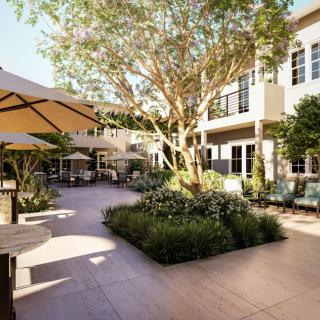
Cadence Brea
$3,995 to $5,500 / month18.3 miles away -
About the same
Genesis Manor VI
$3,600 to $4,200 / month4.6 miles away -
About the same
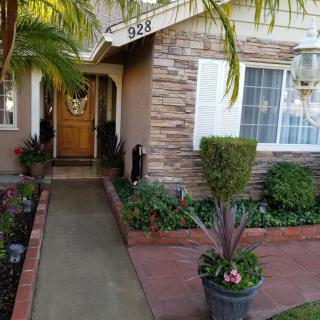
Comfort Keepers Home Care
$3,500 to $6,500 / month17.7 miles away -
from -$500 / mo
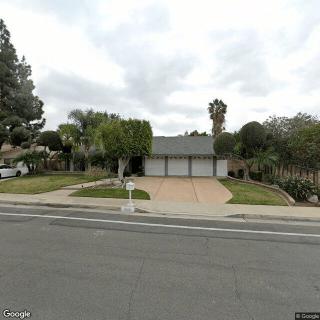
Best Elderly Care I
$3,000 to $3,500 / month22.6 miles away -
About the same
Genesis Manor I
$3,600 to $4,200 / month4.1 miles away
Overall Review of LightShine Homecare, Inc.
Pros
 The owner and staff are God-sent.
 - The dad is well taken care of.
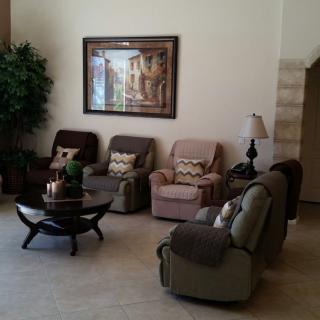
- The home is immaculately clean and the staff are attentive.
- They communicate with the family regarding the dad’s health.
- The dad has been there for over five years and is happy there.
- The staff are professional, kind, understanding, and patient, described as angels with the patience of saints.
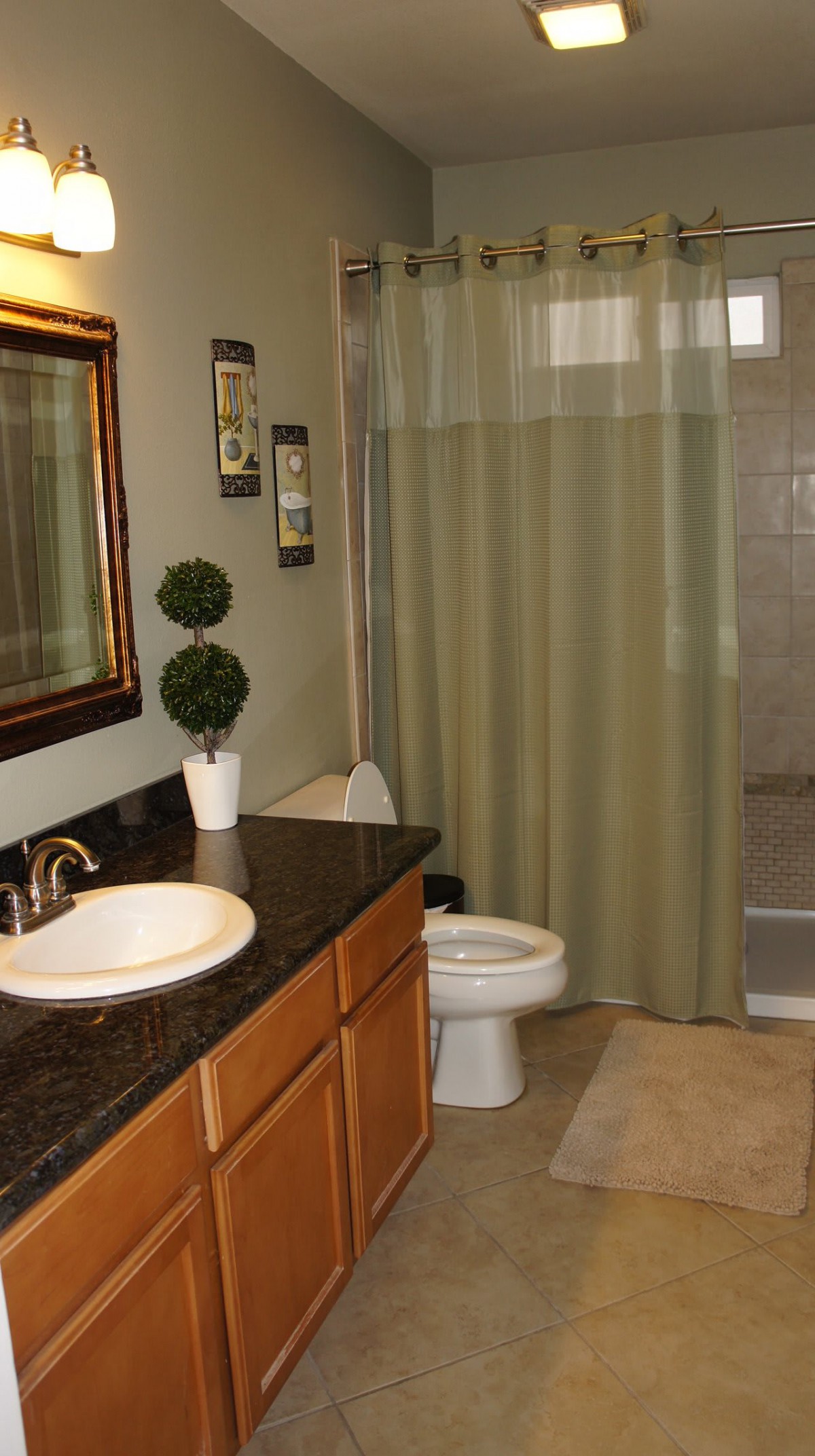
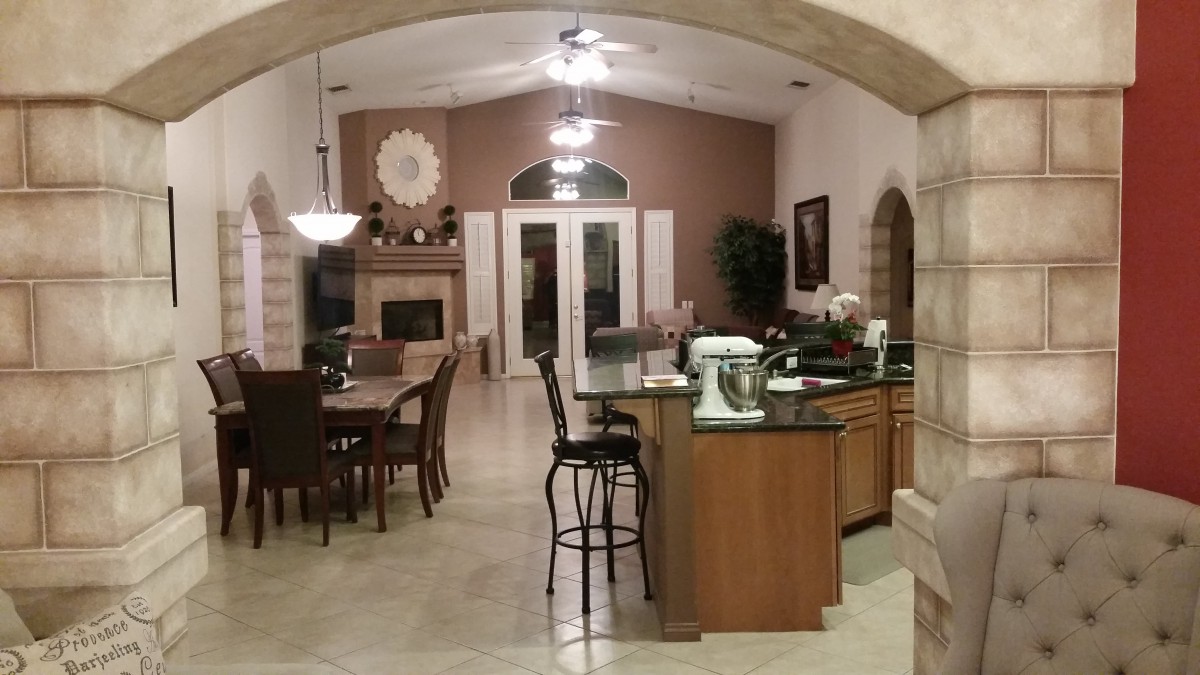
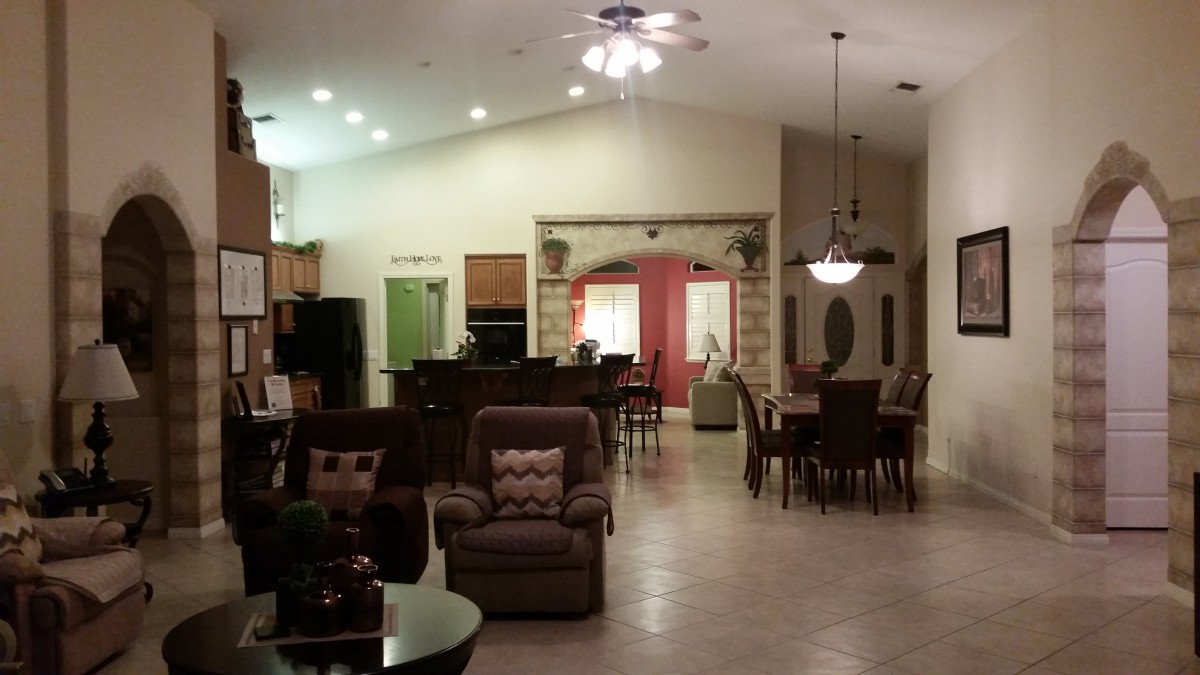
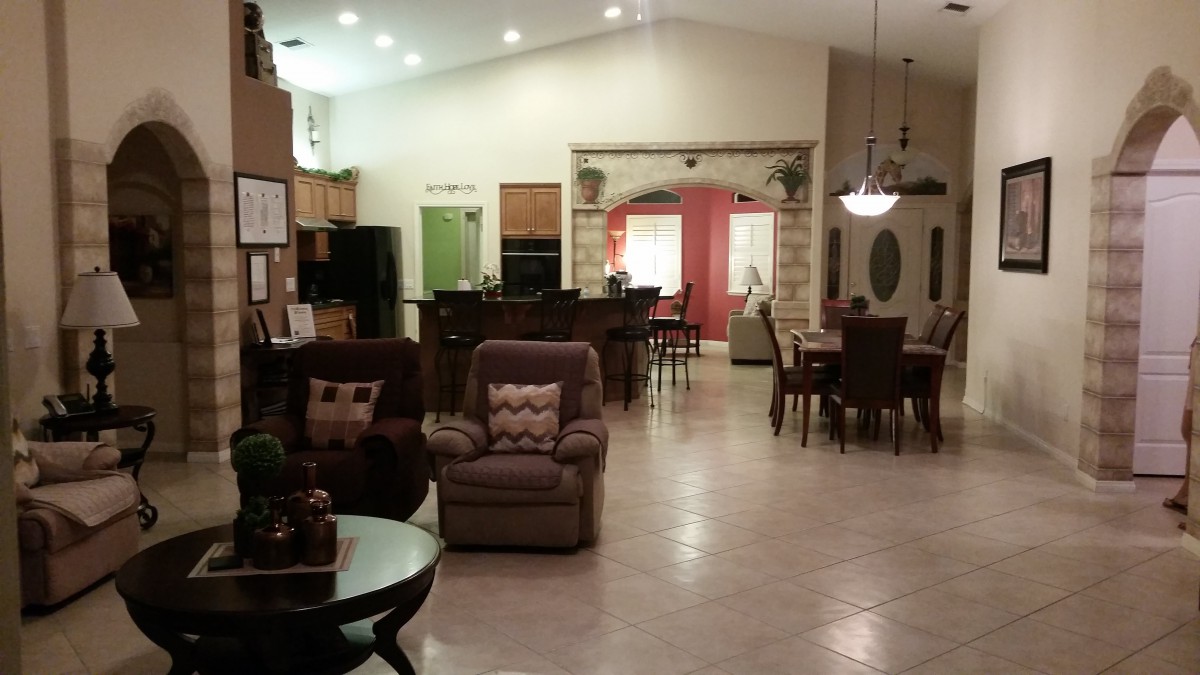
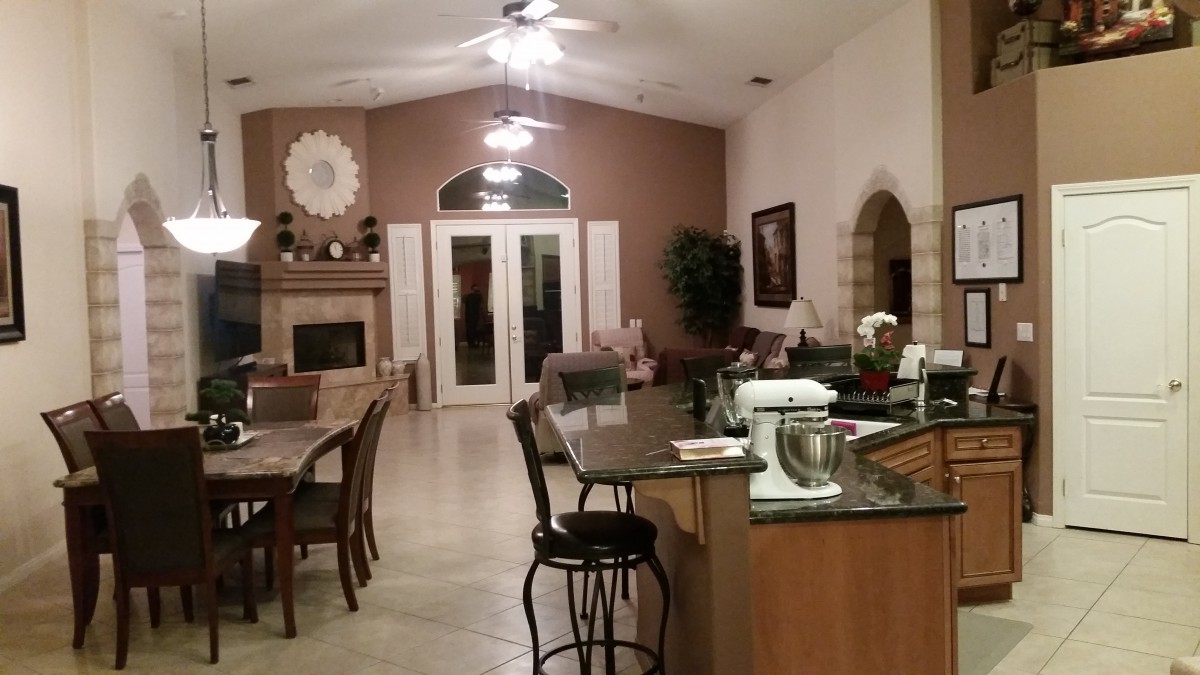
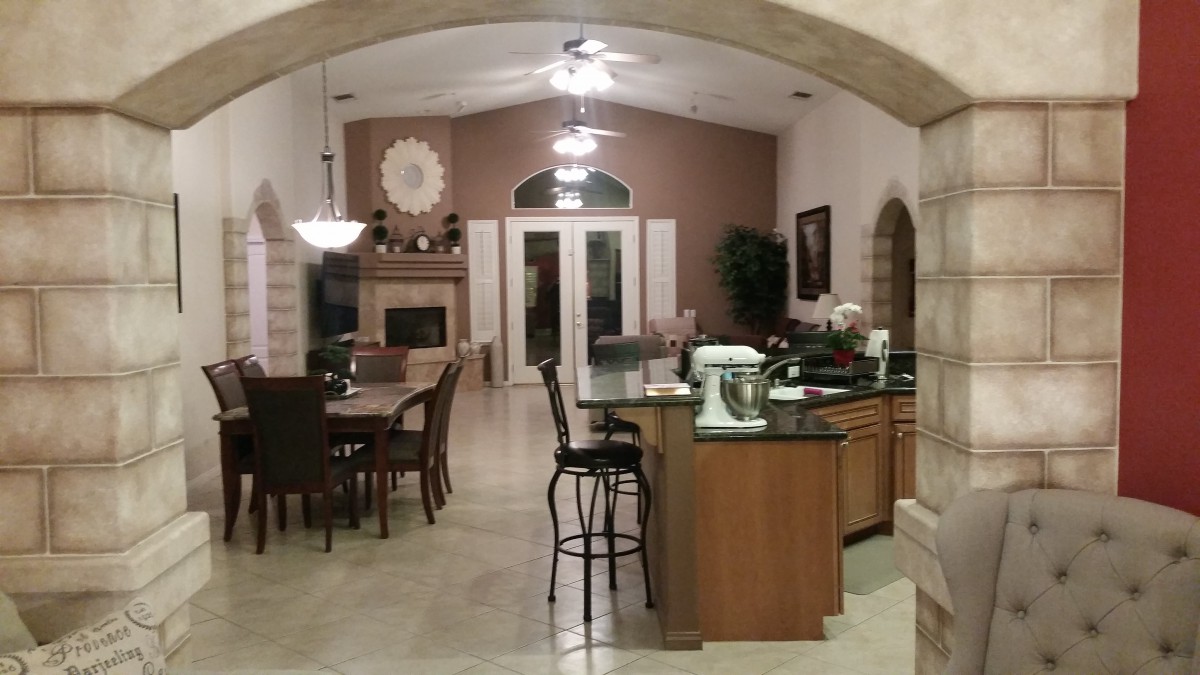
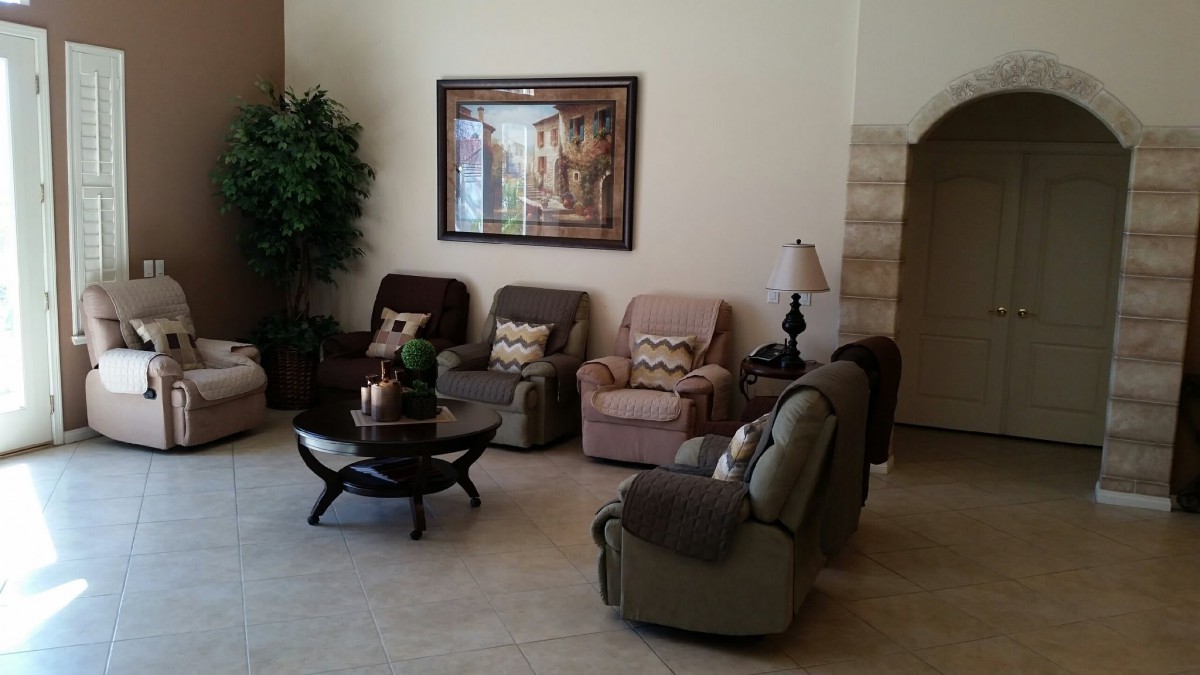
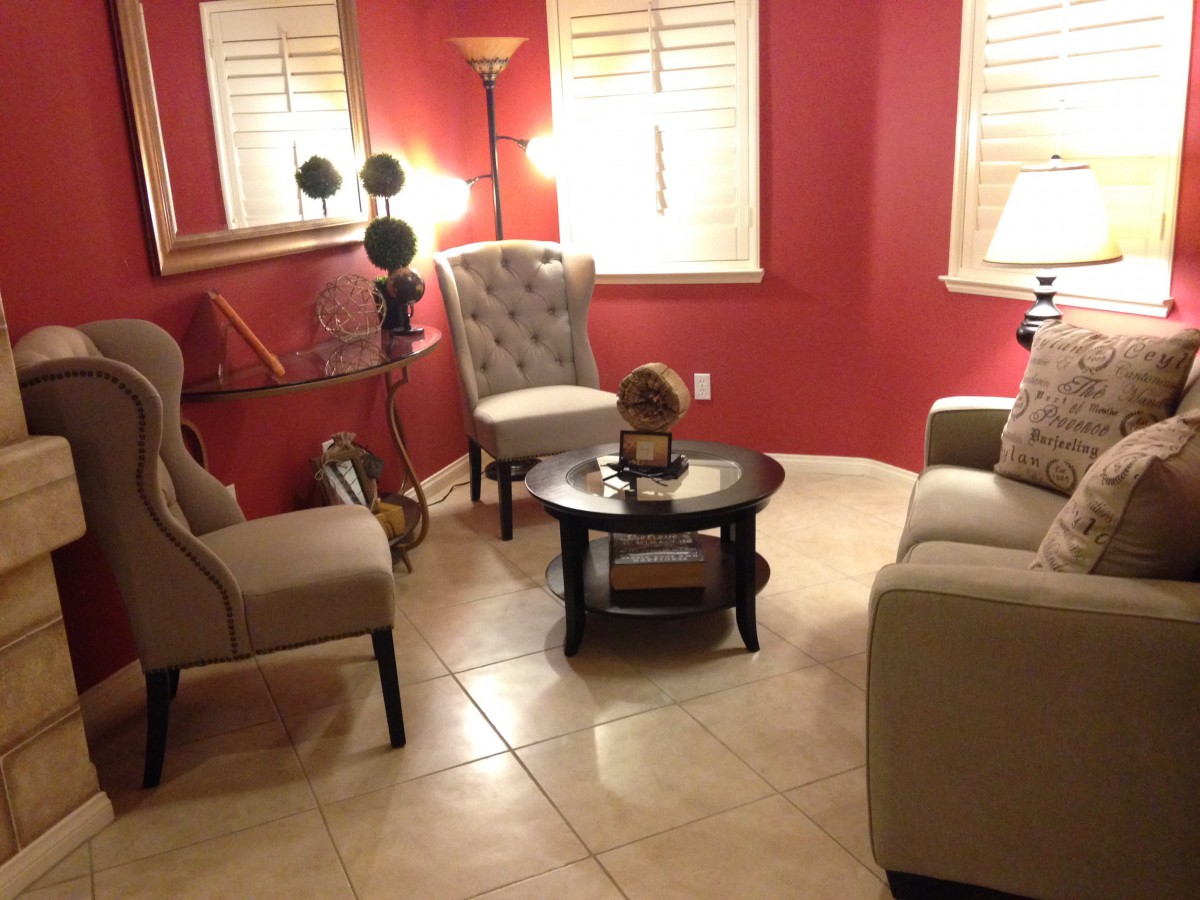
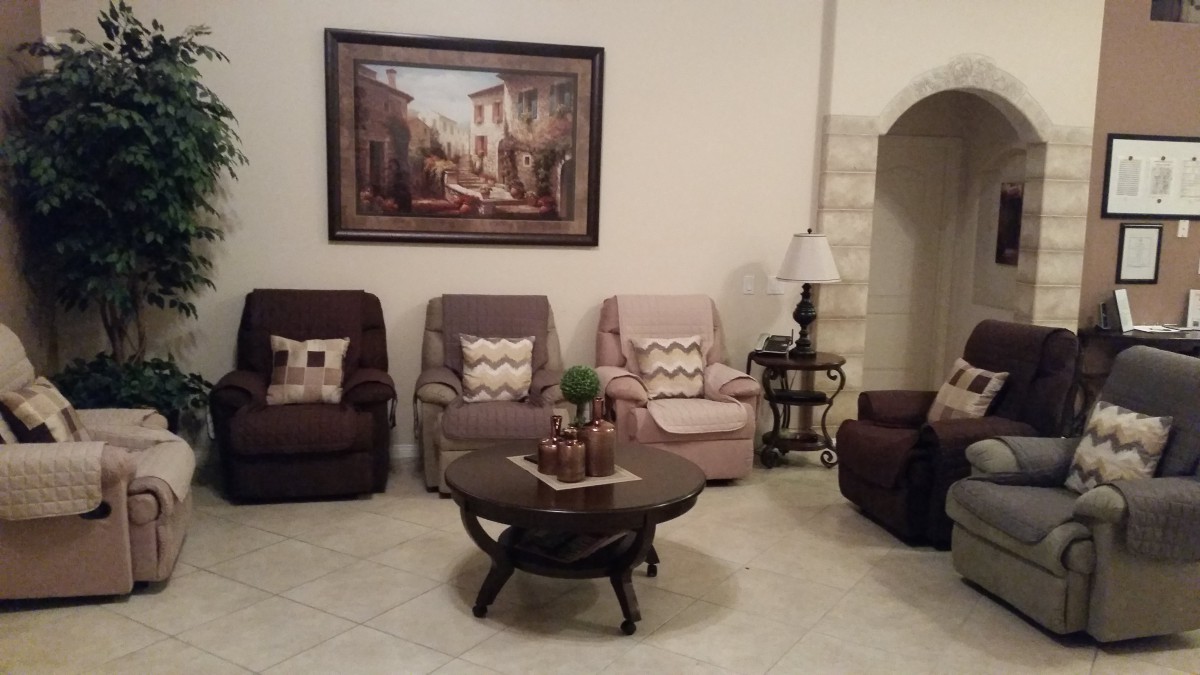
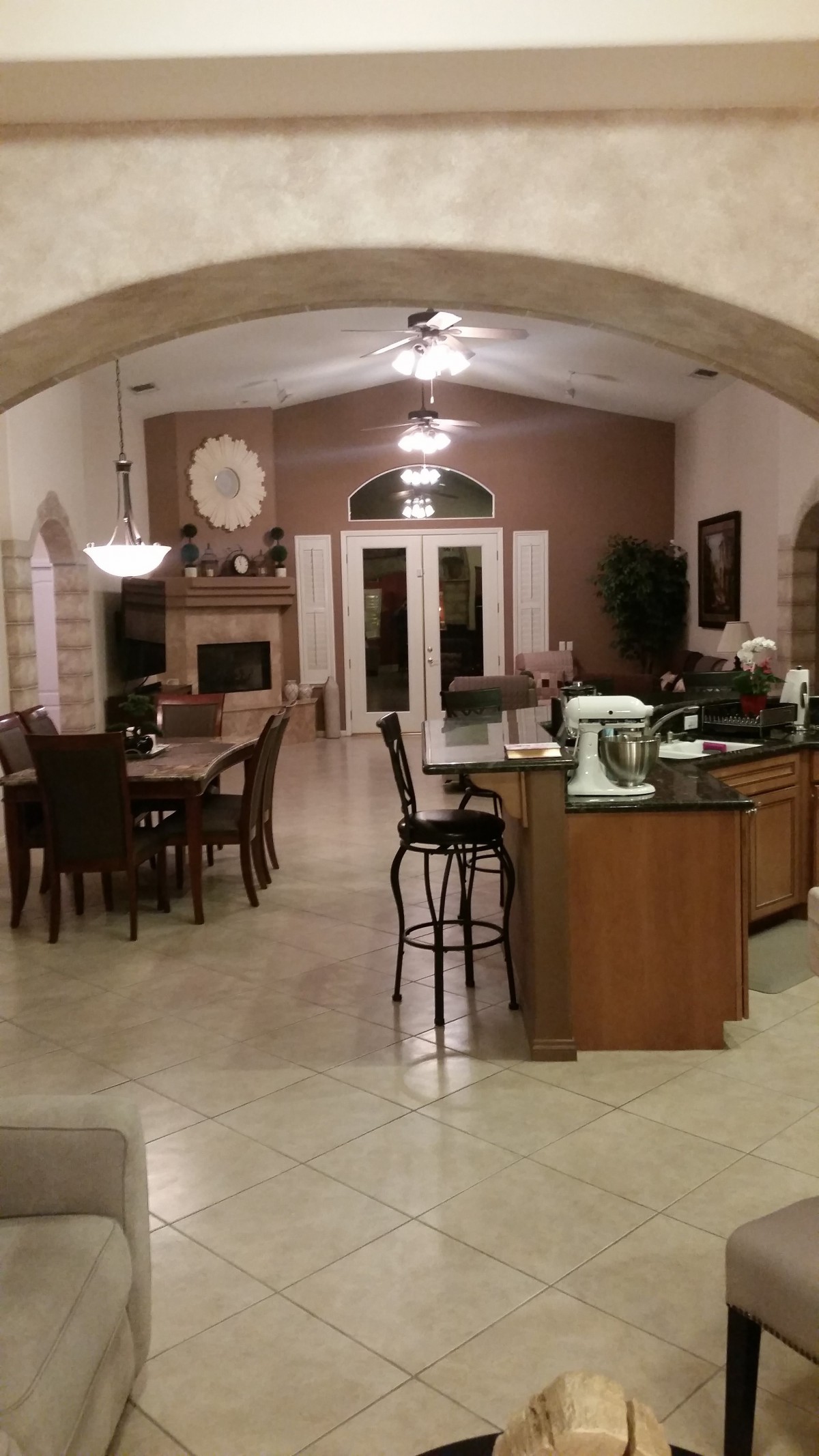
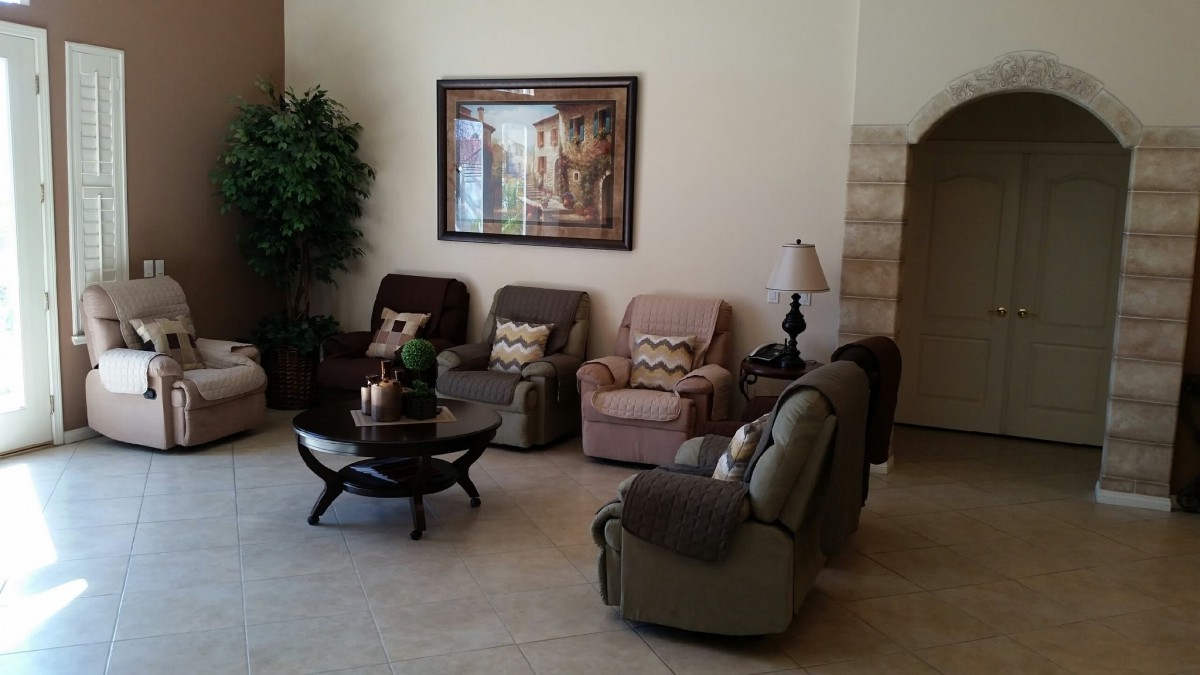
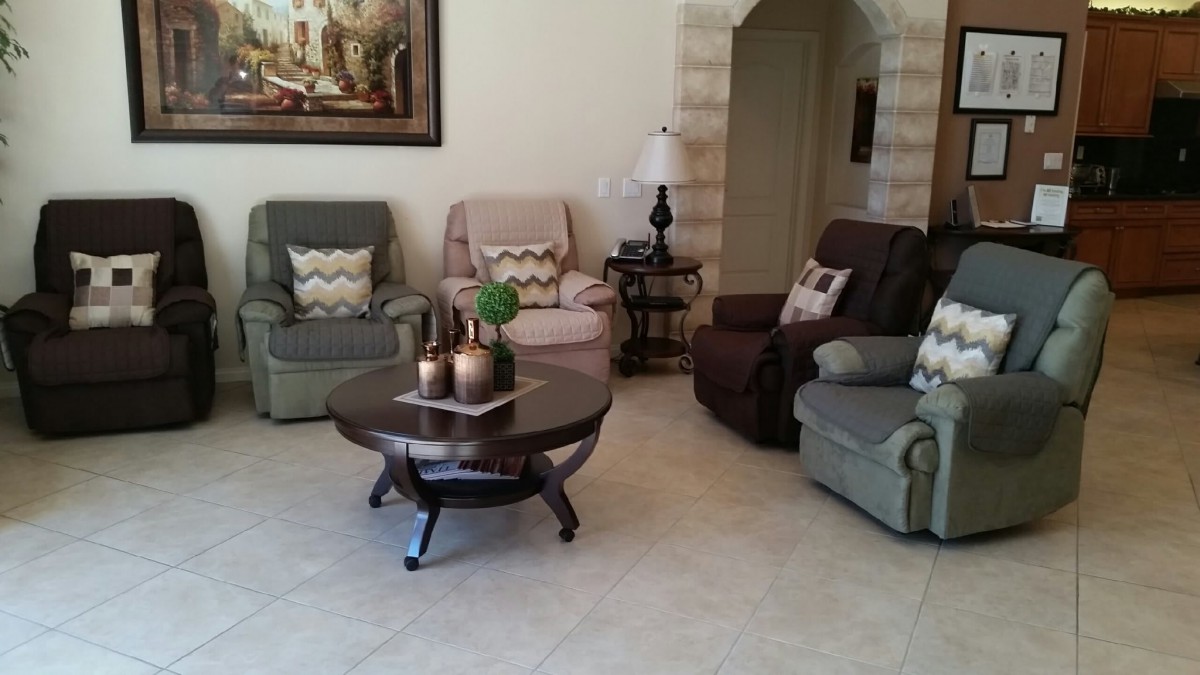
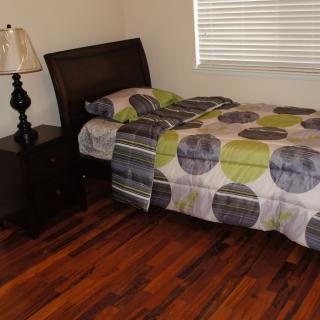
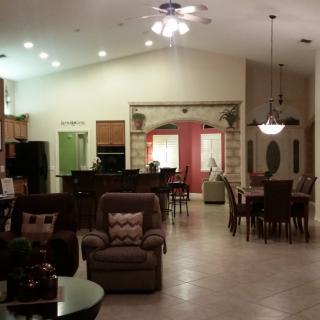
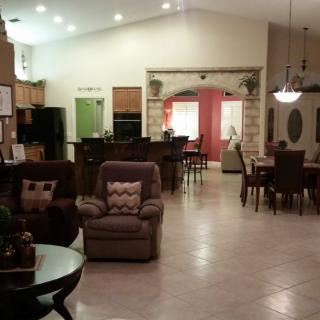
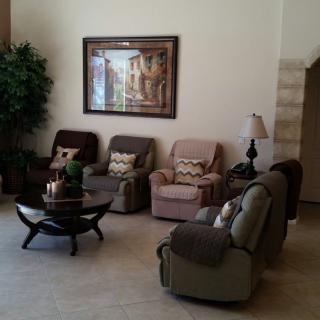
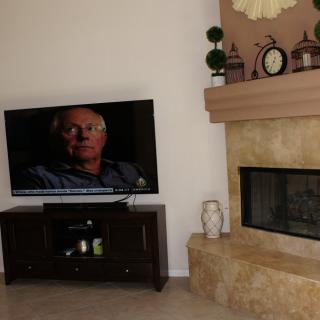
- The home is beautifully decorated and well maintained for the holidays.
- The Christian care home is the best place for the husband, with Abby providing wonderful support and the home offering a clean, healthy environment.
Review
LightShine Homecare in Upland, California is best suited for families seeking a small, faith-centered, home-like setting where a devoted staff delivers attentive daily care and tight safety oversight for a loved one who doesn’t require hospital-level medical management. The reviews consistently highlight a Christian-leaning environment anchored by a hands-on owner and a team that feels more like family than a corporate staff. This is the kind of place where a resident can stay long term, with stable routines, regular communication with families, and a sense that caregivers know the resident’s preferences, quirks, and needs.
Those who may want to explore alternatives are families needing broader medical oversight or a secular atmosphere. If a loved one requires intensive on-site nursing, complex wound care, or continuous skilled rehabilitation, a larger licensed facility with more extensive clinical programming could be a better fit. Similarly, if a non-religious or non-faith-based setting is important, or if a resident benefits from expansive therapy options and structured memory-care programming, it makes sense to compare options beyond this intimate, home-like model.
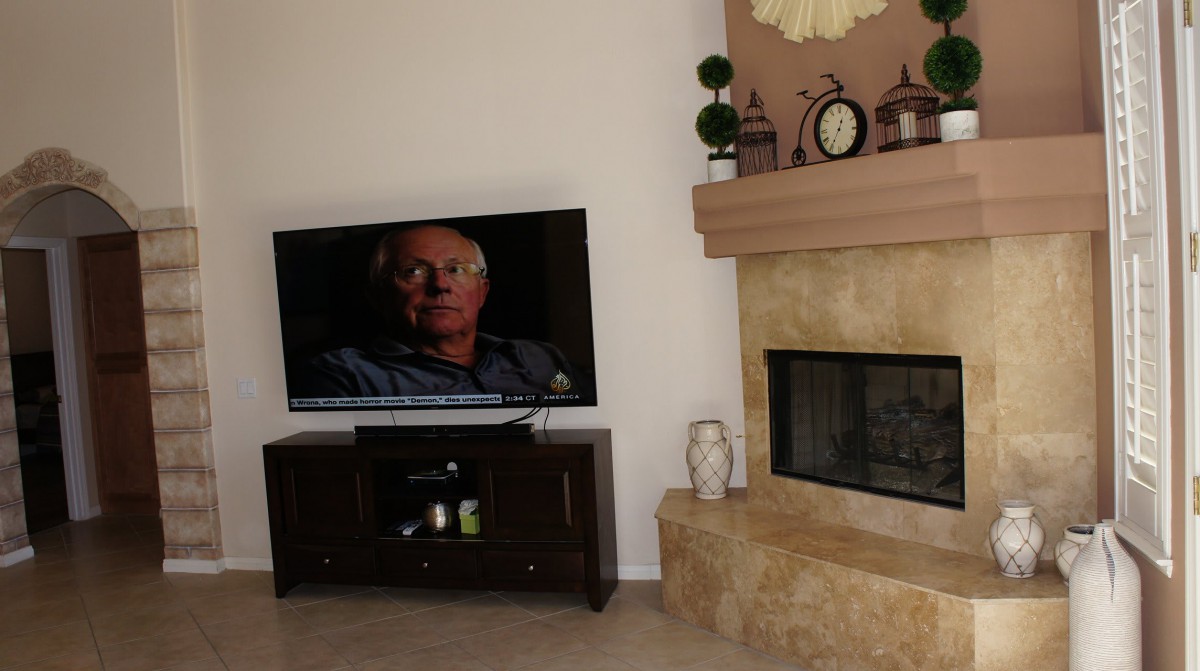
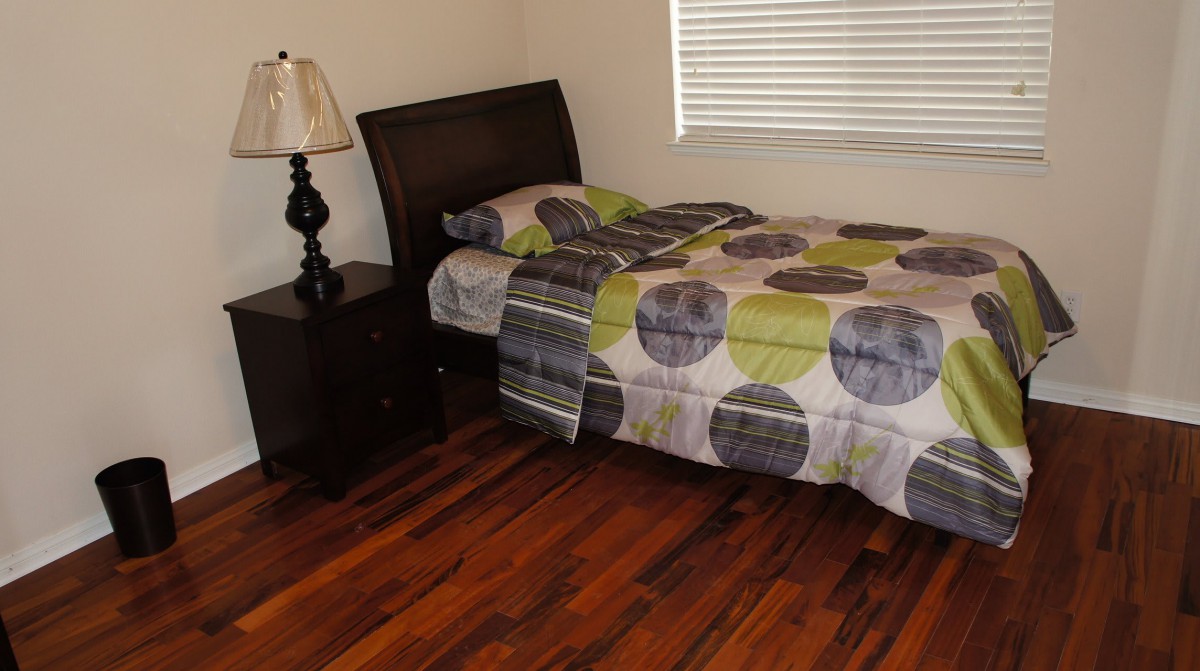
The strongest positives here cut directly into everyday quality of life and peace of mind. Cleanliness and decor are consistently described as outstanding, with the home feeling well maintained and welcoming at all times. Families repeatedly praise the staff’s attentiveness and professional yet compassionate approach, noting that staff members communicate health updates clearly and promptly. The sense that someone is always nearby to prevent a fall, coupled with meticulous grooming and room maintenance, translates into a tangible feeling of safety and dignity for residents. The price is described as reasonable, and the care is portrayed as patient, gentle, and accommodating of individual rhythms and dietary or personal care preferences.
End-of-life support and emotional resonance are particular strengths. Several reviewers frame LightShine as a place that truly stood by a family through a loved one’s final chapter, with the owner providing steady, practical support and a caregiving team delivering consistent, loving care. The Christian orientation appears to underpin a comfort-focused approach, where spiritual and moral reassurance accompanies practical needs. In short, families gain not only daily care but a sense of companionship, consistency, and presence during difficult times, which can be the decisive factor for those prioritizing a peaceful, home-like environment in the twilight years.
That said, the model may not fit every case. Prospective residents who require a broad, hospital-style medical regimen or highly specialized memory-care programming should anticipate differences from larger, non-religious campuses with more extensive clinical staff and equipment. The intimate, home-based setting, while a major strength for many families, naturally limits the scale of medical services and the range of amenities found in bigger facilities. For families seeking a secular atmosphere or a facility with a wide array of therapy options and scheduled recreational programming, alternatives should be weighed carefully against the deeply personal, faith-forward care LightShine offers.
For families ready to move forward, a practical approach is essential. Start with a detailed tour focused on daily routines, staff-to-resident ratios, and how fall prevention is managed in practice. Inquire about memory-care capabilities, emergency procedures, and what end-of-life services look like in day-to-day terms. Confirm what is included in the stated price and what, if anything, would be extra. Finally, assess how well the Christian orientation aligns with your loved one’s values and preferences, and listen for how the owner and staff communicate, because that ongoing partnership will shape the resident’s happiness and safety for years to come.
 Board and Care Home
 Memory Care
 Activities on-site
 Air-conditioning
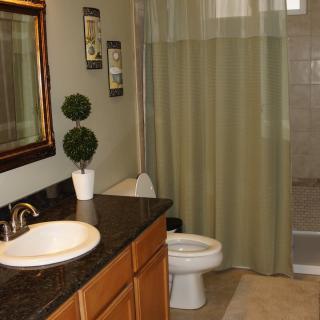
 Bath tubs
 Cable or satellite TV
 Devotional services on-site
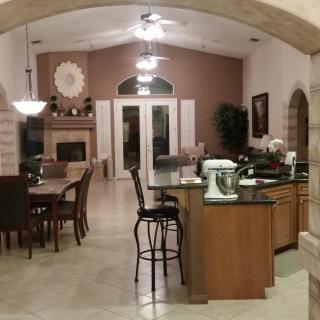
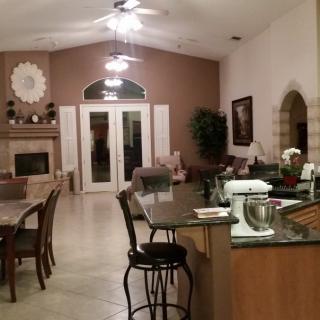
 Full kitchen
 Indoor common areas
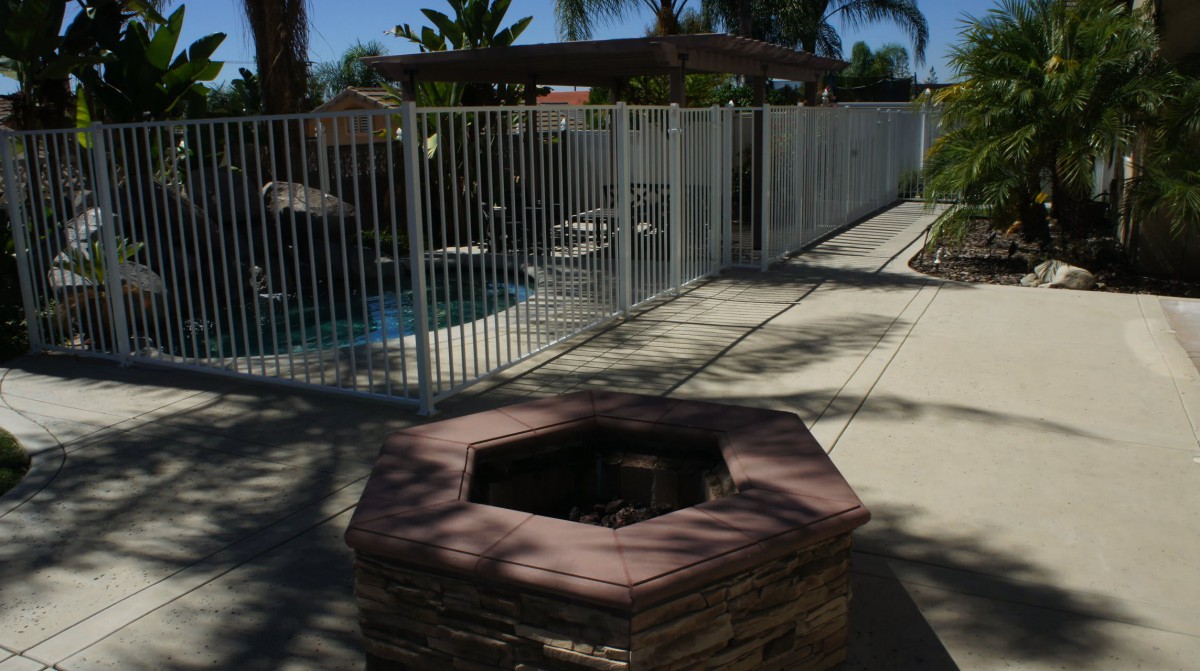
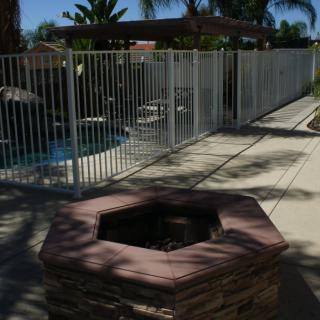
 Outdoor common areas
 Private
 Private bathrooms
 Respite or short term stays offered
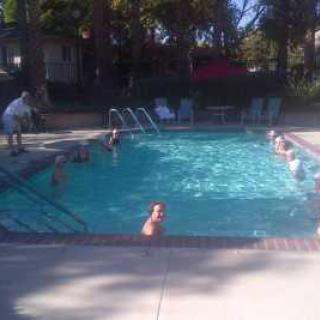
 Swimming pool / hot tub
 Wheelchair accessible showers
 Wi-Fi/high-speed internet available
 Ontario International (6 miles away)
 Ambulatory care
 Diabetic care
 Incontinence care
 Medication management
 Low / no sodium
 Art classes
 BBQs or picnics
 Birthday parties
 Brain fitness
 Forever fit
 Gardening club
 Live dance or theater performances
 Protestant services
 Trivia games
 Wine tasting
 Comprehensive Guide to VA Nursing Homes: A Crucial Long-Term Care Resource for Veterans
 Estimating the Expenses of At-Home Dementia Care: A Detailed Exploration
 Comprehensive Insights on the Late Stages of Dementia: What to Expect and How to Provide Care