
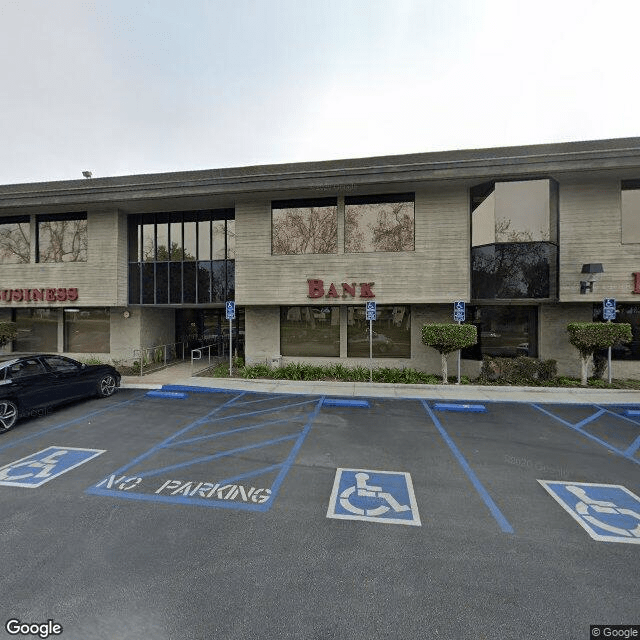
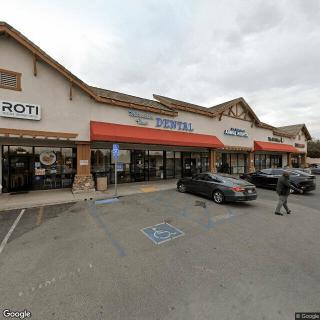
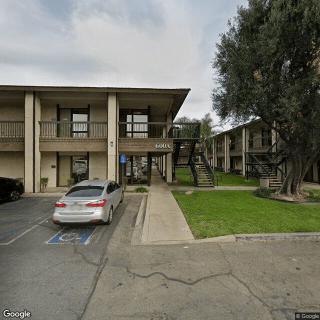
818 North Mountain Avenue, Upland, CA 91786
To contact a resident: (909) 981-7251
For more information about senior living options: (866) 208-4318
Lovely Living Homecare Costs & Pricing
Lovely Living Homecare offers competitive pricing for its services, with both private and semi-private room options priced at $5,000 per month. This rate is notably higher than the average costs in San Bernardino County, where private rooms are approximately $3,561 and semi-private rooms are around $2,958. However, when compared to the broader context of California's state averages - $3,939 for private rooms and $3,333 for semi-private - the Homecare facility positions itself at a premium price point. This suggests that Lovely Living Homecare may provide enhanced services or amenities that justify its higher costs, appealing to those seeking quality care in a supportive environment.
| Floor plans | Lovely Living Homecare | San Bernardino County | California |
|---|---|---|---|
| Private | $5,000 | $3,561 | $3,939 |
| Semi-Private | $5,000 | $2,958 | $3,333 |
Senior living communities with a similar price nearby
-
from -$500 / mo
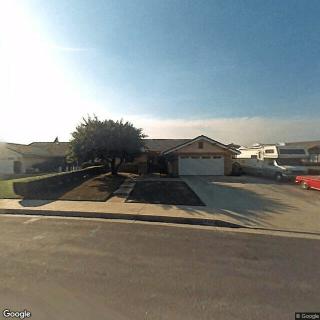
Heritage Senior Home Care
$4,500 to $4,800 / month7.0 miles away -
from -$500 / mo
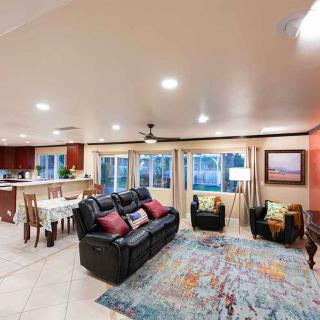
Casa Bella
$4,500 / month20.7 miles away -
from +$700 / mo

Mt. San Antonio Gardens
$5,700 to $8,550 / month3.7 miles away -
from -$950 / mo
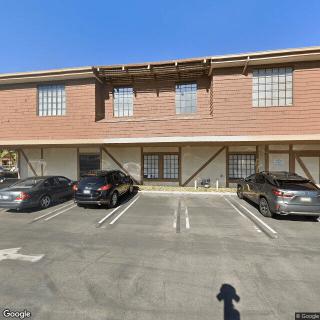
Comfort Keepers of Orange
$4,050 / month24.1 miles away -
from -$500 / mo
Magnolia Court
$4,500 to $5,500 / month23.6 miles away
Overall Review of Lovely Living Homecare
Pros
 They are great if they can provide the type of services you need.
- Lee Rodriguez, who owns Lovely Living, impressed the family and genuinely cared about their mom.
- The caregiver showed heart and care for their mom.
- Lovely Living is a caring, family-owned and locally operated caregiving service.
- They truly do their best to provide a caring, family-owned and operated local caregiving service.
Cons
 They warn that prepaid time/services can be risky because refunds for prepaid services not provided are very difficult to obtain if the provider cannot deliver the needed care.
- They note that an alternate caregiver did not recognize the signs that the mom was about to pass away, indicating a lack of end-of-life care experience.
- They remark that the caregiver had never witnessed death before and perhaps did not know it was imminent.
Review
Lovely Living Homecare in Upland is best suited for families seeking a small, locally operated in-home care option where a hands-on, personal approach matters and the care needs fit within the agency’s demonstrated capabilities. It serves well for clients who value a founder-led, family-owned ethos, and who want responsiveness, flexibility, and a home-like caregiver dynamic over the scale and structure of a large agency. Those with complex medical needs that require specialized dementia programs, memory-care infrastructure, or highly predictable staffing may find the fit looser and should examine alternatives offering explicit dementia expertise and stronger financial protections.
The strongest selling points revolve around intimacy, accessibility, and genuine engagement. A notable strength is the involvement of the owner, Lee Rodriguez, who reportedly spends meaningful time with families during the intake process and conveys a sense that the care mission is personally shared. When the agency’s services align with what a client truly needs, this can translate into attentive, compassionate care that feels familial rather than corporate. The local, family-owned identity also tends to yield greater flexibility in scheduling and tailoring care plans to individual routines, a crucial factor for anyone prioritizing comfort and continuity at home.
However, meaningful cautions shadow these positives. A recurring and practical warning concerns prepaid arrangements: if the agency cannot deliver the specific level or type of care required, obtaining refunds for prepaid services becomes difficult. That financial risk is not theoretical; it directly impacts families who are budgeting for ongoing support and who may not have the liquidity to absorb nonrefundable prepaid commitments. For anyone considering upfront payment, meticulous written terms and a clear refund policy tied to service milestones are non-negotiable, and the presence of such protections should strongly influence the decision.
Care capabilities and gaps deserve close scrutiny. The agency is described as capable when the requested services align with its strengths, but there is a defined boundary around dementia care. Review feedback notes limited experience with handling individuals with mild-to-moderate dementia, which can be a critical limitation for families navigating evolving cognitive needs. The concern about end-of-life recognition also stands out: a caregiver’s unfamiliarity with recognizing signs of imminent decline led to a missed timely alert. This combination suggests that while the team can be compassionate and supportive, it may not be the best fit for families requiring specialized training in dementia care or robust end-of-life responsiveness.
Still, the relationship-oriented, owner-driven model can offset considerable risk when properly managed. For families who can articulate a precise scope of services, confirm staff qualifications, and secure a transparent refund arrangement, the personal touch becomes a meaningful differentiator. Prospective clients should push for a formal written care plan, verify which staff have dementia-related training, and demand a straightforward policy linking prepaid payments to deliverables. A trial period or staggered engagement can further reduce exposure to misalignment, allowing families to assess whether the day-to-day experience matches expectations before committing long term.
In decision terms, Lovely Living Homecare is a solid option for households prioritizing warmth, authentic engagement, and a founder-led, home-like environment. It excels when care needs fall squarely within its capabilities, and when the family values a direct line to leadership and a genuinely attentive approach. For those facing dementia-related challenges, or for families seeking strict financial protections around prepaid arrangements, it is prudent to compare alternatives that offer explicit dementia-specialist care, standardized staffing protocols, and clearer refund terms. The final choice should hinge on aligning the provider’s demonstrated strengths with the specific care requirements, the family’s risk tolerance, and a concrete, written plan that safeguards both care quality and investments.
 Ontario International (5 miles away)

 Home Health Care Demystified: A Comprehensive Guide for Families and Caregivers
 Seniors and Modern Transportation: Exploring Uber, Lyft, and Other Ride-Hailing Options
 Comprehensive Guide to Qualifying for Home Health Care Services