
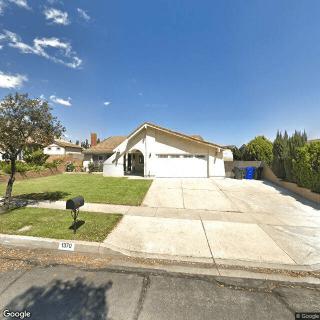
1400 Purdue Street, Upland, CA 91786
For more information about senior living options: (866) 208-4318
Overall Review of Lightshine Home Care
Pros
 The caregivers are described as genuine, caring, patient, and compassionate.
- They communicate clearly and keep families updated.
- Residents are treated with dignity.
- The home is clean, warm, and well-run.
- Staff put effort into keeping everyone comfortable and safe.
- The owner and staff are approachable and stay connected with families.
Review
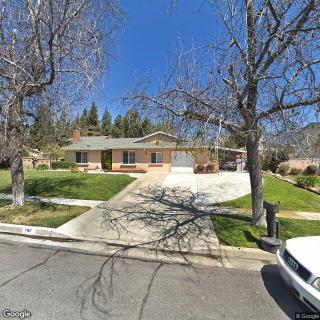
Lightshine Home Care in Upland, CA is best suited for families seeking a small, intimate residential care option where daily life feels homelike and caregiving is deeply attentive. It works well for seniors who primarily need assistance with activities of daily living, companionship, and safety oversight rather than extensive medical management. Residents who value consistent, personalized attention, and a sense of community developed through steady caregiver relationships will find this setting aligns with their priorities. The emphasis on dignity, comfort, and a home-like atmosphere makes it a clear fit for families who want a watchful, human-centered care experience rather than a clinical or impersonal environment.
For those weighing alternatives, consider facilities that offer larger-scale medical oversight or specialized programming. If a senior requires significant on-site nursing, highly structured memory care, or access to advanced clinical services around the clock, a bigger community with dedicated medical staff may be more appropriate. Families facing budget pressures or seeking a broader range of amenities might also explore other RCFE options or assisted living campuses that bundle more extensive healthcare services and activity options. Lightshine shines in its niche, but it may not be the best fit where medical complexity or intensive memory care demands dictate the setting.
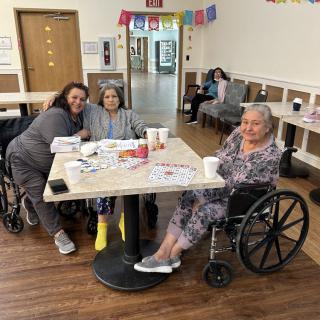
The strongest asset here is the caregiving team. Caregivers, especially Agnes, are described as genuinely caring, patient, and compassionate, creating an atmosphere of trust and respect. The staff’s ability to communicate clearly and keep families updated reduces uncertainty and makes it easier to coordinate care with external providers. Residents are treated with dignity, and the environment, clean, warm, and well-run, consistently reinforces a sense of safety and belonging. These elements collectively offset common anxieties about smaller homes by delivering reliable, person-centered care where relationships matter as much as routines.
In a small RCFE, the absence of explicit negatives in the available narrative is itself a meaningful signal, yet it also points to a practical reality: families should verify the facility’s capacity to meet evolving needs. While the current experience emphasizes attentive, stable caregiving and a well-maintained setting, questions about 24/7 nursing availability, medication management, and access to higher-acuity medical support are prudent to ask directly. The owner’s involvement, showcased through ongoing interactions with residents and families, is a strong positive sign for accountability and responsive problem-solving, but it should be paired with concrete confirmations of medical oversight and emergency protocols to ensure it scales with the senior’s health trajectory.
A thoughtful tour should prioritize observable caregiver-resident interactions, the rhythm of daily routines, and the clarity of care plans. Prospective families should ask who handles medications, how meals and activities are tailored to individual preferences, and what happens when a resident’s needs intensify. Meeting Abby, the owner, and Agnes in person provides insight into the facility’s culture and leadership style, while requesting insights from current families can reveal how communications are maintained during high-need periods. It is also wise to inspect safety features, such as lighting, hallway layouts, and fall-prevention measures, and to inquire about staff-to-resident ratios during different shifts. These details illuminate the practical realities behind the warmth and reputation.
Bottom line: Lightshine is particularly compelling for families prioritizing warmth, dignity, and dependable day-to-day caregiving delivered in a home-like setting. The combination of compassionate staff, transparent communication, and a clean, inviting environment makes for a reassuring experience that can significantly ease the transition for both seniors and their families. For those with complex medical needs, memory care requirements beyond standard supervision, or a demand for expansive on-site clinical services, alternatives should be actively considered and compared. Yet for a senior who thrives on consistent, respectful care in a small, intimately run community, Lightshine stands out as a strong choice in the Upland area. A final decision should come from a direct visit, a candid discussion about care needs, and a clear plan for how the facility will adapt if health or cognitive status changes.
 6 resident community capacity
 Assisted Living
 Board and Care Home
 Cable or satellite TV
 Dining room
 Fully furnished
 Garden
 Housekeeping services
 Move-in coordination
 Outdoor space
 Telephone
 Wi-Fi/high-speed internet available
 Ontario International (6 miles away)
 24-hour supervision
 Activities of daily living assistance
 Assistance with bathing
 Assistance with dressing
 Assistance with transfers
 Diabetes diet
 Meal preparation and service
 Medication management
 Special dietary restrictions
 Transportation arrangement (medical)
 Transportation to doctors appointments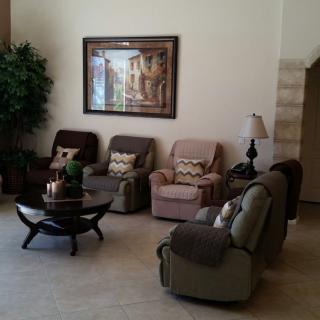

 Vibrant Senior Living: A Comprehensive Guide for Active Older Adults
 When to Transition from Assisted Living to Memory Care: Key Indicators, Steps, and Finding the Right Community
 Assisted Living and Memory Care: Understanding Their Core Differences