
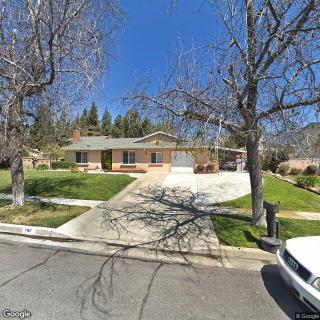
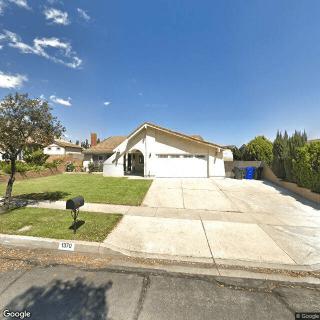
1598 Brentwood Avenue, Upland, CA 91784
For more information about senior living options: (866) 208-4318
Overall Review of Brentwood Elder Care For Women
Pros
 The care team is personable and family-oriented.
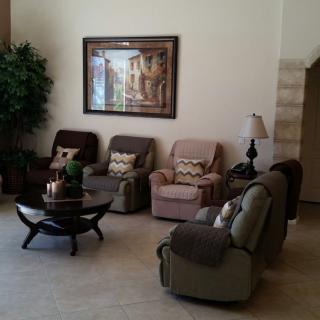
- The home is warm and clean, not a cold, sterile environment.
- It is located in a quiet residential area, offering a simple, home-like living environment.
- Residents enjoy a common living room, group dining, and delicious home-cooked meals.
- The staff provide around-the-clock care and are attentive to residents’ needs.
- Families feel the caregivers are like family and continue to visit after a resident passes.
- The reviewer highly recommends this home for loved ones.
Cons
 His dementia was becoming too overwhelming for his wife and the family to maintain a 24-hour watch.
- Larger industrial facilities are described as having a cold, sterile environment.
Review
Brentwood Elder Care For Women in Upland is best suited for seniors who need steady, compassionate supervision in a home-like setting, particularly when dementia or progressive cognitive decline is a concern and families want to avoid the impersonality of a larger facility. This community thrives on a quiet, residential neighborhood vibe where care feels personal and ongoing rather than institutional. It serves residents whose loved ones value daily warmth, familiar routines, and staff who are readily available and emotionally engaged. The focus is on tranquil, humane support through the day and night, rather than on flashy programming or hospital-like amenities.
Careful consideration is warranted for families weighing alternatives. If medical complexity demands more clinical oversight, or if the goal is a facility with extensive memory-care programming, a larger assisted living or dedicated memory-care unit may be more appropriate. Similarly, when a resident requires highly structured schedules, broad social activities, or more intensive therapeutic services, the smaller home environment may feel insufficient. In such cases, exploring communities with greater professional depth and more diverse activity calendars could better align with needs and expectations.
The standout strength is the care team's approach: personable, attentive, and clearly oriented toward treating residents as part of a family. This isn’t a sterile, distant setting; caretakers are present, engaged, and devoted to the comfort and dignity of those they serve. That level of familiarity and continuity matters greatly for families navigating dementia care and end-of-life transitions, where trust and relational stability can ease anxiety and reduce the burden on loved ones.
Likewise, the environment reinforces that care philosophy. The home feels warm and clean, deliberately avoiding the cold, clinical impression of larger facilities. Residents move through simple, intimate spaces, from living areas to a group dining setting, where meals are described as home-cooked and tailored. This atmosphere supports calmer days, reduces agitation, and preserves a sense of normalcy and belonging, which is essential as cognitive needs evolve and personal preferences become more pronounced.
The natural trade-off in a smaller, home-style setting is typically a tighter lid on medical resources and breadth of activity. Yet the pros, near-constant supervision, quick access to staff, and a genuine sense of community, work hard to offset those trade-offs. Families gain peace of mind knowing there is around-the-clock presence and a supportive network that extends beyond the resident to include visiting family and friends, who are welcomed as part of the care circle.
For families making a dementia or end-of-life care decision, this community offers a compelling, practical solution: a warm, attentive home where residents are treated like family and caregivers are deeply invested in comfort and dignity. The verdict is clear, when the goal is steady, compassionate care delivered in a non-institutional setting, Brentwood Elder Care For Women stands out as a prudent choice. Prospective buyers should visit, observe staff interactions, and discuss caregiving approaches, staffing levels, and costs to ensure alignment with the specific care goals and budget.
 6 resident community capacity
 Assisted Living
 Board and Care Home
 Cable or satellite TV
 Dining room
 Fully furnished
 Garden
 Housekeeping services
 Move-in coordination
 Outdoor space
 Telephone
 Wi-Fi/high-speed internet available
 Ontario International (6 miles away)
 24-hour supervision
 Activities of daily living assistance
 Assistance with bathing
 Assistance with dressing
 Assistance with transfers
 Diabetes diet
 Meal preparation and service
 Medication management
 Special dietary restrictions
 Transportation arrangement (medical)
 Transportation to doctors appointments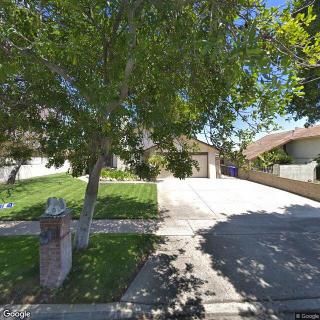


 When to Transition from Assisted Living to Memory Care: Key Indicators, Steps, and Finding the Right Community
 Assisted Living and Memory Care: Understanding Their Core Differences
 Beyond the Bingo Hall: 50+ Enriching Activities for Seniors in Assisted Living