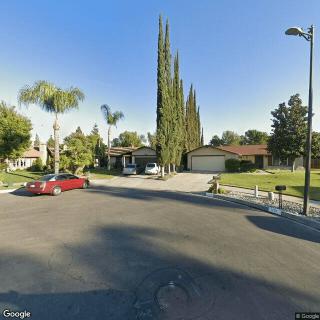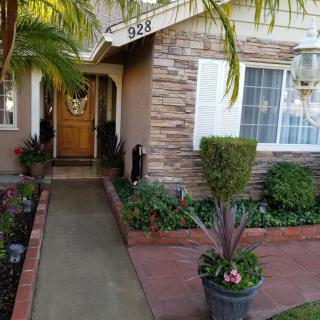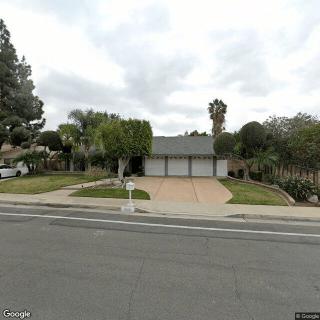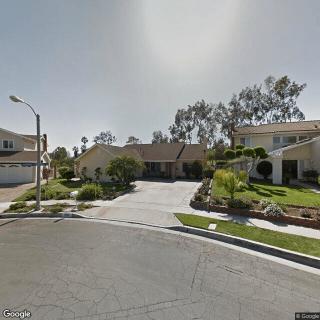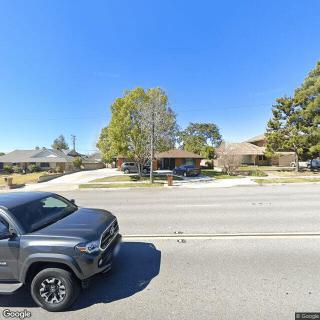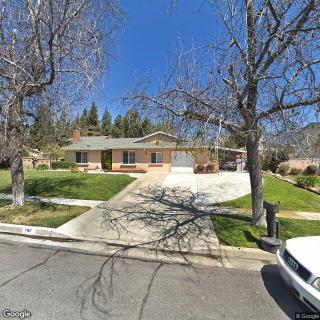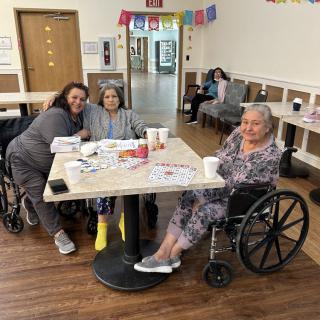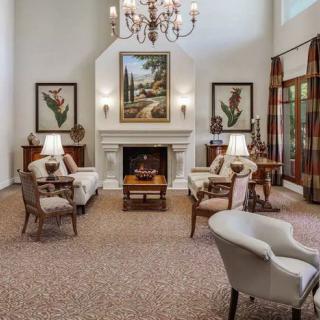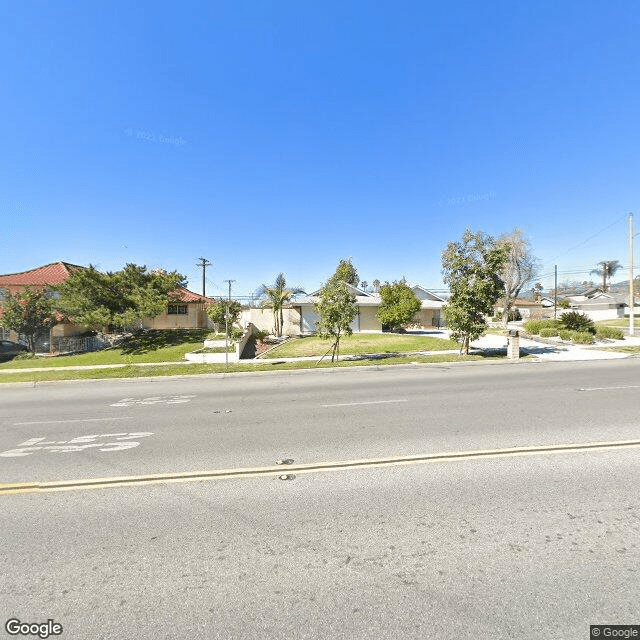
M.A.M. Family Home II in Upland, CA

Save
M.A.M. Family Home II

M.A.M. Family Home II in Upland, CA

1395 North San Antonio Avenue, Upland, CA 91786

For more information about senior living options: (844) 490-3973

3.6 from 9 reviews
5 stars
4
4 stars
1
3 stars
1
2 stars
2
1 stars
1

Assisted Living Board and Care Home Memory Care

M.A.M. Family Home II Costs & Pricing

M.A.M. Family Home II offers competitive monthly fees that are thoughtfully positioned within the local and state market. For a semi-private room, the cost is $3,000, which is slightly above the San Bernardino County average of $2,958 but more affordable than the broader California average of $3,333. Private room accommodations are priced at $3,500, closely aligning with the county's average of $3,561 while remaining below the state average of $3,939. Similarly, studio units at M.A.M. Family Home II also reflect this advantageous pricing strategy at $3,500 - slightly under the county's rate of $3,455 and significantly lower than California's statewide average of $4,145. Overall, M.A.M. Family Home II presents a balanced approach to pricing that prioritizes affordability while maintaining quality care in a competitive environment.

Floor plansM.A.M. Family Home IISan Bernardino CountyCalifornia
Semi-Private$3,000$2,958$3,333
Private$3,500$3,561$3,939
Studio$3,500$3,455$4,145

What level of care are you interested in?

Assisted Living

Memory Care

Independent Living

Skilled Nursing Facility

Continuing Care Retirement Community (CCRC)CCRC

Other


Request a tour at M.A.M. Family Home II

    Overall Review of M.A.M. Family Home II

    Pros

    • pro The staff were very nice and the home was nice.
    • pro The tour staff were punctual and answered questions in detail.
    • pro The community had many nice amenities and the home was clean.
    • pro The outside of the home was clean and well maintained.
    • pro The tour guide was good and suitable for their needs.
    • pro The community has been amazing.
    • pro The staff are kind and loving, offer excellent care, great food, and communicate wonderfully with families.
    • pro A caregiver named July is amazing.
    • pro The place is kept very clean and the staff does everything they can to ensure residents eat and take their medications.
    • pro Joy came to their home to discuss offerings and reassure them prior to moving in.

    Cons

    • pro All patients seem to be very low functioning.
    • pro They don't go on outings regularly or do activities due to the patients can't get out or just don't do it.
    • pro The residents, though clean, seemed to be lined up against one wall in front of a TV in the living area.
    • pro The house needs alot of work.
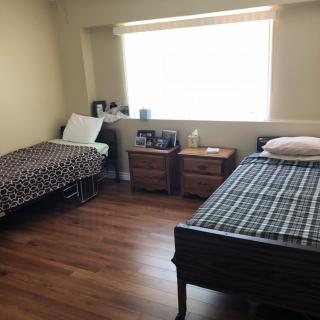
    • pro Only had one shared room.
    • pro They don't seem to have any activities though.

    Review

    M.A.M. Family Home II in Upland is best suited for families seeking a compact, home-like setting where residents receive steady, compassionate supervision and caregivers treat each person as a family member. The strongest draw is not clinical polish but everyday warmth: a clean, pleasant residence where staff know residents by name, anticipate needs, and foster familiar routines that feel less institutional and more like living with trusted caregivers. For many families nearby, the personal touch and straightforward, predictable environment translate into real peace of mind when a loved one requires hands-on assistance with meals, medications, and daily activities within a relaxed, intimate setting.

    This community will appeal most to those who prioritize relational care over programmed activity or campus-style amenities. Those who expect a bustling activity calendar, frequent outings, or a wide array of on-site programs may want alternatives. Several reviews describe a calm, quiet atmosphere with limited ongoing programming and a menu that may not meet every expectation. If a loved one thrives on variety, regular off-site excursions, and a dynamic, ever-changing schedule, this setting may feel too restrained. Families seeking extensive private-room options or a broader range of integrated health services should compare other facilities.

    The standout positives are unmistakable: consistently warm, attentive staff; a home that is clean and well maintained; and strong, two-way communication with families. The testimonials repeatedly highlight caregivers who go beyond routine tasks, and a few individuals receive standout recognition for their impact - examples include instances of staff creating memorable moments or the warmth of daily interactions that keep residents engaged. This level of personal connection can offset some limitations in programming by ensuring that the resident's emotional and nutritional needs are consistently met, which matters deeply for low-functioning seniors who rely on stable routines and trusted caregivers.

    Those advantages, however, only partially offset the notable drawbacks. Limited activities and outings can leave residents with fewer opportunities for social engagement, exercise, or stimulating experiences, and several observations point to days that feel anchored by a single TV-viewing routine or predictable patterns rather than varied stimulation. Maintenance concerns and constrained room configurations also surface in reviews, signaling that the physical footprint may not meet every family's expectations for space, modernity, or adaptability. The blend of high-touch care with a static activity landscape means outcomes hinge on how much value is placed on daily reassurance and personal attention versus structured enrichment.

    Practical decision cues help translate these impressions into a clear choice. Room availability appears modest, with at least one report noting a single shared-room option, while another review describes a more open shared-space with outdoor access. Prospective residents should verify current room types, sizes, and any pricing differentials, then demand an up-to-date activity calendar and sample menu to understand real-world offerings. It is essential to observe staffing consistency during multiple visits and to meet several caregivers, not just the lead staff, to gauge how care feels on a typical day. Ask for references from families with residents at similar care levels to ensure expectations align with what the community can reliably deliver.

    In the end, M.A.M. Family Home II represents a reliable, heart-centered choice for families who value a genuine, home-like atmosphere and steadfast caregiver devotion. It stands out for clean, comfortable surroundings and a culture of warmth and open communication that can deliver substantial reassurance during transitions. Yet for families requiring a vibrant programming slate, frequent outings, or a broader array of room configurations and modern conveniences, alternatives may better meet those demands. The decision should hinge on three pillars: the resident's need for predictable, affectionate care; the family's appetite for structured activities and engagement; and the practicality of securing the right room type with transparent cost terms. When these align, this community can offer a stable, comforting home where meaningful connections outweigh the gaps in programming.

    Features

    Housing

    • 6 resident community capacity 6 resident community capacity

    Types of Care

    • Assisted Living Assisted LivingAssisted living facilities provide crucial support and care for seniors who may need help with daily tasks such as medication management, bathing, and meal preparation. These communities offer a safe and comfortable environment where seniors can maintain their independence while receiving the assistance they need to thrive in their golden years.
    • Board and Care Home Board and Care HomeBoard and care homes provide a smaller, more intimate setting for seniors who require assistance with daily tasks but do not need the level of care offered by a nursing home. They offer personalized care, meals, and social activities in a homelike environment, ensuring that seniors receive individualized attention and support in their golden years.
    • Memory Care Memory CareMemory care is crucial for seniors as it provides specialized support and services for individuals with dementia or Alzheimer's disease. These programs offer a safe and secure environment where residents receive personalized care, cognitive stimulation, and help with daily activities. Memory care helps seniors maintain their independence, quality of life, and dignity while also providing peace of mind for their families.

    Pets

    • Dogs allowed Dogs allowed"Pet friendly" senior living communities are important for seniors because pets provide companionship, reduce feelings of loneliness and depression, promote physical activity and mental stimulation, and offer a sense of purpose and responsibility. Pets can improve overall well-being and quality of life for seniors in many ways.

    Amenities

    • Activities on-site Activities on-siteActivities on-site are important for seniors because they provide opportunities for socialization, mental stimulation, physical activity, and overall well-being. Engaging in activities can help seniors stay active, maintain their independence, and improve their quality of life.
    • Cable or satellite TV Cable or satellite TVCable or satellite TV is important for seniors because it provides entertainment, news, and companionship, helping to combat loneliness and boredom. It also offers a wide range of programming options tailored to different interests and preferences.
    • Devotional services off-site Devotional services off-siteDevotional services off-site are important for seniors as they provide spiritual nourishment, social engagement, and a sense of community outside of the senior living facility. This can enhance overall well-being and help combat feelings of isolation and loneliness often experienced by older adults.
    • Dining room Dining roomDining rooms are important for seniors as they provide a space for socialization, connection, and nutritious meals. They offer opportunities for residents to bond over shared meals, foster a sense of community, and promote healthy eating habits. Dining rooms also ensure that seniors have access to well-balanced meals tailored to their dietary needs and preferences.
    • Fully furnished Fully furnishedFully furnished senior living communities are important for seniors because they provide convenience, comfort, and a hassle-free moving experience. Seniors can easily settle into their new living space without the stress of having to buy and move furniture. This allows them to focus on enjoying their new home and community.
    • Garden GardenGardens are important for seniors as they provide a peaceful and therapeutic environment for relaxation, physical activity, and socialization. Being in nature has been shown to reduce stress, improve mood, and promote overall well-being. Gardens also offer opportunities for seniors to engage in gardening activities, which can improve mobility, flexibility, and cognitive function. Additionally, gardens create a sense of community and connection with others who share a passion for plants and outdoor spaces.
    • Housekeeping services Housekeeping servicesHousekeeping services are important for seniors because they help maintain a clean and safe living environment, promote independence, and reduce the risk of accidents or illnesses. Additionally, having assistance with household chores can alleviate physical strain and allow seniors to focus on other aspects of their well-being.
    • Indoor common areas Indoor common areasIndoor common areas are crucial for seniors as they provide a space for socialization, recreation, and community engagement, promoting overall well-being and reducing feelings of isolation and loneliness.
    • Move-in coordination Move-in coordinationMove-in coordination is important for seniors because it helps ease the transition into their new living environment. It ensures that all logistics, such as packing, organizing movers, and setting up utilities are taken care of, allowing seniors to focus on settling in and adjusting to their new home. Having a smooth move-in process can alleviate stress and anxiety, making the transition smoother and more enjoyable for seniors.
    • Outdoor common areas Outdoor common areasOutdoor common areas are important for seniors as they provide a space for socialization, physical activity, and relaxation. Being outside in nature can improve mood and overall well-being, while also encouraging movement and engagement with others. These spaces can help combat feelings of isolation and promote a sense of community among residents.
    • Outdoor space Outdoor spaceOutdoor spaces are important for seniors as they provide opportunities for physical activity, social interaction, exposure to natural light and fresh air, and a sense of connection to nature. Having access to outdoor spaces can improve overall well-being and quality of life for older adults living in senior communities.
    • Private PrivatePrivacy is important for seniors as it allows them to maintain their independence, dignity, and sense of control over their own lives. It also gives them the space and freedom to relax, reflect, and engage in activities that bring them joy and fulfillment. Creating private spaces within senior living facilities is crucial for promoting overall well-being and quality of life.
    • Telephone TelephoneTelephones are important for seniors as they provide a lifeline for communication with loved ones, emergency services, and healthcare providers. They offer a sense of security and independence, enabling seniors to stay connected and access assistance when needed.
    • Wi-Fi/high-speed internet available Wi-Fi/high-speed internet availableWi-Fi/high-speed internet is important for seniors to stay connected with loved ones, access online resources, and participate in virtual activities to combat feelings of loneliness and isolation. It also allows them to easily manage healthcare needs, access entertainment, and engage in lifelong learning opportunities.

    Transportation

    • Ontario International (5 miles away) Ontario International (5 miles away)

    Care Services

    • 24-hour supervision 24-hour supervision24-hour supervision is important for seniors to ensure their safety, well-being, and access to immediate assistance in case of emergencies or health issues. This constant support provides peace of mind for both seniors and their loved ones, allowing them to age in place with dignity and security.
    • Activities of daily living assistance Activities of daily living assistanceActivities of daily living assistance are important for seniors because they provide essential support with tasks such as eating, bathing, dressing, and mobility. This assistance helps seniors maintain their independence, dignity, and overall quality of life as they age.
    • Ambulatory care Ambulatory care"Ambulatory care services provide essential medical support and treatment to seniors without requiring hospitalization, allowing them to maintain their independence and quality of life while managing chronic conditions or receiving routine medical care."
    • Assistance with bathing Assistance with bathingAssistance with bathing is crucial for seniors as it helps maintain personal hygiene, prevents infections, and ensures their overall well-being and comfort. It also provides a sense of dignity and independence for seniors who may struggle with this task on their own.
    • Assistance with dressing Assistance with dressingAssistance with dressing is important for seniors because it helps maintain their independence, promotes personal hygiene, prevents accidents and injuries, and improves overall quality of life. This service ensures that seniors can continue to dress comfortably and confidently, despite any physical limitations they may have.
    • Assistance with transfers Assistance with transfersAssistance with transfers is crucial for seniors as it helps prevent falls and injuries, maintains their independence, and ensures they can safely navigate their living environment. It also provides peace of mind for both seniors and their loved ones.
    • Coordination with health care providers Coordination with health care providersCoordination with health care providers is crucial for seniors to ensure proper medical care, medication management, and overall well-being. This collaboration helps prevent overlapping treatments, track progress more effectively, and provide comprehensive support tailored to individual needs.
    • Diabetes diet Diabetes dietA diabetes diet is crucial for seniors as it helps manage blood sugar levels, reduce risks of complications, and improve overall health and well-being. By following a balanced and nutritious diet tailored to their specific needs, seniors can better control their diabetes and enhance their quality of life.
    • Diabetic care Diabetic careDiabetic care is crucial for seniors as they are more susceptible to developing diabetes due to aging and other health conditions. Proper management of diabetes can help prevent complications such as heart disease, vision loss, and nerve damage, improving the overall quality of life for seniors in senior living communities.
    • High acuity care High acuity careHigh acuity care is important for seniors because it provides specialized medical attention and support for individuals with complex medical needs. This level of care ensures that seniors receive the appropriate treatment and assistance to maintain their health and quality of life as they age.
    • Incontinence care Incontinence careIncontinence care is essential for seniors to maintain their dignity, hygiene, and overall quality of life. By addressing incontinence issues promptly and effectively, seniors can enjoy a sense of independence and comfort in their daily activities.
    • Meal preparation and service Meal preparation and serviceMeal preparation and service are crucial for seniors as they may have limited mobility or energy to cook nutritious meals. Having access to healthy and convenient food options can ensure they are getting the proper nutrition needed to maintain their overall health and well-being.
    • Medication management Medication managementMedication management is crucial for seniors to ensure they are taking the right medications at the correct dosages and times. This helps prevent adverse drug interactions, reduces the risk of medication errors, and promotes overall health and well-being. Proactive management also allows for adjustments as needed based on changing health conditions or new prescriptions.
    • Special dietary restrictions Special dietary restrictionsSpecial dietary restrictions are important for seniors because age-related changes in metabolism and health conditions can make it difficult for their bodies to process certain foods. By following a diet tailored to their specific needs, seniors can maintain their overall health and well-being, manage chronic conditions, and reduce the risk of complications such as malnutrition or food interactions with medications.
    • Transportation arrangement (medical) Transportation arrangement (medical)Transportation arrangements for medical purposes are essential for seniors as they may have difficulty driving themselves to appointments or accessing public transportation. Having reliable and safe transportation options ensures that seniors can receive timely medical care and maintain their health and well-being.
    • Transportation to doctors appointments Transportation to doctors appointmentsTransportation to doctors' appointments is crucial for seniors as it ensures they have access to necessary medical care and support for their health needs. Without reliable transportation, seniors may struggle to attend important appointments, leading to potential delays in treatment and health complications. Providing transportation services helps seniors maintain their overall well-being and quality of life.
    Dining

    • Diabetes diet Diabetes dietA diabetes diet is crucial for seniors as it helps manage blood sugar levels, reduce risks of complications, and improve overall health and well-being. By following a balanced and nutritious diet tailored to their specific needs, seniors can better control their diabetes and enhance their quality of life.
    • Special dietary restrictions Special dietary restrictionsSpecial dietary restrictions are important for seniors because age-related changes in metabolism and health conditions can make it difficult for their bodies to process certain foods. By following a diet tailored to their specific needs, seniors can maintain their overall health and well-being, manage chronic conditions, and reduce the risk of complications such as malnutrition or food interactions with medications.

    Activities

    • Activities on-site Activities on-siteActivities on-site are important for seniors because they provide opportunities for socialization, mental stimulation, physical activity, and overall well-being. Engaging in activities can help seniors stay active, maintain their independence, and improve their quality of life.
    • Community-sponsored activities Community-sponsored activitiesCommunity-sponsored activities are important for seniors as they provide opportunities for social interaction, mental stimulation, and physical activity. These activities can help improve overall well-being, combat loneliness and isolation, and promote a sense of belonging and purpose among older adults.
    • Devotional activities offsite Devotional activities offsiteDevotional activities offsite are important for seniors because they provide social engagement, spiritual growth, and a sense of community outside of their living environment. This can improve overall well-being, mental health, and combat feelings of isolation or loneliness.
    • Scheduled daily activities Scheduled daily activitiesScheduled daily activities are important for seniors because they provide structure, socialization, mental stimulation, and physical activity. Engaging in regular activities can improve overall well-being and quality of life for seniors living in a community setting.

    Description

    M.A.M. Family Home II in Upland, CA is an assisted living community that offers both board and care home services as well as memory care. Our community provides a wide range of amenities to ensure the comfort and convenience of our residents.

    Residents can enjoy watching their favorite shows and movies with cable or satellite TV in their fully furnished rooms. We also offer devotional services off-site for those who wish to practice their faith. Our dining room provides delicious meals prepared by our staff, and special dietary restrictions can be accommodated.

    The indoor common areas offer a cozy space for residents to socialize and engage in activities. The outdoor common areas include a garden where residents can relax and enjoy nature. Wi-Fi/high-speed internet is available throughout the community, keeping our residents connected.

    Our dedicated caregivers are trained to provide assistance with activities of daily living, ambulatory care, bathing, dressing, transfers, and more. They coordinate with health care providers to ensure that each resident receives the necessary medical attention. Special care is provided for those with diabetes or high acuity needs, as well as incontinence care.

    We offer medication management services to help residents with their medications and ensure they are taken correctly. Transportation arrangements can be made for medical appointments, making it convenient for residents to access healthcare services.

    Community-sponsored activities are organized regularly to keep our residents engaged and entertained. Devotional activities off-site provide spiritual enrichment opportunities. Scheduled daily activities cater to different interests and preferences.

    M.A.M Family Home II is conveniently located near cafes, parks, pharmacies, restaurants, places of worship, theaters, hospitals, and transportation options. This allows our residents easy access to various amenities and services outside the community.

    With its comprehensive care services, comfortable amenities, and convenient location, M.A.M Family Home II offers a nurturing environment for seniors in Upland, CA seeking assisted living or memory care support.

    Nearby Places of Interest

    This part of Upland, California offers a range of amenities and services that may appeal to seniors looking for a convenient and comfortable living environment. There are several physicians' offices and medical facilities in close proximity, providing easy access to healthcare services. Pharmacies are also conveniently located nearby for prescription needs. Places of worship offer opportunities for spiritual enrichment, while restaurants and cafes provide options for dining out or grabbing a quick bite to eat. The area is also home to parks where seniors can enjoy outdoor activities and relaxation. Additionally, transportation options such as the Montclair Metrolink Station and Ontario International Airport make it easily accessible for travel or visits from family members. The presence of theaters provides entertainment options, while cafes like Starbucks and Panera Bread offer spaces for socializing or enjoying a cup of coffee. With its diverse offerings and convenient location, this part of Upland may be a desirable choice for seniors seeking a vibrant community setting with access to essential amenities.

    Physicians

    • Womens View Medical Group (0.5 miles)
    • Tarick Smaili, MD (0.5 miles)
    • Heavenly 3D 4D Ultrasounds (0.9 miles)
    • City Of Hope Upland (1.7 miles)
    • Dr Robert. Armada (1.7 miles)
    • Care For Womens Medical Group (1.8 miles)
    • Face And Body Cosmetic Surgery Upland (1.8 miles)

    Pharmacies

    • Walgreens (0.7 miles)
    • CVS Pharmacy (0.8 miles)
    • Ken Pharmacy (1.1 miles)
    • CVS Pharmacy (1.2 miles)
    • CVS Pharmacy (1.7 miles)
    • CVS Pharmacy (1.9 miles)
    • Rite Aid (2.6 miles)

    Places of Worship

    • First Presbyterian Church Upland (0.8 miles)
    • St Anthony's Catholic Church (1.8 miles)
    • Charisma Life Church (5.1 miles)
    • Hillside Community Church (5.7 miles)

    Restaurants

    • McDonald's (1.2 miles)
    • The Hat (1.8 miles)
    • Vince's Spaghetti (2.1 miles)
    • McDonald's (2.4 miles)
    • Lazy Dog Restaurant & Bar (2.5 miles)
    • McDonald's (2.7 miles)
    • Bardot (3.4 miles)

    Parks

    • Citrus Park (1.6 miles)
    • Central Park (5.8 miles)
    • Ruben S Ayala Park (7.1 miles)

    Hospitals

    • San Antonio Community Hospital Maternity Information Services (1.7 miles)
    • San Antonio Medical Center (1.8 miles)
    • Pomona Valley Hospital Medical Center (5.7 miles)

    Transportation

    • Montclair Metrolink Station (2.3 miles)
    • Ontario International Airport - Terminal 2 (5.2 miles)
    • Baggage Claim T2 (5.2 miles)
    • Pomona Station (5.5 miles)
    • Ontario International Airport (ONT) (5.6 miles)
    • Ontario Int'L-Terminal 4 (5.6 miles)
    • Baggage Claim T4 (5.6 miles)

    Theaters

    • AMC DINE-IN Montclair Place 12 (2.7 miles)
    • AMC DINE-IN Ontario Mills 3 (6.8 miles)
    • Regal Edwards Ontario Palace Screenx, Imax & RPX (7 miles)

    Cafes

    • Starbucks (4 miles)
    • Starbucks (4.5 miles)
    • Panera Bread (4.9 miles)
    • Starbucks (6.1 miles)
    • Starbucks (6.5 miles)
    • Starbucks (7.1 miles)

    Frequently Asked Questions

    How much does it cost to live at M.A.M. Family Home II in Upland, CA?
    Where is M.A.M. Family Home II?
    Does M.A.M. Family Home II provide care for residents with dementia or Alzheimer's disease?
    Does M.A.M. Family Home II allow residents to have pets?

    Nearby Communities

    • Golden Ages Senior Care

      Golden Ages Senior Care

      Upland, CA

      5 from 1 review
      $3,800 to $4,800 / month

      pro Cozy, home-like setting with private rooms, attentive staff, and engaging activities.

    • San Antonio Manor

      San Antonio Manor

      Upland, CA


      pro Strong nearby amenities and healthcare access.

    • Mgb Carmel Manor

      Mgb Carmel Manor

      Upland, CA


      pro Small 6-bed board and care with 24-hour supervision, ADL assistance, diabetes-friendly meals, housekeeping, move-in coordination, and transportation for medical visits.

    • Jack's Senior Care

      Jack's Senior Care

      Upland, CA


      pro Intimate 6-bed setting with personalized, comprehensive care.

    • Monarch Geriatric Services,  Inc

      Monarch Geriatric Services, Inc

      Upland, CA

      5 from 2 reviews
       

      pro Warm, welcoming assisted living with personalized care.

    • M.A.M. Family Home 1

      M.A.M. Family Home 1

      Upland, CA

      3 from 1 review
      $3,200 to $4,000 / month

      pro Compassionate, thorough care in a warm, family-like setting.

    • Las Colinas Post Acute

      Las Colinas Post Acute

      Ontario, CA

      2.8 from 108 reviews
       

      pro Caring staff, engaging activities, and spacious rooms with strong physical therapy.

    • Oakmont of San Antonio Heights

      Oakmont of San Antonio Heights

      Upland, CA

      4.5 from 125 reviews
      $4,095 to $7,795 / month

      pro Friendly, engaged staff in a well-maintained, amenity-rich community.

    • Claremont Villas

      Claremont Villas

      Claremont, CA

      4.5 from 59 reviews
      $771 to $1,114 / month

      pro Renovated, clean apartments with friendly staff in a walkable Claremont Village location.

    Related Resources

    • dementia behaviorsDementia Behaviors: In-Depth Understanding and Effective Coping Strategies

      Dementia causes cognitive decline and challenging behaviors that caregivers must manage, necessitating an understanding of the neurological basis of these issues. Effective strategies and self-care for caregivers can enhance support for those with dementia and improve their daily lives.

    • does my mom have dementia quiz5 Early Indicators of Dementia and What You Can Do

      The content outlines five key early indicators of dementia, including significant memory loss and confusion about time and place, while emphasizing the need for professional evaluation and emotional support for both individuals showing symptoms and their caregivers. It encourages family members to monitor these signs closely and use online quizzes for initial awareness.

    • when should someone with dementia go into a care home8 Important Indicators That Memory Care May Be Necessary

      The article highlights eight indicators that a loved one with dementia may require specialized memory care, emphasizing the emotional and logistical challenges families encounter in this decision. It discusses signs such as difficulties with daily tasks, safety concerns, and caregiver burnout, suggesting that memory care facilities can provide the necessary support and structured environments for those experiencing cognitive decline.


    Get Pricing Ask A Question Schedule A Tour Contact Senior Advisor