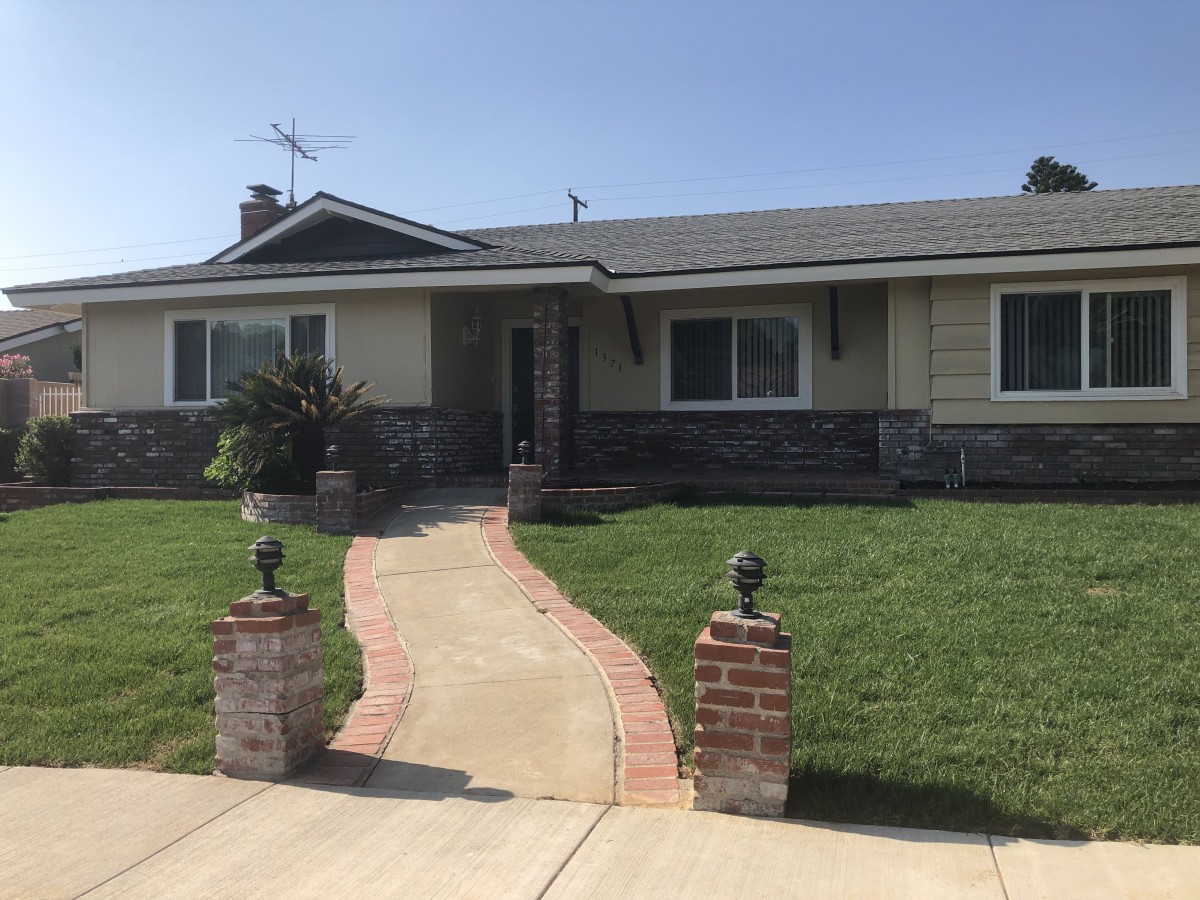
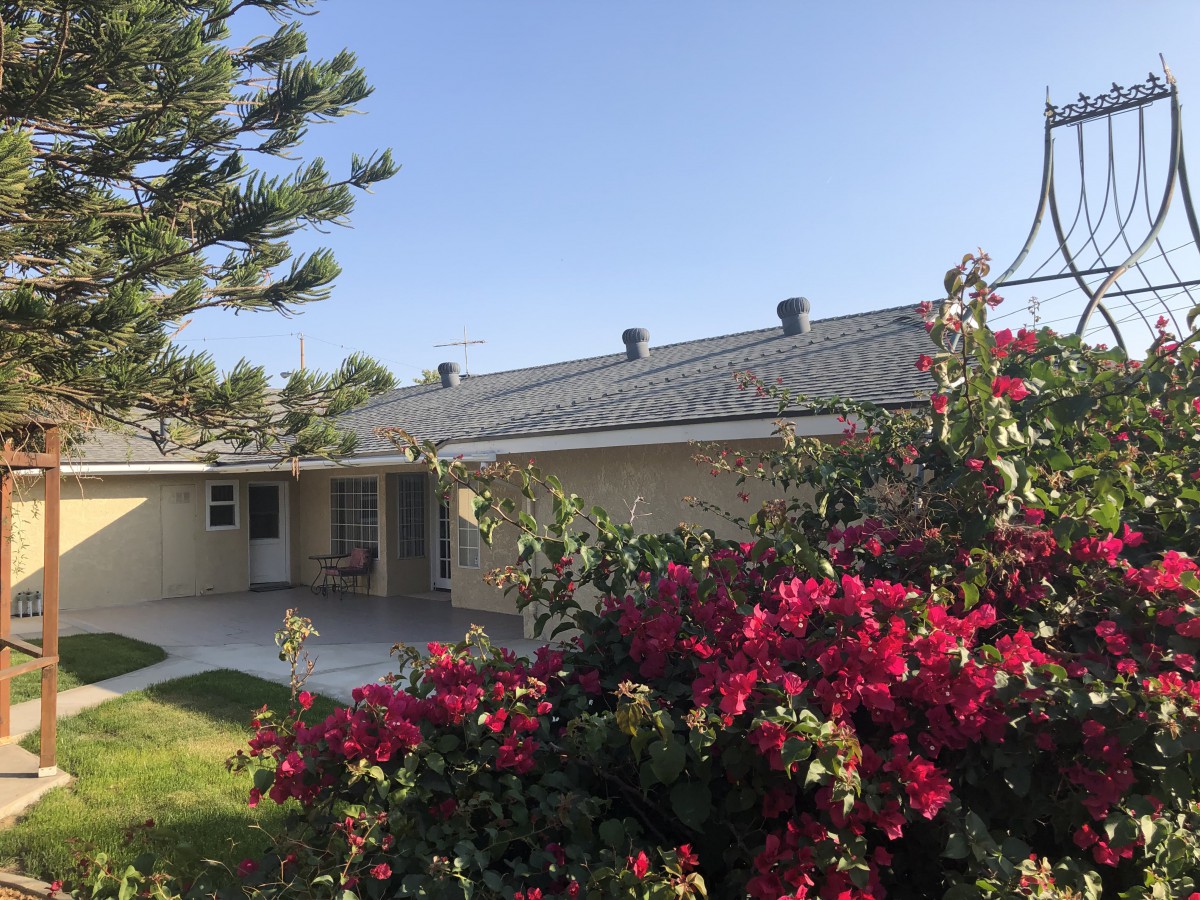
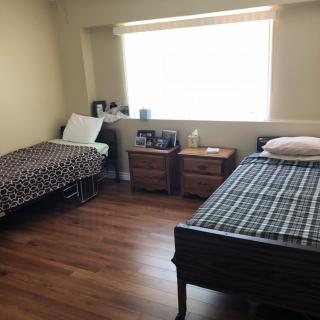
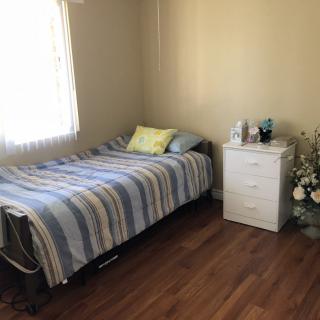
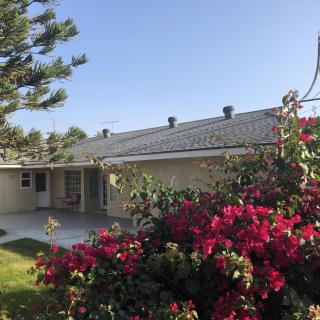
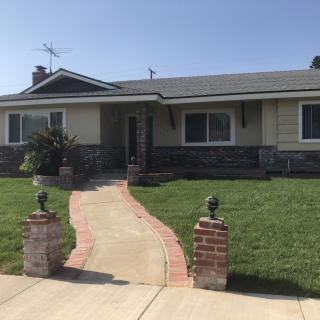
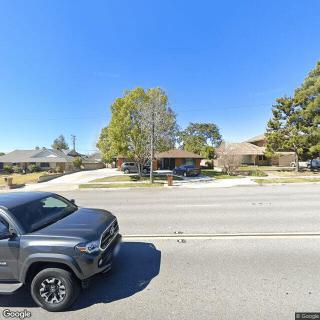
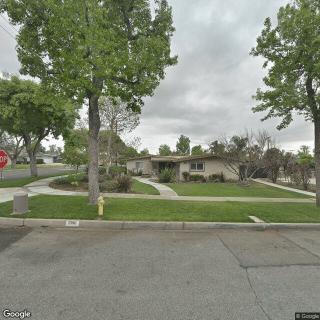
1371 North Vallejo Way, Upland, CA 91786
For more information about senior living options: (866) 208-4318
Golden Ages Senior Care Costs & Pricing
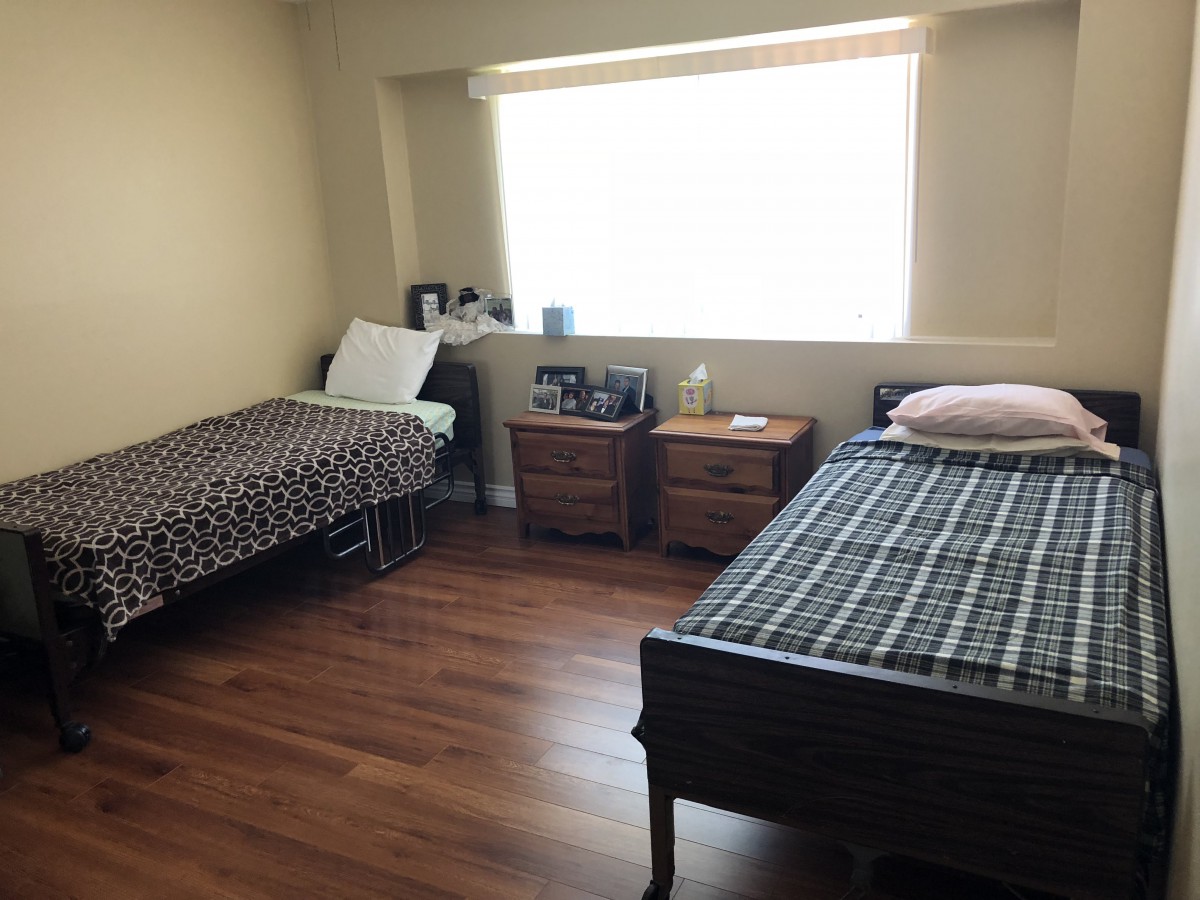
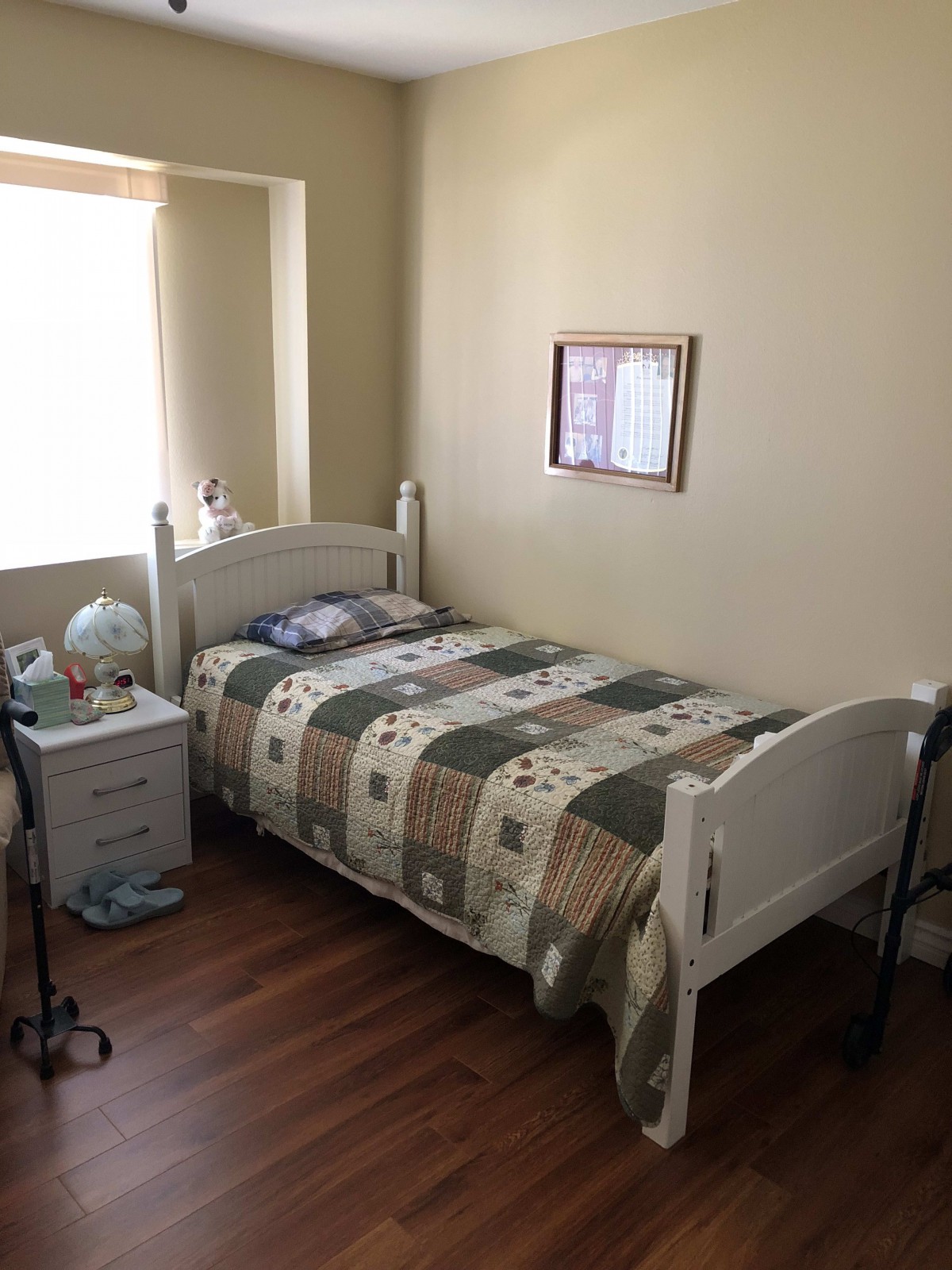
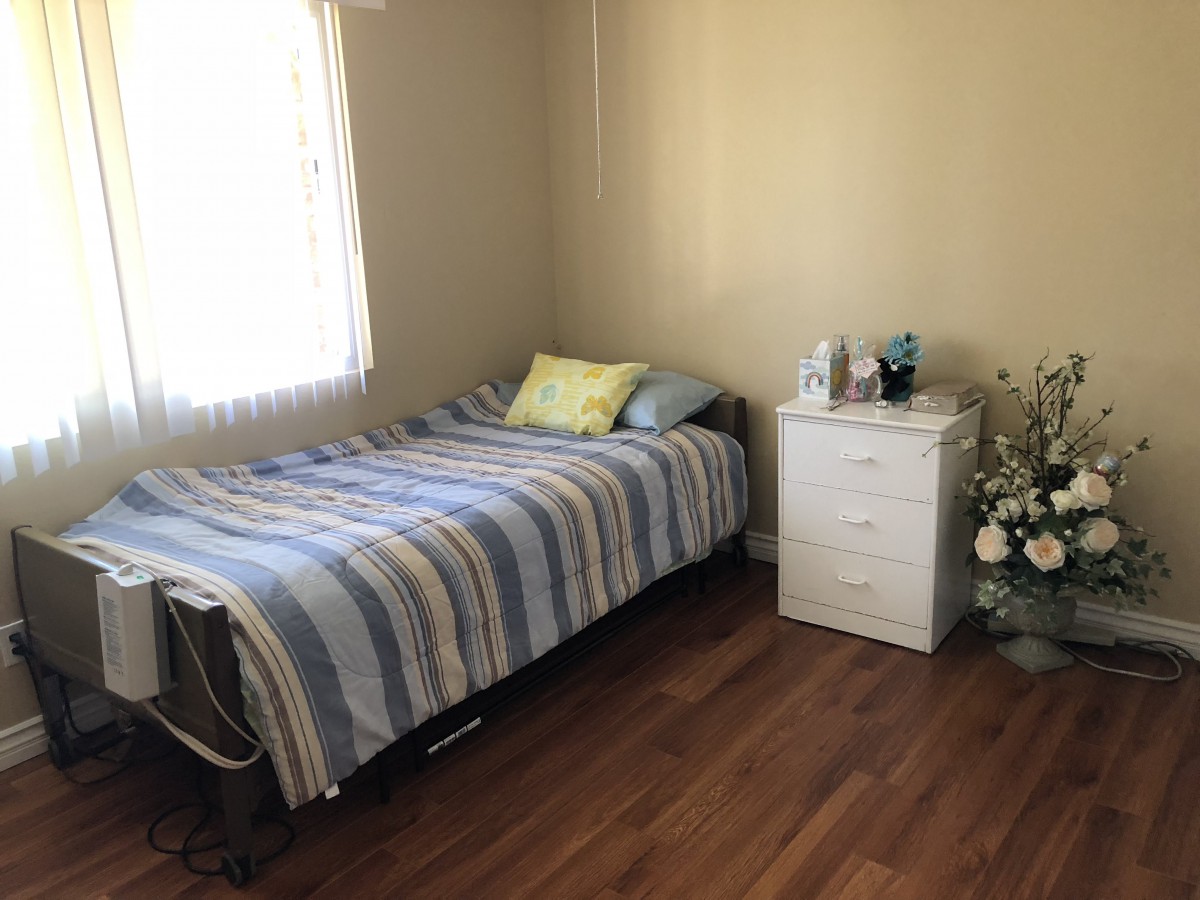
Golden Ages Senior Care offers a range of accommodations that reflect the quality and personalized care provided at the facility. For those opting for semi-private rooms, the monthly cost is $3,800, which is notably higher than the average fee of $2,958 in San Bernardino County and $3,333 across California. Similarly, private rooms at Golden Ages are priced at $4,800 per month, exceeding both the county's average of $3,561 and the statewide figure of $3,939. While these costs may be higher than other local facilities or state averages, they are indicative of the enhanced services and comprehensive care that residents receive at Golden Ages Senior Care.
| Floor plans | Golden Ages Senior Care | San Bernardino County | California |
|---|---|---|---|
| Semi-Private | $3,800 | $2,958 | $3,333 |
| Private | $4,800 | $3,561 | $3,939 |
Assisted Living communities with a similar price nearby
-
from +$195 / mo
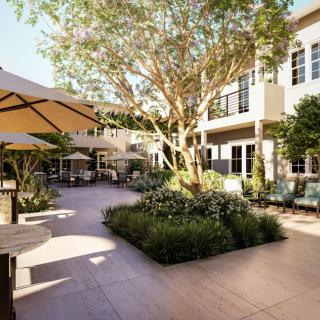
Cadence Brea
$3,995 to $5,500 / month19.0 miles away -
from -$300 / mo

Sam's Homecare
$3,500 to $5,500 / month16.9 miles away -
from -$200 / mo
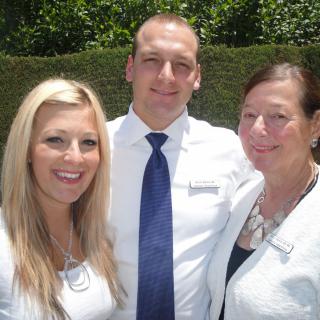
Genesis Manor VI
$3,600 to $4,200 / month3.7 miles away -
from -$300 / mo
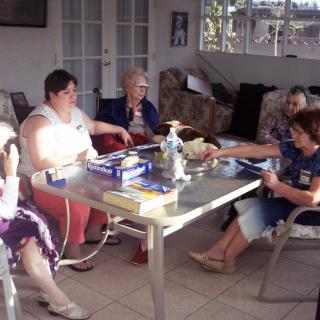
Golden Life Manor
$3,500 to $4,000 / month23.1 miles away -
from +$700 / mo
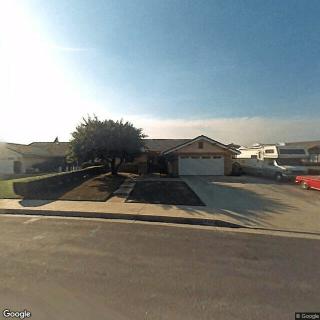
Heritage Senior Home Care
$4,500 to $4,800 / month7.5 miles away
Overall Review of Golden Ages Senior Care
Pros
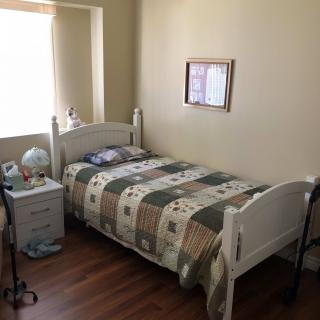
 The facility provides a homey environment for the father-in-law.
- He has his own room and receives care in a home-style setting.
- The administration and staff are very responsive to needs.
- The father-in-law is much happier since moving there.
Review
Golden Ages Senior Care in Upland, California is best suited for families seeking a warm, home-like living arrangement for a loved one who benefits from private space and attentive, personalized care. The standout feature is the private room paired with a setting that feels like home, not an institution. Administration and staff are described as highly responsive to needs expressed, creating a sense of security for families during a vulnerable transition. When a loved one improves in mood and overall happiness after moving in, this kind of environment becomes a decisive factor for choosing this community. For families prioritizing comfort, dignity, and a calm daily rhythm, Golden Ages aligns with those priorities and can deliver meaningful peace of mind.
That said, some families may want to consider alternatives. For residents who require robust medical oversight, frequent skilled-nursing interventions, or a broader slate of on-site programming and amenities, a larger or more clinically oriented community could offer more comprehensive support. If the desired pace leans toward a bustling campus with extensive activities, scheduled therapies, or on-site specialists, the home-style setting at Golden Ages might feel leaner by comparison. In such cases, it is prudent to compare what is offered as standard versus what would be needed day-to-day to sustain health, safety, and social engagement.
The strongest pros are clear and aligned with practical decision criteria. The private room preserves dignity and autonomy, helping elders retain a sense of independence while still receiving necessary care. The home-style atmosphere lowers stress for both residents and families, less clinical rigidity, more familiar routines, and a slower pace that can reduce anxiety. Responsive administration and attentive staff translate into swift adaptations when needs shift, whether it’s a change in routine, a new medication, or a request for assistance. Most telling, the elder’s happiness and daily engagement reportedly improve after the move, a tangible outcome that weighs heavily in favor of facilities that can deliver consistent quality of life gains.
These advantages, however, carry a natural caveat. The same intimate, home-like format often implies a smaller footprint in services and activities when contrasted with larger communities. That means families should be mindful of whether the specific level of medical support, rehabilitation services, and programmed outings aligns with their loved one’s current and anticipated needs. In practice, the trade-off is favoring personalized attention and a quieter, safer living environment over a sprawling activity calendar or on-site specialty care. When staff responsiveness is a core value, the potential gap in breadth can be more than offset by the depth of daily attention and the emotional comfort gained.
To move confidently toward a decision, families should verify several practical details. Confirm whether a private room remains available or guaranteed, and understand the process for transitioning if care needs escalate. Seek a clear, individualized care plan that details medication management, daily routines, nourishment options, and safety protocols. Inquire about staff-to-resident ratios across day and night shifts, and ask how social engagement is structured, whether there are regular programs, guest speakers, or group activities that fit the resident’s preferences. Finally, review the pricing structure, what is included in meals and care, and how changes in care level are priced so there are no surprises as needs evolve.
The bottom-line recommendation is straightforward. For families prioritizing a warm, private, home-like environment where staff respond promptly and a loved one can settle into a calmer daily rhythm, Golden Ages Senior Care in Upland stands out as a practical, high-value option. It excels at delivering comfort, individualized attention, and demonstrable increases in happiness for residents who thrive in a smaller, caregiver-driven setting. Those whose circumstances demand heavier clinical support, a more extensive activity team, or a larger campus should benchmark this option against alternatives with a broader medical footprint. In the right match, Golden Ages offers not just care, but a meaningful improvement in daily living.
 6 resident community capacity
 Assisted Living
 Board and Care Home
 Activities on-site
 Air-conditioning
 Cable or satellite TV
 Dining room
 Fully furnished
 Garden
 Housekeeping services
 Indoor common areas
 Move-in coordination
 Outdoor common areas
 Private
 Respite or short term stays offered
 Telephone
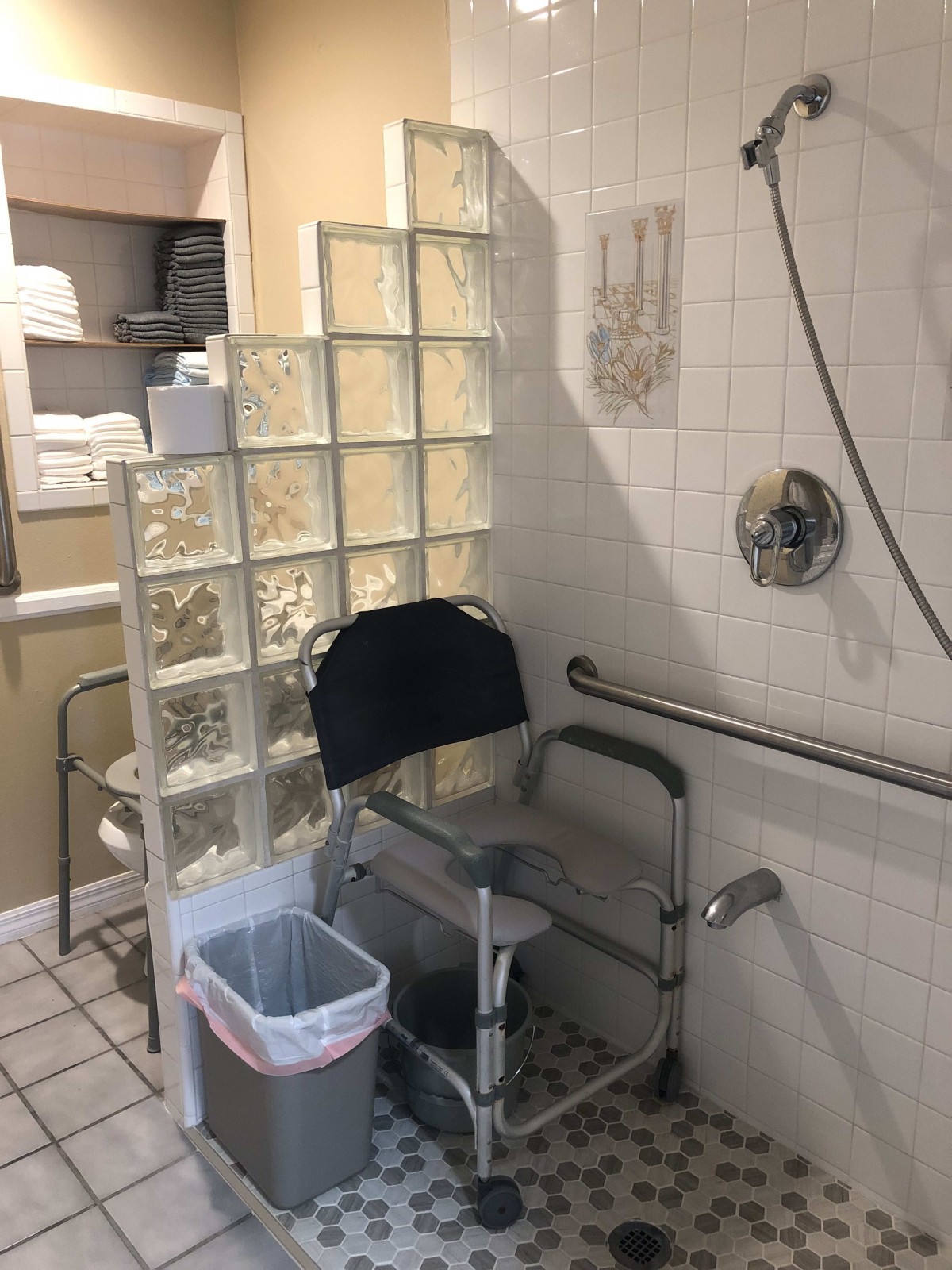
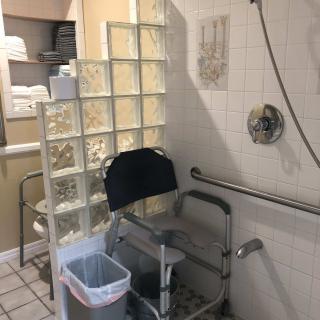
 Wheelchair accessible showers
 Wi-Fi/high-speed internet available
 Ontario International (5 miles away)
 24-hour supervision
 Assistance with bathing
 Assistance with dressing
 Assistance with transfers
 Diabetes diet
 Diabetic care
 High acuity care
 Incontinence care
 Meal preparation and service
 Medication management
 Special dietary restrictions
 Transportation arrangement (medical)
 Transportation to doctors appointments
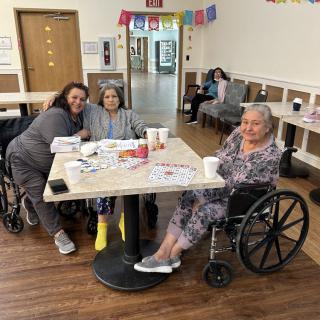
 Birthday parties
 Live musical performances
 Trivia games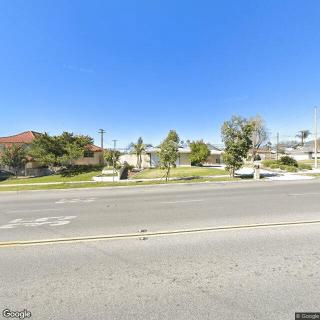

 Understanding the True Cost of Assisted Living in 2025: A Comprehensive Guide
 Understanding Medicaid Coverage for Assisted Living: A Comprehensive Guide
 How and When Medicaid May Cover Assisted Living Costs