
1396 North 1St Avenue., Upland, CA 91786
For more information about senior living options: (866) 208-4318
Overall Review of Active Board And Care
Pros
 The caregivers are personable and family-oriented, providing attentive support during a resident’s final days.
- The staff treats residents and visiting families as if they were part of a family, fostering warm, lasting connections.
- The home is warm and clean, avoiding the cold, sterile feel of larger facilities.
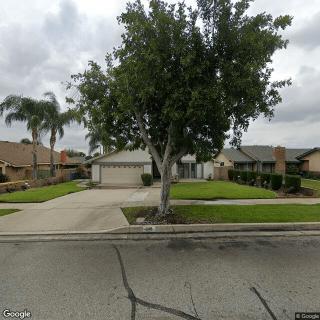
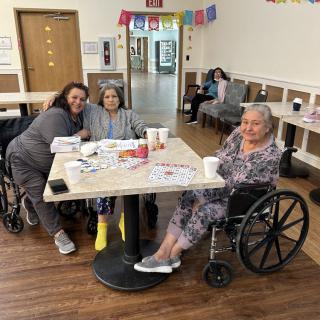
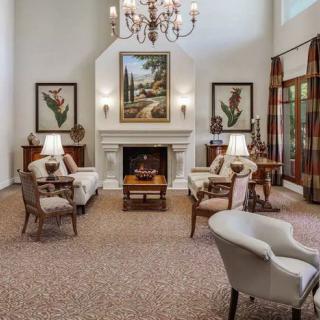
- The setting in a quiet residential area offers a simple, home-like environment with a common living room and group dining.
- The meals are delicious, custom, and home-cooked.
- The home comes highly recommended for loved ones to make the most of their final days.
Cons
 The father-in-law’s dementia was becoming too overwhelming for his wife and the family to maintain a 24-hour watch.
- Maintaining a 24-hour watch was too burdensome for the family.
- Larger industrial facilities have a cold, sterile environment.
Review
Active Board And Care in Upland, California is best suited for families seeking a small, home-like setting where a loved one can receive round-the-clock care with a strong emphasis on warmth, dignity, and daily family-style routines. This community shines for seniors who benefit from personalized attention and a dementia caregiving approach delivered in a quiet, residential neighborhood rather than a hospital-like campus. Those seeking a highly structured, on-site medical program or extensive skilled nursing should consider alternatives.
From the available impressions, the care team is described as personable and family-oriented, with staff who treat residents as if they were family long beyond the living arrangement. The atmosphere is warm and clean, featuring a living room for socializing, a group dining area, and a sense of continuity that helps both residents and visiting families feel secure. The dementia care dynamic appears to be managed with patience and attentiveness, which is crucial for someone whose memory challenges are escalating.
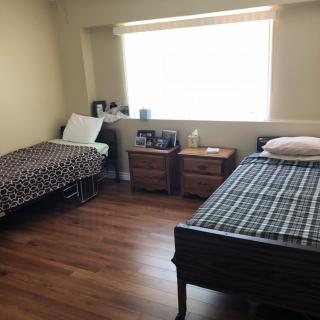
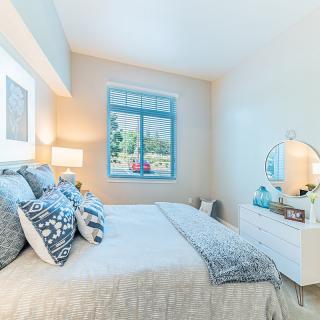
Meals are highlighted as delicious, custom, home-cooked fare, which, together with the home’s simple bedroom layout, reinforces a non-institutional experience. The emphasis on around-the-clock care means supervision is continuous, and the quiet residential setting reduces stimuli that can overwhelm individuals with dementia. The absence of a cold, sterile facility atmosphere is a meaningful differentiator for families prioritizing comfort and a humane pace to daily life.
These strengths offset several potential trade-offs typical of small, board-and-care homes. The intimate scale allows caregivers to know residents well, tailor routines, observe subtle changes, and respond quickly, an undeniable advantage for daily dementia management. However, this same small, home-like model can limit access to formal medical oversight, on-site therapy programming, and a broader schedule of social activities. Families should be prepared for the possibility that medical or specialty services may be coordinated off-site or through visiting clinicians rather than on the property.
Explicitly, families should consider alternatives if the loved one requires high-acuity nursing, advanced wound care, or a robust day program with a wide range of on-site activities designed for memory care. Larger assisted living communities or dedicated memory-care campuses commonly provide more structured programming, specialized staff training, and easier access to visiting specialists. Yet those environments can feel less intimate and may carry higher costs and less personalized attention.
For a practical decision, approach should be purposeful: visit the home with questions about staff ratios, training in dementia care, and how shifts are staffed for 24/7 coverage; assess the transparency of routines, the cleanliness standards, and how meals are planned and served; verify that the living spaces still offer privacy within a home setting. If alignment exists, Active Board And Care represents a compelling option for compassionate, family-first care that preserves dignity in the final chapters of life. If alignment is not immediate, there are clear, well-suited alternatives that deliver more medical oversight or a more structured memory-care program.
 6 resident community capacity
 Assisted Living
 Board and Care Home
 Cable or satellite TV
 Dining room
 Fully furnished
 Garden
 Housekeeping services
 Move-in coordination
 Outdoor space
 Telephone
 Wi-Fi/high-speed internet available
 Ontario International (5 miles away)
 24-hour supervision
 Activities of daily living assistance
 Assistance with bathing
 Assistance with dressing
 Assistance with transfers
 Diabetes diet
 Meal preparation and service
 Medication management
 Special dietary restrictions
 Transportation arrangement (medical)
 Transportation to doctors appointments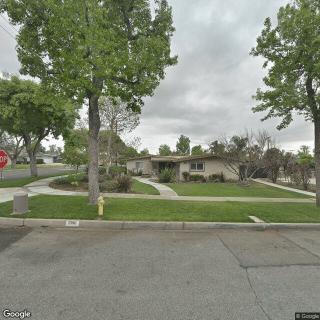

 Senior Transition Services: Understanding Their Role, Cost, and Importance
 Exploring the Path to Senior Living: A Comprehensive Look at Independent Living and Assisted Living
 Is Assisted Living Deductible on Your Taxes? Understanding the Complexities of Assisted Living Expenses and Deductions