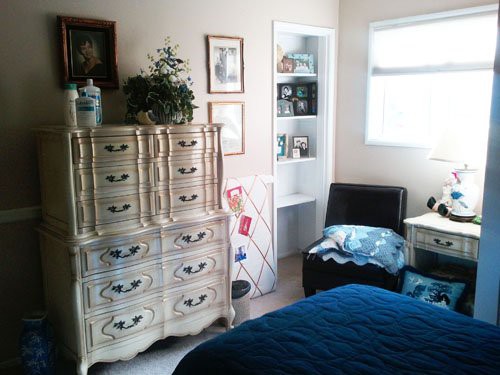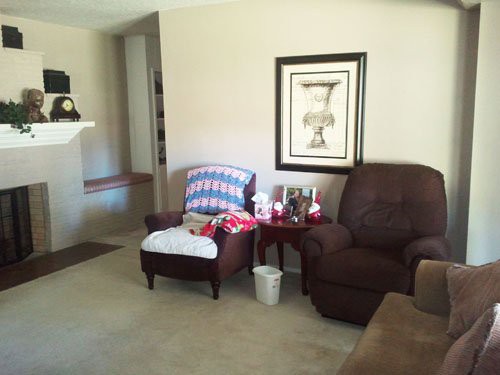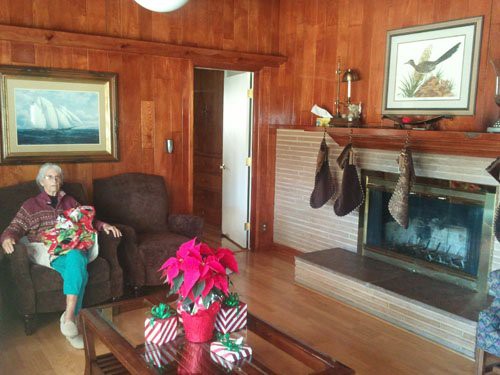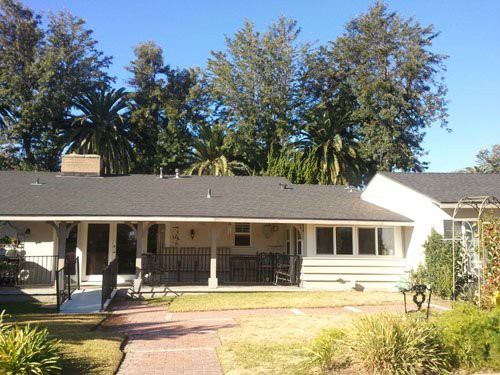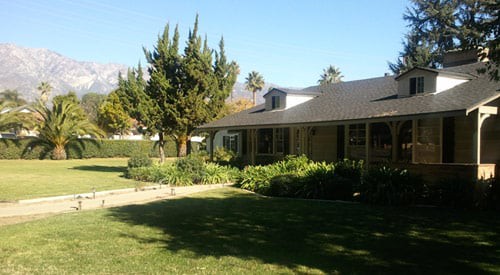
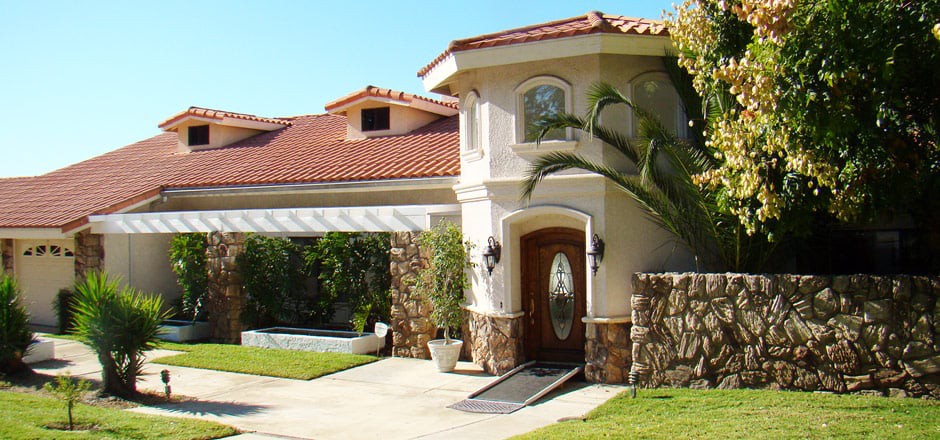
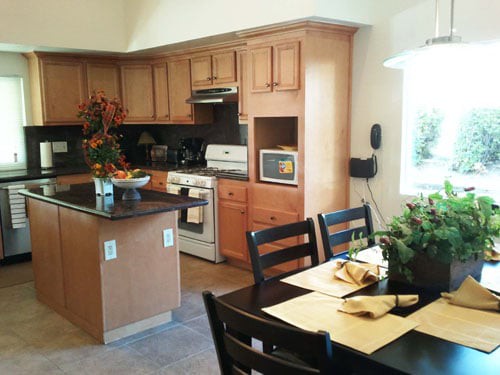
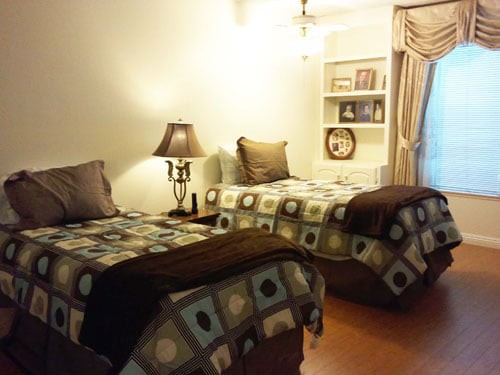
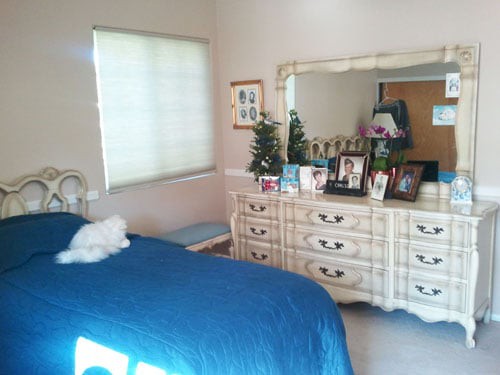
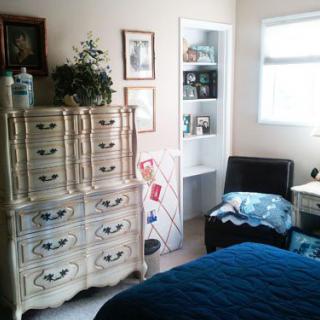

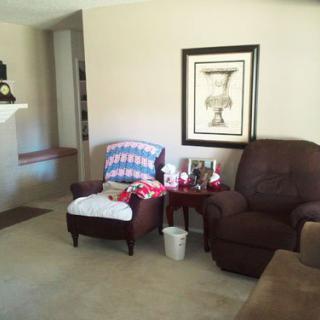
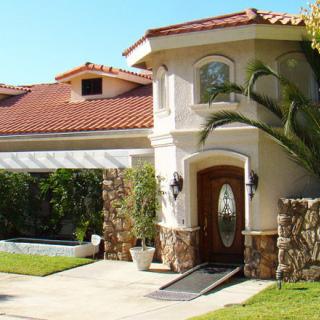
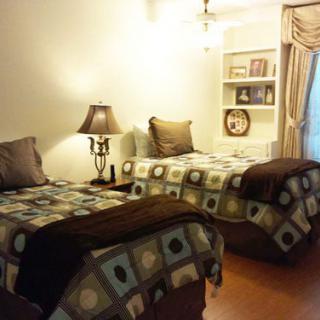

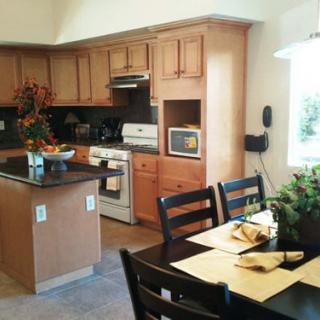
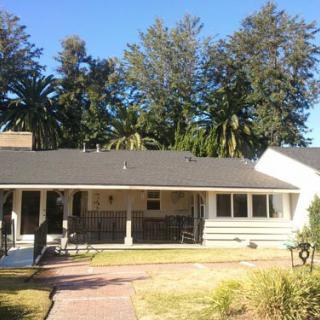

1592 North Euclid Avenue, Upland, CA 91786
For more information about senior living options: (866) 208-4318
Gracious Living Costs & Pricing
Gracious Living offers competitive pricing for its room options compared to the broader market in San Bernardino County and across California. For a semi-private room, residents can expect to pay $2,900 per month, which is slightly lower than the county average of $2,958 and significantly more affordable than the state average of $3,333. In contrast, the private room rate at Gracious Living stands at $3,900 per month, which remains competitive against San Bernardino County's average of $3,561 and aligns closely with California's average of $3,939. Overall, Gracious Living provides a cost-effective choice for individuals seeking quality care without compromising on comfort or service.
| Floor plans | Gracious Living | San Bernardino County | California |
|---|---|---|---|
| Semi-Private | $2,900 | $2,958 | $3,333 |
| Private | $3,900 | $3,561 | $3,939 |
Assisted Living communities with a similar price nearby
-
from -$400 / mo
Valley Spring Elderly Care
$2,500 to $3,000 / month21.0 miles away -
from +$100 / mo
Kozy Quarters 4 Seniors
$3,000 to $3,500 / month22.9 miles away -
from +$100 / mo
Best Elderly Care I
$3,000 to $3,500 / month23.7 miles away -
from -$100 / mo

Bianca's Home Care
$2,800 to $3,400 / month21.5 miles away -
from +$100 / mo
Villa Anne
$3,000 to $4,500 / month19.6 miles away
Overall Review of Gracious Living
Pros
 The mom was well cared for and loved by the care providers.
- She enjoyed a peaceful, calm, and well-lived life until the end.
- The owners and care providers were deeply appreciated for all that they did, especially during Covid.
- Jerome and Emma shared a special bond with the mom.
Review
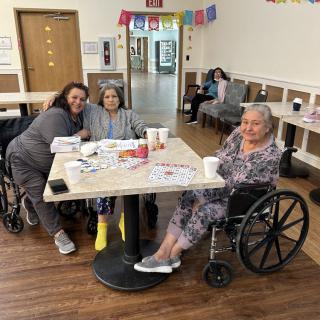
Gracious Living in Upland is best suited for families seeking deeply personal, comfort-focused care for a loved one nearing the end of life or needing a short, intimate stay in a homelike setting. The experiences shared by families emphasize a calm, peaceful daily rhythm where residents are treated with warmth and genuine affection. This is not a facility built around flashy programming or high-volume activity schedules; it is a place where attentive caregivers form meaningful connections, and where a resident’s dignity and comfort take center stage during a vulnerable period.
Those weighing alternatives should consider who may not thrive here. For families seeking robust independent living options, a wider array of on-site medical services, or a bustling, highly social environment with abundant structured activities, other communities may offer a better fit. Gracious Living’s strengths lie in intimate, relationship-driven care rather than large-scale amenities or aggressive clinical regimens. If a loved one requires intensive, around-the-clock medical surveillance or extensive hospital-level supports beyond comfort care, it makes sense to compare options that provide a broader clinical footprint.
The strongest pros center on the caregiving relationship. Care providers are described as loving, attentive, and emotionally present, contributing to a tranquil, well-regulated daily life for residents. Families highlight the owners’ hands-on involvement and the staff’s ability to forge bonds that feel almost familial, with specific staff members noted for creating special connections. That depth of trust translates into consistent quality of life for residents, fewer moments of distress, and less caregiver turnover anxiety for families, benefits that are hard to match in larger, more impersonal settings.
Even in the absence of formal disadvantages in the reviews, several practical realities emerge as considerations. The emphasis on comfort and end-of-life serenity suggests a setting optimized for palliative care rather than expansive medical management or long-term independence. For a resident who hopes to stay engaged through a wide menu of activities or who requires diversified clinical services, the scale and scope may feel limited. Prospective families should verify the level of on-site medical oversight, availability of specialty care, and the exact mix of activities to ensure alignment with evolving needs.
Those pros, though, effectively offset the most likely constraints for the target resident. When the goal is a serene, dignified transition with a trusted, tight-knit caregiving team, the enhanced relational quality and hands-on ownership provide a durable counterweight to any gaps in programming or clinical intensity. The gratitude families express, especially for the way their loved one’s final months were lived with calm, love, and a sense of being truly cared for, speaks to the core decision driver: trust in people over programs when time is precious. In such circumstances, Gracious Living becomes less about a facility’s breadth and more about the depth of care.
For families ready to act, the practical next steps are clear. Arrange a detailed visit focused on meeting the caregiving team and observing daily routines, not just reviewing brochures. Ask for a transparent outline of available services, staffing patterns, and how medical oversight is coordinated, including hospice partnerships if relevant. Request specific examples of how resident preferences are honored in daily life, meal planning, and bedtime routines. And while this setting excels in end-of-life care, confirm alignment of expectations with long-term goals, whether for continued comfort care, transition planning, or possible short-term respite. In short, Gracious Living represents a compelling choice for those prioritizing compassionate, relationship-driven care in a quiet, dignified environment; alternatives should be pursued when broader clinical needs or a more energetic living environment are paramount.
 6 resident community capacity
 Assisted Living
 Board and Care Home
 Activities off-site
 Beautician on-site
 Cable or satellite TV
 Devotional services off-site
 Dining room
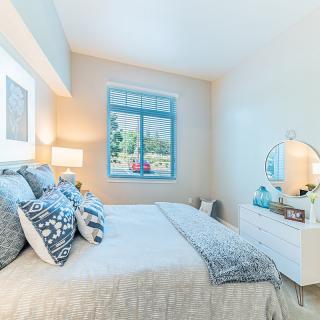
 Fully furnished
 Garden
 Housekeeping services
 Indoor common areas
 Move-in coordination
 Outdoor common areas
 Private
 Private bathrooms
 Respite or short term stays offered
 Swimming pool / hot tub
 Telephone
 Wheelchair accessible showers
 Wi-Fi/high-speed internet available
 Ontario International (5 miles away)
 24-hour supervision
 Ambulatory care
 Assistance with bathing
 Assistance with dressing
 Assistance with transfers
 Diabetes diet
 High acuity care
 Incontinence care
 Meal preparation and service
 Medication management
 Special dietary restrictions
 Transportation arrangement (medical)
 Transportation to doctors appointments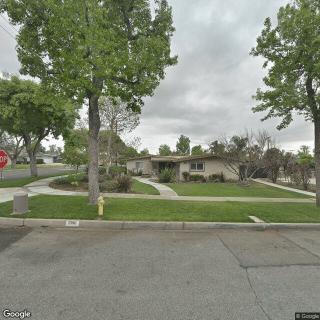
 Medicare Coverage for Assisted Living: An In-Depth Exploration
 Choosing the Right Senior Care: A Detailed Exploration of Assisted Living and Nursing Homes
 Understanding the True Cost of Assisted Living in 2025: A Comprehensive Guide