
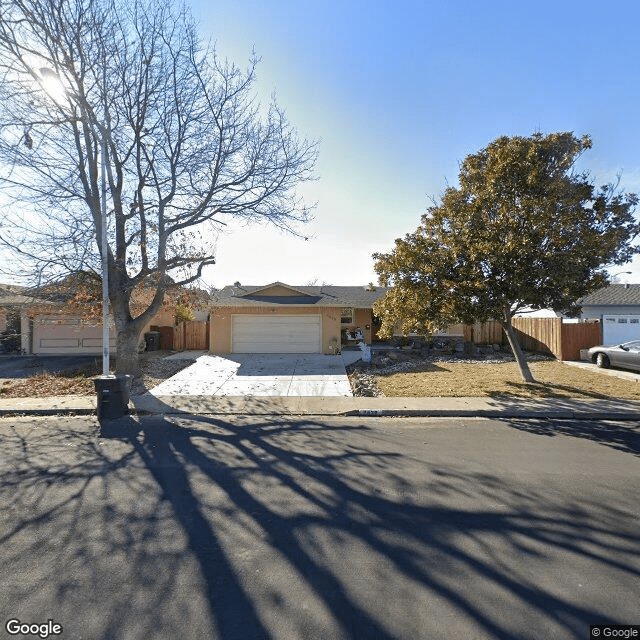
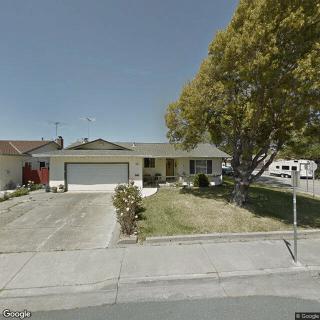
2438 Douglas Street, Union City, CA 94587
For more information about senior living options: (866) 208-4318
Tri City Care Home Costs & Pricing
Tri City Care Home offers competitive pricing for its room accommodations compared to both Alameda County and the broader California market. For semi-private rooms, the monthly cost at Tri City Care Home is $3,000, which is notably lower than the county's average of $3,273 and the state average of $3,333. In terms of private rooms, Tri City Care Home's rate stands at $3,500, again more affordable than Alameda County's median of $3,748 and significantly less than California's average of $3,939. These price points reflect a commitment to providing quality care at accessible rates within the community.
| Floor plans | Tri City Care Home | Alameda County | California |
|---|---|---|---|
| Semi-Private | $3,000 | $3,273 | $3,333 |
| Private | $3,500 | $3,748 | $3,939 |
Assisted Living communities with a similar price nearby
-
About the same

Palm Garden Home Care
$3,000 to $4,000 / month16.1 miles away -
from -$500 / mo
Ava Bella Care Home
$2,500 to $3,000 / month0.2 miles away -
from +$195 / mo
Harbor Bay Assisted Living
$3,195 to $5,000 / month14.8 miles away -
from +$400 / mo

An Oak Grove Manor
$3,400 to $3,800 / month22.6 miles away -
About the same

Eden Assisted Living
$3,000 / month7.9 miles away
Overall Review of Tri City Care Home
Pros
 Romel and his staff provided excellent care by addressing the father's needs.
- The care decreased the father's agitation, allowing him to relax.
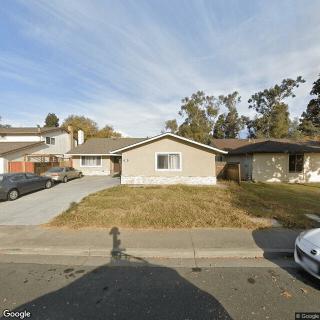
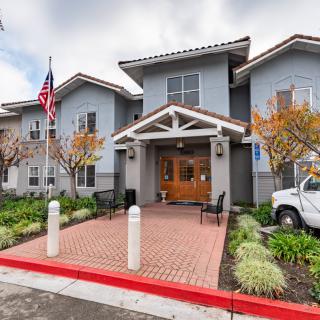
- The home is clutter-free, clean, neat, well maintained, and each room has access to the backyard.
- The family was blown away by the care and love shown to their father.
- The staff are very kind, the facility is clean and welcoming, and they were very accommodating.
Cons
 The father wasn't getting proper care at the other facility near St. Therese Care Home II.
Review
Tri City Care Home in Union City is best suited for families that prize a small, home-like atmosphere where staff establish consistent relationships with residents, respond promptly to needs, and maintain a calm, predictable day-to-day routine. Based on the firsthand accounts provided, the defining strengths lie in attentive, compassionate staff who address individual needs, a clean and uncluttered living space, and a layout that supports easy outdoor access. Families seeking a setting that emphasizes personal contact, low-stress levels for residents, and a straightforward care plan will find Tri City a strong candidate, especially if the goal is to reduce resident agitation and promote comfort in daily living.
Those considering alternatives should weigh options that offer more formal medical oversight, a larger community with broader programming, or memory-care specialized environments. If the priority is around complex clinical management, frequent skilled-nursing coverage, or a robust activity calendar with structured therapeutic programs, a larger campus or a facility with dedicated memory-care wings may serve better. Prospective residents who require intensive rehabilitation, specialized dementia services, or seamless transitions between levels of care might find value in exploring options beyond a smaller, home-style model.
From the experiences cited, the most persuasive pros are the staff’s kindness and the facility’s welcoming, clean presentation. When care teams are described as accommodating and responsive, families gain confidence that daily needs, medication reminders, mobility support, and routine safety checks, will be consistently met. Cleanliness and maintenance are not cosmetic footnotes here; they contribute directly to resident comfort and peace of mind, reducing hazards and creating a predictable environment that lowers distress for both seniors and their families. The sense that rooms offer access to outdoor space reinforces opportunities for fresh air, natural light, and gentle activity, which many aging residents rely on for mood and stamina.
The principal downsides to consider revolve around scope and scale. Small, home-like communities can struggle to match the breadth of programming found in larger campuses, and the level of medical oversight may be more limited than what some cases require. Staffing coverage and availability of on-site specialists can vary, and without a robust internal medical team, families might face more coordination with external providers. Location convenience, consistent transportation for appointments, and the cost structure are other factors that often determine fit, particularly for families managing multiple care needs or tighter budgets.
Yet the strength of the described care model helps offset these potential drawbacks. The same staff attentiveness that eases agitation also tends to translate into better symptom monitoring and quicker response times, which matters when medical complexity exists but is managed within a home setting. A clutter-free, secure, clean environment minimizes falls and accidents, while home-like layouts and outdoor access support independence and meaningful daily routines. For families prioritizing warmth, continuity of care, and a dignified, low-stress aging experience, these elements can outweigh the constraints of smaller programs or fewer on-site medical resources.
Practical next steps are clear for families weighing Tri City Care Home against these considerations. Initiate a candid tour focusing on staff-to-resident ratios, the training and availability of medical personnel, and how the home manages transitions if a resident’s needs intensify. Request a sample week of activity programming, observe interactions between staff and residents, and talk with families of current residents about agitation, mood stability, and end-of-life care experiences. The bottom line is this: if the priority is a calm, clean, people-centered environment with responsive caregivers who treat residents with consistent kindness, Tri City Care Home stands as a compelling option. If the need is for more extensive medical oversight or dementia-specific programming, alternative facilities should be on the short list for comparison.
 6 resident community capacity
 Assisted Living
 Board and Care Home
 Respite Care
 Cable or satellite TV
 Dining room
 Fully furnished
 Garden
 Housekeeping services
 Move-in coordination
 Outdoor space
 Private
 Telephone
 Wheelchair accessible showers
 Wi-Fi/high-speed internet available
 Metropolitan Oakland International (12 miles away)
 24-hour supervision
 Activities of daily living assistance
 Assistance with bathing
 Assistance with dressing
 Assistance with transfers
 Diabetes diet
 Diabetic care
 High acuity care
 Incontinence care
 Meal preparation and service
 Medication management
 Special dietary restrictions
 Transportation arrangement (medical)
 Transportation to doctors appointments

 A Detailed Exploration of Assisted Living Medicaid Waivers Across the United States
 Comprehensive Residential Support and Assisted Living Solutions for Individuals with Disabilities
 Comprehensive Supportive Living Arrangements for Adults with Disabilities