
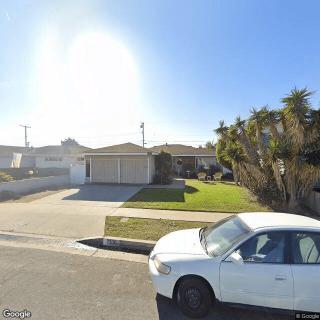
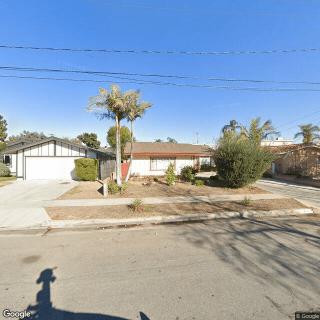
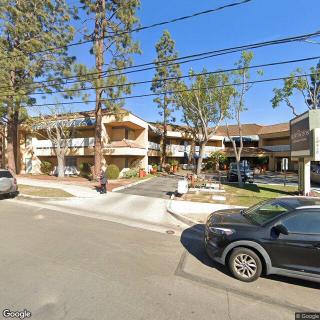
2451 West 235Th Street, Torrance, CA 90501
For more information about senior living options: (866) 208-4318
Overall Review of Family Care Manor
Pros
 Best For Family Home Care provides compassionate and caring caregiving services.
- The staff are very caring and willing to do what it takes to keep the client happy, with strong recommendations from doctors and nurses.
- The agency is kind and professional from the first contact through the intake process and actual caregiving.
- When additional help is needed, the company is the first choice.
- The team is very caring and prompt in addressing concerns, and they accommodate needs.
- Best For Family Home Care exceeds expectations and provides peace of mind.
- The agency treats clients like family, with great caregivers, wonderful office staff, and 24/7 support.
- Best For Family Home Care is trusted, reliable, and inspires complete confidence in its care.
Review
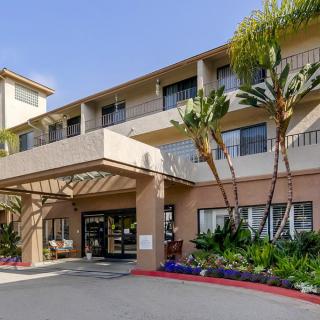
Family Care Manor in Torrance is best suited for families seeking a warm, home-like environment backed by a consistently responsive, deeply caring caregiving team. The reviews point to a culture where staff deliver not just routine help but a sense of companionship and steadiness that helps both seniors and their families sleep a little easier at night. A 5-star track record from 26 reviews signals that, in practice, residents tend to experience reliable kindness, attentiveness to concerns, and a steady hand when daily needs, safety, and comfort are at stake. This is a scenario where trust in the caregiving relationship is the central asset, and families place a premium on human connection as part of ongoing care.
Those weighing alternatives should consider what happens if medical complexity requires on-site nursing or if the priority shifts toward a more structured, activity-rich community life. For residents with intensive medical needs or whom a hospital-like level of medical oversight is essential, a traditional skilled-nursing facility or a higher-acuity setting may be more appropriate. Similarly, families seeking a social calendar with formal programming, larger community spaces, and built-in peer interaction might prefer a conventional assisted living community. Budget dynamics, desired pace of life, and the intensity of supervision all factor into whether a facility-focused path or a home-care–adjacent model remains most sensible.
The strongest positives center on the caregiving core: compassionate, willing, and consistently dependable caregivers; rapid responsiveness to concerns; and a practice of matching the right caregiver to the client. This combination translates into tangible peace of mind for families, a sense that the loved one is not only cared for but understood. The testimonials highlight office staff who are capable and supportive, and a network of professionals, doctors and nurses, who endorse and reinforce the care plan. When care teams feel aligned with medical guidance and family expectations, the risk of miscommunication drops, and steady routines emerge that support both safety and autonomy.
On the flip side, the reviews do not foreground concrete downsides, which means the main concerns families might anticipate are not spelled out in direct terms. One recurring undercurrent is the emotional hurdle of initiating help, calling for assistance can be daunting, even when the response is handled with warmth and professionalism. In practical terms, the offset for this is clear: once engaged, the team’s responsiveness and the quality of caregiving tend to convert initial apprehension into confidence. Another implicit consideration is ongoing affordability and the need to compare price structures with other options, even when a given agency is described as reasonably priced. The bottom line remains that strong caregiver quality and medical-aligned support tend to justify the investment for families prioritizing home-like care and reliability.
For families actively evaluating Family Care Manor, concrete steps make the decision manageable. Seek clarity on how caregiver matching works and how substitutions are managed when a caregiver is unavailable. Confirm what 24/7 on-call coverage looks like in practice and who handles urgent concerns after hours. Review the facility’s medical coordination arrangements, who serves as the medical liaison, how often care plans are reviewed with doctors, and what happens if a health setback occurs. Finally, request transparent pricing for all included services, and ask for sample care plans to compare with other options. The objective is to verify that the promise of compassionate care translates into a consistent, well-structured experience day after day.
In the end, this community stands out for families seeking a dependable, home-centered care approach bolstered by a heartfelt staff and real professional backing. When aging in place with a trusted caregiver network is the priority, Family Care Manor, supported by a partner ecosystem that emphasizes compassionate care, quick responsiveness, and credible medical alignment, offers a compelling path. If the situation calls for more on-site community life, memory-specific programming, or intensive skilled nursing, it is prudent to explore alternatives that foreground those capabilities. The decision hinges on aligning medical needs, desired social environment, and financial planning with the proven strengths reflected in the caregiving model praised by families.
 6 resident community capacity
 Assisted Living
 Board and Care Home
 Cable or satellite TV
 Dining room
 Fully furnished
 Garden
 Housekeeping services
 Move-in coordination
 Outdoor space
 Telephone
 Wi-Fi/high-speed internet available
 Los Angeles International (10 miles away)
 24-hour supervision
 Activities of daily living assistance
 Assistance with bathing
 Assistance with dressing
 Assistance with transfers
 Diabetes diet
 Meal preparation and service
 Medication management
 Special dietary restrictions
 Transportation arrangement (medical)
 Transportation to doctors appointments
 Comprehensive Insights into Activities of Daily Living (ADLs) and Their Assessment
 Medicare Coverage for Assisted Living: An In-Depth Exploration
 Choosing the Right Senior Care: A Detailed Exploration of Assisted Living and Nursing Homes