
2460 West 229Th Place, Torrance, CA 90501
For more information about senior living options: (866) 208-4318
Overall Review of South Bay Residential Care Home
Pros
 South Bay In Home Senior Care provides 24-hour care to the reviewer’s mother for five years.
- The caregivers treat the mother as if she were their own.
- They cook wonderful meals and show a level of compassion, care, and connection that far exceeds expectations.
- Daily photos of meals and garden time, and videos of daily exercises, are provided.
- The service keeps the family informed of all pertinent daily details, including caregivers’ concerns.
- The mother with dementia is clearly happy with the care, and her quality of life in her golden years is excellent.
- Norman, the caregivers’ supervisor, is intelligent, competent, caring, and responsible, and stays aware of the details of the mother’s life.
- Norman accompanies the mother to urgent care and keeps the family apprised at every step.
- The administrative staff is friendly and caring.
- The reviewer cannot recommend South Bay In Home Senior Care highly enough.
Cons
 No negative statements found in the provided review.
Review
South Bay Residential Care Home is best suited for families seeking constant, personalized at‑home style care for a loved one who values deep caregiver relationships, continuous supervision, and regular, transparent communication, especially when dementia or memory challenges are present. The arrangement described in the review demonstrates a long‑term, 24/7 care model that keeps the caregiver team tightly aligned with a single resident, which translates into stable routines, trusted meal preparation, and a compassionate, family‑like approach. For families who cannot be on site or who live out of state, this model offers the reassurance of daily oversight and a steady, knowable care routine rather than episodic, hospital‑level interventions.
Those who may want alternatives include families seeking a more social, facility‑based environment with built‑in activities, transportation, and on‑site medical oversight. If the priority is extensive peer interaction, structured group programming, and a housing option that provides a defined community with communal dining and regular on‑site services, a traditional residential care home or assisted living option in Torrance could be a better fit. The South Bay model excels at intimate, individualized care, but it does not replicate the breadth of on‑site amenities and social opportunities that larger communities can offer. For some loved ones, that social dimension can be as important as the level of medical care.
The strongest value in this model comes from the uninterrupted, 24/7 attention delivered by a consistent caregiving team. Caregivers are described as treating the resident as family, cooking meals thoughtfully, and sustaining a level of compassion and connection that elevates quality of life in the golden years. The ability to provide daily photos, meal snapshots, and videos of exercise routines creates a reliable, transparent channel for family members who cannot visit regularly. This kind of ongoing visibility is not merely comforting; it’s a practical safeguard that helps families monitor well‑being, notice subtle shifts, and stay engaged in care decisions without the guesswork that often accompanies sporadic updates.
Proactive supervision is another standout strength. The caregivers’ supervisor is portrayed as highly aware of day‑to‑day specifics, capable of recognizing when urgent care is needed, and able to accompany a loved one to appointments while keeping relatives informed at every step. Such responsiveness reduces the anxiety that accompanies aging in place and can prevent minor concerns from escalating. The combination of attentive staff, a friendly administrative presence, and a dementia‑aware approach creates a care ecosystem that feels reliable and well coordinated, which is exactly what families crave when distance separates them from day‑to‑day realities.
On balance, the positives largely offset the potential drawbacks of an in‑home care‑centric model. When a loved one thrives in a familiar home setting and values intimate staff relationships, the benefits, predictable routines, strong caregiver accountability, meaningful daily communication, and proactive health management, offer a compelling case for choosing this path. The main caveat is the inherent dependence on a relatively small, dispersed team: caregiver availability, turnover, and the ability to sustain 24/7 coverage without gaps. Families should verify the plan for backups, obtain a clear care schedule, and request detailed escalation procedures to ensure continuity when a caregiver is out sick or on vacation.
For decision‑makers, several practical steps rise to the top. Confirm dementia‑specific training for all caregivers and the availability of back‑ups for night shifts and emergencies. Request a written care plan that outlines daily routines, dietary preferences, activity options, and medical coordination protocols. Ask about how updates are delivered, the expected cadence of communication, and consent for photos or video updates. Obtain references and inquire about family satisfaction in similar situations, then model a trial period or a phased transition to test fit. If the aim is to minimize family stress while maximizing individualized support, this approach delivers tangible peace of mind, provided the family accepts the trade‑off of fewer on‑site social programs and a tighter community footprint.
Ultimately, the South Bay option stands out for families prioritizing reliability, intimate caregiver bonds, and clear, ongoing communication in a home‑like setting. It offers a compelling answer for long‑term dementia care where the comfort of a familiar routine, responsive supervision, and transparent updates can dramatically reduce the emotional and logistical burden on distant relatives. However, for those who equate care success with abundant social engagement and a bustling campus atmosphere, pursuing alternatives with broader built‑in amenities may yield a better overall alignment with the senior’s social and activity needs. The right choice hinges on balancing the value of personalized attention and proactive health oversight against the desire for a more expansive, community‑centered environment.
 6 resident community capacity
 Assisted Living
 Board and Care Home
 Cable or satellite TV
 Dining room
 Fully furnished
 Garden
 Housekeeping services
 Move-in coordination
 Outdoor space
 Telephone
 Wi-Fi/high-speed internet available
 Los Angeles International (10 miles away)
 24-hour supervision
 Activities of daily living assistance
 Assistance with bathing
 Assistance with dressing
 Assistance with transfers
 Diabetes diet
 Meal preparation and service
 Medication management
 Special dietary restrictions
 Transportation arrangement (medical)
 Transportation to doctors appointments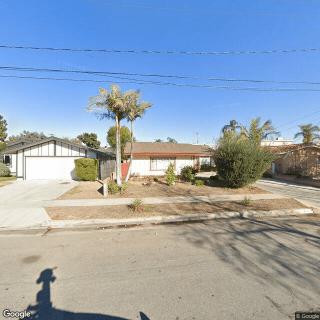




 8 Key Indicators That Suggest It May Be Time to Transition from Assisted Living to Skilled Nursing Care
 Vibrant Senior Living: A Comprehensive Guide for Active Older Adults
 When to Transition from Assisted Living to Memory Care: Key Indicators, Steps, and Finding the Right Community