
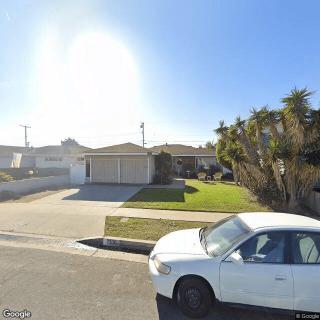
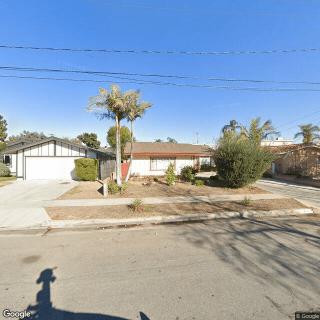
2446 West 234Th Street, Torrance, CA 90501
For more information about senior living options: (866) 208-4318
Overall Review of Patricia's Elder Care
Pros
 The patio is described as nice.
- The review notes a nice patio as a positive feature.
Cons
 Residents are encouraged to stay in bed and not socialize.
- There is no standard pricing; everyone pays a different amount.
- Rooms are large, dirty, and dusty.
- There is mold in the bathrooms.
- There are no birthday or holiday celebrations.
- There are no activities.
- The meals are carb-heavy, fried, and sugary.
- There is little variety in the diet, with few fruits or vegetables served.
- The staff are bossy and rough in their handling.
- The patio is nice but currently unusable.
Review
Patricia's Elder Care in Torrance is best suited for seniors who want the lowest-cost option and can tolerate minimal social programming and basic oversight. The community appears to deliver the bare minimum in daily life, little to no engagement activities, limited celebration of milestones, and a setting that prioritizes sparse structure over vibrant resident interaction. For families, that translates into a facility where supervision and advocacy from loved ones become essential, because staff engagement and programmatic depth are not reliable. In short, it serves a purpose only for residents whose expectations center on inexpensive living with the understanding that social and recreational supports will be minimal.
Families should explicitly consider alternatives if any of the following matter: consistent pricing clarity, clean, well-maintained spaces, substantive daily activities, nutritious and varied meals, and staff interactions that are respectful and supportive. This is not a good fit for someone seeking programming, a respectful culture of care, or a facility that prioritizes resident dignity through clean surroundings and responsive service. If healthcare needs, social engagement, or a sense of community are priorities, look elsewhere. Even families comfortable with tight budgets should demand better on those fundamental dimensions before committing.
One faint positive that could resonate in a tight-listed decision is the potential outdoor.
Patio space, described as nice, hints at an asset that could enhance wellbeing, if, and only if, it becomes usable and properly maintained. Right now, however, the patio does not offset the core concerns. The most consequential factors are not cosmetic: the environment feels neglected in ways that undermine safety, sanitation, and morale. Without reliable social programming, the environment can become isolating, and the absence of activities reinforces a retreat-like atmosphere that is difficult to justify for most seniors who value social contact and meaningful daily structure.
The strongest red flags cluster around care quality and living environment. Residents are reportedly encouraged to stay bedridden and to avoid socializing, with no regular activities or celebrations to mark birthdays or holidays. This directly affects dignity, mood, and engagement, and it raises questions about the philosophy of care. Hygiene and upkeep are also problematic: large rooms described as dirty and dusty, with mold in bathrooms signaling potential health hazards. Nutrition follows an equally troubling pattern, carb-heavy, fried, sugary meals with little fruit or vegetables and minimal variety. Such dietary limitations can exacerbate health concerns, especially for seniors managing chronic conditions. On the staffing front, reports of bossy, rough handling suggest a culture where residents may feel underserved or disrespected, which compounds the risk of neglect and increases the emotional burden on families seeking reassurance.
For families evaluating this option, a practical approach is essential. Schedule a comprehensive on-site tour with a focus on observing day-to-day routines, not just amenities. Request to review current menus and a sample weekly cycle to assess variety, portion sizes, and fruit/vegetable inclusion. Probe staffing patterns: caregiver-to-resident ratios, turnover, training on respectful care, and the mechanism for reporting concerns. Demand transparency on pricing, including what is included in monthly charges and how any additional services are billed, since there is already a warning sign of inconsistent payments. Inspect cleanliness and mold remediation logs, and assess whether room maintenance is promptly addressed. Finally, ask for a concrete activity calendar and a pathway for resident outings or community events to gauge whether a social environment can develop if priorities shift.
this community will work only for a narrow slice of families who accept a paucity of programming, hygiene concerns, and a mood-heavy living environment as the price of cost savings. For most families, it is prudent to look at options that promise cleaner spaces, more predictable pricing, engaging activities, better-nutrition meals, and respectful, proactive staff. If a decision must be made here, it should come with a rigorous oversight plan, clearly defined expectations, and a commitment to ongoing evaluation, because without substantial improvements, the gap between need and delivery will remain wide, and the risk to resident wellbeing will stay elevated.
 6 resident community capacity
 Assisted Living
 Board and Care Home
 Cable or satellite TV
 Dining room
 Fully furnished
 Garden
 Housekeeping services
 Move-in coordination
 Outdoor space
 Telephone
 Wi-Fi/high-speed internet available
 Los Angeles International (10 miles away)
 24-hour supervision
 Activities of daily living assistance
 Assistance with bathing
 Assistance with dressing
 Assistance with transfers
 Diabetes diet
 Meal preparation and service
 Medication management
 Special dietary restrictions
 Transportation arrangement (medical)
 Transportation to doctors appointments


 Assisted Living Expenses and Long-Term Care Insurance: A Comprehensive Exploration
 Securing Financial Support for Assisted Living: A Comprehensive Overview
 Social Security Benefits and Assisted Living: Navigating Options Across the U.S.