
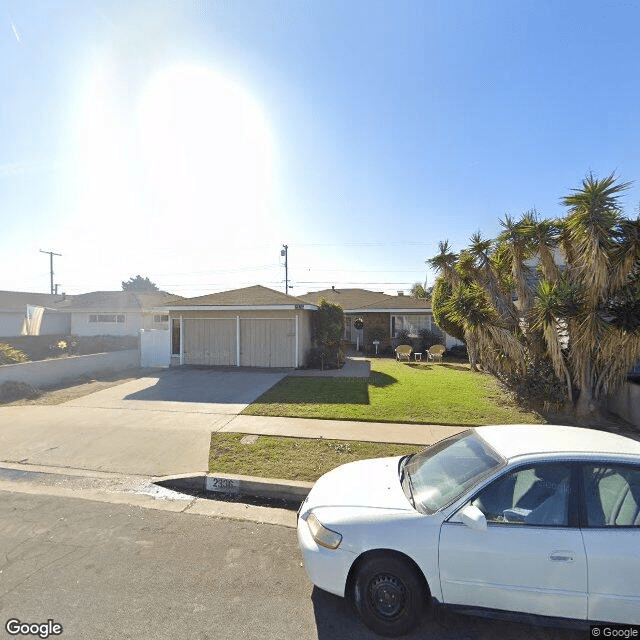
2336 W 236th St., Torrance, CA 90501
To contact a resident: (310) 293-7747
For more information about senior living options: (866) 208-4318
Diamond Villa Costs & Pricing
Diamond Villa offers competitive pricing for its accommodations, especially when compared to the broader costs in Los Angeles County and California as a whole. For a semi-private room, Diamond Villa's monthly rate is $2,400, significantly lower than the county average of $3,349 and the state average of $3,333. Similarly, their private rooms are priced at $3,200, which remains more budget-friendly compared to Los Angeles County's average of $4,197 and California's average of $3,939. This strategic pricing makes Diamond Villa an appealing option for those seeking quality care without the hefty price tag that often accompanies similar facilities in the region.
| Floor plans | Diamond Villa | Los Angeles County | California |
|---|---|---|---|
| Semi-Private | $2,400 | $3,349 | $3,333 |
| Private | $3,200 | $4,197 | $3,939 |
Senior living communities with a similar price nearby
-
About the same
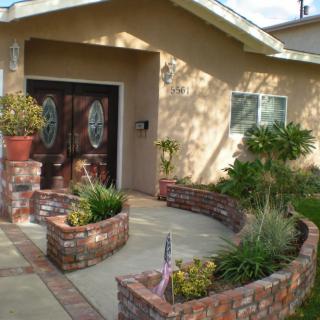
Living Well Care Home
$2,400 to $3,200 / month11.5 miles away -
from +$400 / mo
Leah Loving Elderly Care
$2,800 to $3,000 / month22.8 miles away -
from +$300 / mo
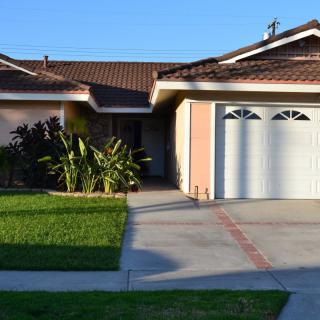
Loving Care Senior Home
$2,700 to $3,500 / month22.2 miles away -
from -$400 / mo
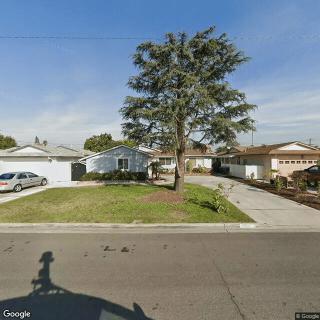
Angel's Care Guest Home
$2,000 to $3,000 / month22.4 miles away -
from +$100 / mo
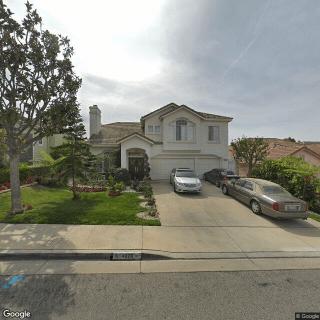
Eleanor's Residential Home
$2,500 to $6,000 / month13.1 miles away
Overall Review of Diamond Villa
Pros
 They prioritized residents' basic needs by keeping them fed, clean, and medicated.
- They provided consistent attention to essential daily care tasks.
- The focus on fundamental care reflects a commitment to residents' wellbeing.
- The facility demonstrated reliability in meeting residents' nutrition, hygiene, and medication needs.
Cons
 The review suggests the facility focuses mainly on keeping residents fed, clean, and medicated, with little else.
- It indicates few or no additional services are offered, and the scope appears limited.
- It implies the facility does not have a good grasp of integrating medical care with residential care.
- It notes there is no emphasis on engaging residents or providing activities.
Review
Diamond Villa in Torrance, CA is best suited for seniors whose primary needs are basic custodial support: regular meals, help with daily chores, and dependable medication administration, delivered in a clean, orderly environment. This community appears to prioritize safety and routine over enrichment, offering a predictable atmosphere rather than a program-rich or medically integrated model. For residents who are largely independent beyond ADLs and who do not require intensive rehabilitation, memory care, or frequent social engagement, Diamond Villa can provide a modest, low-stress option. It is not a good fit for those who expect a lively activity calendar, proactive health coordination, or a robust continuum of care within the same campus.
Those evaluating options for someone who thrives on social stimulation and proactive health oversight will want alternatives. Families should consider communities that emphasize structured programming, regular excursions or on-site activities, and a team approach to medical management. If memory care needs, complex chronic condition management, or rehabilitation services are anticipated, this setting is unlikely to meet those requirements. In short, Diamond Villa is a fit only when the priority is steady custodial care with minimal demands for engagement or clinical coordination.
On the narrow positive side, the core strengths lie in reliability: residents can expect to be fed, kept clean, and medicated with consistent routines. Such basic care minimizes the risk of neglect in essential daily tasks and provides a stable baseline for those who simply need ordinary support. However, this strength is quickly outweighed by the lack of broader services and the absence of intentional engagement. The result can be long days with limited purpose, which over time often translates into mood declines or reduced cognitive stimulation for residents who would benefit from more than just daily maintenance.
The principal drawbacks center on service breadth and care coordination. Reviews signal few, if any, offerings beyond the essentials, and a noticeable gap in integrating medical care with daily living. Without on-site rehabilitation, therapy, or meaningful programming, residents miss opportunities to maintain function, recover after health events, or stay socially connected. The limited focus also raises questions about how medical conditions are monitored, who makes decisions about changes in care, and how information from outside clinicians is acted upon within the facility. For families balancing multiple health needs, these gaps are a clear red flag.
In terms of decision leverage, the limited pros, reliable meals, cleanliness, and medication administration, only partially offset the cons. The essential care is present, but it isn’t enough to sustain long-term well-being if social engagement and medical oversight remain underdeveloped. When pursuing Diamond Villa, demands should be clear: request a written, detailed care plan; secure a scheduled activity calendar with predictable programs; and obtain a dedicated point of contact for care decisions. Verify staffing levels, confirm relationships with local clinicians, and insist on a transparent process for sharing medical information and responding to changes in health. If choosing this community, plan to supplement with external supports such as home health aides or off-site activities to address the activity and clinical gaps.
Bottom line: Diamond Villa is a reasonable option only for seniors whose needs stay within the boundaries of basic custodial care and routine monitoring. For many families, especially those with expectations of ongoing social engagement, meaningful daily activities, and integrated medical oversight, this setting falls short. Alternatives with richer activity programming, stronger care coordination, and a broader range of therapeutic services will typically yield better quality of life, greater safety, and clearer progress toward maintaining independence. The decision should center on whether the resident’s daily life can be satisfactorily fulfilled by dependable meals, cleanliness, and medications alone, or if a more proactive, medically integrated environment is essential to preserve dignity and vitality.
 Board and Care Home
 Private
 Long Beach (Daugherty) (10 miles away)

 Comprehensive Exploration of Living Wills and Other Advance Directives
 A Detailed Exploration of Living Wills and Advance Directives
 Comprehensive Guide to Medicare Coverage for Hospice Care