Overall Review of Thousand Oaks Memory Care Community
common
Staff kindness and responsiveness stand out
Residents and families consistently describe staff who feel genuinely caring and available.
Across the reviews, people repeatedly mention that staff treat residents with kindness, patience, and respect. Families also describe clear, timely communication and the feeling that leadership and caregivers respond when concerns come up. Several reviewers describe visiting and seeing staff engage with residents and greet them by name, reinforcing the sense of attentiveness day to day.
differentiator
Memory care feels secure and tailored
Residents are described as safe in a locked-down memory care setting designed for dementia needs.
Many reviews focus on the practical side of memory care support—describing a secure environment where residents can move around freely and safely. Reviewers also mention professional handling of changing behaviors over time, with care described as respectful even as needs increase. Several reviews tie the program to dementia-specific expertise, describing it as more appropriate than general assisted living for advanced memory loss.
common
Activities keep residents engaged
Reviews highlight daily programming and meaningful activities that help residents stay active.
Residents and families describe a steady flow of activities, not just occasional events, with people staying busy throughout the day. Multiple reviewers call out engagement that feels tailored to residents’ abilities, and they describe outings and community events as part of routine life. Tours and visits are also described as showing residents participating and socializing, which reviewers link to a more supportive experience overall.
common
Meals and dining moments matter
Dining is a frequent highlight, with families enjoying shared meals and regular nutrition support.
Several reviews mention the dining room experience, including meals that residents and families can share and a sense that food is part of day-to-day comfort. Families describe nutritious meals and snacks being provided regularly, while others specifically mention enjoying meals during visits. The community also lists specific dietary support through diabetes diet and special dietary restrictions, aligning with how residents are described as supported with meal needs.
common
Family support and involvement are emphasized
Reviews repeatedly describe frequent family updates and a welcoming approach to caregiver involvement.
Many reviewers mention that families are supported with guidance, updates, and involvement as part of the care experience. Some describe staff helping through difficult transitions and staying responsive during ongoing care needs, while others highlight regularly scheduled communication and support groups. A number of reviews also mention events for families, reinforcing that participation is encouraged rather than limited to care visits.
How we summarize
We summarize when many written reviews mention each theme; a review can touch several themes, and only frequently mentioned themes are displayed.
Features
Housing
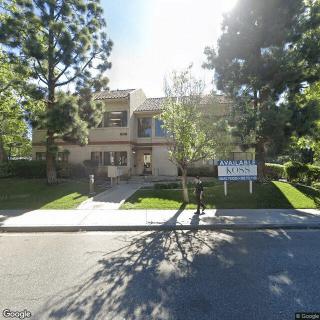
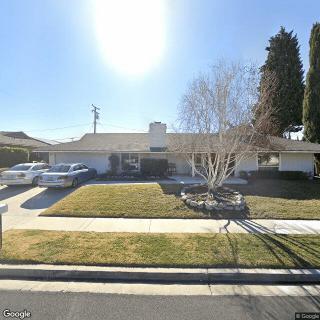
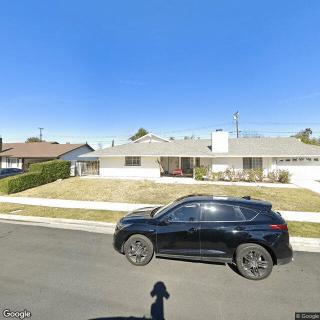
21 resident community capacity
Types of Care
Assisted Living
Amenities
Beauty salon
Cable or satellite TV
Dining room
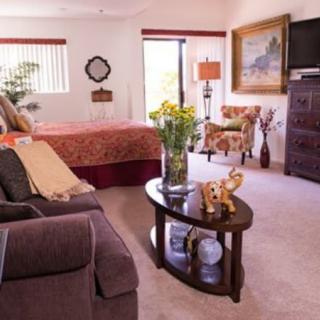
Fully furnished
Garden
Housekeeping services
Kitchenette
Move-in coordination
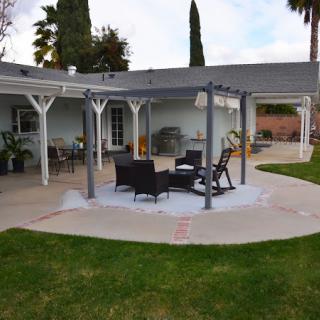
Outdoor space
Telephone
Wi-Fi/high-speed internet available
Transportation
Oxnard (19 miles away)
Care Services
24-hour call system
24-hour supervision
Activities of daily living assistance
Assistance with bathing
Assistance with dressing
Assistance with transfers
Coordination with health care providers
Diabetes diet
Meal preparation and service
Medication management
Mental wellness program
Special dietary restrictions
Transportation arrangement (medical)
Transportation to doctors appointments
Dining
Diabetes diet
Special dietary restrictions
Activities
Community-sponsored activities
Scheduled daily activities
Nearby Places of Interest
Physicians
Dr Cohen - Rheumatology (0.3 miles)
Sarosey Charles MD (0.7 miles)
Lakeside Community Health Care: Singh Juhee L MD (0.8 miles)
Topa Diagnostics (1 miles)
Conejo Women's Health (1 miles)
Rolling Oaks Pediatrics (1 miles)
Kryger Institute of Plastic Surgery (1 miles)
Restaurants
Chick-Fil-A (0.4 miles)
tarantula Hill Brewing Company (0.7 miles)
The Cheesecake Factory (0.8 miles)
Namaste Spiceland (1 miles)
Del Taco (2.1 miles)
In-N-Out Burger (2.3 miles)
Taco Bell (2.4 miles)
Cafes
Starbucks (0.4 miles)
Lazy Dog Cafe (0.8 miles)
Starbucks (1.2 miles)
Starbucks (2.4 miles)
Starbucks (2.5 miles)
Starbucks (2.9 miles)
Tifa Chocolate & Gelato (5.4 miles)
Pharmacies
CVS Pharmacy (0.6 miles)
CVS Pharmacy (0.7 miles)
Walgreens (2 miles)
CVS Pharmacy (2.2 miles)
CVS Pharmacy (2.8 miles)
Medicine Shoppe (2.9 miles)
Burt's Pharmacy and Compounding Lab (3.1 miles)
Theaters
AMC DINE-IN Thousand Oaks 14 (0.8 miles)
Hospitals
Thousand Oaks Surgical Hospital (1.1 miles)
Koveos, Efthimios DDS (1.3 miles)
Los Robles Hospital Cancer Center (1.3 miles)
Westlake Surgical Center (3.5 miles)
Parks
Conejo Creek South Park (1.1 miles)
Conejo Creek Park (1.5 miles)
Thousand Oaks Community Center and Park (1.7 miles)
The article compares assisted living and skilled nursing facilities, detailing their differing levels of assistance, medical support, cost structures, and day-to-day experiences. It emphasizes that assisted living is for those needing help with daily activities while maintaining independence, whereas skilled nursing facilities provide intensive medical care with 24-hour staff supervision.
The transition from assisted living to skilled nursing care is often prompted by complex medical needs that assisted living cannot meet, with key indicators including frequent health declines, increased falls, severe memory issues, and caregiver burnout. Families should recognize these signs early to discuss options with healthcare providers and prepare for the emotional and logistical aspects of moving to a facility that offers comprehensive medical support.
Vibrant Senior Living emphasizes active senior living communities that promote independence and engagement through diverse amenities and activities, fostering wellness and social interaction among older adults. These communities range from independent to assisted living, with a focus on personal growth, family involvement, financial planning, and leveraging technology to enhance residents' experiences.
Get PricingAsk A QuestionSchedule A TourContact Senior Advisor
By clicking submit, you agree to our Partner's Terms of Use. You
also consent to receive calls and texts, which may be autodialed, from our Partner. Your consent is not a condition to
using our Partner's service. Please visit our Partner's Privacy Policy for information about their privacy practices.

 21 resident community capacity
 Assisted Living
 Beauty salon
 Cable or satellite TV
 Dining room
 Fully furnished
 Garden
 Housekeeping services
 Kitchenette
 Move-in coordination
 Outdoor space
 Telephone
 Wi-Fi/high-speed internet available
 Oxnard (19 miles away)
 24-hour call system
 Activities of daily living assistance
 Assistance with bathing
 Assistance with dressing
 Assistance with transfers
 Diabetes diet
 Meal preparation and service
 Medication management
 Mental wellness program
 Special dietary restrictions
 Transportation arrangement (medical)
 Transportation to doctors appointments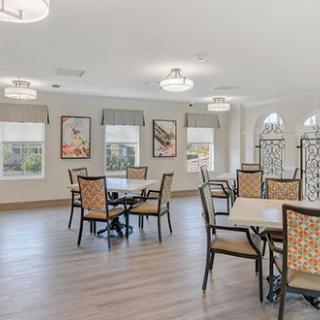
 Specialized memory care with 24/7 supervision and a comprehensive wellness/activities program.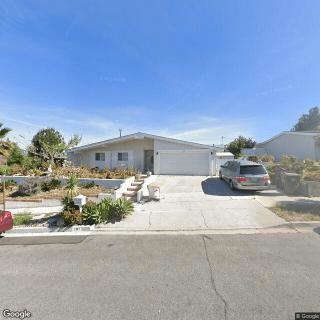


 Exploring the Contrasts Between Assisted Living and Skilled Nursing
 8 Key Indicators That Suggest It May Be Time to Transition from Assisted Living to Skilled Nursing Care
 Vibrant Senior Living: A Comprehensive Guide for Active Older Adults