
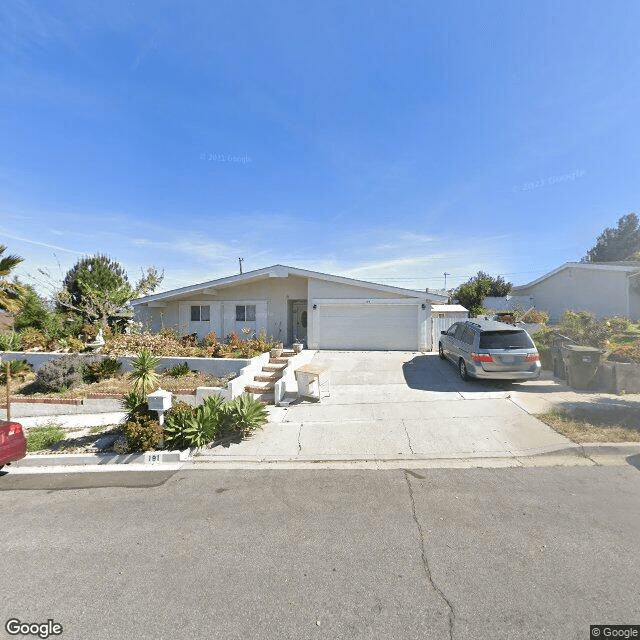
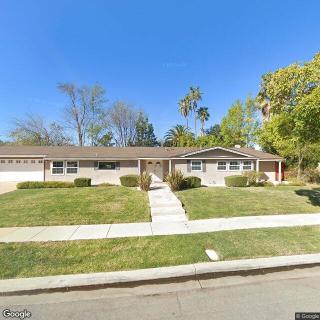
191 Dryden St, Thousand Oaks, CA 91360
To contact a resident: (805) 906-9955
For more information about senior living options: (866) 208-4318
Sudi Care Costs & Pricing
Sudi Care offers competitive pricing
| Floor plans | Sudi Care | Ventura County | California |
|---|---|---|---|
| Semi-Private | $3,800 | $3,438 | $3,333 |
| Private | $4,000 | $4,082 | $3,939 |
| Studio | $4,500 | $4,021 | $4,145 |
| 1 Bedroom | $4,500 | $4,513 | $4,340 |
Memory care communities with a similar price nearby
-
from -$300 / mo
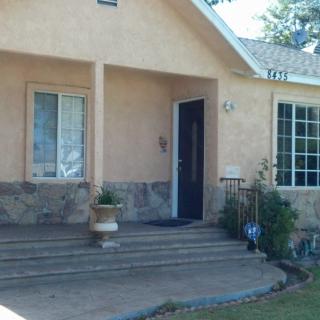
Paradise Senior Living 1
$3,500 to $4,500 / month18.3 miles away -
About the same
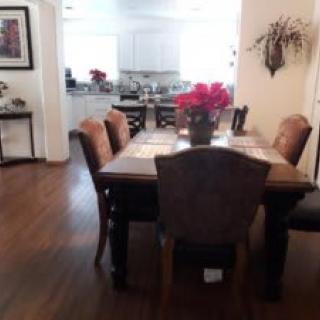
America's Care Manor
$3,800 to $4,000 / month12.2 miles away -
from +$200 / mo
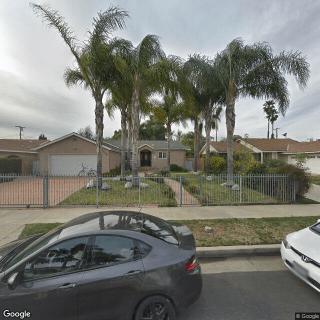
Land of Peace 6
$4,000 to $5,500 / month14.4 miles away -
from -$300 / mo

California Senior Of Sherman Oaks
$3,500 to $4,000 / month23.9 miles away -
from -$300 / mo
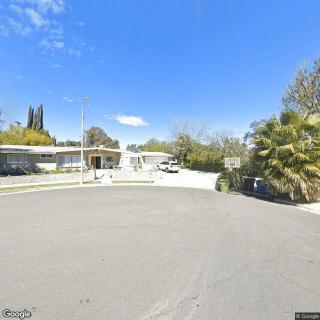
Assisted Comfort Home
$3,500 to $6,000 / month13.1 miles away
Overall Review of Sudi Care
Pros
 Elizabeth was very helpful in getting them in right away and ensuring the post-surgery appointment happened as planned.
- Vanessa at the front desk is very helpful and answers the phone in a timely manner.
- The staff are great and helpful.
- Dr. Reddy is kind, compassionate, and takes time with patients.
- Olivia from the front desk is attentive and engages with patients, keeping visitors occupied while their loved ones receive care.
- Sheena Williams is kind, knowledgeable, and has a positive energy and willingness to help.
- The front desk staff and back office are always positive, friendly, and attentive, addressing questions and providing resources.
- Elizabeth arranged an urgent appointment with Dr. Lindbergh, and the staff were friendly; Dr. Lindbergh is great.
- Dr. Manassian is wonderful, easy to talk to, and professional.
- Dr. Tysch is an amazing pediatrician, patient, caring, and knowledgeable.
Cons
 Lakeside Medical Group doesn't have any specialists, limiting care options.
- The PCP has to appeal referrals because they are rejected.
- The office staff are hopeless; lab orders are never submitted, leading to wasted time and delayed care.
- Dr. Denise Hom is disengaged and unattentive and lacks communication skills.
- The RCFE setup is not suitable for non-ambulant and frail residents; a loved one suffered a fall on the first full day.
Review
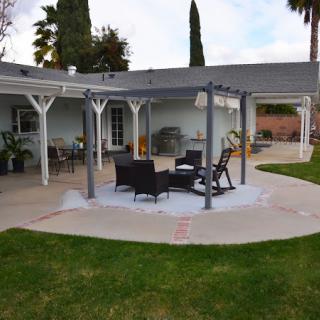
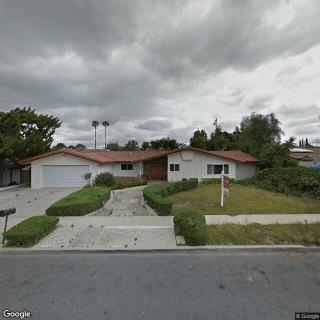
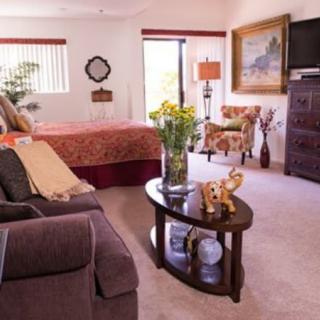
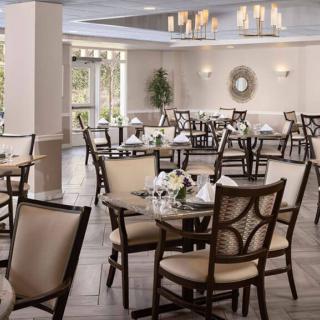
Sudi Care in Thousand Oaks is best suited for seniors who want a small, home-like atmosphere where care feels personal and highly attentive. This community works best for residents who are largely ambulatory and comfortable with a highly individualized care approach, where the day-to-day experience centers on TLC, approachable staff, and a warm, family feel. Families prioritizing freshly prepared meals, flexible support for dietary needs, and a menu of in-house services, home health visits, transportation, physical therapy, and even hospice coordination, will find the core promise of the setting compelling. The views from the residence add a pleasant, uplifting backdrop that reinforces a comfortable, reassuring daily routine.
Those with significant or escalating care needs should consider alternatives. The most critical red flag is suitability for non-ambulant or frail residents who require around-the-clock supervision. Reviews flag that Sudi Care operates more effectively for ambulatory residents, with a staffing model described as two caregivers for six residents. That arrangement raises legitimate safety concerns for falls or rapid changes in condition. A fall or medical event on day one has been reported by a family member, underscoring the gap between idealized “home-like” care and the reality of continuous supervision that some residents require. For families facing dementia progression, advanced frailty, or the need for constant monitoring, larger facilities with higher staffing levels and more robust safety infrastructure may be preferable.
On the upside, the strongest pro is the personal, accommodating approach that Sudi and the team bring to daily life. The house-style atmosphere, the willingness to tailor dietary plans, and the ability to pull in home health and therapy services as needed create a cohesive, resident-centered experience. Caregivers in the community are described as genuinely attentive, staff members are perceived as extending across roles to ensure questions are answered, needs are met, and residents feel seen. The arrangement of services, transportation, physical therapy, hospice support, appears to reduce friction for families coordinating care across multiple providers, which is a meaningful convenience in a setting where trust and continuity matter.
Yet the key drawbacks must be weighed carefully. The primary safety conundrum centers on the lack of visible, proactive protective measures for those at risk of wandering or accidental injury. The notes about guard rails, alarms, hospital beds, and a more sturdy bedside safety framework suggest that risk management may be underdeveloped for frailer residents. The concern that two caregivers supervise six residents highlights a potential mismatch between aspiration and reality when emergencies occur. Falls are a dominant concern in the critique, and without tangible bed safety features and a clearly defined escalation path, the positives in personalization can be overshadowed by preventable hazards.
The pros and cons do not cancel each other out; they simply point to fit. For families seeking a warm, personalized setting where staff genuinely treat residents like family and where nutrition and companionship are central, Sudi Care delivers substantial value. The in-house coordination of services and the ability to arrange additional supports can reduce the burden on families and improve quality of life for someone who remains relatively independent but prefers consistent, attentive care. However, for anyone whose loved one requires constant supervision, aggressive fall prevention, or advanced medical oversight, the risks associated with the current staffing model and safety infrastructure may not be offset by the benefits of a homey vibe and tailored daily living.
Actionable due diligence matters. Prospective families should insist on a detailed tour focused on safety infrastructure: guard rails, bed alarms, room layouts, and any hospital-style equipment. Inquire about the exact staff-to-resident ratio during peak hours and how shifts are covered after hours. Request a comprehensive care plan that outlines how emergencies are handled, what “twice-weekly home health visits” actually entail, and how transportation scheduling is managed for medical appointments. Speak with current residents’ families about safety incidents and follow-up. If the care goal centers on comfort, meals, and personalized attention, Sudi Care can be a strong match; if the goal is guaranteed 24/7 supervision and robust risk mitigation, alternatives with higher staff ratios and stronger safety protocols should be pursued.
 Board and Care Home
 Memory Care
 Activities off-site
 Beautician on-site
 Indoor common areas
 Outdoor common areas
 Private
 Private bathrooms
 Respite or short term stays offered
 Swimming pool / hot tub
 Wheelchair accessible showers
 Oxnard (19 miles away)
 Ambulatory care
 High acuity care
 Incontinence care
 Kosher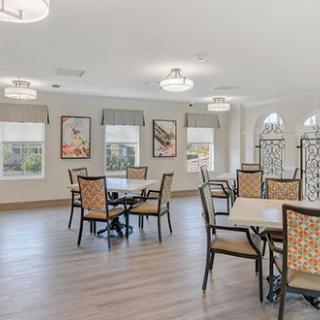



 Understanding Medicaid Coverage for Assisted Living: A Comprehensive Guide
 How and When Medicaid May Cover Assisted Living Costs
 A Detailed Exploration of Assisted Living Medicaid Waivers Across the United States