
45 North Erbes Road, Thousand Oaks, CA 91362
For more information about senior living options: (866) 208-4318
Royal Oaks Inn Costs & Pricing
At Royal Oaks Inn, the monthly cost for a studio room is set at $4,500, which positions it slightly above both the Ventura County average of $4,021 and the broader California state average of $4,145. This pricing reflects not only the premium amenities and personalized services offered by the Inn but also its commitment to providing a comfortable living environment in a desirable location. While it does surpass local and state benchmarks, potential residents may find value in the unique features and community experience that Royal Oaks Inn provides.
| Floor plans | Royal Oaks Inn | Ventura County | California |
|---|---|---|---|
| Studio | $4,500 | $4,021 | $4,145 |
Memory care communities with a similar price nearby
-
from +$500 / mo

Sweet Home Senior Living #1
$5,000 to $7,500 / month24.2 miles away -
from -$700 / mo
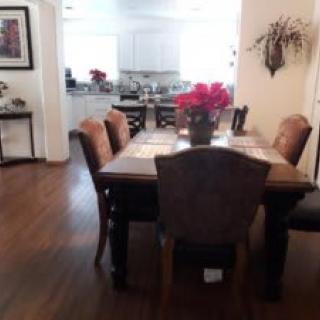
America's Care Manor
$3,800 to $4,000 / month11.6 miles away -
from -$500 / mo
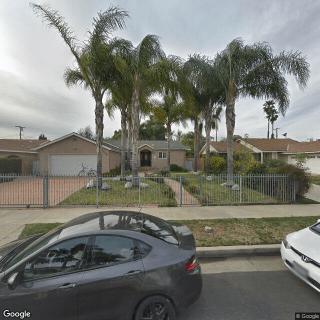
Land of Peace 6
$4,000 to $5,500 / month13.3 miles away -
from +$500 / mo

A Caring Touch Board and Care
$5,000 / month16.9 miles away -
from +$500 / mo
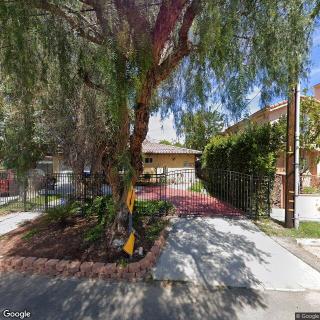
Virginia House
$5,000 to $5,500 / month17.6 miles away
Overall Review of Royal Oaks Inn
Pros
 The staff are kind, patient, and full of good humor, providing a safe and loving home for residents with dementia.
- Families are grateful for the loving, attentive, and comprehensive care at Royal Oaks Inn.
- The atmosphere is warm, and the staff are amazing, compassionate, and caring.
- The staff meet residents' needs with empathy, dignity, and safety.
- Residents can pass away peacefully in a comfortable setting thanks to empathetic and responsive care.
- Royal Oaks Inn is well-managed and family-run, with a large team of kind, dedicated people.
- The facility is clean, inviting, and supports residents with engaging activities and social events.
- Families highly recommend Royal Oaks Inn for dementia or memory care.
- The owners and on-site team ensure residents receive the very best possible care.
Cons
 They found it hard to place their mother into assisted living/memory care.
- They did not qualify due to their loved one's care level.
- They perceived a corporate feeling at other facilities, which contrasted with Royal Oaks Inn's family-owned approach.
Review
Royal Oaks Inn in Thousand Oaks is best suited for families seeking memory-care oriented assisted living where dementia care is the core mission. The community delivers a secure, home-like environment backed by a hands-on, family-operated approach. Residents typically benefit from steady routines, compassionate supervision, and staff who treat each person with kindness, patience, and a healthy sense of humor. For families prioritizing safety, warmth, and ongoing personal attention over hospital-like intensity, this is where to look. The setting resonates with many who want a warm, trustworthy team who are present daily and invested in maintaining dignity and comfort for residents as memory loss progresses.
Those who may want to consider alternatives include families whose loved one needs high-acuity medical oversight, frequent on-site nursing, or a more clinical, corporate atmosphere. A number of reviewers contrasted Royal Oaks Inn with larger, impersonal centers, noting the advantages of a family-owned operation, but suggesting that some families will prefer a facility with more standardized medical protocols or broader on-call specialist support. For budget-driven families, the fee structure at Royal Oaks Inn is described as reasonable rather than top-tier, which may push some to compare options where care levels are more explicitly matched to intensive needs.
Pros center on extraordinary staff warmth and a culture of genuine care. Families repeatedly describe caring, attentive, and trustworthy caregivers who are consistent, collaborative, and capable of handling dementia-specific challenges with compassion. The owners appear on site daily, directing a large, cohesive team that prioritizes safety, individualized attention, and a sense of humor when appropriate. The environment is clean and well-maintained, meals are regular and reliable, and residents are encouraged to participate in activities. The combination of a family-run ethos, a robust staff, and a focus on safety makes Royal Oaks Inn feel like a real home rather than a facility.
These strengths offset most potential drawbacks by delivering value aligned with a memory-focused model rather than a generic, one-size-fits-all approach. While not the cheapest option around, the reviews indicate families perceive meaningful care paired with a warm atmosphere, which many find worth the price. The high staff-to-resident interaction, frequent check-ins, and emphasis on daily engagement help compensate for any gaps in clinical ecosystem. For residents with dementia who respond to routine, personalized attention, and reassurance, the advantages, safety, companionship, and a strong sense of community, tend to outweigh the absence of a more formal medical footprint.
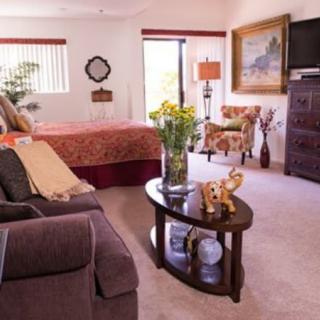
Real-world experiences highlight tangible benefits: residents are offered three meals daily, a variety of activities, and opportunities to socialize, including organized exercise or sit-and-fit sessions that attract many participants. Single rooms are described as spacious, which matters for comfort and accommodating personal belongings. Families praise the responsiveness of staff to questions and concerns, along with the authenticity of the care team. The narrative across multiple testimonials is consistent: residents feel safe, valued, and well cared for, and families maintain a strong sense of gratitude for the way Royal Oaks Inn supports both residents and their relatives through difficult transitions.
Bottom line: Royal Oaks Inn is a practical, highly credible option for memory-care focused assisted living in the Thousand Oaks area. It works best for residents whose needs align with dementia-ready care, safety-secured housing, and a community tone that treats elders with dignity. Alternately, families seeking more clinical oversight, a more antiseptic corporate vibe, or the absolute lowest price may want to explore other options. For those drawn to a warm, family-driven operation with excellent staffing, a tour and direct conversations about care level and daily routines will confirm fit, and likely leave a clear sense of confidence in the care team and the environment.
 80 resident community capacity
 Assisted Living
 Memory Care
 Respite Care
 Activities on-site
 Air-conditioning
 Bath tubs
 Beautician on-site
 Cable or satellite TV
 Computer center
 Devotional services off-site
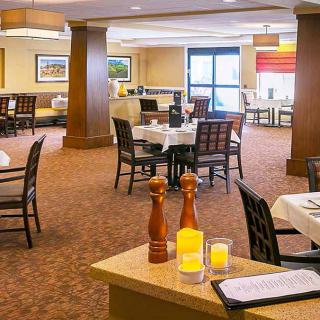
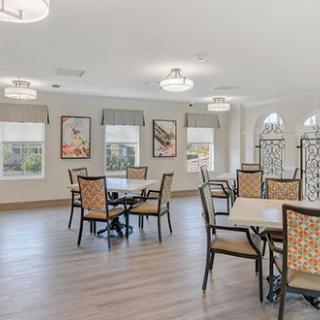
 Dining room
 Fitness room
 Fully furnished
 Gaming room
 Garden
 Housekeeping services
 Indoor common areas
 Kitchenette
 Move-in coordination
 Outdoor space
 Private bathrooms
 Restaurant-style dining
 Small library
 Telephone
 Wellness center
 Wheelchair accessible showers
 Wi-Fi/high-speed internet available
 Oxnard (20 miles away)
 Community operated transportation
 12-16 hour nursing
 24-hour call system
 Ambulatory care
 Assistance with bathing
 Assistance with dressing
 Assistance with transfers
 Diabetes diet
 Diabetic care
 Medication management
 Mental wellness program
 Special dietary restrictions
 Concierge services
 Planned day trips



 Memory Care Pathways: A Holistic Guide to Dementia Support
 Comprehending Evening Confusion in Dementia: Causes, Manifestations, and Support
 Delirium and Dementia: Unraveling the Key Differences