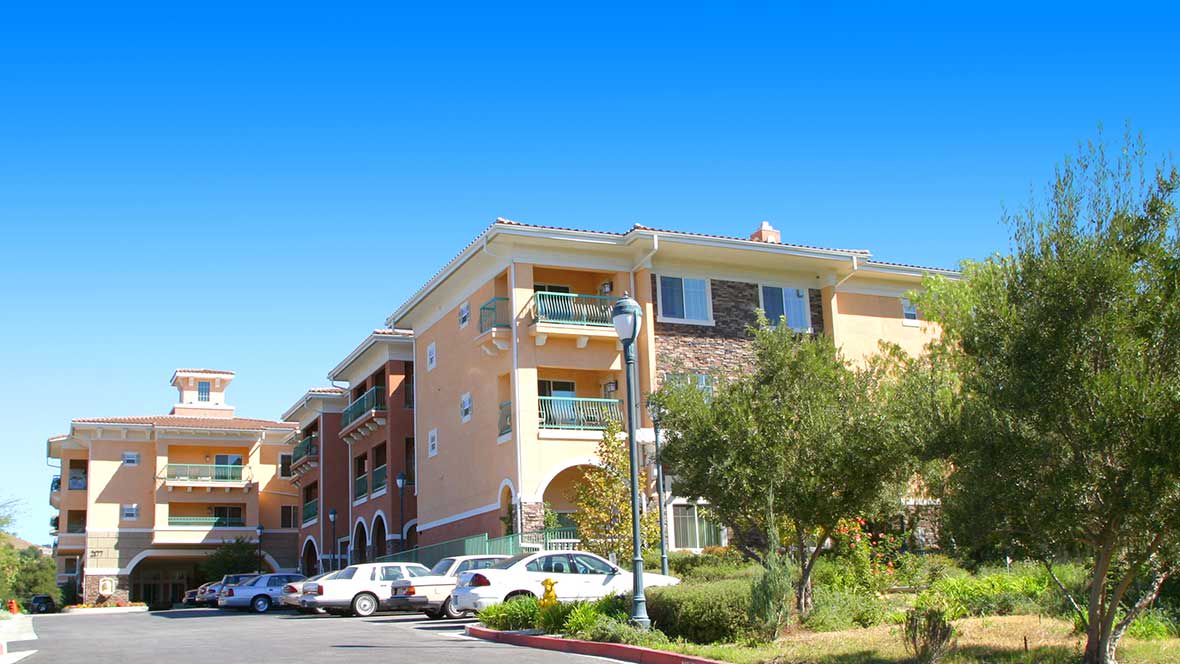
Atria Grand Oaks offers a range of living options, with monthly costs that reflect both the quality of care and the amenities provided. For instance, a studio at Atria is priced at $4,095, which is slightly above the Ventura County average of $4,021 and comparable to the broader California average of $4,145. The private room option is competitively priced at $4,100, aligning closely with Ventura County's average but slightly higher than California's overall rate. For those seeking more space, a one-bedroom unit at Atria costs $4,995 - higher than both county and state averages. The semi-private rooms are priced at $5,395, significantly exceeding local and state averages. Finally, for larger accommodations like two-bedroom units, Atria Grand Oaks stands out with a monthly fee of $7,095 compared to county and state rates of $5,606 and $5,270 respectively. Overall, while Atria Grand Oaks may have higher price points in certain categories, they reflect the premium services and environment offered in their community.
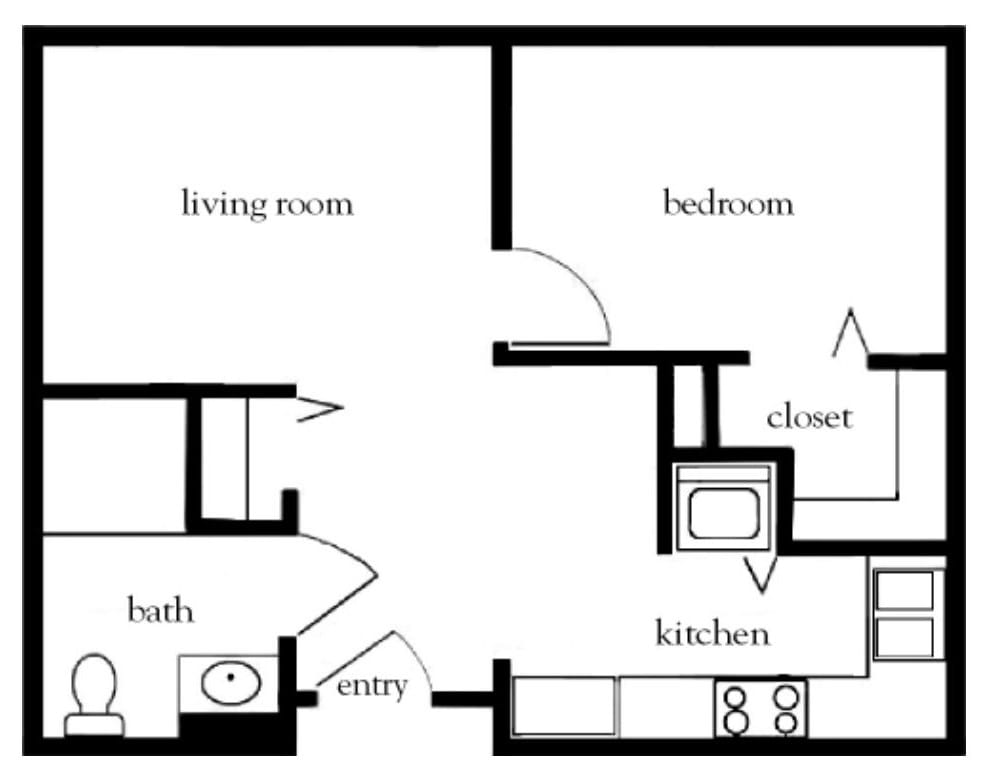
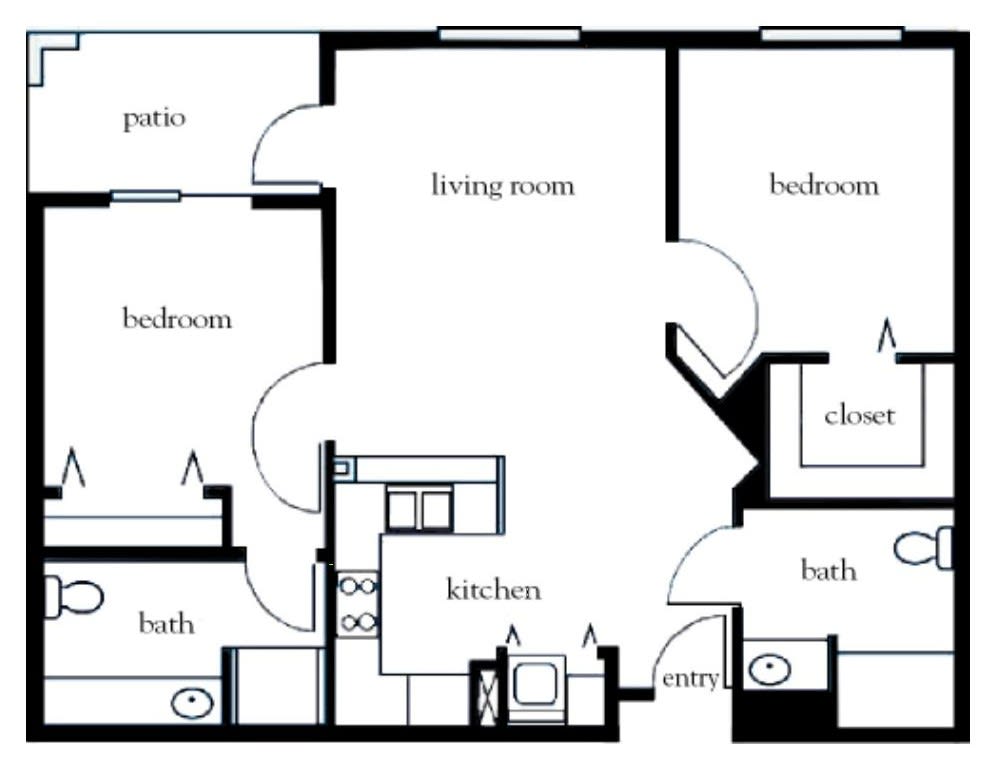
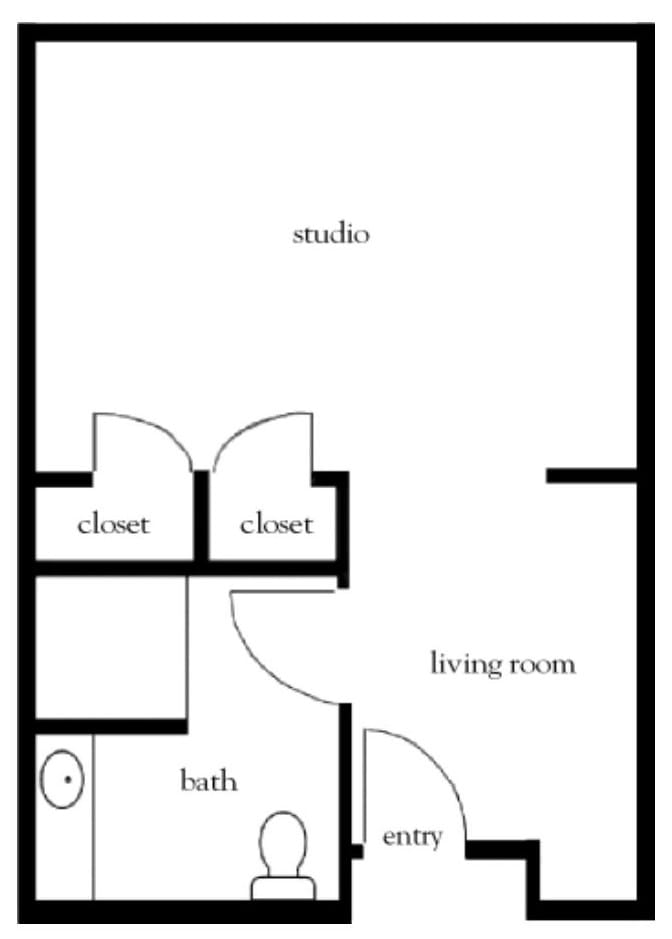
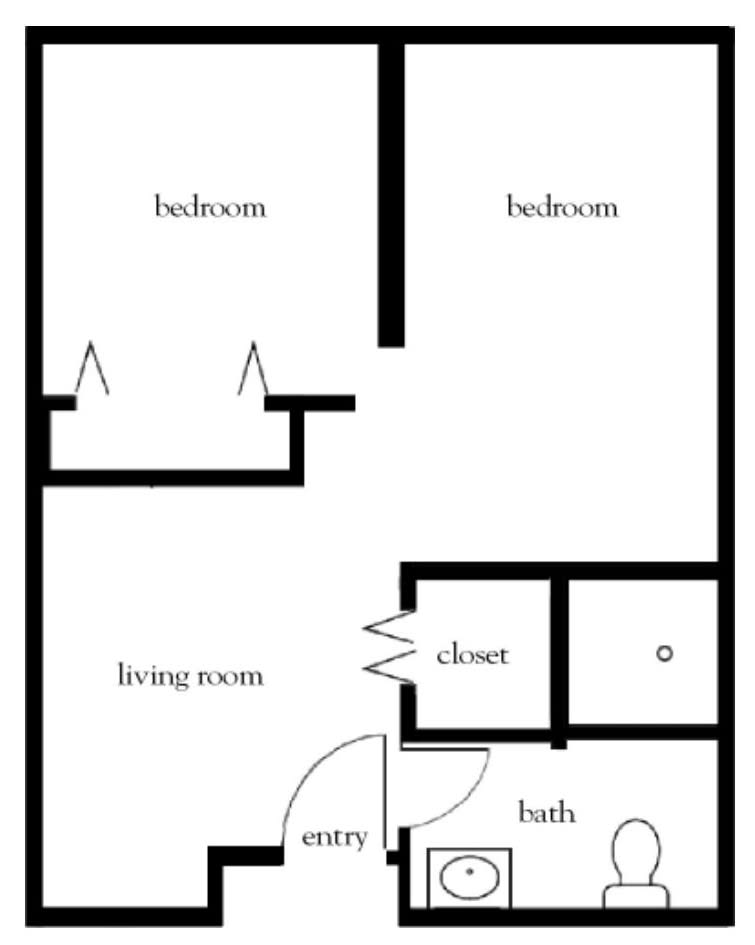
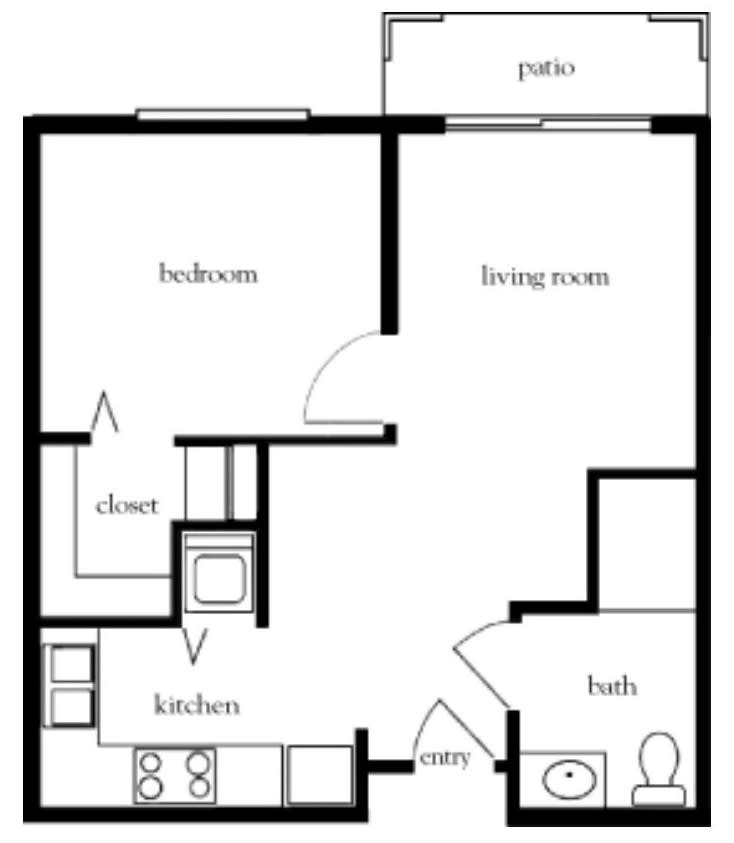
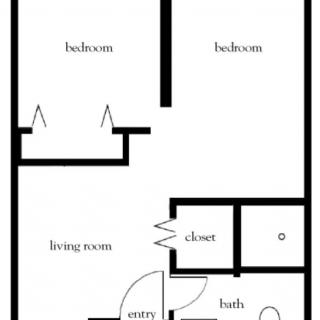
Floor plans
Atria Grand Oaks
Ventura County
California
Studio
$4,095
$4,021
$4,145
Private
$4,100
$4,082
$3,939
1 Bedroom
$4,995
$4,513
$4,340
Semi-Private
$5,395
$3,438
$3,333
2 Bedrooms
$7,095
$5,606
$5,270
Memory care communities with a similar price nearby
Residents describe staff as consistently kind, welcoming, and responsive to needs.
Many reviews emphasize a warm, family-like atmosphere and staff members who are friendly when visitors arrive and caring day to day. Several residents or families mention quick follow-through when help is needed, including housekeeping and coordination around daily needs. A few reviews specifically call out leadership and accessibility, describing executive directors as approachable and supportive.
differentiator26 reviews mention this
Dining is a daily focal point
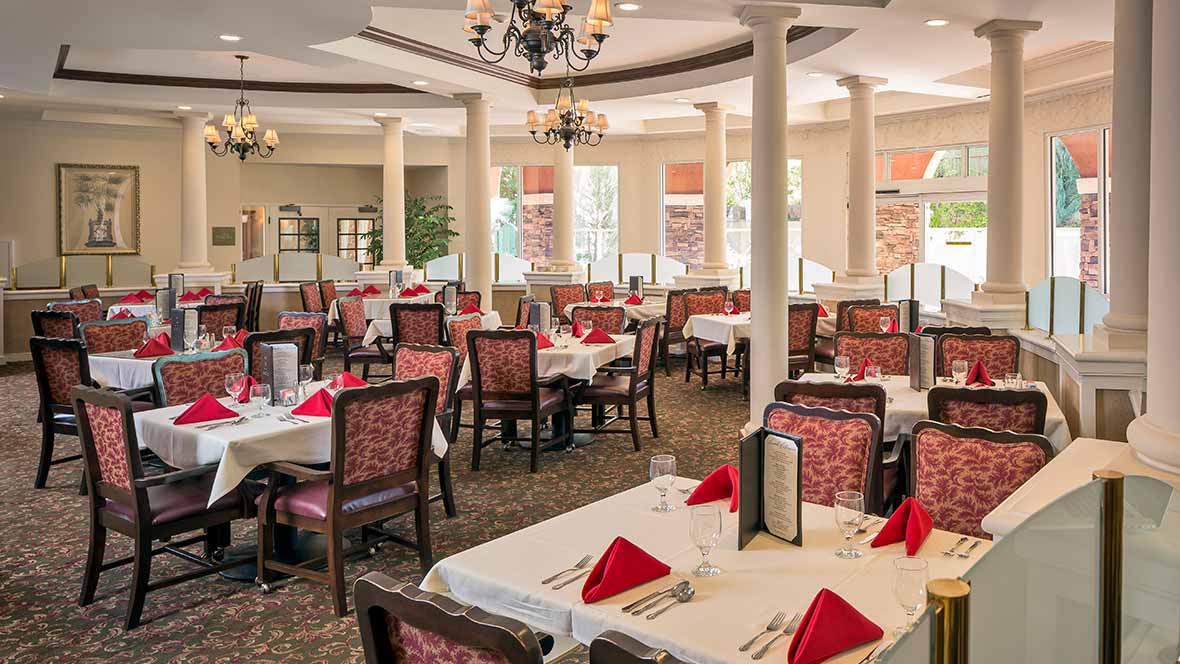
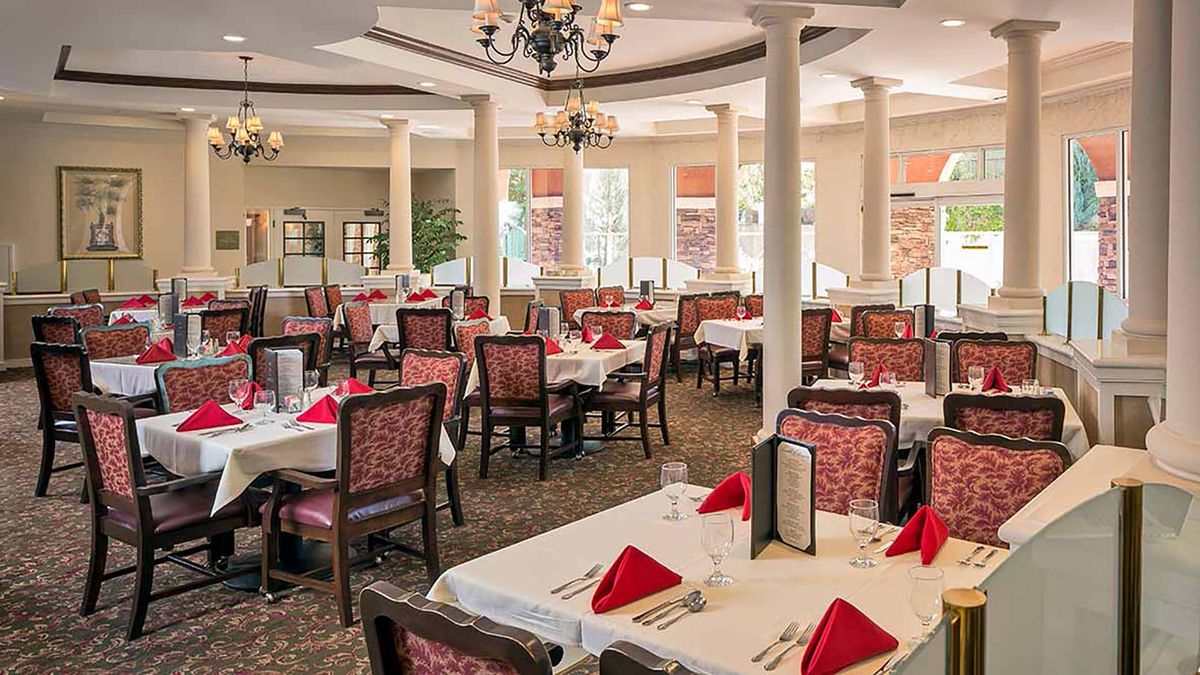
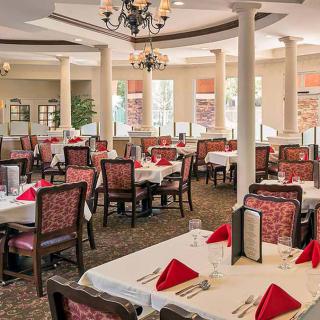
Restaurant-style dining and an on-site chef are a recurring strength in reviews.
Dining comes up repeatedly, with multiple reviewers praising the quality of meals and the dining team’s service. Residents also mention being able to choose meals and dietary options, and several describe the experience as more like restaurant dining than cafeteria-style. A smaller set of reviews raises concerns about food quality or delivery during restricted periods, and a couple note declining dining experiences over time.
common14 reviews mention this
Engage Life keeps residents involved
Residents frequently describe varied activities that help them stay engaged.
Reviews regularly mention scheduled activities throughout the day, including group programs and exercises. Several people highlight Engage Life as a standout part of the community, describing it as thoughtful and engaging. Others mention specific interests like religious services, games, and outings, and a few note that activity access or variety could be limited for certain residents.
common10 reviews mention this
Care support is built into routines
Residents describe support with health needs and feeling safe with ongoing check-ins.
Families and residents mention support that goes beyond hospitality, including help with daily activities and medication-related needs. Some reviews describe staff coordinating after rehab or assisting with dressing and bathing. A few reviewers also mention around-the-clock support and the feeling of safety that comes from being able to reach staff when needed.
caveat7 reviews mention this
Pricing runs high for many families
Multiple reviews say pricing is high or that costs rose significantly.
Several reviews describe the community as expensive, including concerns that pricing went beyond budget after fees were added. Some reviewers point to large or recurring increases over time, and a few contrast the quoted tour pricing with what they were ultimately expected to pay. Even positive reviews sometimes frame value as dependent on the overall package of services and dining.
How we summarize
Counts show how many written reviews mention each theme; a review can touch several themes, and only frequently mentioned themes are displayed.
Features
Housing
140 resident community capacity
1-bedroom apartments
2-bedroom apartments
Studio apartments
Types of Care
Assisted Living
Independent Living
Memory Care
Pets
Cats allowed
Dogs allowed
Amenities
Activities off-site
Activities on-site
Air-conditioning
Beautician on-site
Beauty salon
Cable or satellite TV
Computer center
Devotional services off-site
Devotional services on-site
Dining room
Fitness room
Full kitchen
Fully furnished
Gaming room
Garden
Ground floor units
Guest parking
Housekeeping services
Indoor common areas
Kitchenette
Laundry
Move-in coordination
Outdoor common areas
Outdoor space
Party space
Pet friendly
Private bathrooms
Resident parking
Respite or short term stays offered
Restaurant-style dining
Small library
Spa
Swimming pool
Swimming pool / hot tub
TV room
Telephone
Wellness center
Wheelchair accessible showers
Wi-Fi/high-speed internet available
Transportation
Oxnard (21 miles away)
Community operated transportation
Transportation & parking
Transportation arrangement
Transportation arrangement (non-medical)
Care Services
12-16 hour nursing
24-hour call system
24-hour supervision
Activities of daily living assistance
Ambulatory care
Assistance with bathing
Assistance with dressing
Assistance with transfers
Coordination with health care providers
Diabetes diet
Hospice waiver
Incontinence care
Meal preparation and service
Medication management
Mental wellness program
Physical therapy
Special dietary restrictions
Transportation arrangement (medical)
Transportation to doctors appointments
Dining
Anytime dining
Diabetes diet
Gluten-free
Guest meals
International cuisine
Kosher
Low / no sodium
Meals provided
No Sugar
Professional chef
Restaurant style dining
Room service
Special dietary restrictions
Special dining programs
Vegetarian
Activities
Activities off-site
Art classes
Catholic services
Community-sponsored activities
Concierge services
Cooking classes
Day trips and outings
Devotional activities offsite
Devotional activities on-site
Educational speakers / life long learning
Fitness programs
Happy hour
Jewish services
Live musical performances
Planned day trips
Religious services
Resident-run activities
Scheduled daily activities
Visiting Rabbi
Wine tasting
Languages Spoken
English
Nearby Places of Interest
This part of Thousand Oaks, California offers a variety of amenities that may be appealing for senior living. In close proximity, there are multiple cafes, restaurants, physicians, hospitals, pharmacies, parks, theaters, and places of worship. This demonstrates convenience and accessibility to essential services and recreational activities. The presence of familiar chains such as Starbucks, McDonald's, Chick-Fil-A, CVS Pharmacy, and Rite Aid may provide a sense of comfort and familiarity. The abundance of healthcare options including AFP Health and UCLA Health Westlake Village Primary & Specialty Care ensures quality medical care is easily accessible. Additionally, nearby parks like Conejo Creek South Park and Sapwi Trails Community Park offer opportunities for outdoor recreation and social engagement. Overall, this area presents a well-rounded environment suitable for seniors looking for a vibrant community with diverse resources and amenities within reach.
Cafes
Starbucks (0.7 miles)
Starbucks (0.9 miles)
Starbucks (1.8 miles)
Lazy Dog Cafe (2.3 miles)
Starbucks (2.5 miles)
Tifa Chocolate & Gelato (3.5 miles)
Starbucks (3.8 miles)
Physicians
AFP Health (0.8 miles)
WellnessMart, MD (0.8 miles)
UCLA Health Westlake Village Primary & Specialty Care (1.3 miles)
Brain Performance Center (1.3 miles)
Conejo Women's Medical Center (1.3 miles)
Brian D. Rudin M.D. (1.3 miles)
Michael R. Schwartz MD (1.3 miles)
Restaurants
Namaste Spiceland (1 miles)
McDonald's (1.4 miles)
tarantula Hill Brewing Company (1.6 miles)
Chick-Fil-A (1.8 miles)
Shake Shack (1.9 miles)
Brent's Delicatessen & Restaurant (1.9 miles)
Taco Bell (2.5 miles)
Hospitals
Thousand Oaks Surgical Hospital (1.3 miles)
Westlake Surgical Center (1.7 miles)
Los Robles Hospital Cancer Center (3.1 miles)
Koveos, Efthimios DDS (3.1 miles)
Pharmacies
Rite Aid (1.4 miles)
CVS Pharmacy (1.7 miles)
CVS Pharmacy (2 miles)
CVS Pharmacy (2 miles)
CVS Pharmacy (2.4 miles)
CVS Pharmacy (3.6 miles)
Walgreens (3.8 miles)
Parks
Conejo Creek South Park (1.6 miles)
Conejo Creek Park (1.9 miles)
Sapwi Trails Community Park (2.5 miles)
Oak Brook Park (2.7 miles)
Westlake Village Community Park (2.8 miles)
Thousand Oaks Community Center and Park (3.2 miles)
Atria Grand Oaks offers a range of living options, with monthly costs that reflect both the quality of care and the amenities provided. For instance, a studio at Atria is priced at $4,095, which is slightly above the Ventura County average of $4,021 and comparable to the broader California average of $4,145. The private room option is competitively priced at $4,100, aligning closely with Ventura County's average but slightly higher than California's overall rate. For those seeking more space, a one-bedroom unit at Atria costs $4,995 - higher than both county and state averages. The semi-private rooms are priced at $5,395, significantly exceeding local and state averages. Finally, for larger accommodations like two-bedroom units, Atria Grand Oaks stands out with a monthly fee of $7,095 compared to county and state rates of $5,606 and $5,270 respectively. Overall, while Atria Grand Oaks may have higher price points in certain categories, they reflect the premium services and environment offered in their community.
The comprehensive features offered at Atria Grand Oaks are designed to create a supportive environment that addresses the unique needs of residents with dementia or Alzheimer's disease. The 24-hour supervision ensures that individuals receive constant care and attention, promoting safety and security. Assistance with activities of daily living, such as bathing, dressing, and transfers, empowers residents while maintaining their dignity. Coordination with healthcare providers enhances medical oversight, which is crucial for managing complex health conditions associated with cognitive decline. Incontinence care and meal preparation further cater to personal hygiene and nutritional needs, ensuring overall well-being. Medication management keeps residents on track with their prescriptions, reducing the risk of adverse effects from missed doses. The mental wellness program encourages cognitive engagement through stimulating activities tailored to individual abilities, while physical therapy aids in maintaining mobility and independence. Additionally, transportation arrangements for medical appointments ensure seamless access to necessary healthcare services, thereby supporting holistic care for those navigating memory challenges.
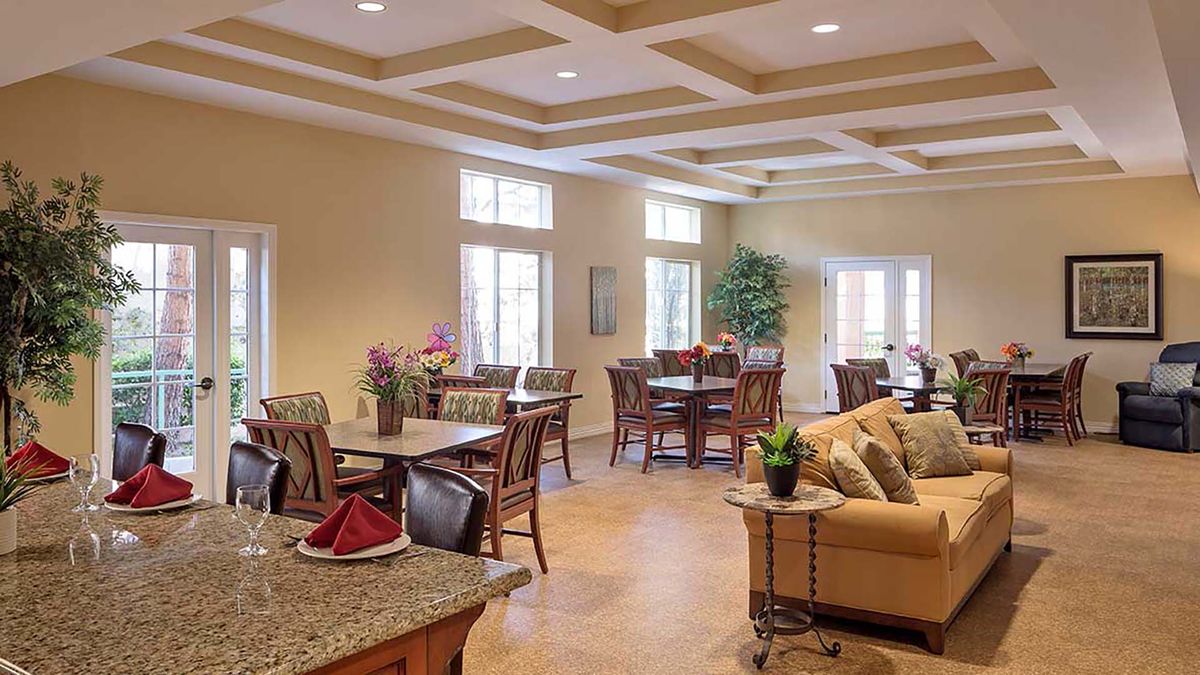
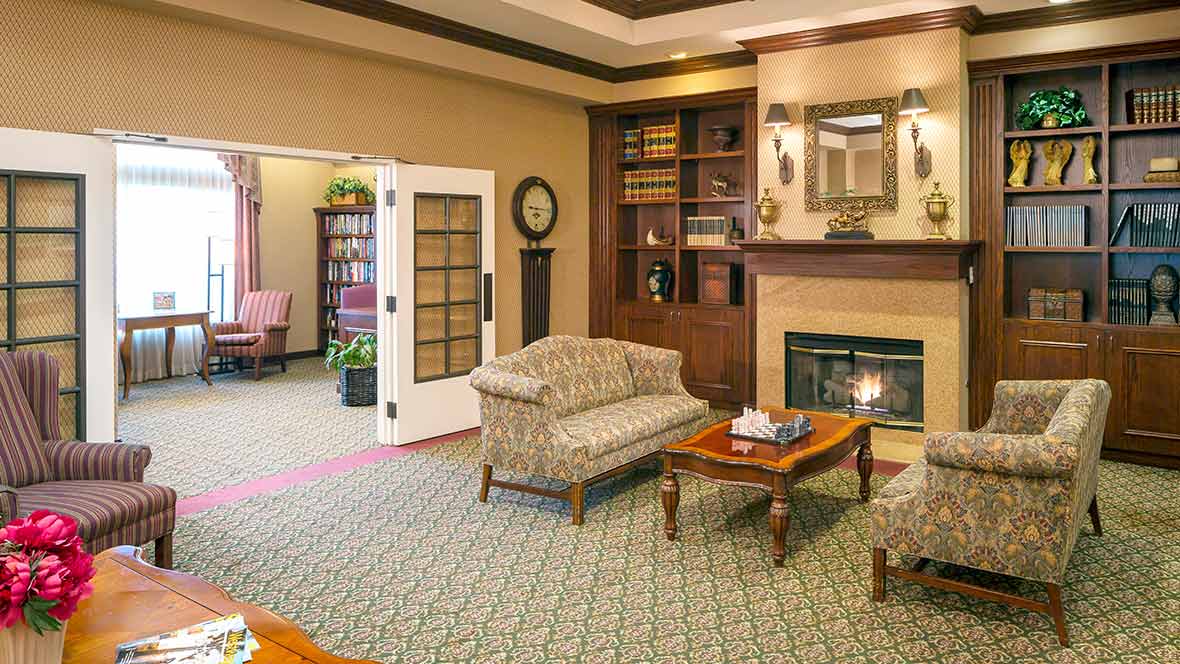
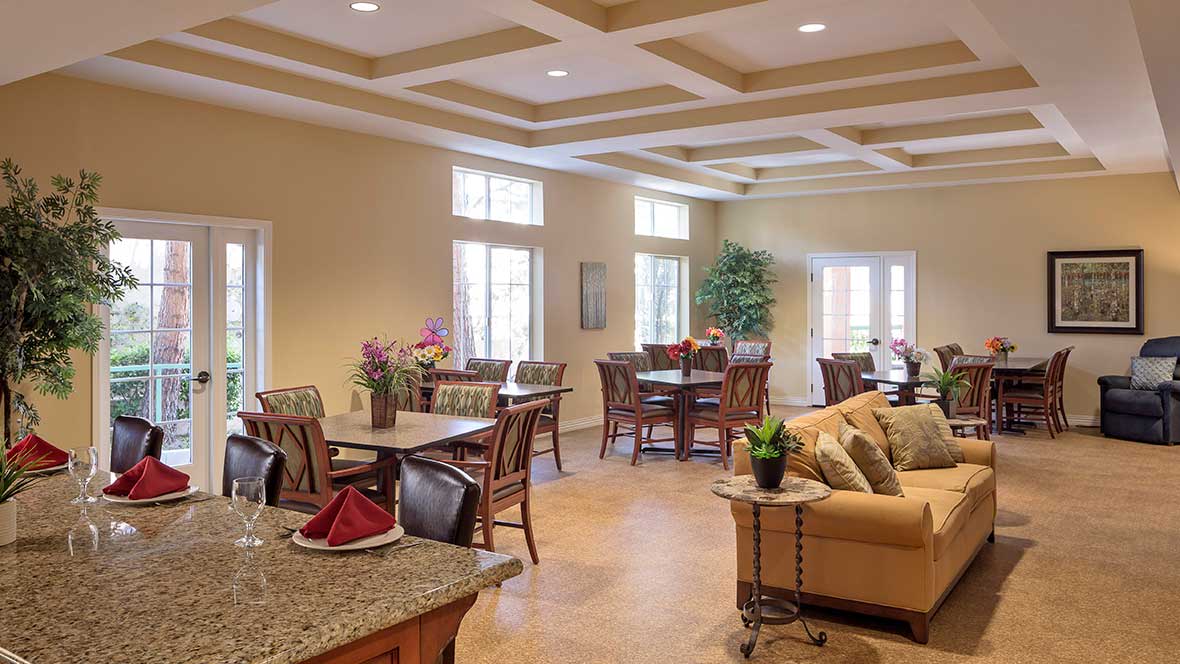
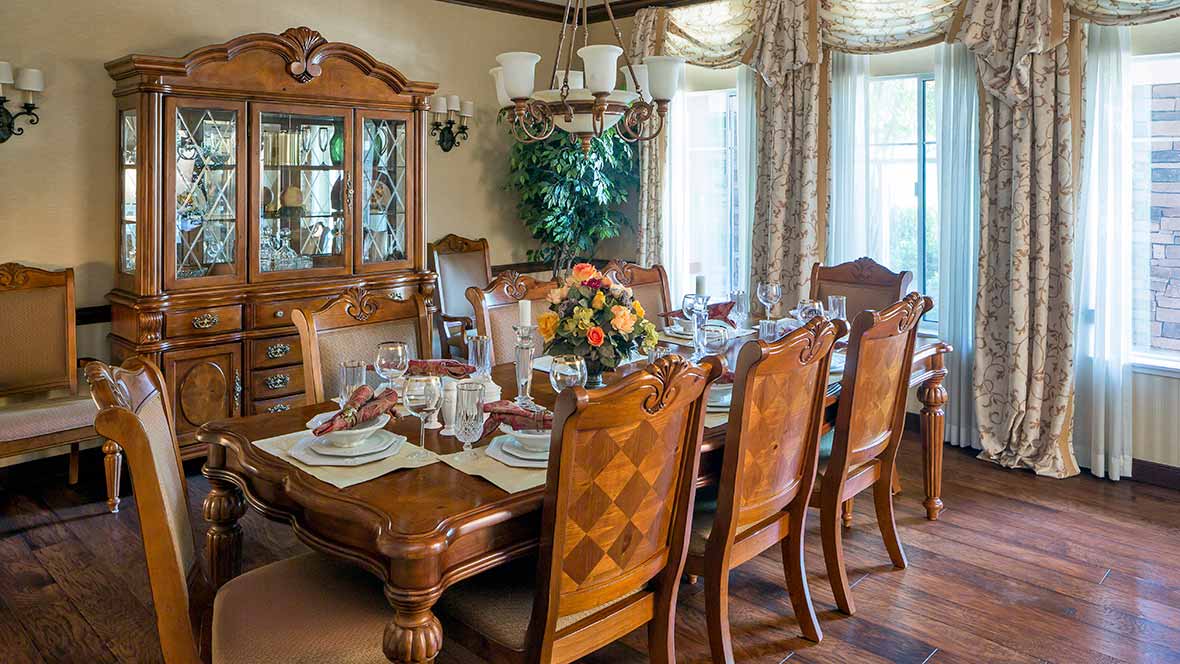
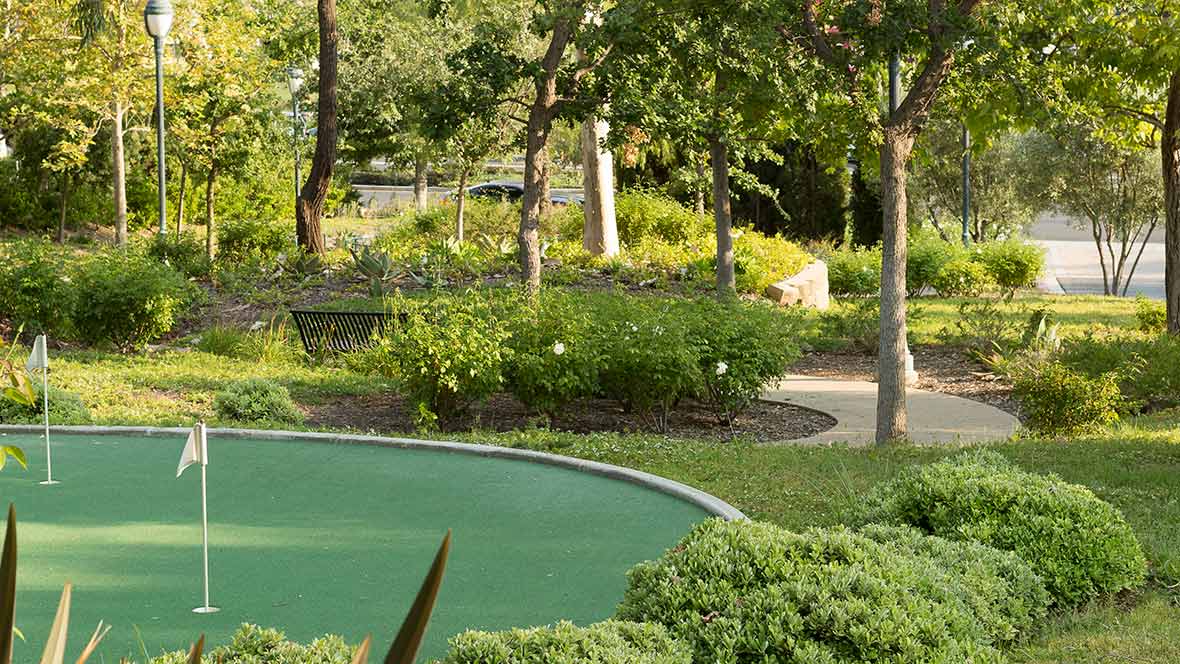
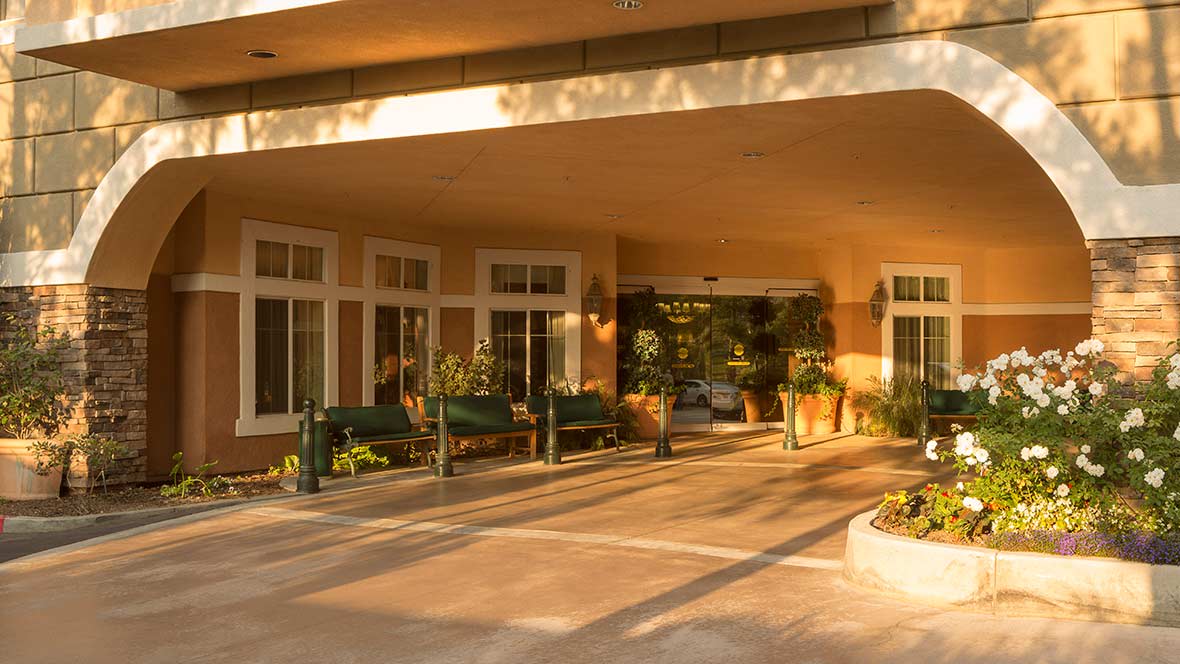
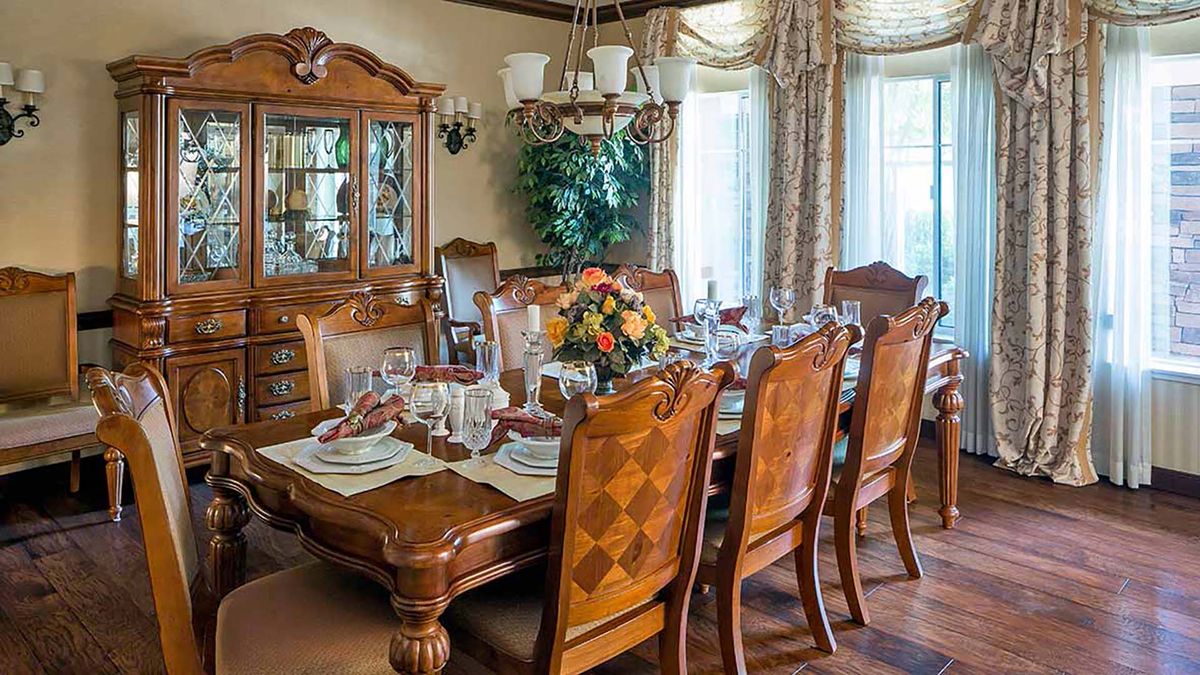
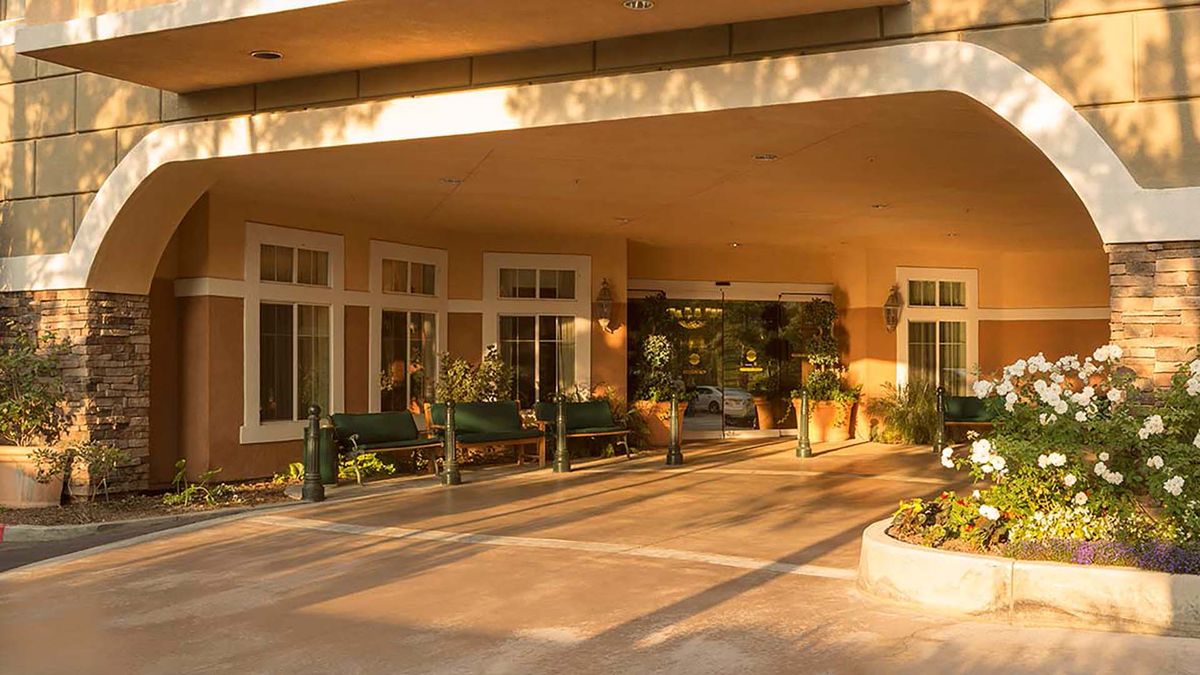
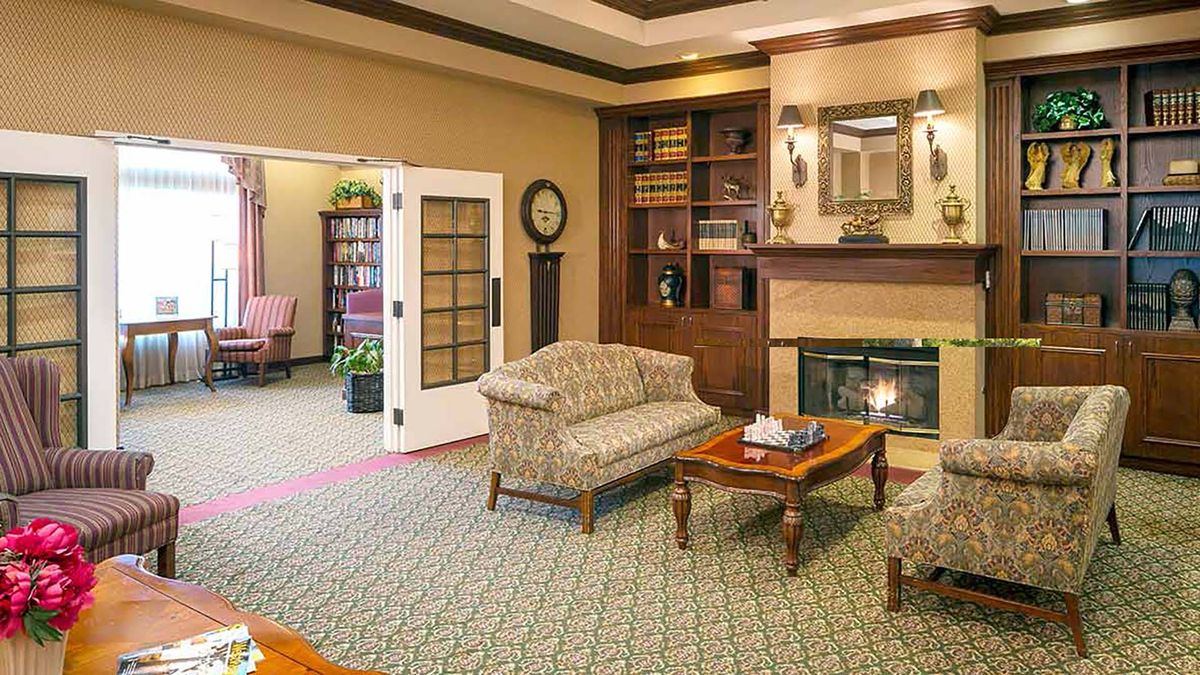
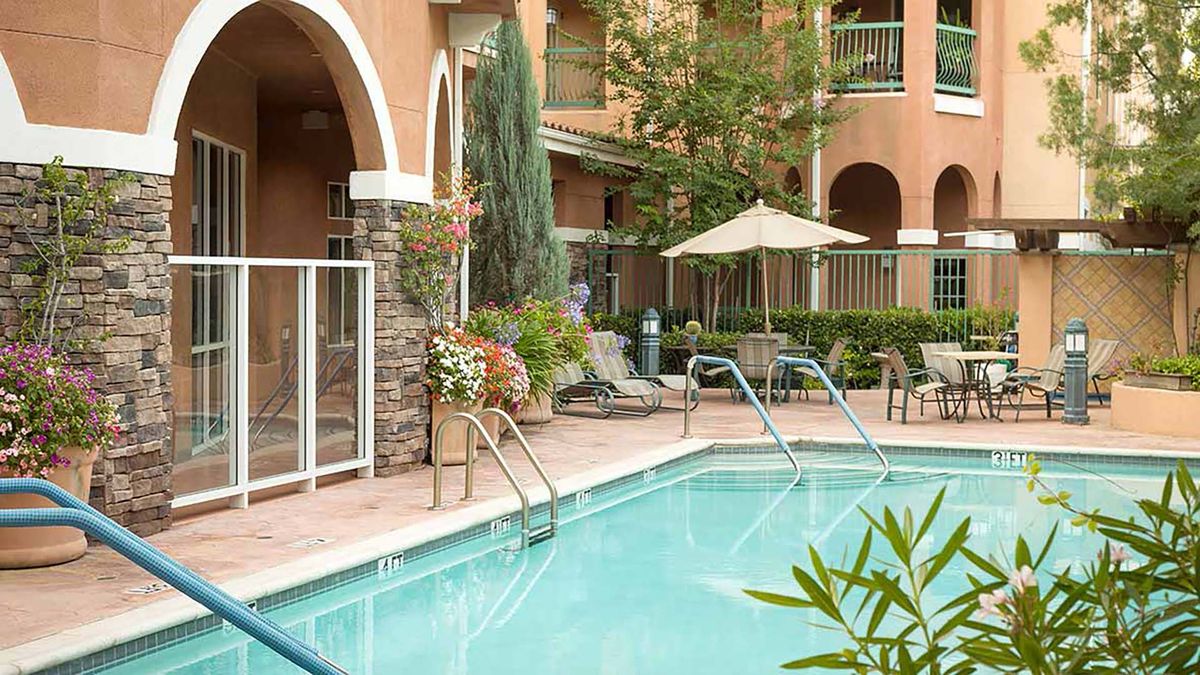
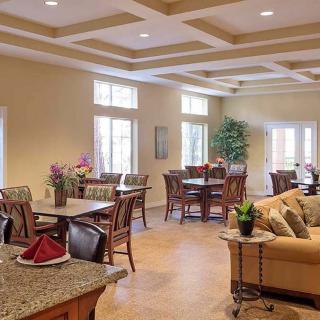
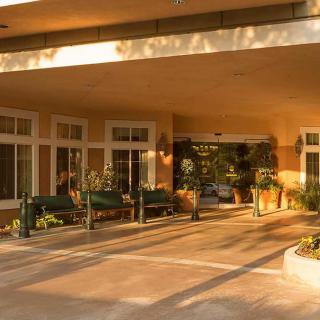
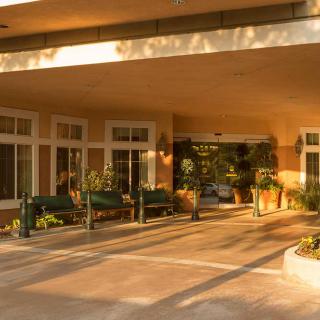
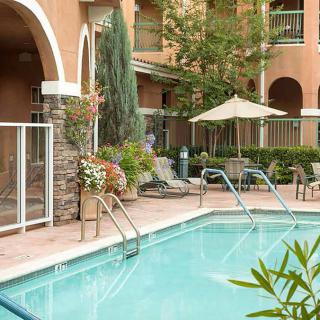
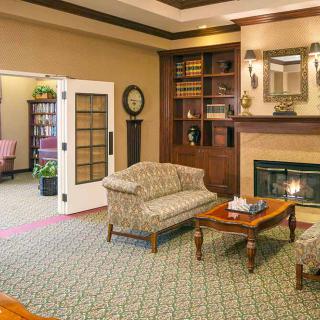
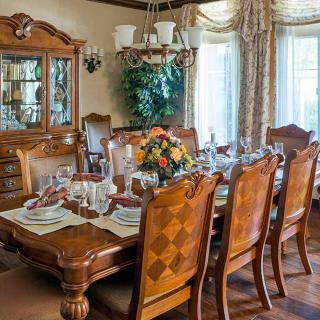
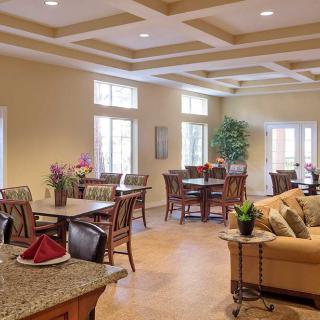
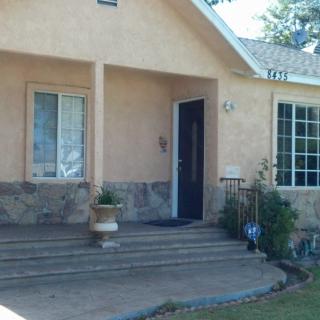
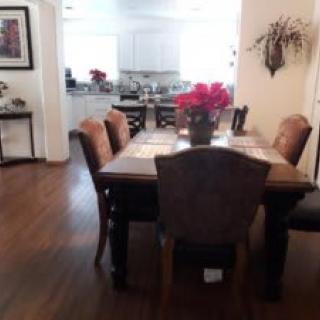
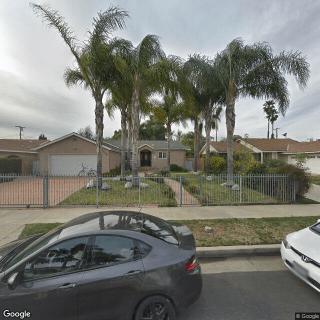
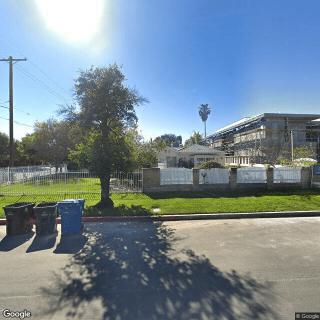
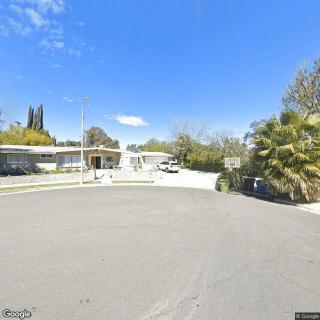
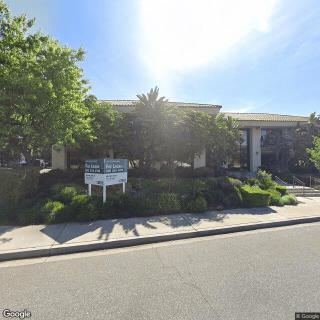
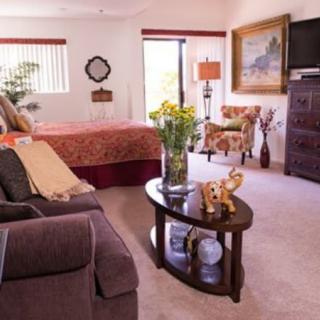
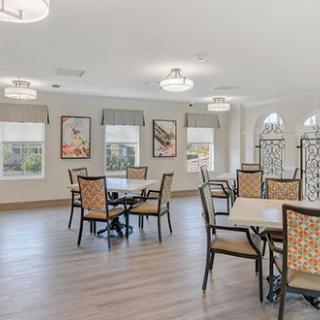
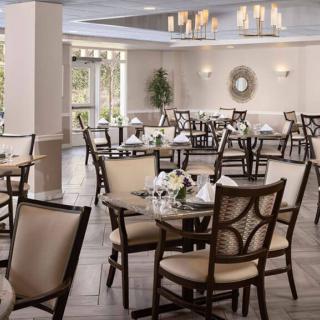
Atria Grand Oaks on seniors.fyi includes 23 photos including images showing interior, floor plan, dining, living room, decor, architecture, landscaping, building, and more.
Nearby Communities
Royal Oaks Inn
Thousand Oaks, CA
4.9 from 13 reviews
$4,500 / month
Good meals, friendly staff, clean facilities, and varied activities at solid value.
Right at Home Conejo West Valley
Thousand Oaks, CA
4.7 from 33 reviews
Outstanding service and highly positive experiences.
Windsor Terrace Of Westlake Village
Thousand Oaks, CA
4.5 from 127 reviews
Comprehensive amenities and care services, including restaurant-style dining and wellness programs.
Varenita of Westlake
Westlake, CA
4.7 from 51 reviews
Memory-care focused with 24/7 supervision and comprehensive support (ADL assistance, medication management, dementia programming).
Home Helpers of Thousand Oaks
Thousand Oaks, CA
5 from 28 reviews
Vibrant lifestyle with easy access to amenities nearby.
Senior Helpers of Thousand Oaks, CA
Thousand Oaks, CA
5 from 48 reviews
Hillcrest Royale Retirement
Thousand Oaks, CA
4.6 from 40 reviews
$4,000 to $6,000 / month
Friendly, attentive staff in a warm, family-like community with engaging activities.
Silverado Thousand Oaks
Thousand Oaks, CA
4.9 from 77 reviews
Specialized memory care with 24/7 supervision and a comprehensive wellness/activities program.
Belmont Village Senior Living Thousand Oaks
Thousand Oaks, CA
4.3 from 77 reviews
$3,996 to $6,500 / month
Friendly, attentive staff and a strong Circle of Friends transition program.
Dementia, including Alzheimer’s disease, is often mischaracterized in terms of lethality as it leads to complications that can be fatal rather than being a direct cause of death; it causes a progressive decline in cognitive and physical health, making patients vulnerable to infections and other health crises. Effective management of nutrition, hydration, and communication is crucial in patient care, with palliative care becoming vital in advanced stages to enhance comfort and quality of life while caregivers play a key role amidst the challenges posed by the disease.
Reminiscence therapy helps individuals with dementia recall past memories through structured discussions and meaningful objects, enhancing mood, relationships, and sense of identity while celebrating their lives. It can be practiced in formal settings or at home, requiring sensitivity to personal histories and cultural backgrounds.
Reminiscence therapy is a structured method for older adults, especially those with dementia, to share life stories using prompts and sensory cues, fostering emotional well-being, social engagement, and self-identity. It aims to improve quality of life by enhancing interpersonal connections and cognitive stimulation while requiring careful facilitation to avoid distressing memories.
Get PricingAsk A QuestionSchedule A TourContact Senior Advisor
By clicking submit, you agree to our Partner's Terms of Use. You
also consent to receive calls and texts, which may be autodialed, from our Partner. Your consent is not a condition to
using our Partner's service. Please visit our Partner's Privacy Policy for information about their privacy practices.





 140 resident community capacity
 1-bedroom apartments
 Assisted Living
 Independent Living
 Memory Care
 Cats allowed
 Dogs allowed
 Activities off-site
 Air-conditioning
 Beautician on-site
 Cable or satellite TV
 Computer center
 Devotional services off-site
 Dining room
 Fitness room
 Full kitchen
 Fully furnished
 Gaming room
 Garden
 Ground floor units
 Guest parking
 Housekeeping services
 Indoor common areas
 Laundry
 Move-in coordination
 Outdoor common areas
 Party space
 Pet friendly
 Private bathrooms
 Respite or short term stays offered
 Restaurant-style dining
 Small library
 Spa
Spa Swimming pool
 Telephone
 Wheelchair accessible showers
 Wi-Fi/high-speed internet available
 Oxnard (21 miles away)
 Community operated transportation
 12-16 hour nursing
 24-hour call system
 Ambulatory care
 Assistance with bathing
 Assistance with dressing
 Assistance with transfers
 Diabetes diet
 Hospice waiver
 Incontinence care
 Medication management
 Mental wellness program
 Physical therapy
 Special dietary restrictions
 Transportation arrangement (medical)
 Art classes
 Catholic services
 Concierge services
 Cooking classes
 Day trips and outings
 Educational speakers / life long learning
 Happy hour
 Jewish services
 Live musical performances
 Wine tasting
 English
 Good meals, friendly staff, clean facilities, and varied activities at solid value.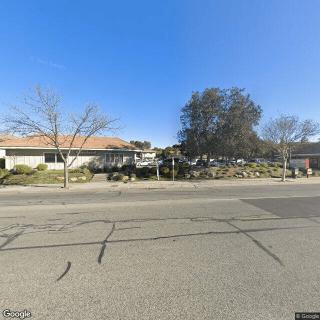

 Are Dementia and Alzheimer's Disease Lethal? A Comprehensive Exploration
 Exploring the Power of Reminiscence Therapy for Individuals With Dementia
 An In-Depth Look at Reminiscence Therapy in Dementia Care