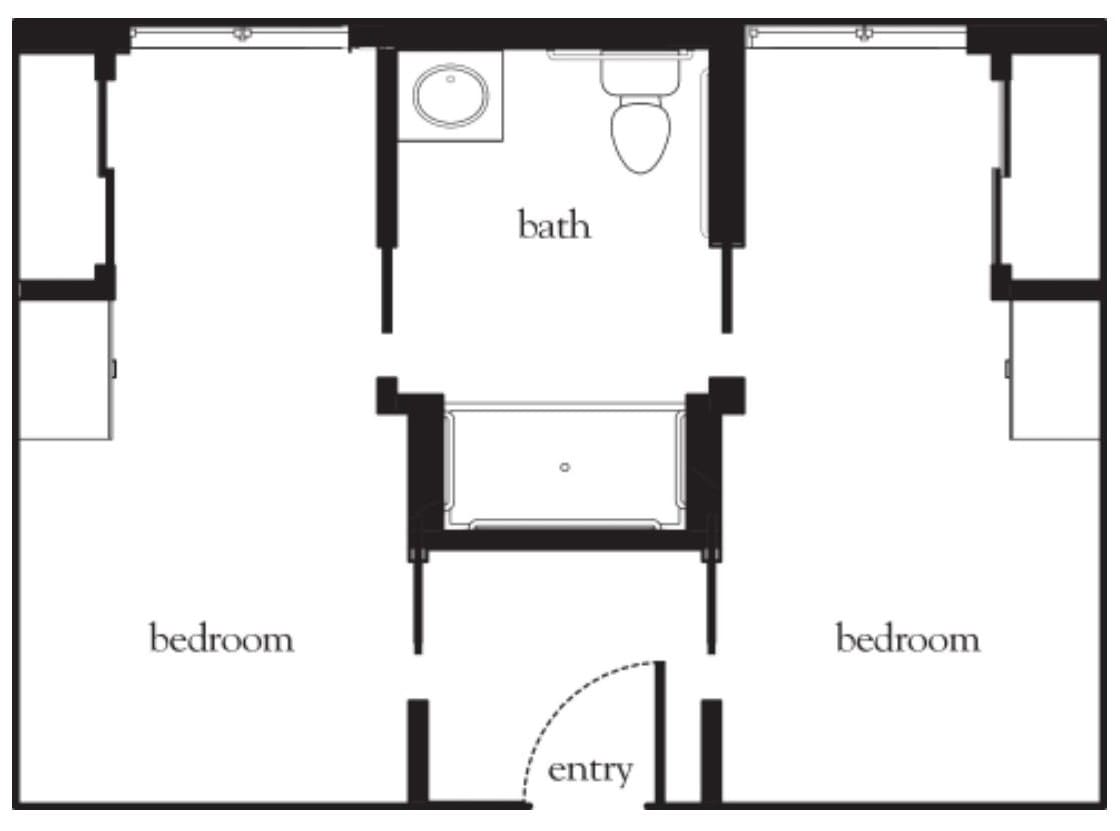
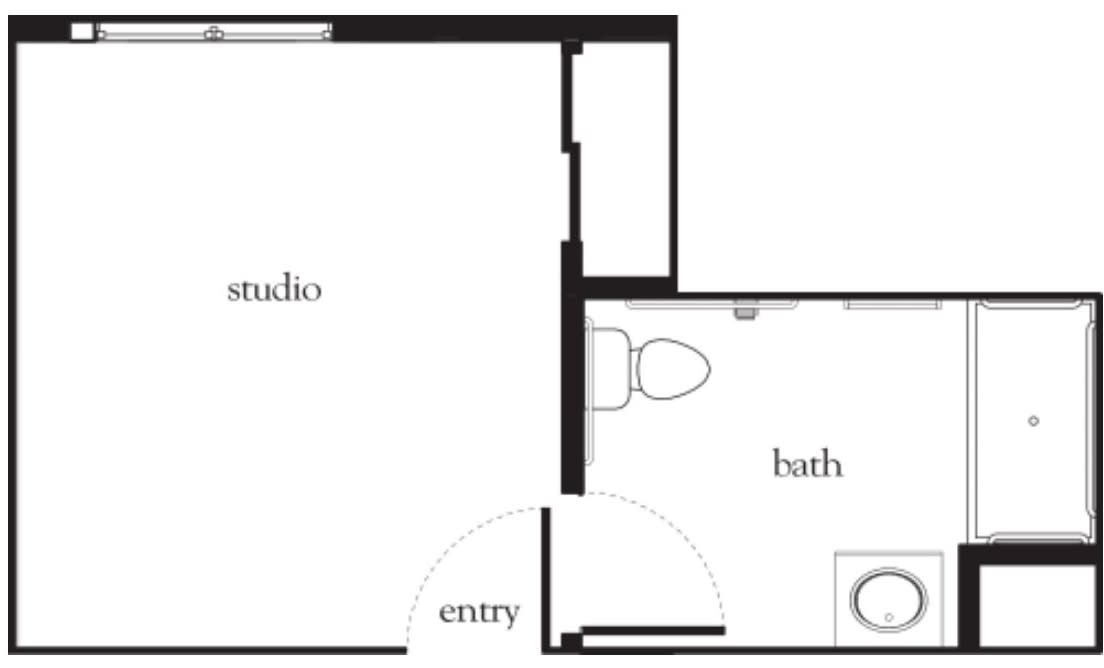
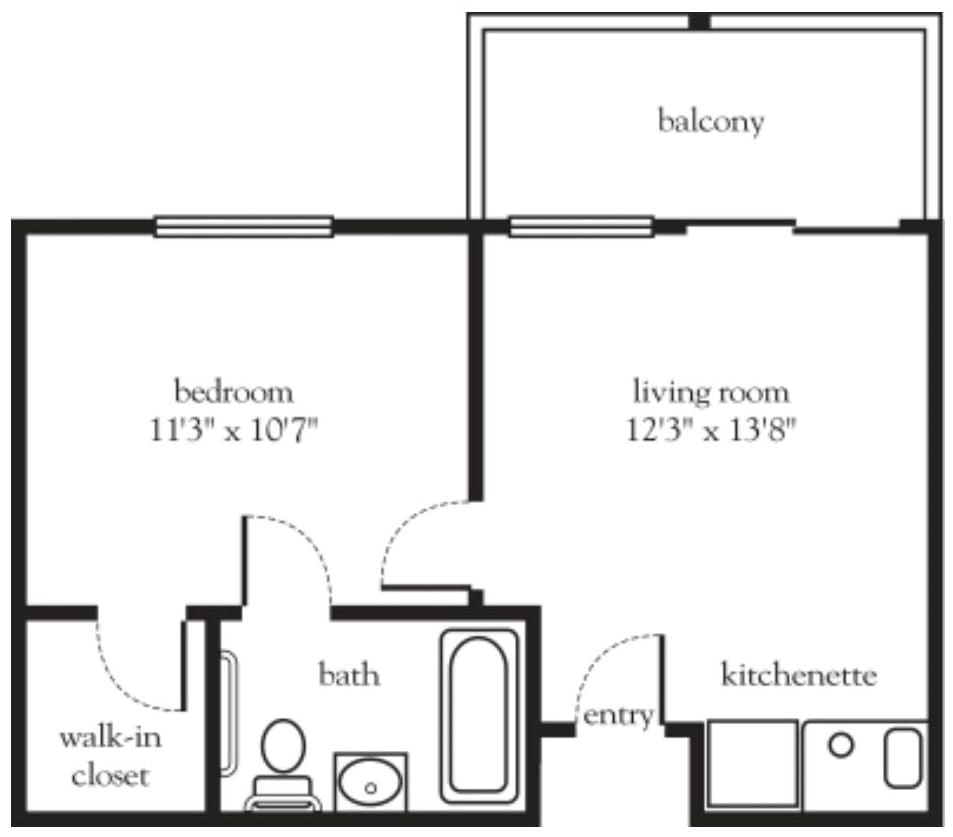
At Atria Hillcrest, the cost of living reflects a competitive pricing structure compared to both Ventura County and the broader California market. For semi-private rooms, residents can expect to pay between $2,995 and $6,595, aligning closely with Ventura County's average of $3,438 and slightly above the state's average of $3,333. Studio apartments range from $4,495 to $4,995 at Atria Hillcrest, which is favorable compared to Ventura County's average of $4,021 and California's average of $4,145. Private rooms are available for a flat rate of $4,495 - above the county average of $4,082 but fairly competitive against California's average of $3,939. One-bedroom units are priced at $5,095, which exceeds Ventura's average price of $4,513 but remains reasonable in comparison to statewide rates of $4,340. Finally, two-bedroom accommodations are offered at $5,395 - a figure that is slightly lower than Ventura County's average of $5,606 and on par with California's statewide average of $5,270. Overall, Atria Hillcrest positions itself as a viable option within the local and state landscape for seniors seeking quality living arrangements.
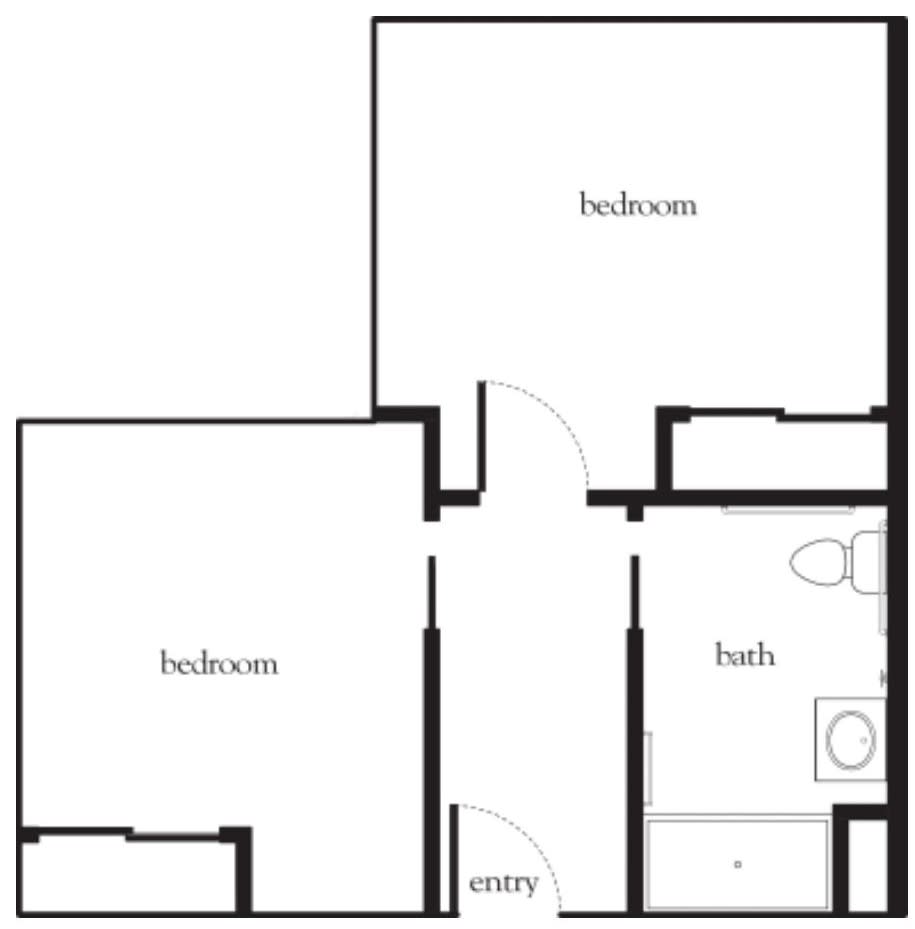
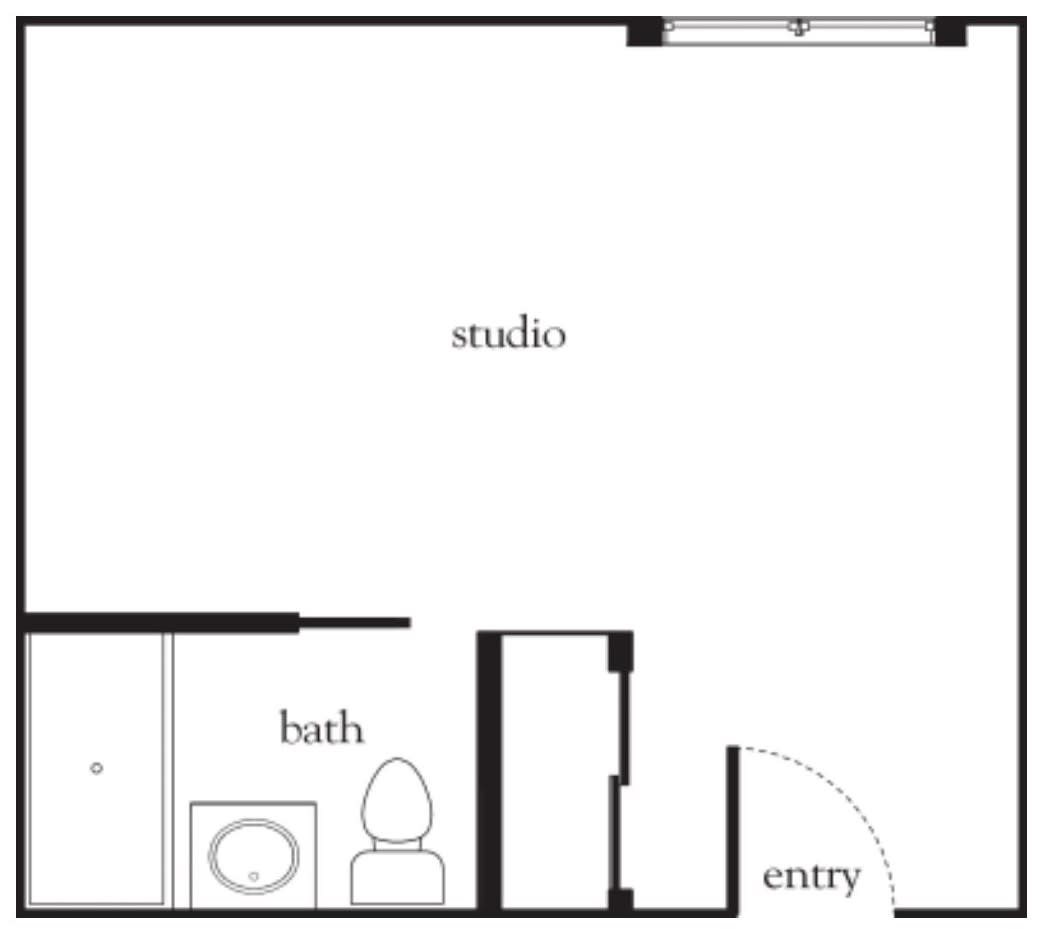
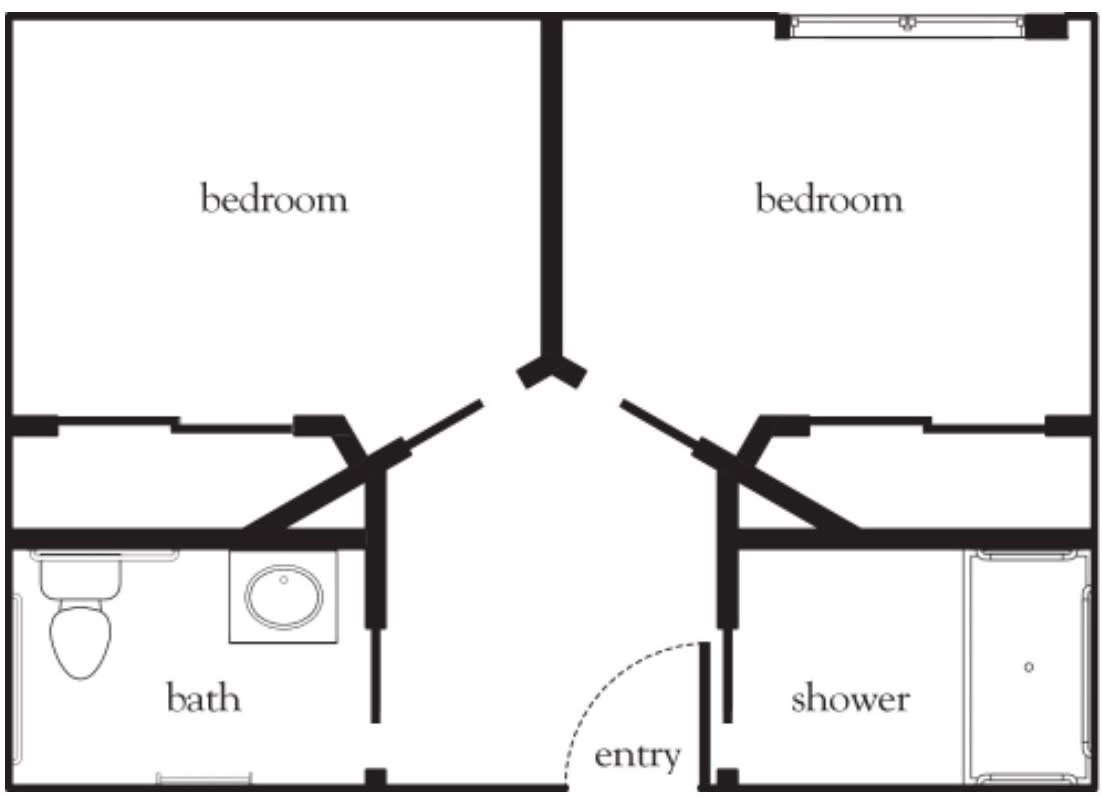
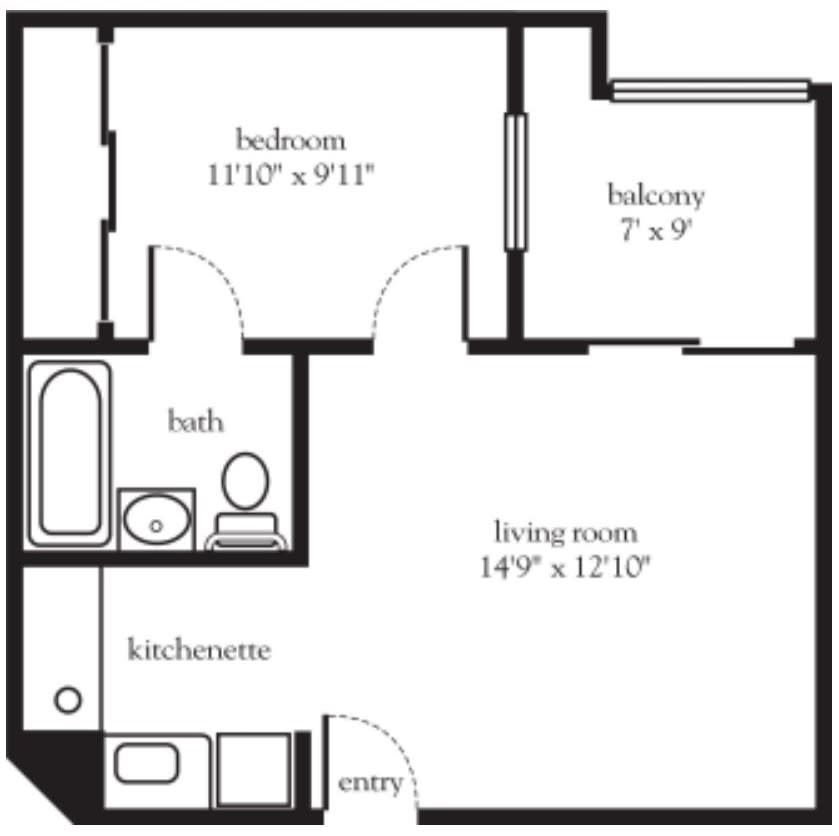
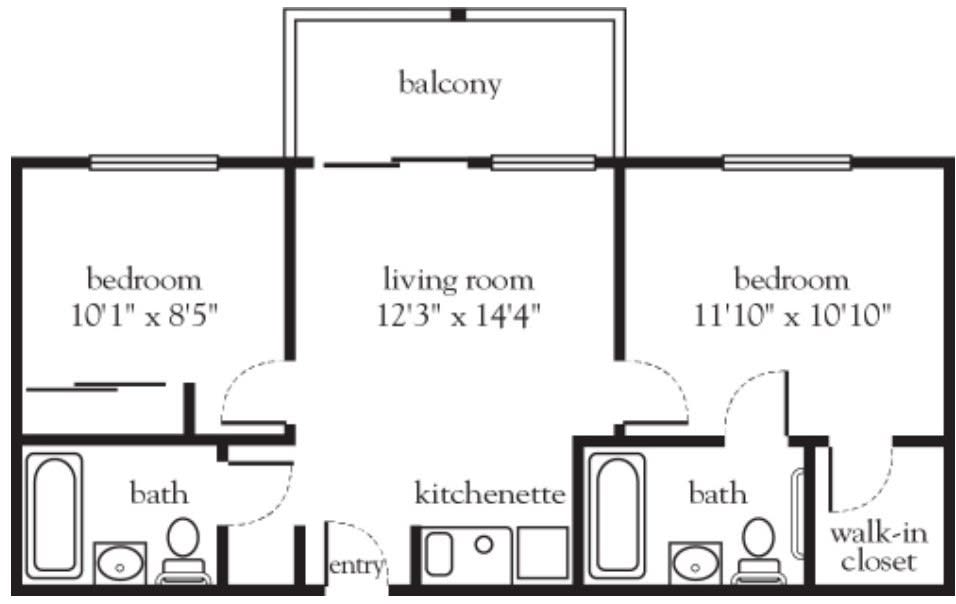
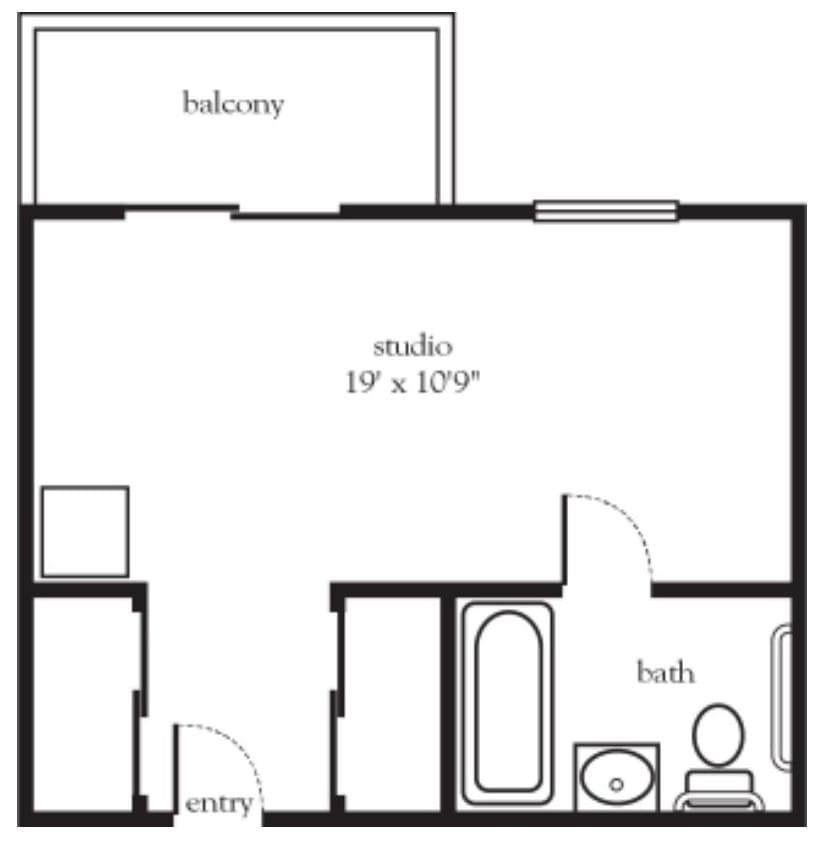
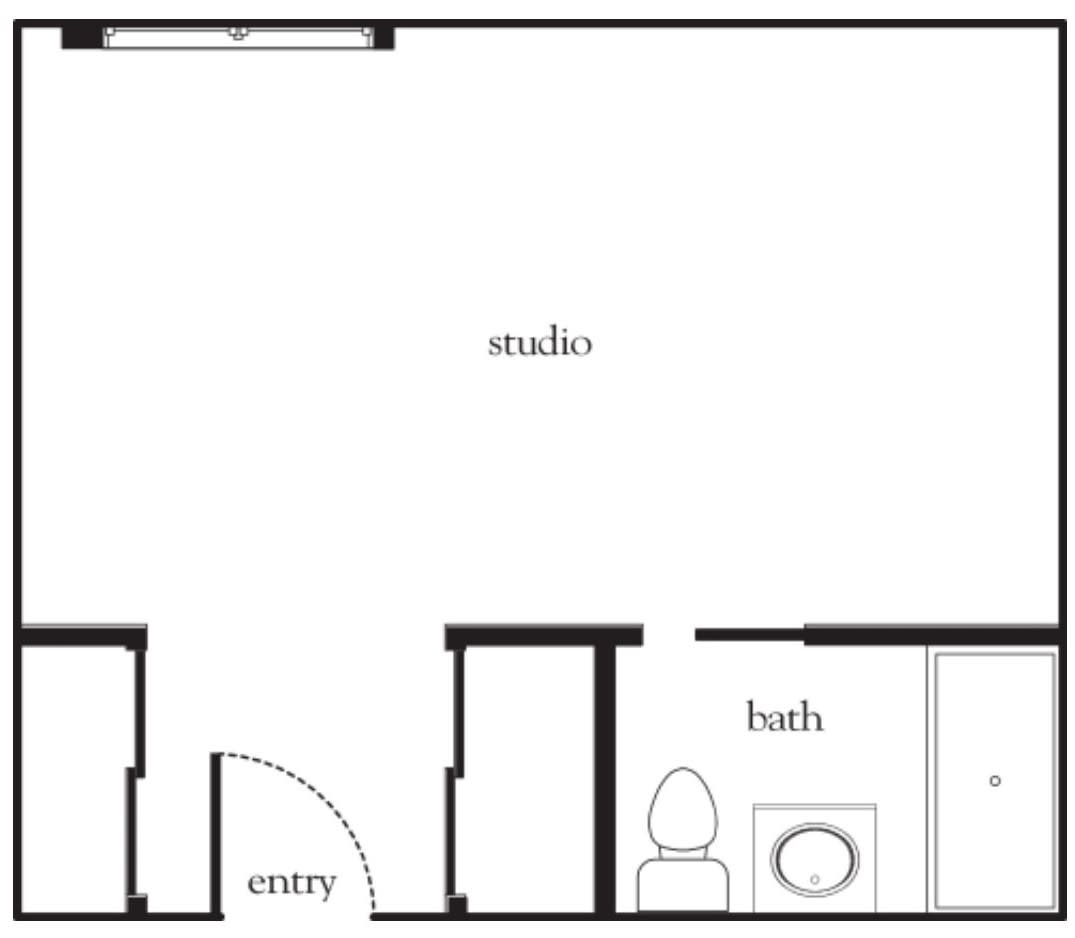
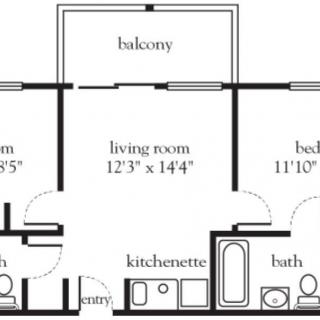
Floor plans
Atria Hillcrest
Ventura County
California
Semi-Private
$2,995 to $6,595
$3,438
$3,333
Private
$4,495
$4,082
$3,939
Studio
$4,495 to $4,995
$4,021
$4,145
1 Bedroom
$5,095
$4,513
$4,340
2 Bedrooms
$5,395
$5,606
$5,270
Memory care communities with a similar price nearby
Some residents report serious breakdowns in memory care support.
A handful of reviewers describe memory care as falling short, with concerns that range from hygiene problems to difficulties managing dementia symptoms. Multiple accounts also mention staffing strain or disengaged caregivers, along with medication-related confusion and over-sedation worries. These same reviews often contrast the attractive appearance of the building with a care experience that felt unsafe or undignified. Residents who had positive experiences still emphasize care teams, but these negative accounts are detailed enough that they stand out as a clear risk area to ask about before moving.
common9 reviews mention this
Dining quality is mixed
Dining receives both high praise and recurring complaints.
Several reviews say the meals are a strong point, including comments that the food is amazing and that the chef rounds in the dining room. Other reviewers describe the food as only fair, as “institution food,” or complain that specials run out quickly for guests. A separate complaint mentions that staff ran out of food for visitors (with a refund after it was raised). Overall, residents who care most about meal quality may want to taste what’s being served and clarify how often special selections are available.
caveat2 reviews mention this
Transportation help is limited
Transportation is described as hard to use consistently.
At least two reviewers say transportation is restricted by tight time windows, which can make appointments difficult to schedule. One account also notes that even when transportation is offered within a radius, there are limited days and hours. If you expect frequent medical trips, these reviews suggest confirming what transportation covers and how escorts work, in advance of move-in.
common31 reviews mention this
Staff warmth is a consistent theme
Many reviewers describe staff as kind and responsive.
Across the reviews, families repeatedly describe caregivers and med techs as friendly, caring, and supportive—especially during the move-in period and periods of changing needs. Several accounts also highlight specific people by name for being patient with paperwork, answering questions, or helping with transitions. A smaller number of negative reviews also exist, but the overall pattern is that residents and families feel supported by the day-to-day team when staffing and communication are working well. If possible, it can help to meet the care team you’d be working with and ask how updates are shared as needs change.
How we summarize
Counts show how many written reviews mention each theme; a review can touch several themes, and only frequently mentioned themes are displayed.
Features
Housing
207 resident community capacity
1-bedroom apartments
2-bedroom apartments
Studio apartments
Types of Care
Assisted Living
Independent Living
Memory Care
Pets
Cats allowed
Dogs allowed
Amenities
Activities on-site
Air-conditioning
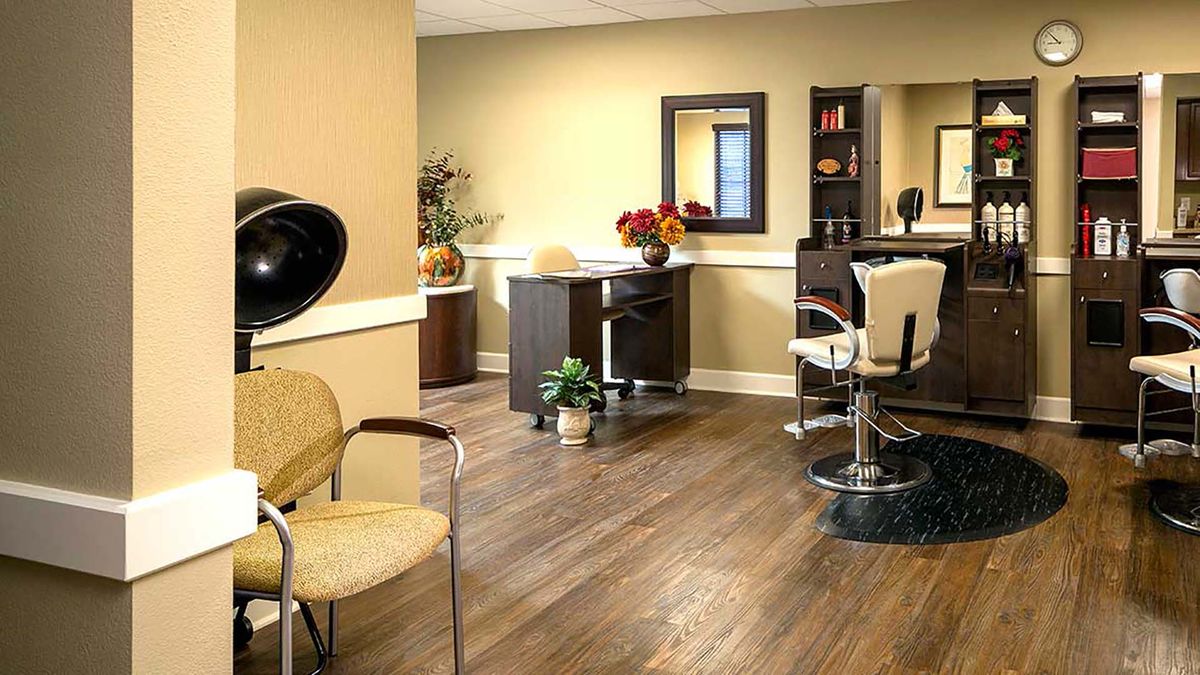
Beautician on-site
Beauty salon
Cable or satellite TV
Computer center
Devotional services off-site
Devotional services on-site
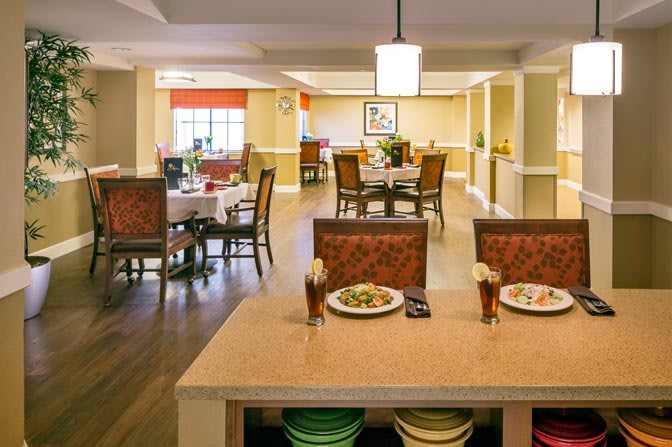
Dining room
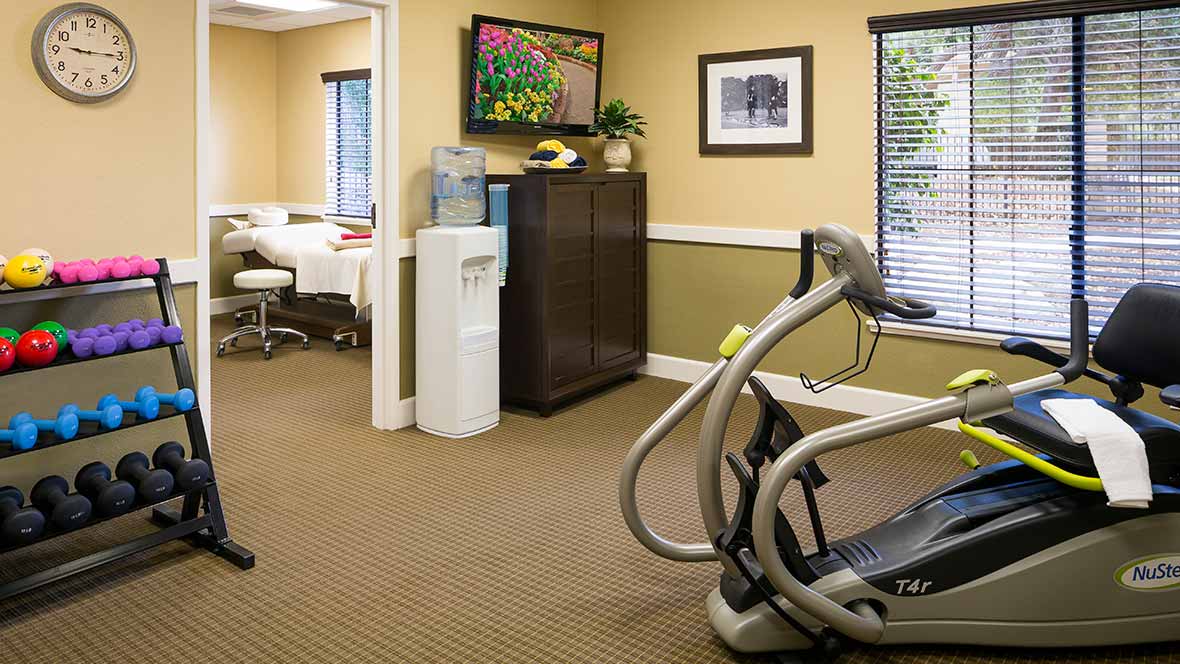
Fitness room
Full kitchen
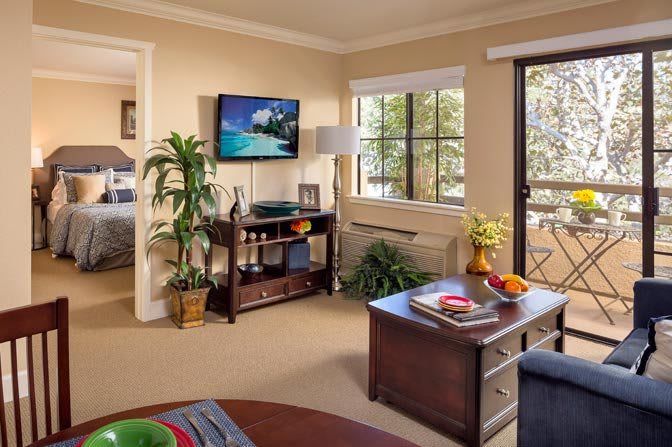
Fully furnished
Gaming room
Garden
Ground floor units
Guest parking
Housekeeping services
Indoor common areas
Kitchenette
Laundry
Move-in coordination
Outdoor common areas
Outdoor space
Party space
Pet friendly
Private bathrooms
Resident parking
Respite or short term stays offered
Restaurant-style dining
Small library
Spa
Swimming pool
Telephone
Wellness center
Wi-Fi/high-speed internet available
Transportation
Oxnard (19 miles away)
Community operated transportation
Transportation & parking
Transportation arrangement
Transportation arrangement (non-medical)
Care Services
12-16 hour nursing
24-hour call system
24-hour supervision
Activities of daily living assistance
Ambulatory care
Assistance with bathing
Assistance with dressing
Assistance with transfers
Coordination with health care providers
Dementia waiver
Diabetes diet
Hospice waiver
Incontinence care
Meal preparation and service
Medication management
Mental wellness program
Mild cognitive impairment
Physical therapy
Special dietary restrictions
Specialized memory care programming
Transportation arrangement (medical)
Transportation to doctors appointments
Dining
Anytime dining
Diabetes diet
Gluten-free
Guest meals
Low / no sodium
Meals provided
No Sugar
Professional chef
Restaurant style dining
Room service
Special dietary restrictions
Vegetarian
Activities
Activities off-site
Art classes
Catholic services
Community-sponsored activities
Concierge services
Day trips and outings
Devotional activities offsite
Devotional activities on-site
Fitness programs
Happy hour
Jewish services
Live dance or theater performances
Live musical performances
Live well programs
Planned day trips
Religious services
Resident-run activities
Scheduled daily activities
Stretching classes
Tai Chi
Yoga / chair yoga
Languages Spoken
English
Nearby Places of Interest
This part of Thousand Oaks, California offers convenient access to a variety of essential services and amenities for seniors. With several physicians' offices, pharmacies, and hospitals within close proximity, residents can easily access healthcare when needed. Additionally, there are plenty of dining options nearby, including cafes and restaurants offering a range of cuisines. The area also boasts recreational opportunities with parks and theaters in the vicinity for entertainment and relaxation. Overall, this neighborhood provides a well-rounded community that caters to the needs of seniors looking for a comfortable and convenient living environment.
Physicians
Sarosey Charles MD (0.3 miles)
Dr Cohen - Rheumatology (0.5 miles)
Conejo Women's Health (0.6 miles)
Rolling Oaks Pediatrics (0.6 miles)
Kryger Institute of Plastic Surgery (0.6 miles)
Topa Diagnostics (0.6 miles)
Conejo Women's Medical Center (0.6 miles)
Cafes
Starbucks (0.3 miles)
Starbucks (0.8 miles)
Lazy Dog Cafe (0.9 miles)
Starbucks (2.4 miles)
Starbucks (2.5 miles)
Starbucks (2.8 miles)
Tifa Chocolate & Gelato (4.9 miles)
Restaurants
Chick-Fil-A (0.3 miles)
tarantula Hill Brewing Company (0.4 miles)
Namaste Spiceland (0.5 miles)
The Cheesecake Factory (1 miles)
Del Taco (2.4 miles)
Taco Bell (2.4 miles)
In-N-Out Burger (2.5 miles)
Pharmacies
CVS Pharmacy (0.4 miles)
CVS Pharmacy (0.9 miles)
CVS Pharmacy (2.3 miles)
Walgreens (2.3 miles)
Rite Aid (2.9 miles)
CVS Pharmacy (3.1 miles)
Medicine Shoppe (3.2 miles)
Hospitals
Thousand Oaks Surgical Hospital (0.6 miles)
Koveos, Efthimios DDS (1.8 miles)
Los Robles Hospital Cancer Center (1.8 miles)
Westlake Surgical Center (3 miles)
Theaters
AMC DINE-IN Thousand Oaks 14 (0.9 miles)
Parks
Conejo Creek South Park (1.1 miles)
Conejo Creek Park (1.6 miles)
Thousand Oaks Community Center and Park (2.1 miles)
At Atria Hillcrest, the cost of living reflects a competitive pricing structure compared to both Ventura County and the broader California market. For semi-private rooms, residents can expect to pay between $2,995 and $6,595, aligning closely with Ventura County's average of $3,438 and slightly above the state's average of $3,333. Studio apartments range from $4,495 to $4,995 at Atria Hillcrest, which is favorable compared to Ventura County's average of $4,021 and California's average of $4,145. Private rooms are available for a flat rate of $4,495 - above the county average of $4,082 but fairly competitive against California's average of $3,939. One-bedroom units are priced at $5,095, which exceeds Ventura's average price of $4,513 but remains reasonable in comparison to statewide rates of $4,340. Finally, two-bedroom accommodations are offered at $5,395 - a figure that is slightly lower than Ventura County's average of $5,606 and on par with California's statewide average of $5,270. Overall, Atria Hillcrest positions itself as a viable option within the local and state landscape for seniors seeking quality living arrangements.
Atria Hillcrest's comprehensive features are designed to support residents with dementia and provide an enriching environment tailored to their unique needs. The 24-hour supervision ensures constant monitoring and safety, while assistance with activities of daily living--including bathing, dressing, and transfers--promotes independence and dignity. Coordination with healthcare providers fosters continuity of care, while the dementia waiver acknowledges the specific challenges faced by those in different stages of cognitive decline. Incontinence care enhances residents' comfort, and meal preparation and service cater to nutritional needs while creating a familiar routine. Medication management is critical for adherence to health regimens, complemented by a mental wellness program that encourages cognitive engagement. Through specialized memory care programming and physical therapy, residents receive tailored interventions that support both mental and physical health, while transportation arrangements facilitate access to necessary medical appointments, enhancing overall well-being.
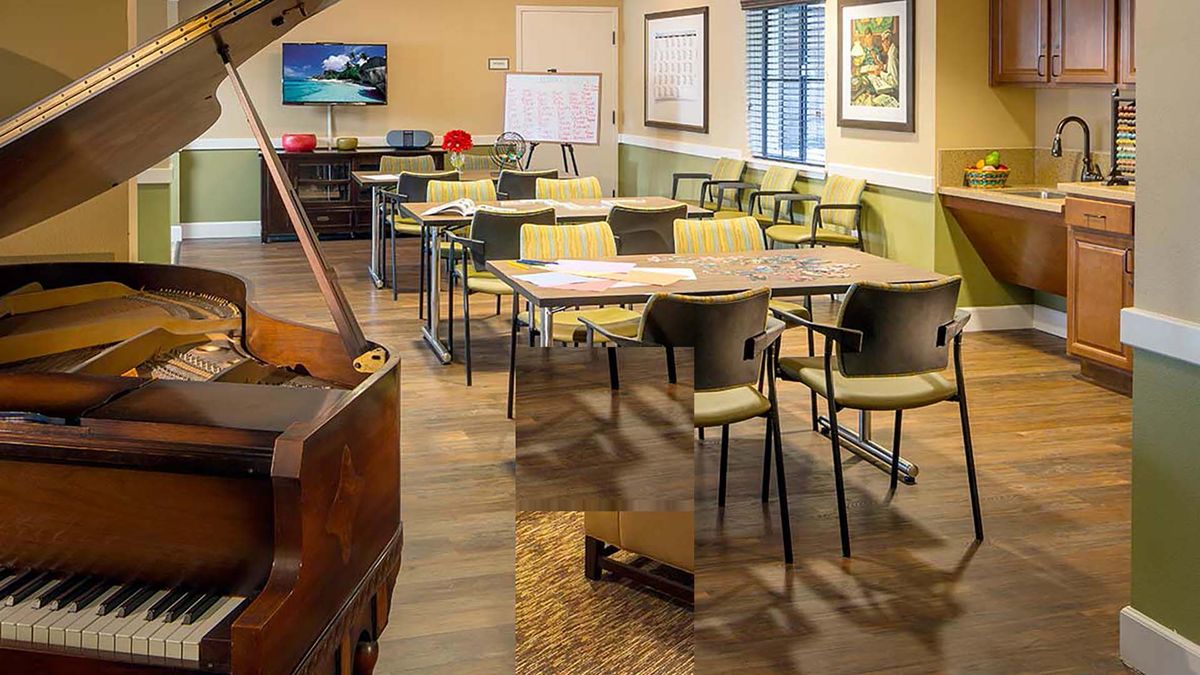
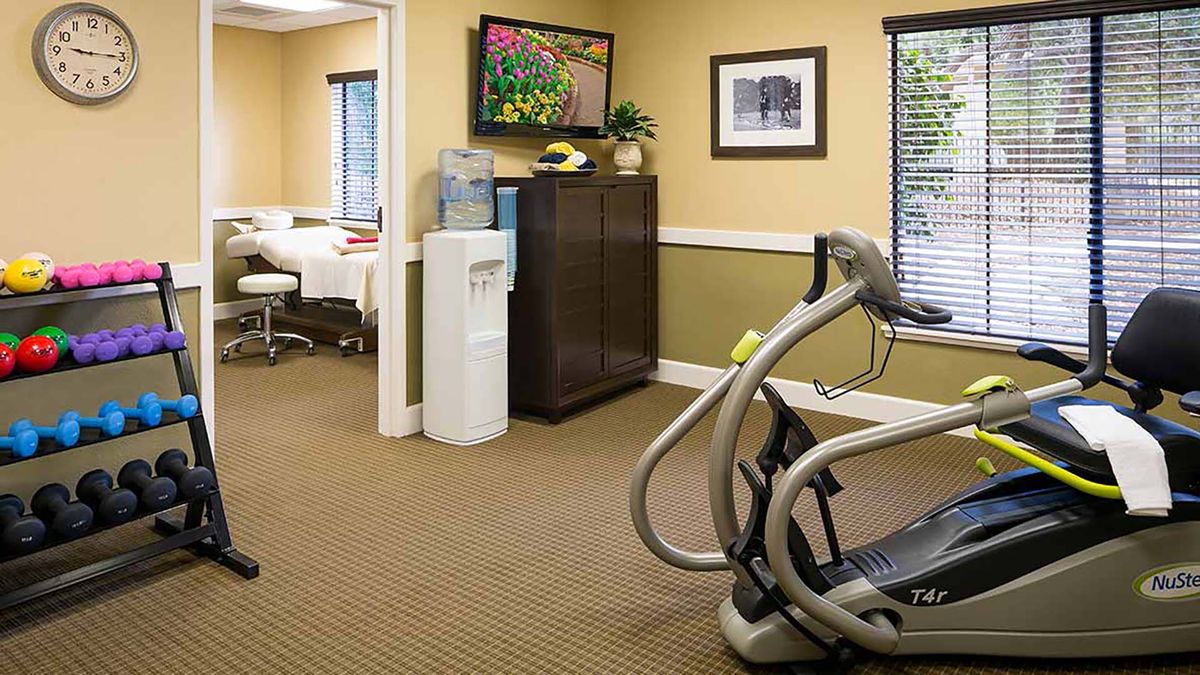
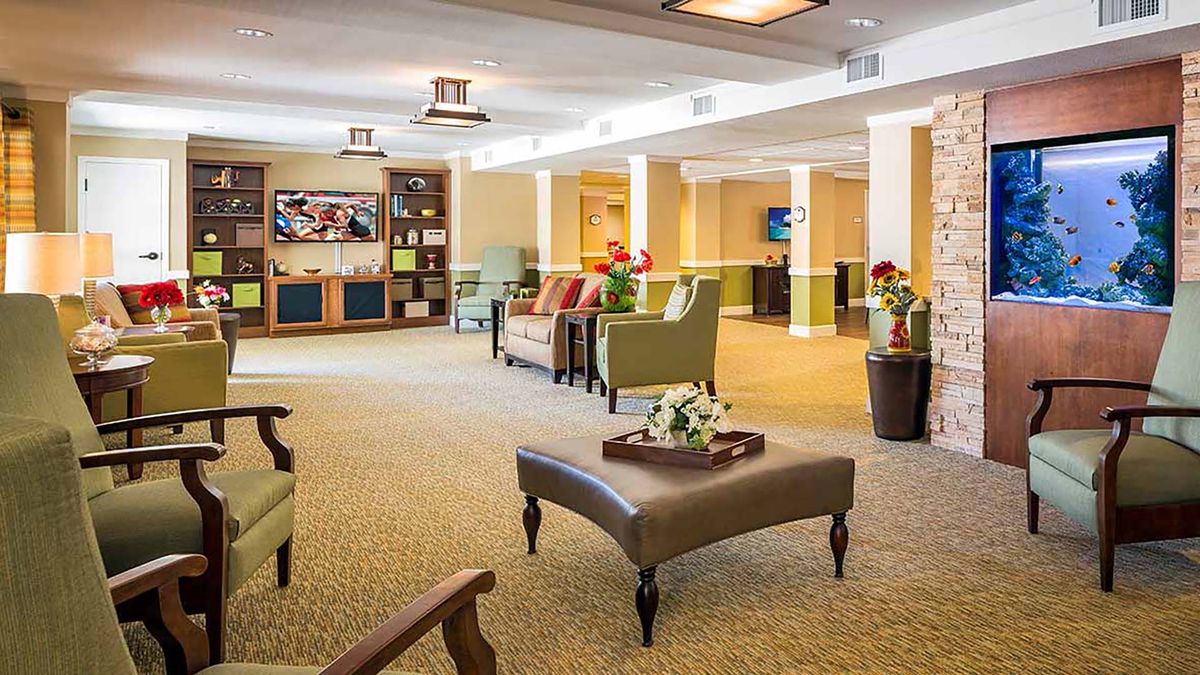
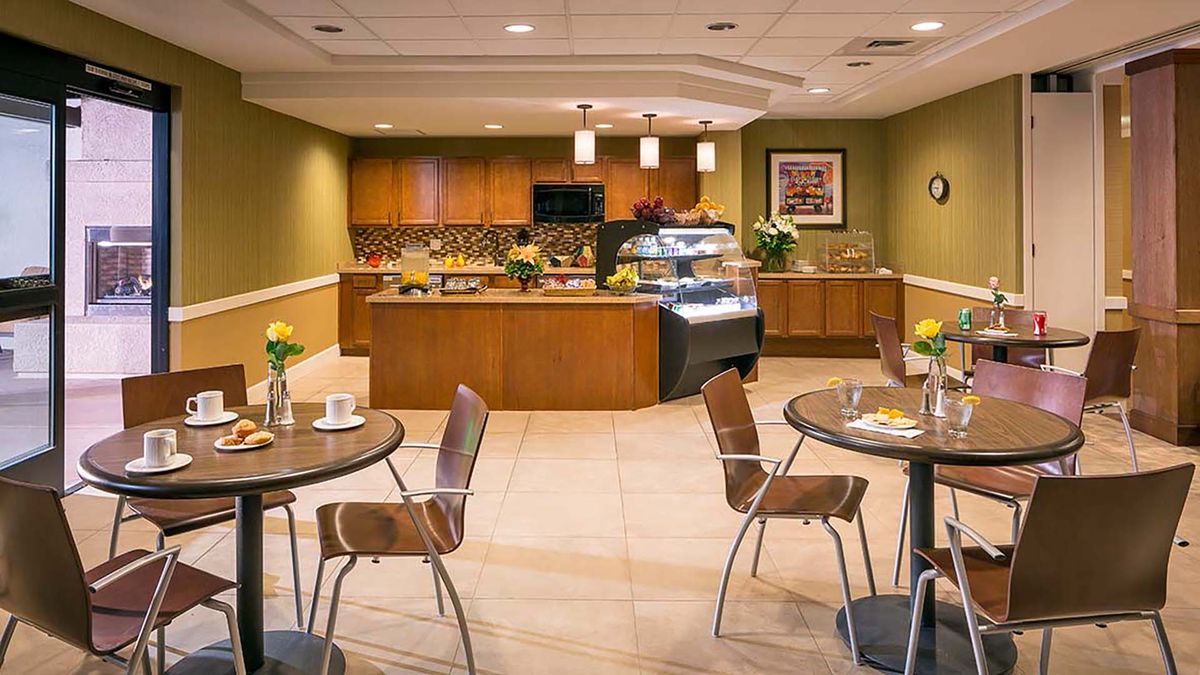
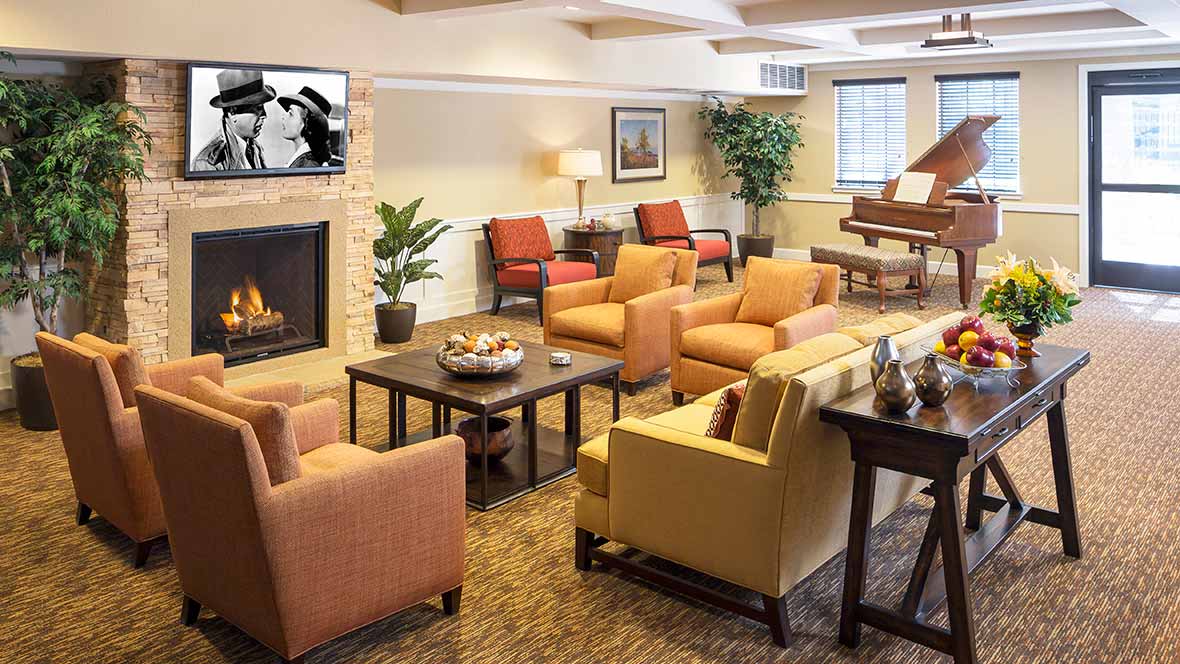
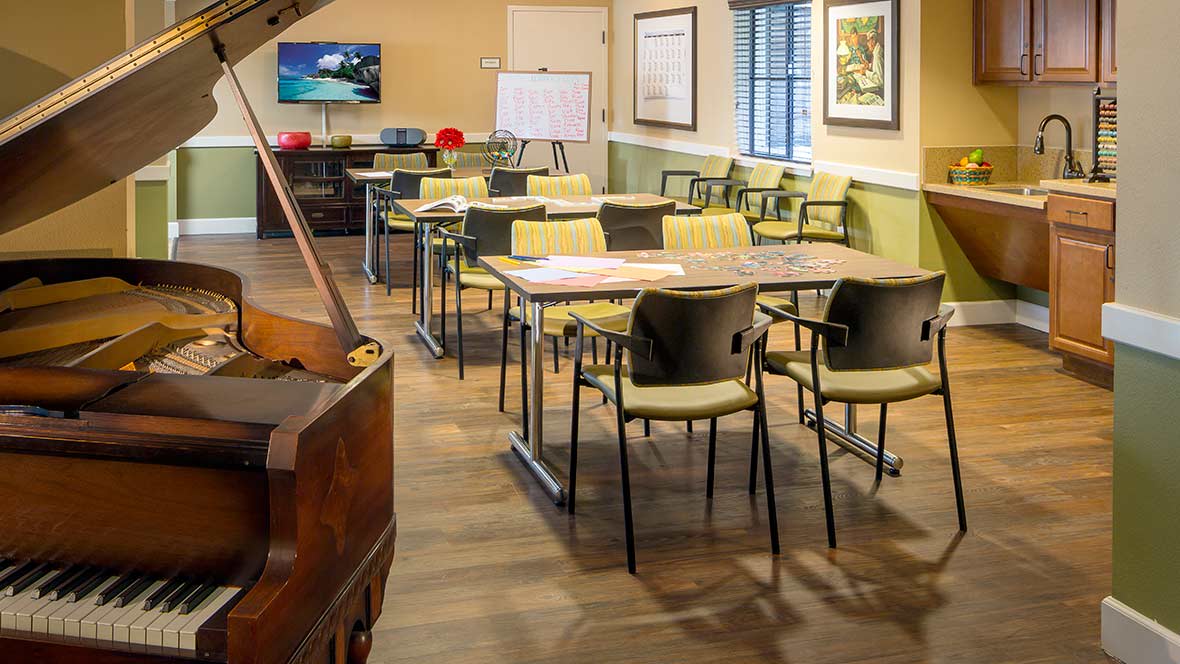
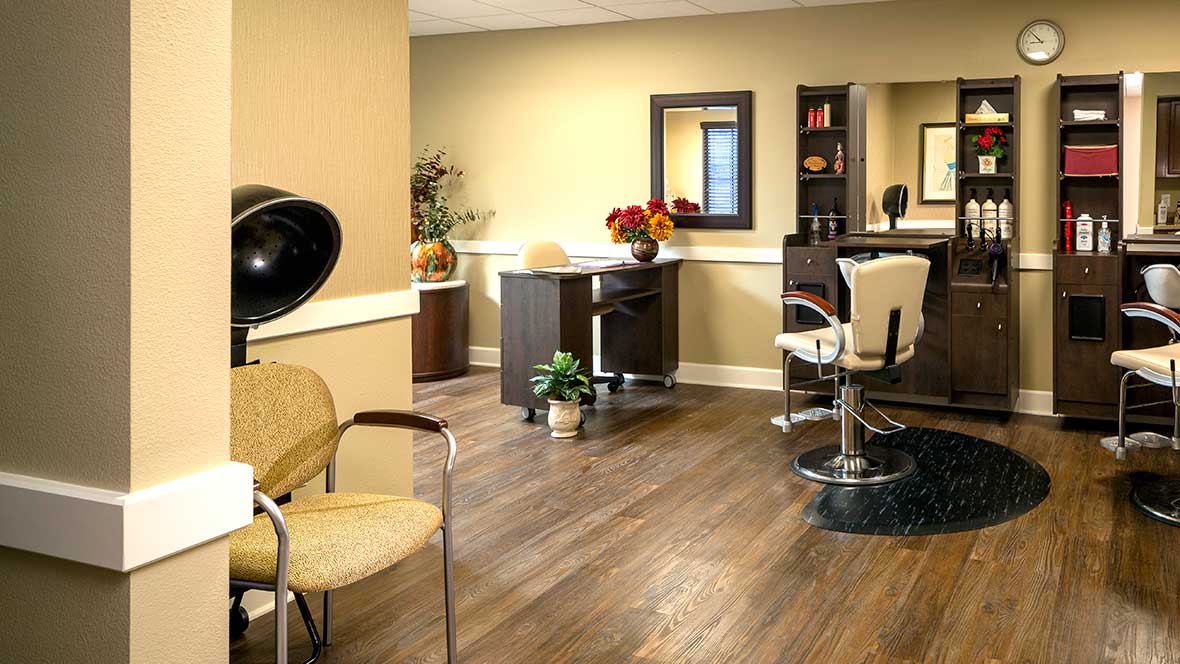
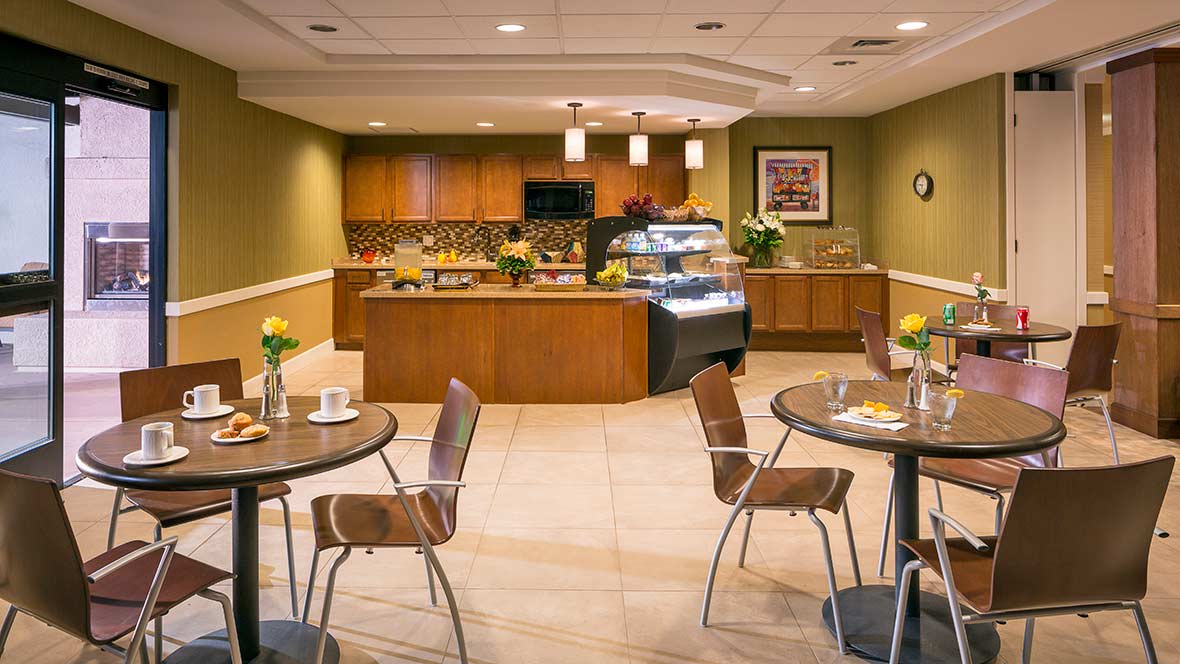
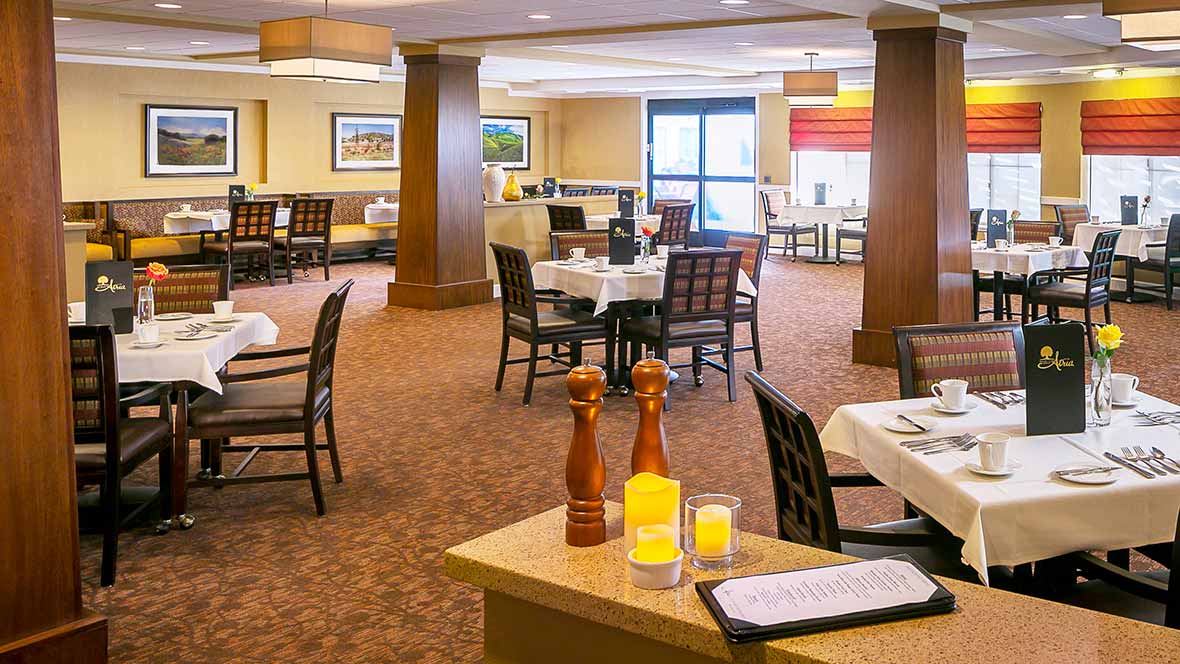
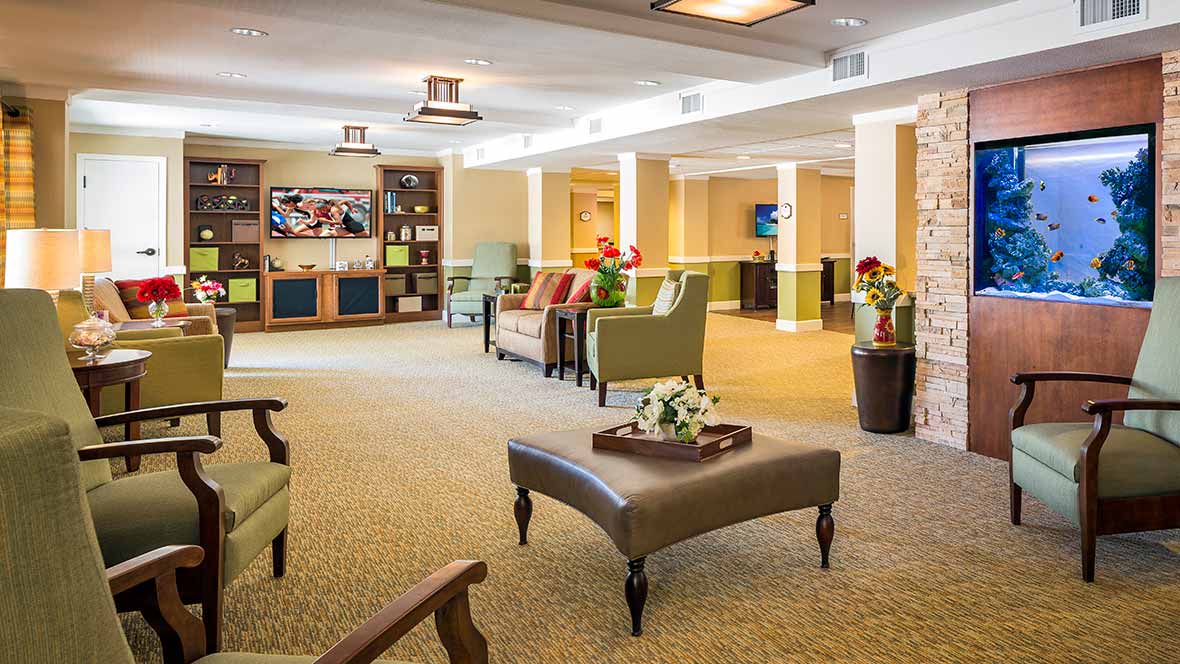
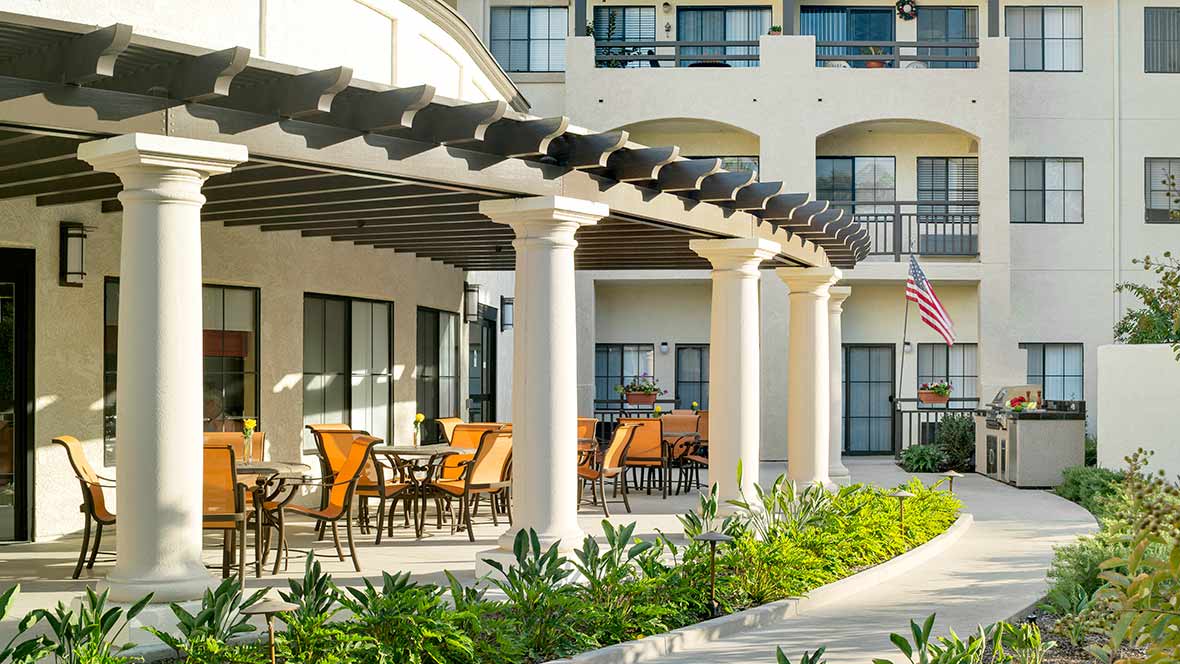
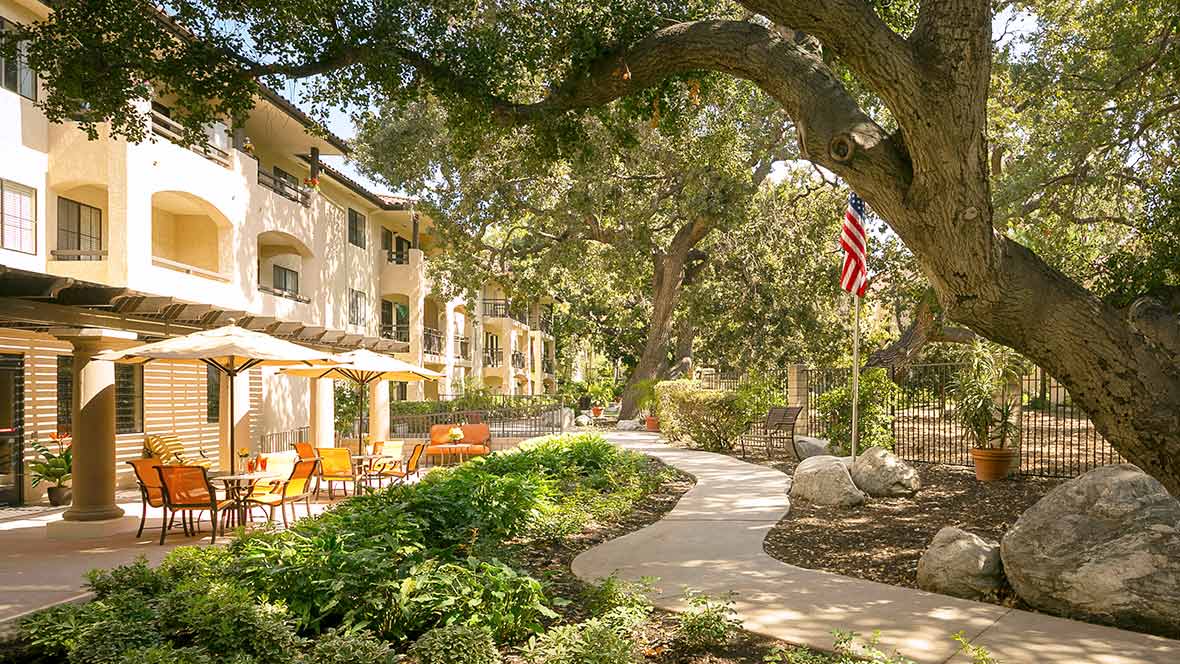
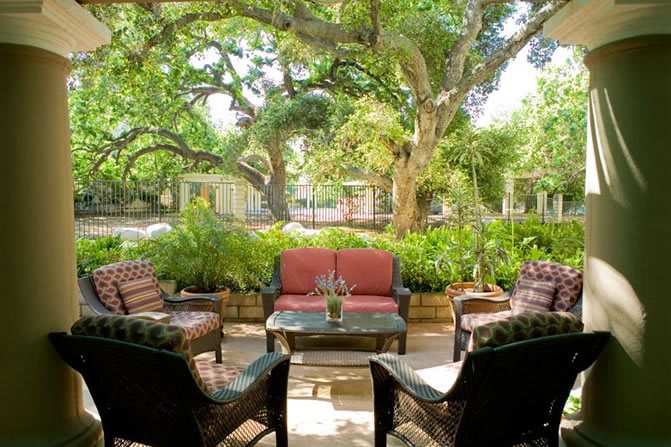
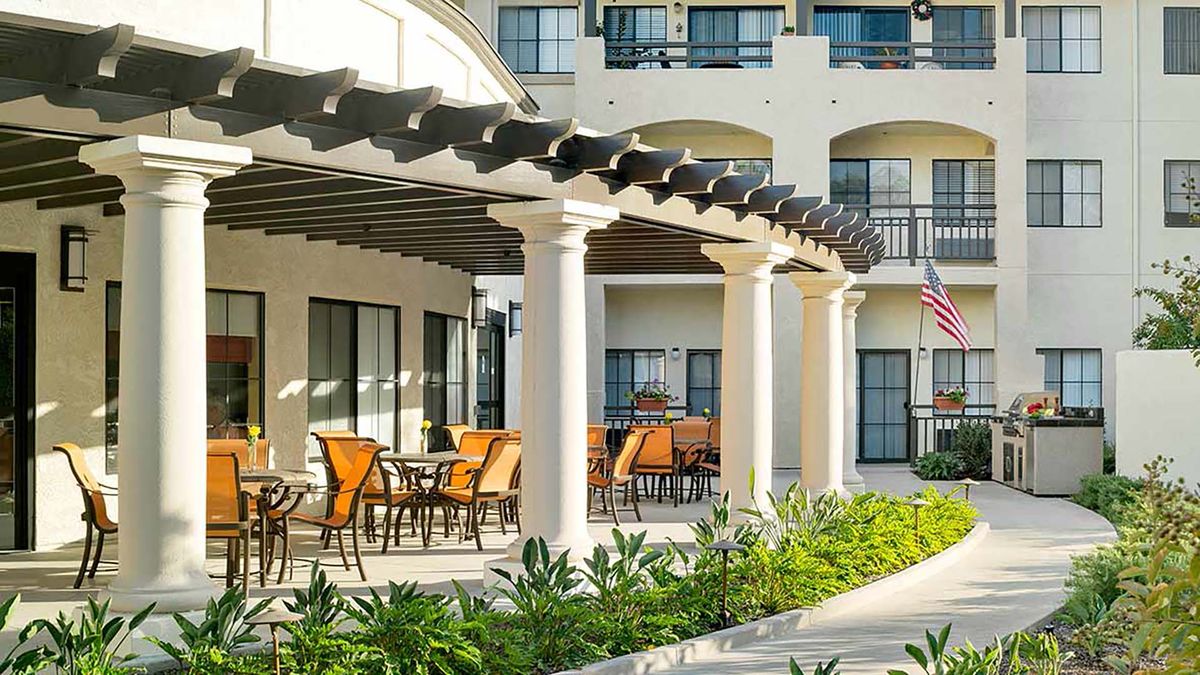
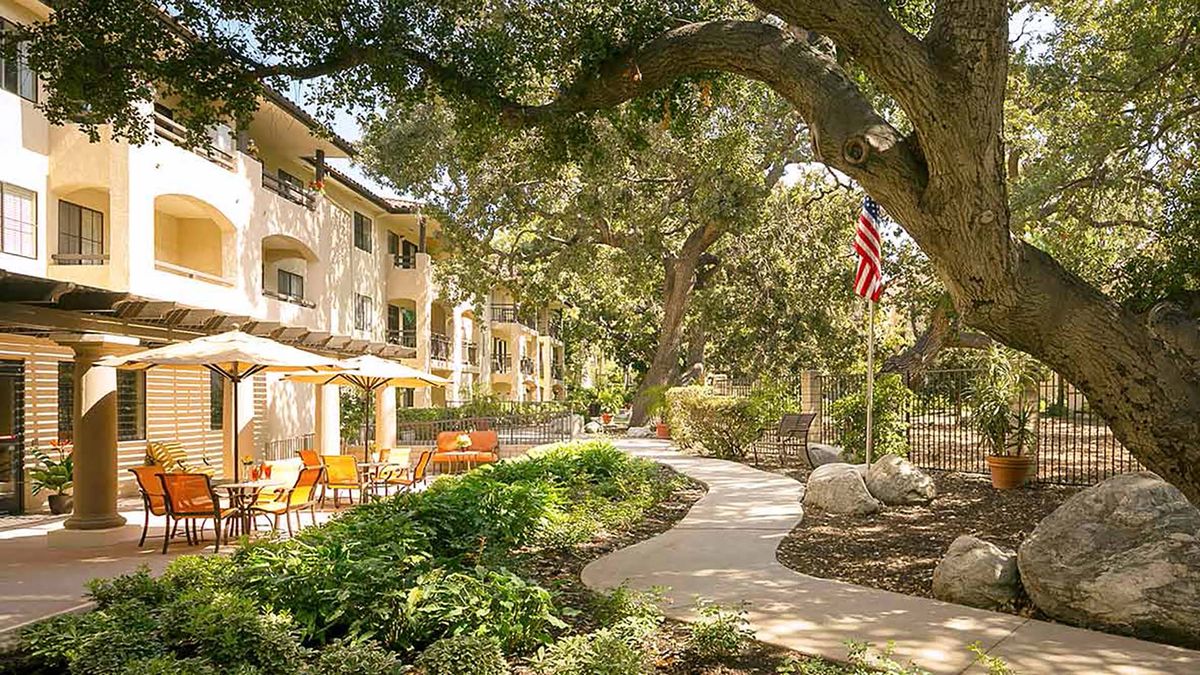
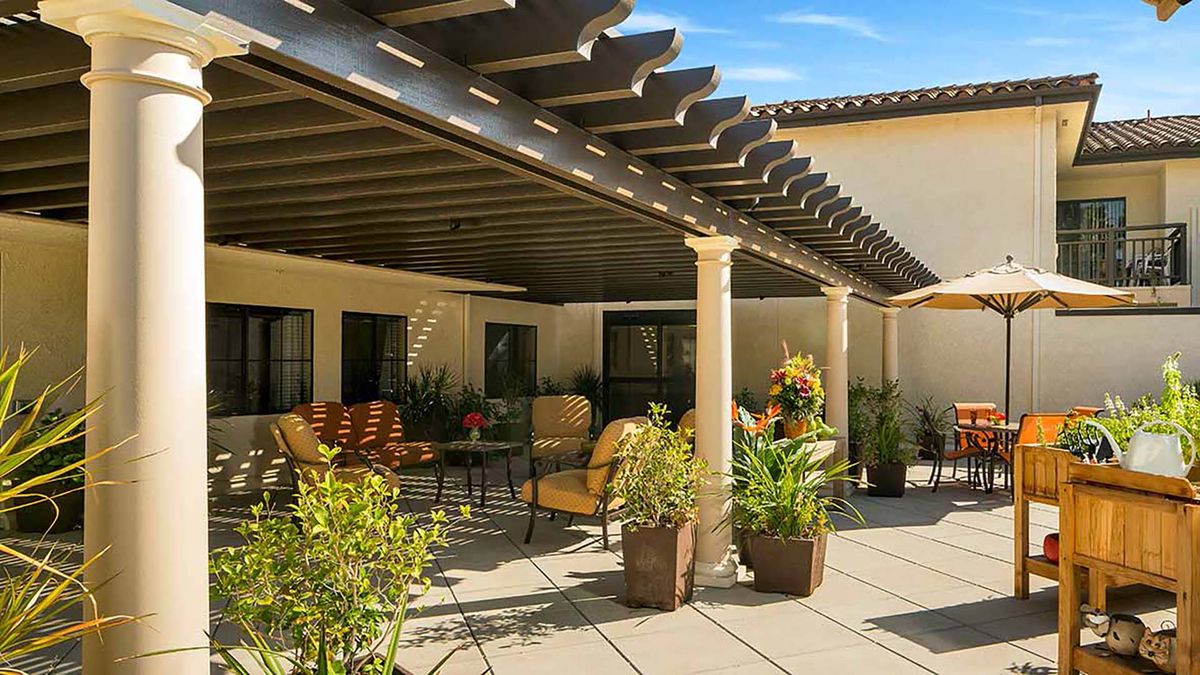
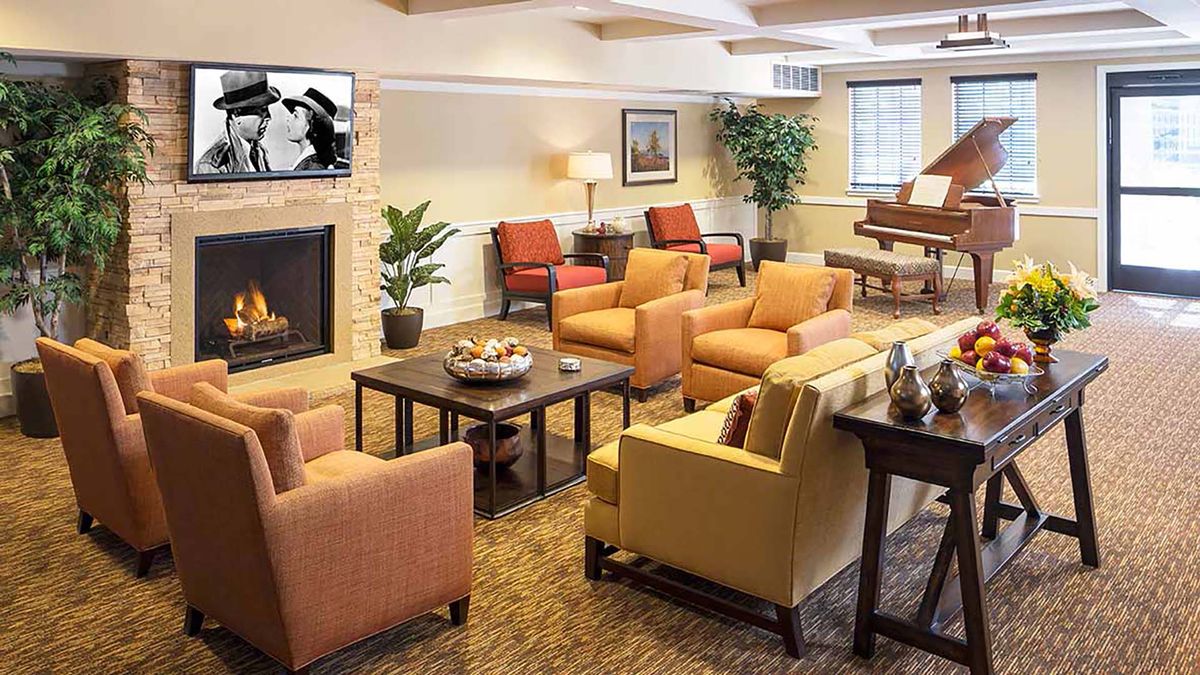
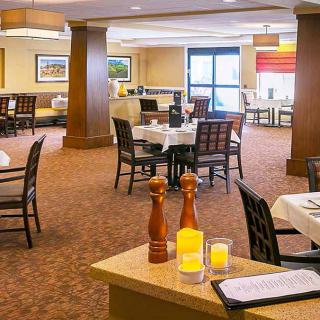
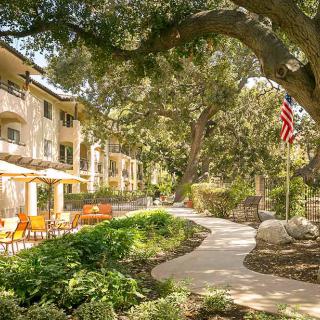
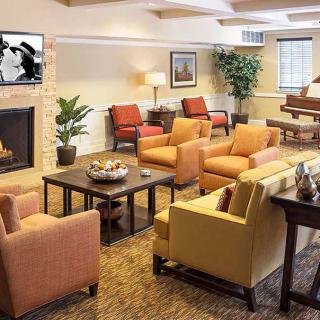
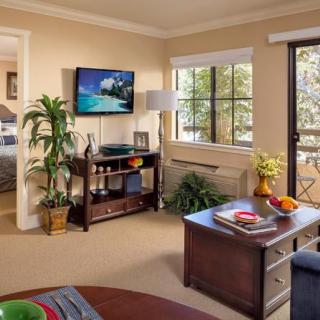
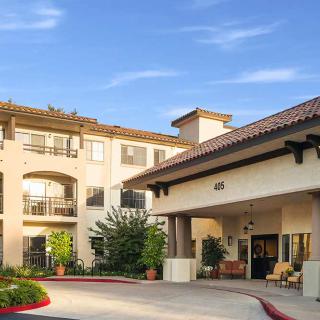
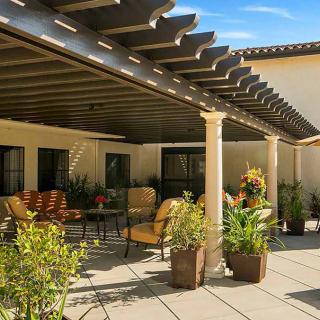
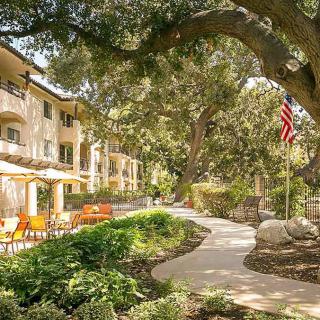
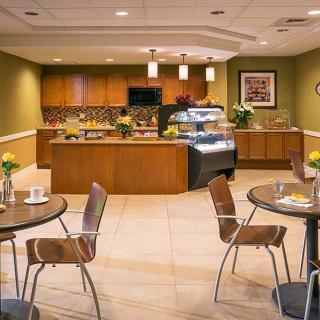
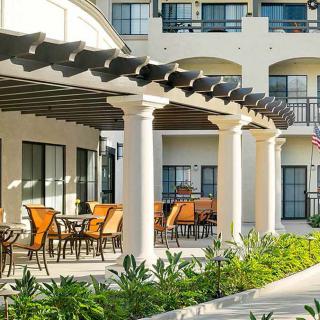
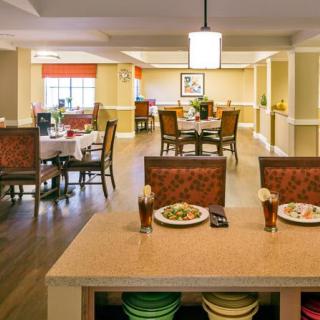
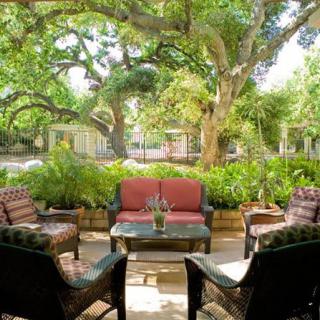
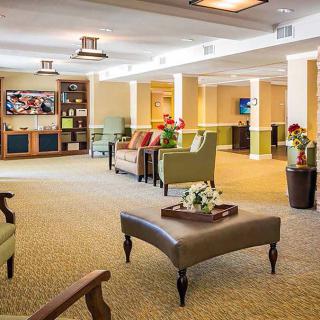
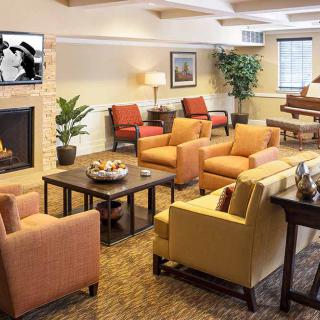
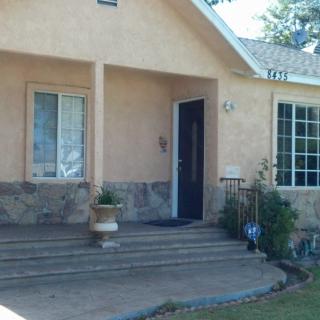
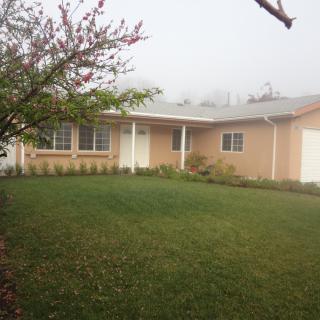
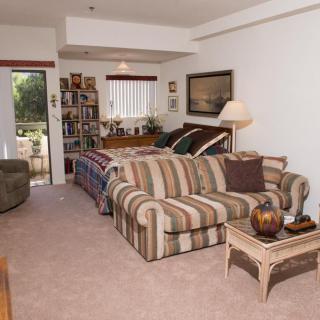
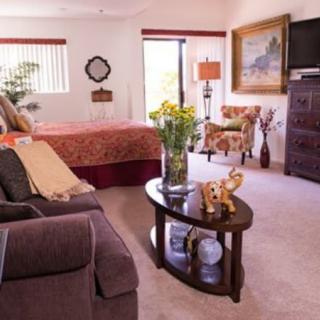
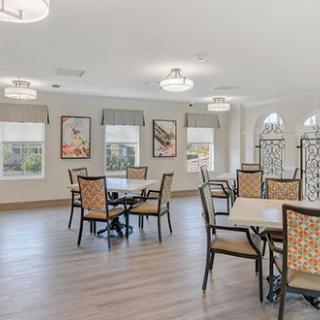
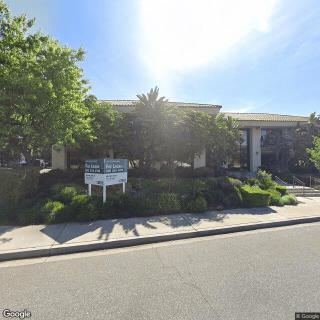
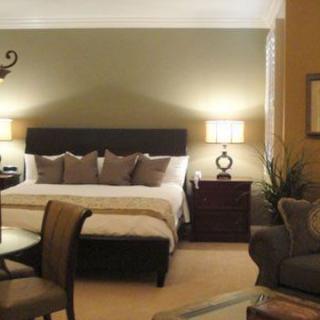
Atria Hillcrest on seniors.fyi includes 36 photos including images showing floor plan, interior, decor, architecture, dining, outdoor seating, bathroom, lighting, and more.
Nearby Communities
Comfort Keepers of Thousand Oaks
Thousand Oaks, CA
5 from 16 reviews
Excellent access to nearby healthcare and amenities.
Conejo Future Apartments
Thousand Oaks, CA
4 from 2 reviews
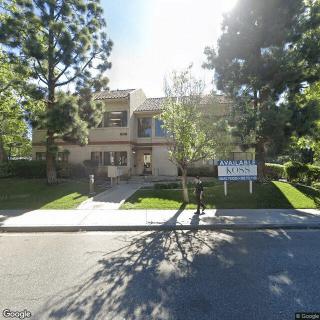
Excellent access to dining, parks, pharmacies, physicians, and hospitals.
Dementia encompasses a range of cognitive impairments characterized by types such as Alzheimer's and vascular dementia, and follows a seven-stage progression model known as the Global Deterioration Scale (GDS), highlighting varying symptoms and decline timelines. Early detection allows for lifestyle adjustments to potentially slow progression, while caregivers need support and resources to manage the challenges involved in caring for affected individuals.
The article presents eight strategies for preserving cognitive health and memory in older adults, emphasizing a nutrient-rich diet, regular exercise, intellectually stimulating activities, adequate sleep, social connections, stress management techniques, limiting harmful substances, and regular medical checkups to mitigate age-related memory decline.
Activities of Daily Living (ADLs) are fundamental tasks vital for an individual's independence, particularly in older adults over 85, and include functions like bathing and dressing; assessing ADLs alongside Instrumental Activities of Daily Living (IADLs) helps determine the level of required assistance due to age-related health challenges. Tailored support plans, involving family and community resources, are essential for maintaining dignity and autonomy in assisted living environments.
Get PricingAsk A QuestionSchedule A TourContact Senior Advisor
By clicking submit, you agree to our Partner's Terms of Use. You
also consent to receive calls and texts, which may be autodialed, from our Partner. Your consent is not a condition to
using our Partner's service. Please visit our Partner's Privacy Policy for information about their privacy practices.

 207 resident community capacity
 1-bedroom apartments
 Assisted Living
 Independent Living
 Memory Care
 Cats allowed
 Dogs allowed
 Activities on-site
 Air-conditioning
 Beautician on-site
 Cable or satellite TV
 Computer center
 Devotional services off-site
 Dining room
 Fitness room
 Full kitchen
 Fully furnished
 Gaming room
 Garden
 Ground floor units
 Guest parking
 Housekeeping services
 Indoor common areas
 Laundry
 Move-in coordination
 Outdoor common areas
 Party space
 Pet friendly
 Private bathrooms
 Respite or short term stays offered
 Restaurant-style dining
 Small library
 Spa
Spa Swimming pool
 Telephone
 Wi-Fi/high-speed internet available
 Oxnard (19 miles away)
 Community operated transportation
 12-16 hour nursing
 24-hour call system
 Ambulatory care
 Assistance with bathing
 Assistance with dressing
 Assistance with transfers
 Diabetes diet
 Hospice waiver
 Incontinence care
 Medication management
 Mental wellness program
 Physical therapy
 Special dietary restrictions
 Transportation arrangement (medical)
 Art classes
 Catholic services
 Concierge services
 Day trips and outings
 Happy hour
 Jewish services
 Live dance or theater performances
 Live musical performances
 English
 Excellent access to nearby healthcare and amenities.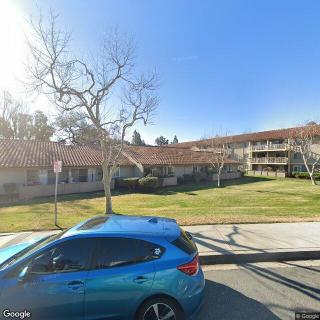
 Understanding Dementia Through Its Seven Stages: A Comprehensive Look at Progression and Expectations
 Safeguarding Your Memory Through the Golden Years: Eight Ways to Preserve Cognitive Health
 Comprehensive Insights into Activities of Daily Living (ADLs) and Their Assessment