
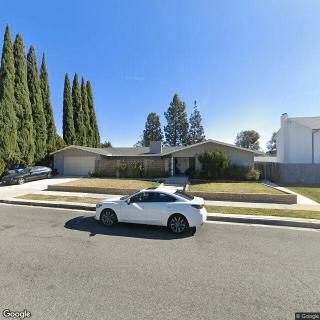
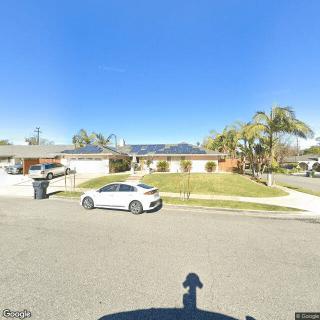
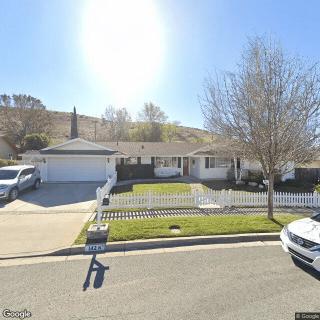
1595 Kirk Avenue, Thousand Oaks, CA 91360
For more information about senior living options: (866) 208-4318
Overall Review of Compassionate Care Residence
Pros
 Thousand Oaks Home Care is described as family-like, loving, caring, giving, and gracious, treating residents as part of their own family.
- Jenny, Jane, Bernard, and Thomas are incredibly loving, caring, and patient with residents, and are like family to their families.
- The owner is loving and compassionate and regularly checks in on all residents.
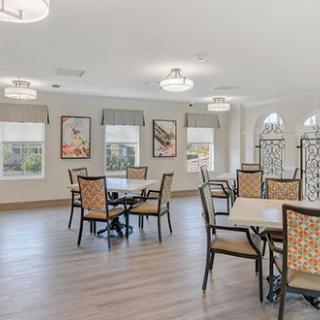
- The home is bright, impeccably clean, and well-kept, with home-cooked meals served daily.
- The staff coordinate care with nurses and doctors, keep current medication lists and vitals, and provide peace of mind to families.
- Bernard and Jenny are outstanding caregivers who form strong, friendly bonds with residents and support families through difficult times.
- Residents receive daily routines, including bathing and grooming, in a warm, welcoming atmosphere with pleasant outdoor spaces.
- The care team is described as a true blessing by families, offering exceptional, family-like care.
Review
This community is best suited for families seeking a small, intimate, home-like setting where caregiving feels like family and every resident is treated with warmth, patience, and personal attention. It works exceptionally well for seniors who want daily rhythms anchored in home-cooked meals, clean and welcoming surroundings, and a staff team that becomes familiar and trusted. For loved ones who need steady but not hospital-like supervision, and who prioritize ongoing interaction, spiritedly kind caregivers, and easy access to family, this is a standout choice. The environment supports dignified living, emotional comfort, and peaceful transitions, especially for those approaching end-of-life care or long-term care with high value placed on relationships.
Those who may want to consider alternatives are families facing higher levels of medical complexity or dementia-specific needs. If 24/7 on-site nursing, orthopedic or wound-centered therapies, or a highly structured memory-care program are nonnegotiable, a larger, more medically integrated facility may be a better fit. For seniors who crave a broader menu of in-house activities, social clubs, or highly specialized rehabilitation services, the intimate scale here may feel limiting. In short, when medical acuity rises or when dementia care requires highly targeted programs, exploring other options helps ensure expectations align with services available on-site or nearby.
The strongest pros center on genuine caregiving devotion and the homelike atmosphere. Staff members are described as loving, patient, and relentlessly attentive, turning everyday moments into meaningful interactions. The care team’s consistency, supported by regular owner involvement, builds trust and a sense of ongoing family presence. Residents enjoy three well-prepared daily meals, a bright, clean environment, and a back yard that invites calm and socializing. The routine, getting up, dressed, and ready with steady meals and structured days, contributes to a sense of normalcy and purpose. Crucially, the facility coordinates with visiting nurses and hospice teams to manage medications and medical appointments, preserving continuity without turning the home into a clinical setting.
Yet these strengths do not erase potential drawbacks. The model relies on external healthcare professionals for most medical needs rather than on-site round-the-clock nursing, which can be a mismatch for residents whose conditions shift rapidly or require frequent hands-on medical care. The intimate size, while comforting, may also translate to fewer on-site specialists, fewer simultaneous activity options, and a narrower array of therapeutic services than larger campuses. Families should weigh whether the available social opportunities and medical coverage align with current and anticipated needs, especially if memory care or intensive rehabilitation services become necessary.
Where the positives sharply offset the negatives is in the emotional security and practical peace of mind they deliver to families. The environment feels like a true home, not a corridor-laden institution, and caregivers’ devotion translates into fewer worries about neglect or isolation. The accessibility of the owner, the daily warmth from staff, and the evident pride in a clean, livable space make it easier for families to visit without stress, to participate in care, and to observe dignity preserved in daily routines. When medical oversight is provided through trusted visiting nurses and hospice coordination, families gain assurance that loved ones receive appropriate support without surrendering the comfort and intimacy of a home setting.
For families evaluating a move, the decision hinges on aligning needs with the facility’s model. If the priority is unwavering compassion, personalized attention, and a clean, cheerful home environment, this community delivers with exceptional clarity. If the priority is robust on-site medical staffing, dementia-specific programming, or a wide slate of in-house therapies, it pays to compare alternatives carefully. In practice, this residence shines for seniors who value family-scale care, where caregivers become integral with the family’s story and where end-of-life or long-term care is managed with tenderness, mindfulness, and coordinated support from visiting professionals.
 6 resident community capacity
 Assisted Living
 Board and Care Home
 Cable or satellite TV
 Dining room
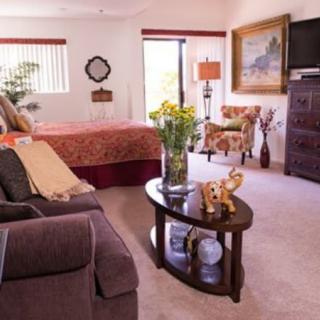
 Fully furnished
 Garden
 Housekeeping services
 Move-in coordination
 Outdoor space
 Telephone
 Wi-Fi/high-speed internet available
 Oxnard (19 miles away)
 24-hour supervision
 Activities of daily living assistance
 Assistance with bathing
 Assistance with dressing
 Assistance with transfers
 Diabetes diet
 Meal preparation and service
 Medication management
 Special dietary restrictions
 Transportation arrangement (medical)
 Transportation to doctors appointments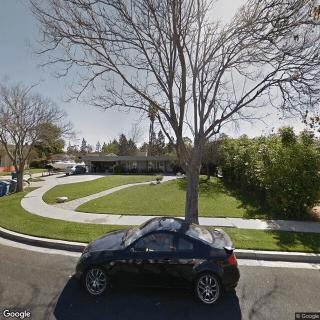


 Comprehensive Insights into Activities of Daily Living (ADLs) and Their Assessment
 Medicare Coverage for Assisted Living: An In-Depth Exploration
 Choosing the Right Senior Care: A Detailed Exploration of Assisted Living and Nursing Homes