
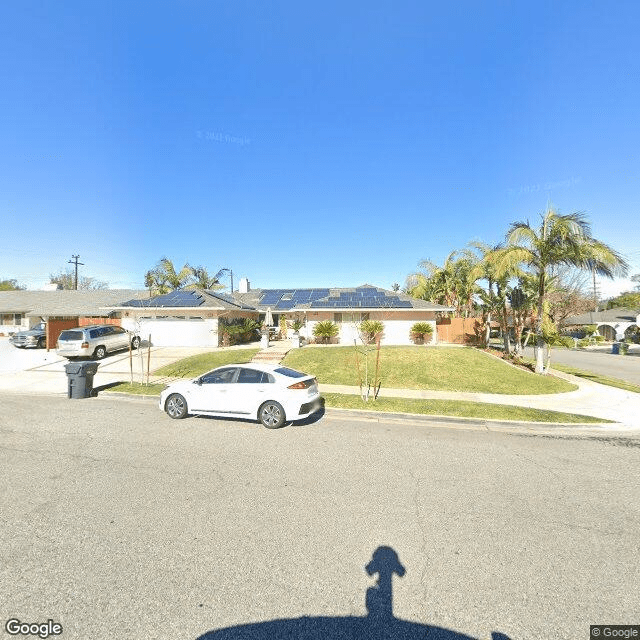
451 Columbia Road, Thousand Oaks, CA 91360
For more information about senior living options: (866) 208-4318
Thousand Oaks Home Care VI Costs & Pricing
Thousand Oaks Home Care VI offers competitive pricing for its services, with costs that align closely with regional and state averages. For a semi-private room, residents can expect to pay $3,000 per month, which is notably lower than the Ventura County average of $3,438 and slightly below California's average of $3,333. In terms of private accommodations, Thousand Oaks Home Care VI charges $4,000 monthly; this price is on par with the county average of $4,082 but exceeds the state average of $3,939. Overall, Thousand Oaks Home Care VI reflects a commitment to providing affordable options within a supportive environment while maintaining quality care.
| Floor plans | Thousand Oaks Home Care VI | Ventura County | California |
|---|---|---|---|
| Semi-Private | $3,000 | $3,438 | $3,333 |
| Private | $4,000 | $4,082 | $3,939 |
Assisted Living communities with a similar price nearby
-
from -$250 / mo
Dignity Care Home 1
$2,750 to $4,150 / month21.9 miles away -
About the same
Thousand Oaks Home Care IV
$3,000 to $4,000 / month0.3 miles away -
About the same
Thousand Oaks Home Care II
$3,000 to $4,000 / month0.4 miles away -
from +$500 / mo

California Senior Of Sherman Oaks
$3,500 to $4,000 / month23.8 miles away -
About the same
Navita Residence Edgemont Drive
$3,000 / month10.4 miles away
Overall Review of Thousand Oaks Home Care VI
Pros
 Thousand Oaks Home Care is described as loving, caring, giving, and gracious, treating residents as family.
- Bernard and Jenny are portrayed as the most caring, compassionate, and patient caregivers.
- The home is consistently clean, bright, and well maintained, with home-cooked meals daily.
- The staff welcome visitors warmly and create a family-like atmosphere.
- The owner is described as loving, compassionate, and regularly visiting residents.
- The care provides peace of mind, with diligent medication management and coordination with doctors.
- Families report that their loved ones are deeply cared for, cherished, and leave a lasting positive impact.
Cons
 They weren't sure if it was the right place for mom's needs.
Review
This community is best suited for seniors who thrive in an intimate, home‑like setting where a small, consistently present caregiving team delivers daily assistance, meals, and companionship as part of a family atmosphere. It excels for families that want hands‑on involvement from caregivers who treat residents as if they were their own relatives, and for those who value a warm, non‑institutional environment over a larger, more clinical campus.
Those considering alternatives should weigh the needs of loved ones who require extensive medical oversight or specialized memory‑care programming. If 24/7 skilled nursing, complex wound care, or highly structured dementia programming are essential, a larger assisted living or dedicated memory‑care community may be a better fit. For residents who insist on a broad slate of on‑site activities, expansive social programming, or easy access to hospital facilities, a bigger campus with more resources could outperform a small, home‑based operation.
The strongest pros, exceptional warmth from Bernard and Jenny, and a genuine, family‑style approach, are the core reason this option feels right for many families. The homes are consistently described as clean, bright, and well‑maintained, with home‑cooked meals and a routine that keeps residents engaged and presentable throughout the day. Caregivers carry out daily tasks with meticulous attention, from bathing to medication oversight, and they coordinate with visiting nurses and physicians to ensure medical needs are met. The personal connections extend beyond routine care: families report that staff show up with tenderness during life’s milestones, including end‑of‑life moments, creating a sense of peace that larger facilities often cannot match. This depth of relationship and reliability frequently offsets the absence of a formal clinical footprint.
From the narratives, the human elements, watchful eyes on medications, proactive scheduling of appointments, and constant reassurance, cover a great deal of potential gaps. The owner’s frequent presence reinforces accountability and a sense of continuity that many families crave. The ability to stay close to loved ones through daily meals, shared conversations, and in‑home hospice collaboration strengthens the overall care plan. These attributes translate into real, measurable comfort: families feel in control, residents feel well‑cared for, and transitions, whether to a better‑titting daily rhythm or to the inevitable final days, unfold with dignity and familiarity.
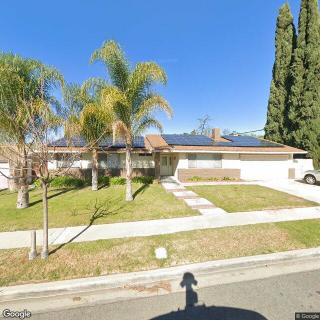
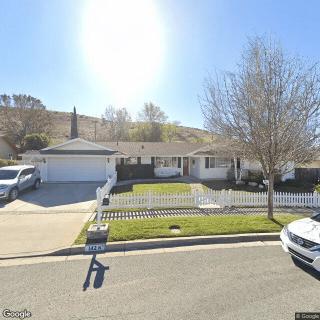
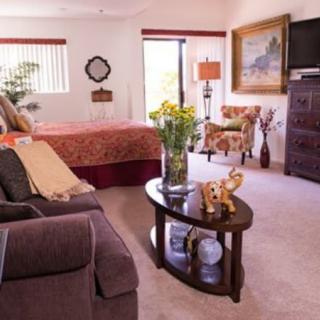
The living environments themselves reinforce the care philosophy. Homes are described as six‑bedroom settings with pleasant outdoor spaces, where daily routines are not outsourced to hired staff alone but integrated into a domestic rhythm, breakfast at the table, meals shared together, and caregivers who know who prefers quiet mornings versus afternoon activities. Cleanliness and dress are emphasized, and family members repeatedly note how well their loved ones are presented and how well their medical regimens are managed within the day‑to‑day flow. This combination of spatial comfort and consistent caregiving creates a reliable home away from home that can be harder to achieve in larger communities.
For decision makers, the verdict is practical and direct: this option delivers exceptional, personalized care in a markedly intimate setting, making it ideal for families who prioritize constant caregiver presence, emotional warmth, and meticulous day‑to‑day management of medications and routines. If the priority shifts toward deeper clinical supervision, memory‑care specialization, or broader activity programming, alternatives with larger staff teams and more on‑site medical resources should be explored. Prospective families should arrange site visits, ask about resident–staff ratios, request an outline of daily schedules, and verify how medical appointments and hospice coordination are documented and shared with families. The right choice aligns with a love‑and‑care philosophy that treats the resident as family, while recognizing the practical limits of a small, home‑style setting.
 6 resident community capacity
 Assisted Living
 Board and Care Home
 Cable or satellite TV
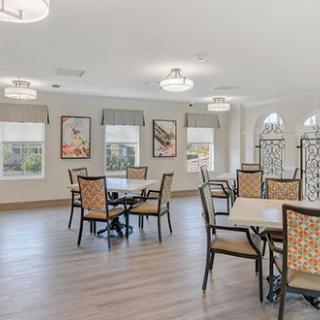
 Dining room
 Fully furnished
 Garden
 Housekeeping services
 Move-in coordination
 Outdoor space
 Private
 Telephone
 Wi-Fi/high-speed internet available
 Oxnard (19 miles away)
 24-hour supervision
 Activities of daily living assistance
 Assistance with bathing
 Assistance with dressing
 Assistance with transfers
 Diabetes diet
 Meal preparation and service
 Medication management
 Special dietary restrictions
 Transportation arrangement (medical)
 Transportation to doctors appointments

 Social Security Benefits and Assisted Living: Navigating Options Across the U.S.
 An Extensive Exploration of the VA Aid and Attendance Benefit
 Senior Transition Services: Understanding Their Role, Cost, and Importance