

142 W Columbia Road, Thousand Oaks, CA 91360
To contact a resident: (818) 422-7667
For more information about senior living options: (866) 208-4318
The Norma J Home for the Elderly Costs & Pricing
The Norma J Home for the Elderly offers a private room at a monthly cost of $5,500, which notably exceeds both the average costs in Ventura County and the broader state of California. In Ventura County, the average cost for similar accommodations hovers around $4,082, while across California, it is approximately $3,939. This pricing reflects not only the specialized services and quality of care provided at The Norma J Home but also highlights its position as a premium option within a competitive market. Families considering this facility can expect to invest more for enhanced levels of comfort and support tailored to meet their loved ones' needs.
| Floor plans | The Norma J Home for the Elderly | Ventura County | California |
|---|---|---|---|
| Private | $5,500 | $4,082 | $3,939 |
Senior living communities with a similar price nearby
-
from -$835 / mo

Tender Home Care, Inc. - Camarillo
$4,665 / month9.7 miles away -
About the same
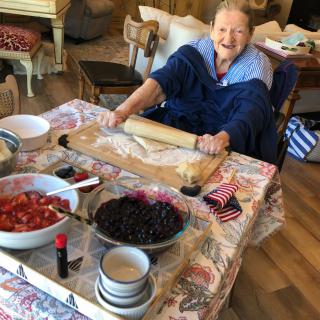
Blue Skies Ranch
$5,500 / month18.1 miles away -
from +$1000 / mo
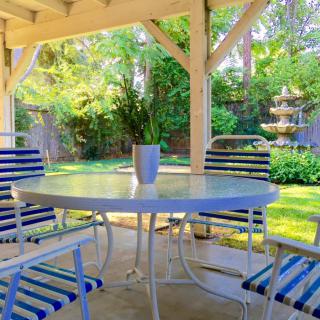
The Kentland House
$6,500 to $7,000 / month14.7 miles away -
from -$1000 / mo
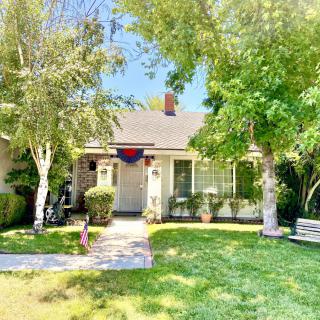
Castlemere Senior Home
$4,500 to $5,500 / month22.7 miles away -
from -$500 / mo

A Caring Touch Board and Care
$5,000 / month17.6 miles away
Overall Review of The Norma J Home for the Elderly
Pros
 The facility is very clean, beautiful, and its staff is attentive.
- The location is good and it is a newer facility.
- The house is immaculate and smells clean.
- The owner is well-regarded and meticulous.
- They organize Christmas events with seniors and are proactive.
- They cook meals for the residents.
- This location was a better fit for a loved one compared to other places.
Cons
 The reviewer states that the owner is a wolf in sheep's clothing and cannot be trusted with an elderly vulnerable person.
- The reviewer describes the experience as very bad and accuses the owner of lying.
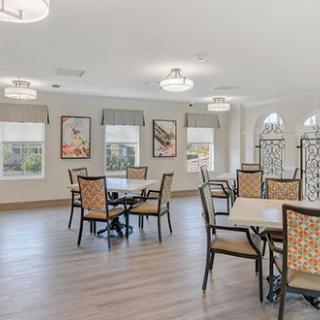
- The facility is described as very small inside with little room to maneuver.
- The TV area is small, and residents are not very alert according to one reviewer.
- One reviewer was deterred after seeing a man propped up in a chair on a breathing machine.
- The reviewer felt the place would not be a good fit for someone who is younger and more active, indicating a desire for more active residents.
Review
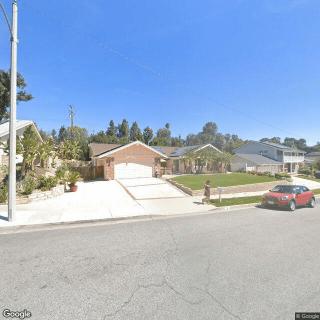
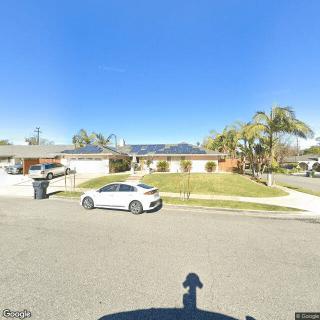
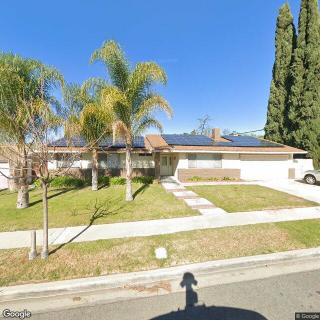
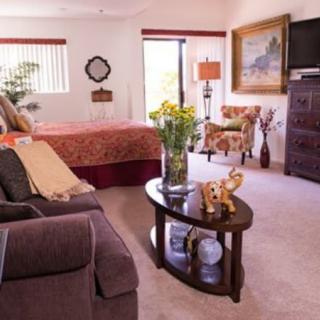
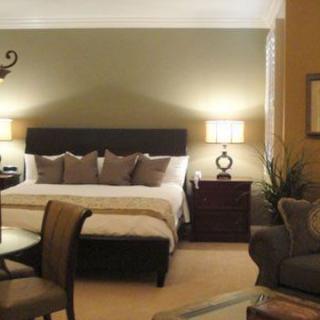
The Norma J Home for the Elderly in Thousand Oaks is best suited for families seeking a tidy, home-like, smaller-scale assisted living option. It appeals to residents and families who prize cleanliness, a non-institutional atmosphere, and attentive staffing in a newer, well-kept environment. The facility’s location, proactive engagement with residents, and on-site meal preparation make it a practical choice for seniors who do not require intensive medical oversight but still want reliable daily support in a calm, intimate setting. Those who want a “built-for-flatter-intrusive” vibe, where staff can form familiar routines with residents, will likely feel most comfortable here.
However, several caveats warrant careful consideration. Families who prioritize transparency, consistent governance, and clear, verifiable trust in the leadership should look elsewhere or insist on detailed conversations and references before committing. One reviewer warned of exploitable management dynamics, signaling that trust and accountability must be directly verified. If a preference exists for a larger community with more social bustle, expansive common areas, or robust medical oversight, alternatives may prove a better fit. In short, this community works best for those who value a quiet, nurturing, home-style setting and are comfortable probing the owner’s practices before selection.
The strongest positives, cleanliness, a warm, updated interior, and attentive staff, form a solid offset to the more nuanced drawbacks. A new facility with meticulous housekeeping can translate into fewer night-time housekeeping frustrations and a more predictable daily rhythm. Proactive engagement, including organized activities and on-site meal preparation, helps residents stay connected and feel cared for without the institutional feel some families fear. The compact footprint, while limiting in square footage, supports a more controllable environment where staff can know residents well and respond quickly. A knowledgeable caregiver on site who understands basic care needs adds credibility and can be a meaningful comfort for families seeking reliable day-to-day support.
On the downside, interior space is limited, which translates into tighter common areas and less room to maneuver for residents needing aids or wheelchairs. A smaller TV or lounge area can curtail spontaneous socializing, and at least one review described residents as not being particularly alert, a factor that raises questions about activity levels, cognitive engagement, and the adequacy of stimulation for some seniors. These space and engagement constraints do not automatically negate quality care, but they do adjust expectations: the setting may feel more like a private home than a bustling community, which matters for families seeking a more active social calendar or larger communal spaces.
The opposing views about the owner underscore a fundamental truth: trust, transparency, and consistent governance are non-negotiable in long-term care. One review praises meticulous, proactive leadership; another casts the owner as untrustworthy. That conflict makes it essential for prospective families to conduct face-to-face conversations, demand clear policies, and verify references before deciding. Ask pointed questions about staffing patterns, incident handling, resident rights, and grievance procedures; request a detailed tour that includes meeting caregivers, observing meal service, and noting how residents are engaged throughout the day. If any responses feel evasive or inconsistent, those signals deserve serious weight.
In the end, the decision hinges on matching the setting to the senior’s needs and the family’s tolerance for trade-offs. The Norma J Home for the Elderly offers a clean, comfortable, and well-organized environment with attentive staff and meaningful programming in a smaller, intimate footprint. It is a compelling option for families prioritizing predictability, personal attention, and a home-like atmosphere over expansive amenities or high-energy social life. Those who require more space, a broader activity slate, or unwavering, verifiable transparency from leadership should consider alternatives and use a structured comparison to guide the choice. Ultimately, the best judgment comes from direct engagement: tour, ask hard questions, review references, and size up whether the daily experience aligns with the senior’s temperament and care needs.
 Board and Care Home
 Cats allowed
 Dogs allowed
 Bath tubs
 Private
 Private bathrooms
 Swimming pool / hot tub
 Wheelchair accessible showers
 Oxnard (19 miles away)
 Ambulatory care
 Diabetic care
 High acuity care
 Incontinence care
 Kosher
 Supportive Employee Benefits That Help Caregivers Attain Better Work-Life Harmony
 Top Cars for Senior Drivers and Essential Safety Innovations
 A Closer Look at Private Pay Home Care