
199 Janss Road, Thousand Oaks, CA 91360
For more information about senior living options: (866) 208-4318
Overall Review of Our Home Thousand Oaks
Pros
 The homes are very impressive, well built, with beautiful finishes.
- They love it.
- It is a cool place to live.
- The grounds and the backyard are quite nice.
- The home has built-in ramps for residents who can't negotiate steps, enabling wheelchair access.
Cons
 They felt pressured during the visit.
- They had a deposit taken a month in advance without any paperwork or a receipt and could not get it back after changing plans.
- The owner (RN) talked badly about a current resident, which they found unprofessional.
- They found the price to be high.
- The salesperson gave a sales pitch and did not ask about their needs.
- They viewed everything besides the grounds as basic and not noteworthy.
- The staff did not seem particularly helpful regarding their stepmother's condition.
- They were unhappy with two caregivers who covered for the husband-and-wife team.
Review
Our Home Thousand Oaks serves best families seeking a compact, home‑like board‑and‑care setting in Thousand Oaks where aesthetic appeal and accessible design matter most. It fits seniors who want a warm, intimate environment and who can manage with light to moderate care provided by a husband‑and‑wife team. The model relies on a small staff and a family‑like routine, rather than the resources of a larger assisted‑living campus. If independence is still strong but mobility is a factor, the built‑in ramps and well‑kept grounds are tangible advantages. Those seeking clinical, highly professionalized care or robust, transparent business practices may want to look elsewhere.
However, several signs point toward alternatives for families prioritizing financial predictability, consistent staffing, and professional oversight. The price tag is steep, and a deposit dispute suggests fragile trust: money was taken without paperwork or receipts, and a refund was withheld after a family’s circumstances changed. If deposit handling, clear documentation, and proactive communication are non‑negotiable, or if legal assurances are desired, another facility with transparent policies and a robust grievance process may be a safer match. Larger, non‑profit, or well‑rated local options can offer steadier expectations.
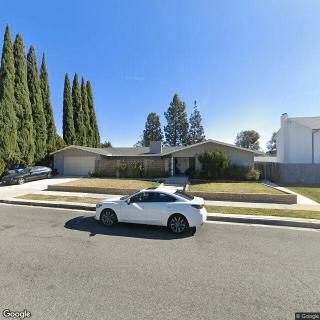
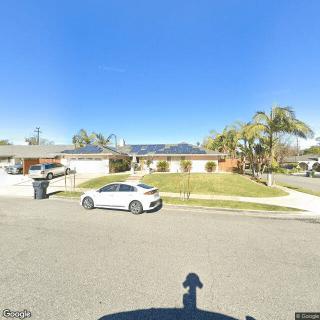
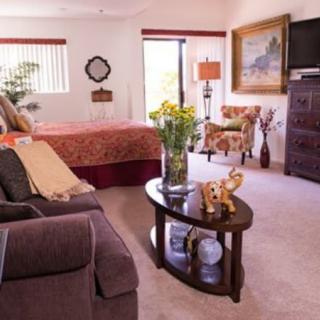
On the plus side, the property reads as high quality, with impressive homes and thoughtful finishes that create a pleasant living environment. The built‑in ramps facilitate wheelchairs and walkers, reducing daily barriers, and the setting feels calm and homey. For residents who prefer a small caregiving team and a family‑run atmosphere, this model can deliver personalized attention within a comfortable, less clinical framework.
Yet the negatives loom larger for families weighing safety, reliability, and value. The pricing is steep for a board‑and‑care operation, and a cited deposit dispute undermines trust. An observation that the owner, an RN, spoke unfavorably about a resident raises concerns about professionalism and resident respect. Other comments point to inconsistent staff helpfulness and gaps in coverage, with two caregivers supplementing the owners rather than providing a consistently strong team. Taken together, these issues threaten continuity of care and a predictable routine, which are essential in elder care decisions.
Pros do not fully compensate for these drawbacks. The aesthetic and accessible environment improves day‑to‑day comfort, but the core question is whether the care team meets needs consistently and whether business practices protect families from abrupt financial loss. The intimate setup can work when staff remains reliable and transparent; however, the reported experiences of pressure, lack of documentation, and uneven caregiver quality undermine the trust required for long‑term placement. In practical terms, this community may serve as a stopgap or a choice for those prioritizing ambiance over formalized care standards.
Proceed with due diligence before any commitment. Request a written deposit policy, receipts, and a clear refund process; demand a comprehensive written care plan and schedule; speak with multiple staff and residents or families to gauge consistency; ask for a trial stay or a formal agreement with termination terms. Compare cost structures with other Thousand Oaks options that offer transparent pricing and stable staffing. If this community is pursued, insist on a professional tone from leadership, a documented code of conduct, and a plan addressing any future end‑of‑life or transition needs. For the right family, the combination of home‑like comfort and accessible design can work; for others, a different setting will likely deliver greater peace of mind.
 6 resident community capacity
 Assisted Living
 Board and Care Home
 Cable or satellite TV
 Dining room
 Fully furnished
 Garden
 Housekeeping services
 Move-in coordination
 Outdoor space
 Telephone
 Wi-Fi/high-speed internet available
 Oxnard (19 miles away)
 24-hour supervision
 Activities of daily living assistance
 Assistance with bathing
 Assistance with dressing
 Assistance with transfers
 Diabetes diet
 Meal preparation and service
 Medication management
 Special dietary restrictions
 Transportation arrangement (medical)
 Transportation to doctors appointments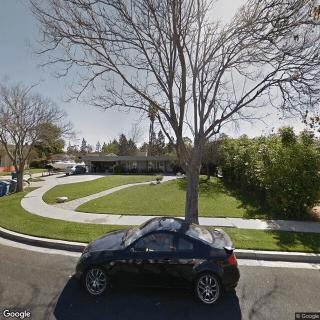



 Social Security Benefits and Assisted Living: Navigating Options Across the U.S.
 An Extensive Exploration of the VA Aid and Attendance Benefit
 Senior Transition Services: Understanding Their Role, Cost, and Importance