
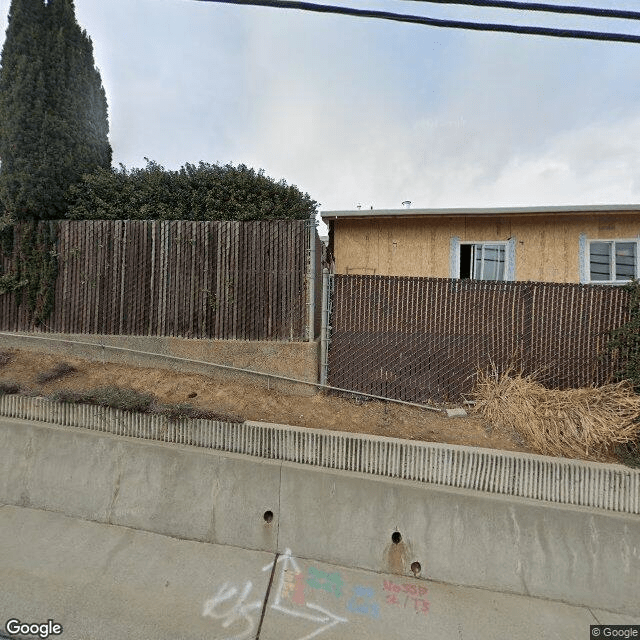
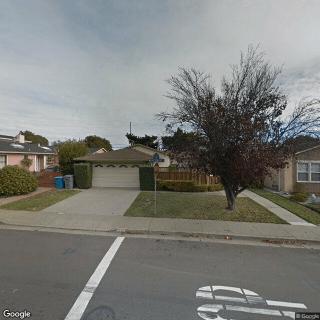
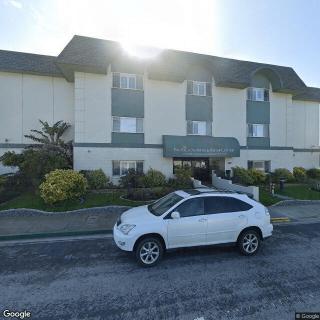
340 Alta Vista Drive, South San Francisco, CA 94080
For more information about senior living options: (866) 208-4318
Joyful Chapter Costs & Pricing
At Joyful Chapter, the cost of care reflects a commitment to quality services tailored to individual needs. For a semi-private room, residents can expect to spend $3,900 per month, which is slightly higher than the average in San Mateo County at $3,830 but still competitive when compared to California's overall average of $3,333. When it comes to one-bedroom accommodations, the monthly rate at Joyful Chapter is set at $5,000. This figure is notably lower than the county average of $5,821 yet surpasses the state's general average of $4,340. Overall, Joyful Chapter offers an appealing blend of affordability and premium service within its regional context.
| Floor plans | Joyful Chapter | San Mateo County | California |
|---|---|---|---|
| Semi-Private | $3,900 | $3,830 | $3,333 |
| 1 Bedroom | $5,000 | $5,821 | $4,340 |
Assisted Living communities with a similar price nearby
-
from -$705 / mo
Harbor Bay Assisted Living
$3,195 to $5,000 / month12.4 miles away -
About the same
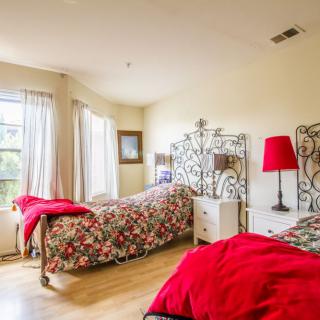
Golden Age Of Channing Way
$4,000 to $5,000 / month12.5 miles away -
from -$400 / mo
Blossom Garden Senior Home
$3,500 to $4,800 / month18.4 miles away -
from -$400 / mo
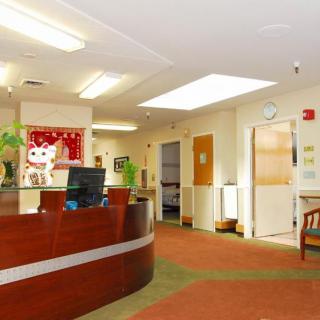
East Bay Assisted Living
$3,500 to $5,000 / month15.5 miles away -
from +$600 / mo
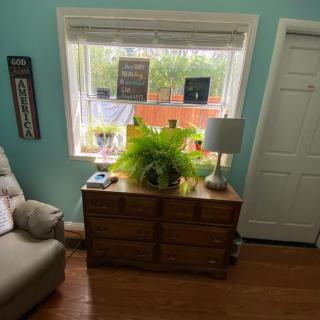
Lafayette Gardens
$4,500 to $5,000 / month24.5 miles away
Overall Review of Joyful Chapter
Pros
 The staff are friendly.
- Joyful Chapter is working out just fine.
- Residents enjoy Joyful Chapter.
- The facility has Cantonese- and Mandarin-speaking staff.
- The place is clean, organized, and has ample staff to support residents' needs.
- The facility has a great location.
Cons
 Most aspects do not parallel the high price charged.
- The food is substandard.
- The routine is odd.
- The staff are friendly but not medically trained.
- They are workers but not qualified senior caregivers.
- Residents do not appear happy.
- The room setup was not to their liking.
- The cleanliness was only fair.
- The fee for a shared room is very expensive.
- They were waiting for a return call about negotiating the fee for care.
Review
Joyful Chapter in South San Francisco is best suited for Cantonese- or Mandarin-speaking seniors who want a compact, language-friendly setting. The community houses roughly 24 residents on a single floor, creating a predictable routine and easier oversight. Language and culture are central: staff communicate in Chinese, and dining reflects familiar options. For families prioritizing proximity to home, a low-distraction environment, and relationships that can form quickly among a small group, this facility delivers practical reliability without the bustle of a large campus.
This setting is not for families needing intensive clinical staffing or broad social programming. Reviews describe staff as friendly but not medically trained, and the small footprint can limit rapid escalation of medical needs. Pricing is a red flag: shared-room rates are cited as very expensive, with negotiability unclear. Those seeking diverse dietary options, a non-Chinese resident mix, or a more expansive activity calendar should consider alternatives in the Bay Area that offer greater clinical coverage and flexibility.
This small size and focused culture bring meaningful advantages. An intimate footprint often means more attentive care for routine tasks, and tours consistently label the facility as clean and organized with adequate staffing for day-to-day needs. Hospice care is available, which matters for families planning end-of-life support within a familiar language and cultural frame. For residents who crave quiet consistency and language-concordant staff, the benefits can outweigh the price, especially when care needs are moderate and independence remains comfortable within a supervised setting.
Yet the drawbacks are real. Food quality is repeatedly described as substandard, and some reviews call the daily routine odd or inflexible, which can dampen engagement. The perception that residents are not consistently happy signals a morale issue that can erode overall quality over time. The high cost of a shared room complicates affordability, and while negotiations may be possible, no guarantee exists. The floor-guest model and language focus also limit resident diversity and the pool of potential caregivers with broader medical credentials. For families whose loved one needs frequent nursing, medication management, or rapid response to changes in condition, this facility may feel insufficient.
Tours describe a generally good first impression: cleanliness and organization tend to vary, but the campus generally presents a neat, well-staffed environment. The South San Francisco location is convenient for family logistics, and the option of Chinese food can be a strong fit for residents who value cultural continuity. The small size means less wandering and easier oversight, which can translate to smoother transitions between care levels. A clear step is to request a detailed cost breakdown, including what exactly is included in the care tier and whether any waivers or discounts apply for longer-term stays.
In sum, Joyful Chapter can be a strong match for families prioritizing language-congruent care, intimate surroundings, and hospice options in a convenient location. It excels for residents who are comfortable in a small, culturally aligned community and who do not require intensive on-site medical staffing or a broad schedule of activities. For others, especially those needing robust clinical oversight, diverse dining and social options, or transparent, potentially lower pricing, alternatives should be seriously considered. The prudent path is a careful pricing discussion, a more extended trial if available, and a direct assessment of daily routines and staff responsiveness to ensure the environment will support both health stability and genuine happiness.
 26 resident community capacity
 Assisted Living
 Independent Living
 Respite Care
 Cats allowed
 Dogs allowed
 Activities off-site
 Bath tubs
 Beautician on-site
 Cable or satellite TV
 Devotional services off-site
 Dining room
 Fully furnished
 Garden
 Housekeeping services
 Indoor common areas
 Kitchenette
 Move-in coordination
 Outdoor common areas
 Restaurant-style dining
 Small library
 Telephone
 Wheelchair accessible showers
 Wi-Fi/high-speed internet available
 San Francisco International (4 miles away)
 24-hour call system
 Assistance with bathing
 Assistance with dressing
 Assistance with transfers
 Diabetes diet
 High acuity care
 Incontinence care
 Medication management
 Mental wellness program
 Special dietary restrictions
 Securing Financial Support for Assisted Living: A Comprehensive Overview
 Social Security Benefits and Assisted Living: Navigating Options Across the U.S.
 An Extensive Exploration of the VA Aid and Attendance Benefit