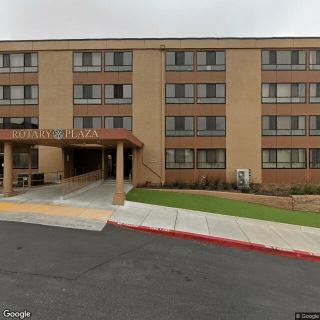
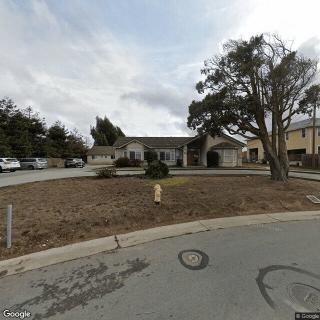
Alhambra Home Care

498 Alhambra Road, South San Francisco, CA 94080

For more information about senior living options: (844) 490-3973

4 from 27 reviews
5 stars
18
4 stars
3
3 stars
0
2 stars
1
1 stars
5

Assisted Living Board and Care Home

Overall Review of Alhambra Home Care

Pros

  • pro The staff were described as courageous and sacrificing to ensure every patient is heard and satisfied.
  • pro The team was professional and caring, and the facility was highly recommended.
  • pro The facility provided great quality care, with clear communication about care plans and prompt addressing of concerns.
  • pro The staff were pleasant and professional, reflecting dedication to healthcare.
  • pro Providence ownership was expected to bring improved quality care, with staff who are trained and well-equipped; the place felt homely and safe, and Rose was accommodating and welcoming.
  • pro Post-acute rehabilitation offered a welcoming, family-like experience with friendly and attentive staff and excellent care from skilled, knowledgeable staff.
  • pro Great physical and occupational therapists were available.
  • pro Alhambra Convalescent Hospital was welcoming, with sweet and polite customer service; nurses and CNAs treated patients like family, and the facility was clean and sanitary and up to date with Covid rules.
  • pro Alhambra is like a home away from home, with everyone being friendly and it feeling like a big family.

Cons

  • pro The facility is described as very poor quality with zero concern for patients and their families.
  • pro The staff did not test the patient's blood sugar despite a diabetes history, leading to dangerous levels.
  • pro The food is horrible and rationed, making it hard for residents to eat.
  • pro The building is old, sometimes has a repulsive smell, and parking is limited with staff occupying spaces.
  • pro Belongings such as clothes and diapers reportedly go missing, indicating poor accountability.
  • pro There is a lack of responsiveness and unprofessional behavior among staff, and a staffing shortage is noted.
  • pro CNAs are undertrained and some nurses are unprofessional, with calls for specific personnel to be fired.
  • pro The facility should be shut down due to absolutely horrible care.
  • pro A port was left unattended and leaking onto the patient, who was left in a soiled diaper for long periods.

Review

The collection of reviews paints a picture of a facility that elicits strong feelings, ranging from heartfelt gratitude to pointed frustration. On the positive end, many commenters describe Alhambra Post Acute as a place where dedicated staff work hard to be heard and to ensure patients receive attentive, compassionate care. Families repeatedly express appreciation for the communication they receive about care plans and any changes in a loved one's condition. Several reviewers specifically praise the nursing and rehab teams for their effort, noting that caregivers are pleasant, professional, and genuinely focused on the patient's well-being. In Martinez, these voices celebrate a small skilled nursing environment where staff are described as caring, knowledgeable, and capable of delivering quality post-acute rehabilitation in what feels like a home-like setting.

Several reviews highlight notable improvements and a sense of reassurance tied to the facility's ownership transition. One reviewer, after noting the acquisition by Providence, feels more confident that the standard of care will rise because the staff will be better trained and equipped. There is praise for how the new leadership and team members foster a supportive atmosphere, with particular attention paid to the idea that the staff's ongoing training translates into more consistent, high-quality patient care. A RN who visited and later recommended the place to friends and family points to the "exquisite quality of care," the homier, safer feel compared with other facilities, and even calls out a specific staff member, the marketing director Rose, as someone who brings warmth, accountability, and responsive communication to the building. In this vein, the facility is described as welcoming, with a family-like atmosphere and a commitment to treating patients as if they were family members.

Other reviewers focus on the care experience in more concrete terms: timely communication about care plans, attentiveness to patient needs, and a sense that staff are actively engaging with residents. Comments about "welcoming a family-like experience," "friendly and attentive staff," and "quality healthcare" underscore a recurring theme that, when the care team is functioning well, the facility can feel like a supportive environment where patients receive diligent post-acute rehabilitation and daily care. Even where the building's age and parking limitations are noted, the emphasis remains on the care quality and the people delivering it, with some reviewers valuing the personal touches and the perceived commitment of caregivers.

Yet, a substantial portion of the feedback is candid in its criticism. A number of reviews describe serious concerns about safety, responsiveness, and overall quality of care. In some accounts, essential medical management appears to be lacking: for example, one reviewer describes a diabetic patient whose blood sugar testing was not performed in a timely manner, with dangerous readings going unaddressed because staff did not see a need to intervene. Other accounts recount neglect or delays that resulted in a patient needing urgent attention, as well as issues with medication administration and monitoring of feeding tubes. The same review mentions a leakage port and a patient's soiled condition as evidence of missed care moments. Such statements are hard to reconcile with the overwhelmingly positive anecdotes, but they stand out as warning signs for families evaluating the facility.

Other reviewers expand on a broader pattern of operational and safety concerns: reports of undertrained CNAs, staff shortages, and intermittent responsiveness. Complaints include not only medical oversights but also nonclinical irritants like unpleasant odors, an older facility that may have limited parking, and the perception that items can go missing, particularly clothing and diapers. One scathing review explicitly calls for the shutdown of the facility, arguing that a stroke survivor with severe needs did not receive timely medication, proper catheter care, or appropriate supervision, culminating in a sense that patient dignity and safety were compromised during their stay. This note also mentions issues with staffing and with a nurse who the reviewer feels should be reprimanded for unprofessional behavior, underscoring the depth of concern about professional standards.

A few individual voices stand out within the mixed landscape. Some reviewers point to specific staff as exemplars of good practice - praising nurses, CNAs, or a particular nurse named Sue for her helpfulness or, conversely, calling out an individual as unprofessional and disrespectful. The latter sentiment highlights how the experience of care can hinge on interpersonal dynamics and the conduct of individual team members, not just the overall system. There is also mention of a patient's family navigating the facility's communication and coordination needs, with some praise for how staff address concerns quickly, while others feel their concerns were not taken seriously or resolved in a timely fashion.

In sum, the reviews depict a facility with a dual reality. For many families, Alhambra Post Acute represents a place where capable, compassionate care and a welcoming, home-like environment can foster meaningful rehab and daily living support. These reviewers emphasize clear communication, staff dedication, and a sense that improvements - especially under Providence ownership - have the potential to elevate the standard of care. On the other hand, a number of accounts raise red flags about safety lapses, inconsistent attentiveness, environmental challenges, and staffing shortages that undermine patient well-being. Issues such as inadequate diabetes monitoring, medication handling concerns, and occasional neglect in hygiene and supervision contribute to a narrative of risk for some residents.

For anyone considering care at this facility, the reviews suggest a nuanced decision. If a family places high value on a warm, attentive staff, transparent communication, and a rehabilitative focus delivered by a seemingly collaborative team, there are compelling testimonials to support that experience. If, however, safety, reliable monitoring, and consistent responsiveness are the primary criteria, the negative reports highlight significant concerns that warrant careful, in-person evaluation and perhaps direct inquiries about staffing levels, supervision protocols, and the facility's current processes for medical management and incident reporting. The overarching takeaway is that Alhambra Post Acute has the potential to deliver strong post-acute care in a supportive setting, but real-world outcomes appear to depend heavily on staffing, leadership, and the responsiveness of the care team on any given shift.

Features

Housing

  • 6 resident community capacity 6 resident community capacity

Types of Care

  • Assisted Living Assisted LivingAssisted living facilities provide crucial support and care for seniors who may need help with daily tasks such as medication management, bathing, and meal preparation. These communities offer a safe and comfortable environment where seniors can maintain their independence while receiving the assistance they need to thrive in their golden years.
  • Board and Care Home Board and Care HomeBoard and care homes provide a smaller, more intimate setting for seniors who require assistance with daily tasks but do not need the level of care offered by a nursing home. They offer personalized care, meals, and social activities in a homelike environment, ensuring that seniors receive individualized attention and support in their golden years.

Amenities

  • Cable or satellite TV Cable or satellite TVCable or satellite TV is important for seniors because it provides entertainment, news, and companionship, helping to combat loneliness and boredom. It also offers a wide range of programming options tailored to different interests and preferences.
  • Dining room Dining roomDining rooms are important for seniors as they provide a space for socialization, connection, and nutritious meals. They offer opportunities for residents to bond over shared meals, foster a sense of community, and promote healthy eating habits. Dining rooms also ensure that seniors have access to well-balanced meals tailored to their dietary needs and preferences.
  • Fully furnished Fully furnishedFully furnished senior living communities are important for seniors because they provide convenience, comfort, and a hassle-free moving experience. Seniors can easily settle into their new living space without the stress of having to buy and move furniture. This allows them to focus on enjoying their new home and community.
  • Garden GardenGardens are important for seniors as they provide a peaceful and therapeutic environment for relaxation, physical activity, and socialization. Being in nature has been shown to reduce stress, improve mood, and promote overall well-being. Gardens also offer opportunities for seniors to engage in gardening activities, which can improve mobility, flexibility, and cognitive function. Additionally, gardens create a sense of community and connection with others who share a passion for plants and outdoor spaces.
  • Housekeeping services Housekeeping servicesHousekeeping services are important for seniors because they help maintain a clean and safe living environment, promote independence, and reduce the risk of accidents or illnesses. Additionally, having assistance with household chores can alleviate physical strain and allow seniors to focus on other aspects of their well-being.
  • Move-in coordination Move-in coordinationMove-in coordination is important for seniors because it helps ease the transition into their new living environment. It ensures that all logistics, such as packing, organizing movers, and setting up utilities are taken care of, allowing seniors to focus on settling in and adjusting to their new home. Having a smooth move-in process can alleviate stress and anxiety, making the transition smoother and more enjoyable for seniors.
  • Outdoor space Outdoor spaceOutdoor spaces are important for seniors as they provide opportunities for physical activity, social interaction, exposure to natural light and fresh air, and a sense of connection to nature. Having access to outdoor spaces can improve overall well-being and quality of life for older adults living in senior communities.
  • Telephone TelephoneTelephones are important for seniors as they provide a lifeline for communication with loved ones, emergency services, and healthcare providers. They offer a sense of security and independence, enabling seniors to stay connected and access assistance when needed.
  • Wi-Fi/high-speed internet available Wi-Fi/high-speed internet availableWi-Fi/high-speed internet is important for seniors to stay connected with loved ones, access online resources, and participate in virtual activities to combat feelings of loneliness and isolation. It also allows them to easily manage healthcare needs, access entertainment, and engage in lifelong learning opportunities.

Transportation

  • San Francisco International (4 miles away) San Francisco International (4 miles away)
  • Metropolitan Oakland International (13 miles away) Metropolitan Oakland International (13 miles away)

Care Services

  • 24-hour supervision 24-hour supervision24-hour supervision is important for seniors to ensure their safety, well-being, and access to immediate assistance in case of emergencies or health issues. This constant support provides peace of mind for both seniors and their loved ones, allowing them to age in place with dignity and security.
  • Activities of daily living assistance Activities of daily living assistanceActivities of daily living assistance are important for seniors because they provide essential support with tasks such as eating, bathing, dressing, and mobility. This assistance helps seniors maintain their independence, dignity, and overall quality of life as they age.
  • Assistance with bathing Assistance with bathingAssistance with bathing is crucial for seniors as it helps maintain personal hygiene, prevents infections, and ensures their overall well-being and comfort. It also provides a sense of dignity and independence for seniors who may struggle with this task on their own.
  • Assistance with dressing Assistance with dressingAssistance with dressing is important for seniors because it helps maintain their independence, promotes personal hygiene, prevents accidents and injuries, and improves overall quality of life. This service ensures that seniors can continue to dress comfortably and confidently, despite any physical limitations they may have.
  • Assistance with transfers Assistance with transfersAssistance with transfers is crucial for seniors as it helps prevent falls and injuries, maintains their independence, and ensures they can safely navigate their living environment. It also provides peace of mind for both seniors and their loved ones.
  • Coordination with health care providers Coordination with health care providersCoordination with health care providers is crucial for seniors to ensure proper medical care, medication management, and overall well-being. This collaboration helps prevent overlapping treatments, track progress more effectively, and provide comprehensive support tailored to individual needs.
  • Diabetes diet Diabetes dietA diabetes diet is crucial for seniors as it helps manage blood sugar levels, reduce risks of complications, and improve overall health and well-being. By following a balanced and nutritious diet tailored to their specific needs, seniors can better control their diabetes and enhance their quality of life.
  • Meal preparation and service Meal preparation and serviceMeal preparation and service are crucial for seniors as they may have limited mobility or energy to cook nutritious meals. Having access to healthy and convenient food options can ensure they are getting the proper nutrition needed to maintain their overall health and well-being.
  • Medication management Medication managementMedication management is crucial for seniors to ensure they are taking the right medications at the correct dosages and times. This helps prevent adverse drug interactions, reduces the risk of medication errors, and promotes overall health and well-being. Proactive management also allows for adjustments as needed based on changing health conditions or new prescriptions.
  • Special dietary restrictions Special dietary restrictionsSpecial dietary restrictions are important for seniors because age-related changes in metabolism and health conditions can make it difficult for their bodies to process certain foods. By following a diet tailored to their specific needs, seniors can maintain their overall health and well-being, manage chronic conditions, and reduce the risk of complications such as malnutrition or food interactions with medications.
  • Transportation arrangement (medical) Transportation arrangement (medical)Transportation arrangements for medical purposes are essential for seniors as they may have difficulty driving themselves to appointments or accessing public transportation. Having reliable and safe transportation options ensures that seniors can receive timely medical care and maintain their health and well-being.
  • Transportation to doctors appointments Transportation to doctors appointmentsTransportation to doctors' appointments is crucial for seniors as it ensures they have access to necessary medical care and support for their health needs. Without reliable transportation, seniors may struggle to attend important appointments, leading to potential delays in treatment and health complications. Providing transportation services helps seniors maintain their overall well-being and quality of life.

Dining

  • Diabetes diet Diabetes dietA diabetes diet is crucial for seniors as it helps manage blood sugar levels, reduce risks of complications, and improve overall health and well-being. By following a balanced and nutritious diet tailored to their specific needs, seniors can better control their diabetes and enhance their quality of life.
  • Special dietary restrictions Special dietary restrictionsSpecial dietary restrictions are important for seniors because age-related changes in metabolism and health conditions can make it difficult for their bodies to process certain foods. By following a diet tailored to their specific needs, seniors can maintain their overall health and well-being, manage chronic conditions, and reduce the risk of complications such as malnutrition or food interactions with medications.

Activities

  • Community-sponsored activities Community-sponsored activitiesCommunity-sponsored activities are important for seniors as they provide opportunities for social interaction, mental stimulation, and physical activity. These activities can help improve overall well-being, combat loneliness and isolation, and promote a sense of belonging and purpose among older adults.
  • Scheduled daily activities Scheduled daily activitiesScheduled daily activities are important for seniors because they provide structure, socialization, mental stimulation, and physical activity. Engaging in regular activities can improve overall well-being and quality of life for seniors living in a community setting.

Description

Alhambra Home Care in South San Francisco, CA is a comfortable and welcoming board and care home that provides exceptional care services for seniors. Our fully furnished facility offers a peaceful and homely environment for residents to enjoy their retirement years.

At Alhambra Home Care, we prioritize the well-being of our residents by providing a range of amenities and services. Our spacious dining room serves delicious meals tailored to meet special dietary restrictions. We also offer housekeeping services to maintain a clean and tidy living space for our residents.

Our community features a beautiful garden and outdoor space where residents can relax and enjoy fresh air. With Wi-Fi/high-speed internet access and telephone services, staying connected with loved ones is easy at our facility. We also provide move-in coordination assistance to ensure a smooth transition into our community.

Our dedicated staff members are trained to provide assistance with activities of daily living, such as bathing, dressing, and transfers. We work closely with healthcare providers to coordinate medical appointments and provide necessary support for residents with diabetes management. Medication management is also provided to ensure the safety and well-being of our residents.

Alhambra Home Care offers scheduled daily activities to promote socialization and engagement among residents. In addition, we have convenient nearby amenities including cafes, pharmacies, restaurants, transportation options, places of worship, and hospitals.

Come experience the warmth and personalized care at Alhambra Home Care in South San Francisco. We are committed to providing compassionate support tailored to the unique needs of each resident in our community.

Nearby Places of Interest

Pharmacies

  • Walgreens (0.5 miles)
  • Walgreens (0.8 miles)
  • Kaiser Permanente Pharmacy (1.1 miles)
  • CVS Pharmacy (1.3 miles)
  • Walgreens (2.1 miles)
  • CVS Pharmacy (2.3 miles)
  • CVS Pharmacy (2.6 miles)

Restaurants

  • McDonald's (0.9 miles)
  • Mustards (3.1 miles)
  • Yankee Pier (3.3 miles)
  • Lark Creek Grill (3.5 miles)
  • In-N-Out Burger (3.6 miles)
  • In-N-Out Burger (4.2 miles)
  • New England Lobster Market & Eatery (4.5 miles)

Transportation

  • Rental Car Center (2.3 miles)
  • San Francisco International Airport (SFO) (2.7 miles)
  • United Global First Lounge (3 miles)
  • International Terminal G (3.1 miles)
  • San Francisco International Airport BART Station (3.1 miles)
  • SFO AirTrain Station - Garage G & BART (3.1 miles)
  • Boarding Area F (3.2 miles)

Cafes

  • San Francisco Giants Clubhouse (3.1 miles)
  • Neighbor's Corner (7.7 miles)
  • Sightglass Coffee (8.1 miles)
  • Le Marais Bakery (8.1 miles)
  • SPRO Coffee Lab (8.2 miles)

Hospitals

  • A & C Convalescent Hospital (3.6 miles)
  • Mills-Peninsula Health Services (4.6 miles)
  • Laguna Honda Hospital & Rehabilitation Center (7.2 miles)
  • Mills-Peninsula Radiology (8.2 miles)

Places of Worship

  • Church of the Epiphany (4.9 miles)

Theaters

  • Regal Stonestown Galleria Screenx, 4Dx, & RPX (6.2 miles)
  • Alamo Drafthouse New Mission (7.8 miles)

Parks

  • Holly Park (6.5 miles)
  • Glen Canyon Park (6.7 miles)
  • Washington Park (6.7 miles)
  • Stern Grove Dog Park (6.8 miles)
  • Bernal Heights Park (7 miles)
  • Fort Funston (7 miles)
  • Upper Douglass Dog Park (7.1 miles)

Physicians

  • Noe Valley Pediatrics (7.5 miles)
  • California Skin Institute (7.9 miles)
  • Bundy Opticians (8.2 miles)

Frequently Asked Questions

Where is Alhambra Home Care?

Nearby Communities

Related Resources

  • assisted living vs nursing homeChoosing the Right Senior Care: A Detailed Exploration of Assisted Living and Nursing Homes

    Choosing between assisted living and nursing homes involves evaluating emotional and financial factors, with assisted living offering independence and support for daily activities at a lower cost, while nursing homes provide intensive medical care for individuals with significant health needs. The decision is influenced by personal preferences, health status, cognitive function, and varying Medicaid coverage across states.

  • assisted living costUnderstanding the True Cost of Assisted Living in 2025: A Comprehensive Guide

    Assisted living in 2025 offers a crucial balance of independence and support for seniors, with costs varying from $2,500 to over $7,000 per month based on factors such as location and care level. Understanding pricing complexities, including regional differences and potential hidden fees, is essential for families to plan financially while ensuring quality care for their loved ones.

  • does medicaid pay for assisted livingUnderstanding Medicaid Coverage for Assisted Living: A Comprehensive Guide

    The guide outlines the complexities of Medicaid coverage for assisted living, highlighting significant state-to-state variations, limited coverage often restricted to personal care services, and the existence of specialized waivers for certain needs like memory care. It advises families to consult local Medicaid offices for options while emphasizing the importance of understanding state-specific regulations and facility policies.