Mariah's Garden Home Care

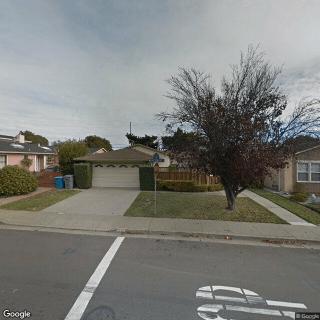
1910 Crestwood Drive, San Bruno, CA 94066

For more information about senior living options: (844) 490-3973

4.6 from 51 reviews
5 stars
42
4 stars
4
3 stars
1
2 stars
0
1 stars
4

Assisted Living

Overall Review of Mariah's Garden Home Care

Pros

  • pro The staff are very caring and readily available for patients when needed.
  • pro Jessie, the Director of Nursing, stands out for accommodating visitors and keeping the atmosphere light yet professional.
  • pro The staff treat residents with respect and keep families updated, giving families peace of mind.
  • pro The nurses are patient and gentle, and the facility is kept clean.
  • pro The care is customized to residents' needs and staff go beyond the call of duty to ensure good outcomes.
  • pro The activity director, therapists, and on-site program staff provide engaging, diverse activities that residents enjoy.
  • pro The meals are healthy, varied, and often described as delicious.
  • pro The facility is family-oriented, well managed, and highly recommended.
  • pro The wound care team is professional and knowledgeable, delivering excellent care.

Cons

  • pro The facility was described as noisy and crowded, with maintenance items and space limitations in need of upgrades (e.g., exhaust fans, lighting, courtyard, gym).
  • pro The discharge process was criticized for not coordinating with the patient's doctor to arrange necessary medications, risking an unsafe discharge.
  • pro One reviewer warned others not to bring loved ones, alleging rude and neglectful staff, dirty conditions, meals not provided when needed, and rooms crowded with three beds per room causing sleep disturbances.
  • pro An incident was alleged where a nurse slapped the patient and staff yelled at them when help was requested, indicating abusive behavior.
  • pro Some reviewers labeled portions of the staff as very unprofessional.
  • pro The food quality was described as awful by at least one reviewer.

Review

San Bruno Skilled Nursing appears to be a facility that many families hold close to their hearts, largely because of the people who work there and the care they provide. Across a wide range of voices - parents, spouses, siblings, vendors, and even residents - the common thread is a strong appreciation for the staff's kindness, attentiveness, and relentless effort to keep residents safe, clean, nourished, and engaged. Several families highlight how the staff go beyond the basics, noting that everyone from doctors and nurses to therapists, case managers, CNAs, custodians, and activity organizers contributes to a supportive, family-friendly atmosphere. That sense of teamwork and genuine concern for residents comes through repeatedly, even when there are caveats about space, logistics, or occasional delays.

A number of reviews center on the personal gratitude of family members who watched loved ones thrive under the facility's care. One mother spent a month there and formed meaningful bonds with "everything staff and personnel," feeling that a good relationship was possible with a large, diverse team. A wife who stayed for over a month likewise emphasizes that the care came from all departments, with staff being caring and readily available when needed. The sentiment isn't that care was perfect or flawless, but that the overall experience was characterized by warmth, consistency, and real dedication to comforting and assisting her spouse throughout daily routines and emergencies alike. In these accounts, the facility's culture is described as one of compassion and collaboration, where residents feel seen and valued.

Residents themselves often reflect the same warmth and reliability. One person currently living at the facility notes that staff frequently check in, offer help, and even "sit and chat with me while I watch TV," providing company and companionship that makes the environment feel less institutional and more like a community. This voice highlights the human side of care - the small, everyday acts of kindness that can make a big difference in a person's sense of dignity and comfort. The everyday routines of getting ready for bed or moving around the facility are described without rush, reinforcing the impression that residents are treated with patience and respect.

The leadership and professionalism of the nursing team are also repeatedly praised. A vendor reviewer singles out Jessie, the Director of Nursing, for standing out in a busy environment. The reviewer describes her as accommodating, unfazed by heavy workloads, and able to juggle tasks with a smile or a joke, making space for others even when the calendar is crowded. This sense of steadiness and approachable leadership appears to set a tone in the facility that other staff emulate, balancing professionalism with human warmth to maintain a constructive, low-stress atmosphere.

Family members repeatedly commend the facility for respectful treatment of loved ones and transparent communication. The experience of a father and a grandmother emphasizes regular updates to families, clean and comfortable rooms, and attentiveness to residents' needs. While there is some critique about the availability of television channels or moments of waiting when help is requested, the overarching message is that families feel reassured by clear information and responsive care. Cleanliness is consistently highlighted as a strength, contributing to a sense of safety and well-being that families associate with good facility operations.

Beyond individual interactions, several reviews frame San Bruno Skilled Nursing as a place that prioritizes tailored, resident-centered care. A reviewer notes that the strength of the facility lies in customized care that appears to go beyond the call of duty, with a sense of family involvement in the improvement process. Care teams - doctors, therapists, case managers, nurses, coordinators, CNAs, and support staff - are described as kind, helpful, and committed to maintaining a high standard. The overall impression is of a well-managed, people-first environment where the focus is on quality of life as well as clinical outcomes.

Of course, the collective picture is not uniformly glowing. A number of reviews point to common challenges: noise and crowding, maintenance needs, and dietary concerns. One account acknowledges a very crowded environment with multiple residents in a single room and notes that some aspects of the physical plant - exhaust fans, lighting, and courtyard improvements - could use upgrades. The gym is described as a space that feels stretched to capacity, suggesting that more room or equipment could help accommodate a high level of activity. Food quality is another recurring theme; while some reviewers praise meals and even note favorites like soups, others describe the fare as lacking variety or not meeting expectations, signaling opportunities for menu improvements. These caveats present a balanced view of a facility that can deliver excellent personal care while still wrestling with the logistical realities of a busy skilled nursing setting.

Discharge processes and some staff behaviors are also touched on in the reviews. One family reports a positive discharge from wound care and PT/OT teams but raises concern about the coordination with a patient's outside physician and home medication continuity, signaling a risk when transition planning falls short. Another review delivers a stark warning, recounting a strongly negative experience with rude staff, dirty conditions, and loud disruptions, capped by an asserted incident of mistreatment. The language is harsh, and while it reflects one person's experience, it underscores an important takeaway: even in a facility praised for caring, there are voices of significant dissatisfaction and perceived safety or respect gaps that should be addressed.

In the more uniformly glowing passages, several reviewers emphasize the overall quality of care, cleanliness, and the dedication of therapists and activity directors. There are mentions of excellent PT/OT services, attentive wound care, and a robust on-site kitchen that contributes to the sense of a comprehensive care environment. Visitors and residents alike describe a place that feels managed, supportive, and capable of delivering a high level of attention to both medical and daily living needs. The combination of thoughtful staff interactions, a sense of community, and a willingness to welcome families into the care journey creates an impression of a facility that strives for excellence while remaining mindful of the imperfections inherent in any large operation.

Taken together, the reviews paint a portrait of San Bruno Skilled Nursing as a facility with many strengths and a few real challenges. The staff's compassion, the leadership's visible accessibility, the emphasis on resident-centered care, and the overall cleanliness and warmth are frequently cited as major positives. At the same time, concerns about noise, space limitations, menu variety, and discharge logistics illustrate concrete areas where the facility could grow and improve. For families seeking skilled nursing care, the consensus here seems to be that you will encounter caring, capable professionals who usually deliver thoughtful, respectful care - and you may also encounter the everyday hurdles of a busy, crowded environment that requires ongoing attention and investment. Overall, many reviewers would still recommend San Bruno Skilled Nursing, while encouraging continued improvements in amenities, communication, and operational efficiency.

Features

Housing

  • 6 resident community capacity 6 resident community capacity

Types of Care

  • Assisted Living Assisted LivingAssisted living facilities provide crucial support and care for seniors who may need help with daily tasks such as medication management, bathing, and meal preparation. These communities offer a safe and comfortable environment where seniors can maintain their independence while receiving the assistance they need to thrive in their golden years.

Amenities

  • Cable or satellite TV Cable or satellite TVCable or satellite TV is important for seniors because it provides entertainment, news, and companionship, helping to combat loneliness and boredom. It also offers a wide range of programming options tailored to different interests and preferences.
  • Dining room Dining roomDining rooms are important for seniors as they provide a space for socialization, connection, and nutritious meals. They offer opportunities for residents to bond over shared meals, foster a sense of community, and promote healthy eating habits. Dining rooms also ensure that seniors have access to well-balanced meals tailored to their dietary needs and preferences.
  • Fully furnished Fully furnishedFully furnished senior living communities are important for seniors because they provide convenience, comfort, and a hassle-free moving experience. Seniors can easily settle into their new living space without the stress of having to buy and move furniture. This allows them to focus on enjoying their new home and community.
  • Garden GardenGardens are important for seniors as they provide a peaceful and therapeutic environment for relaxation, physical activity, and socialization. Being in nature has been shown to reduce stress, improve mood, and promote overall well-being. Gardens also offer opportunities for seniors to engage in gardening activities, which can improve mobility, flexibility, and cognitive function. Additionally, gardens create a sense of community and connection with others who share a passion for plants and outdoor spaces.
  • Housekeeping services Housekeeping servicesHousekeeping services are important for seniors because they help maintain a clean and safe living environment, promote independence, and reduce the risk of accidents or illnesses. Additionally, having assistance with household chores can alleviate physical strain and allow seniors to focus on other aspects of their well-being.
  • Move-in coordination Move-in coordinationMove-in coordination is important for seniors because it helps ease the transition into their new living environment. It ensures that all logistics, such as packing, organizing movers, and setting up utilities are taken care of, allowing seniors to focus on settling in and adjusting to their new home. Having a smooth move-in process can alleviate stress and anxiety, making the transition smoother and more enjoyable for seniors.
  • Outdoor space Outdoor spaceOutdoor spaces are important for seniors as they provide opportunities for physical activity, social interaction, exposure to natural light and fresh air, and a sense of connection to nature. Having access to outdoor spaces can improve overall well-being and quality of life for older adults living in senior communities.
  • Telephone TelephoneTelephones are important for seniors as they provide a lifeline for communication with loved ones, emergency services, and healthcare providers. They offer a sense of security and independence, enabling seniors to stay connected and access assistance when needed.
  • Wi-Fi/high-speed internet available Wi-Fi/high-speed internet availableWi-Fi/high-speed internet is important for seniors to stay connected with loved ones, access online resources, and participate in virtual activities to combat feelings of loneliness and isolation. It also allows them to easily manage healthcare needs, access entertainment, and engage in lifelong learning opportunities.

Transportation

  • San Francisco International (4 miles away) San Francisco International (4 miles away)
  • Metropolitan Oakland International (13 miles away) Metropolitan Oakland International (13 miles away)

Care Services

  • 24-hour supervision 24-hour supervision24-hour supervision is important for seniors to ensure their safety, well-being, and access to immediate assistance in case of emergencies or health issues. This constant support provides peace of mind for both seniors and their loved ones, allowing them to age in place with dignity and security.
  • Activities of daily living assistance Activities of daily living assistanceActivities of daily living assistance are important for seniors because they provide essential support with tasks such as eating, bathing, dressing, and mobility. This assistance helps seniors maintain their independence, dignity, and overall quality of life as they age.
  • Assistance with bathing Assistance with bathingAssistance with bathing is crucial for seniors as it helps maintain personal hygiene, prevents infections, and ensures their overall well-being and comfort. It also provides a sense of dignity and independence for seniors who may struggle with this task on their own.
  • Assistance with dressing Assistance with dressingAssistance with dressing is important for seniors because it helps maintain their independence, promotes personal hygiene, prevents accidents and injuries, and improves overall quality of life. This service ensures that seniors can continue to dress comfortably and confidently, despite any physical limitations they may have.
  • Assistance with transfers Assistance with transfersAssistance with transfers is crucial for seniors as it helps prevent falls and injuries, maintains their independence, and ensures they can safely navigate their living environment. It also provides peace of mind for both seniors and their loved ones.
  • Coordination with health care providers Coordination with health care providersCoordination with health care providers is crucial for seniors to ensure proper medical care, medication management, and overall well-being. This collaboration helps prevent overlapping treatments, track progress more effectively, and provide comprehensive support tailored to individual needs.
  • Diabetes diet Diabetes dietA diabetes diet is crucial for seniors as it helps manage blood sugar levels, reduce risks of complications, and improve overall health and well-being. By following a balanced and nutritious diet tailored to their specific needs, seniors can better control their diabetes and enhance their quality of life.
  • Meal preparation and service Meal preparation and serviceMeal preparation and service are crucial for seniors as they may have limited mobility or energy to cook nutritious meals. Having access to healthy and convenient food options can ensure they are getting the proper nutrition needed to maintain their overall health and well-being.
  • Medication management Medication managementMedication management is crucial for seniors to ensure they are taking the right medications at the correct dosages and times. This helps prevent adverse drug interactions, reduces the risk of medication errors, and promotes overall health and well-being. Proactive management also allows for adjustments as needed based on changing health conditions or new prescriptions.
  • Special dietary restrictions Special dietary restrictionsSpecial dietary restrictions are important for seniors because age-related changes in metabolism and health conditions can make it difficult for their bodies to process certain foods. By following a diet tailored to their specific needs, seniors can maintain their overall health and well-being, manage chronic conditions, and reduce the risk of complications such as malnutrition or food interactions with medications.
  • Transportation arrangement (medical) Transportation arrangement (medical)Transportation arrangements for medical purposes are essential for seniors as they may have difficulty driving themselves to appointments or accessing public transportation. Having reliable and safe transportation options ensures that seniors can receive timely medical care and maintain their health and well-being.
  • Transportation to doctors appointments Transportation to doctors appointmentsTransportation to doctors' appointments is crucial for seniors as it ensures they have access to necessary medical care and support for their health needs. Without reliable transportation, seniors may struggle to attend important appointments, leading to potential delays in treatment and health complications. Providing transportation services helps seniors maintain their overall well-being and quality of life.
Dining

  • Diabetes diet Diabetes dietA diabetes diet is crucial for seniors as it helps manage blood sugar levels, reduce risks of complications, and improve overall health and well-being. By following a balanced and nutritious diet tailored to their specific needs, seniors can better control their diabetes and enhance their quality of life.
  • Special dietary restrictions Special dietary restrictionsSpecial dietary restrictions are important for seniors because age-related changes in metabolism and health conditions can make it difficult for their bodies to process certain foods. By following a diet tailored to their specific needs, seniors can maintain their overall health and well-being, manage chronic conditions, and reduce the risk of complications such as malnutrition or food interactions with medications.

Activities

  • Community-sponsored activities Community-sponsored activitiesCommunity-sponsored activities are important for seniors as they provide opportunities for social interaction, mental stimulation, and physical activity. These activities can help improve overall well-being, combat loneliness and isolation, and promote a sense of belonging and purpose among older adults.
  • Scheduled daily activities Scheduled daily activitiesScheduled daily activities are important for seniors because they provide structure, socialization, mental stimulation, and physical activity. Engaging in regular activities can improve overall well-being and quality of life for seniors living in a community setting.

Description

Mariah's Garden Home Care: A Serene Assisted Living Community in San Bruno, CA

Welcome to Mariah's Garden Home Care, where comfort meets compassionate care in the heart of San Bruno, California. Our community is designed to provide a nurturing and supportive environment for residents who require assistance with daily living activities.

At Mariah's Garden, we offer a range of amenities that enhance the quality of life for our residents. Enjoy delicious meals served in our inviting dining room, relax in fully furnished private spaces, or unwind in our beautiful garden and outdoor areas. Our housekeeping services ensure a clean and comfortable living environment, while our move-in coordination makes transitioning to our home seamless.

Our dedicated team is committed to supporting each resident’s individual needs through comprehensive care services. We assist with activities of daily living such as bathing, dressing, and transfers to promote independence and dignity. Our skilled staff coordinates closely with healthcare providers for medication management and dietary restrictions, including diabetes-friendly meal preparation. We also arrange transportation for medical appointments and other essential outings to ensure residents stay connected with their healthcare needs.

Life at Mariah's Garden includes engaging scheduled activities that foster community and connection among residents. With Wi-Fi and high-speed internet available throughout the facility, staying connected with family and friends is just a click away.

Conveniently located near local cafes, pharmacies, restaurants, hospitals, and various transportation options, Mariah's Garden provides easy access to everything you need right outside your doorstep.

Experience the warmth and support of a community that prioritizes your well-being at Mariah's Garden Home Care—where every day is an opportunity for joy and connection.

Nearby Places of Interest

Pharmacies

  • Walgreens (0.8 miles)
  • Walgreens (0.9 miles)
  • CVS Pharmacy (1 miles)
  • Kaiser Permanente Pharmacy (1.6 miles)
  • Walgreens (1.9 miles)
  • CVS Pharmacy (2.5 miles)
  • CVS Pharmacy (2.9 miles)

Restaurants

  • McDonald's (0.9 miles)
  • Mustards (3 miles)
  • Yankee Pier (3.2 miles)
  • Lark Creek Grill (3.4 miles)
  • In-N-Out Burger (4 miles)
  • In-N-Out Burger (4 miles)
  • New England Lobster Market & Eatery (4.3 miles)

Transportation

  • Rental Car Center (2.2 miles)
  • San Francisco International Airport (SFO) (2.6 miles)
  • United Global First Lounge (2.9 miles)
  • International Terminal G (3 miles)
  • SFO AirTrain Station - Garage G & BART (3 miles)
  • San Francisco International Airport BART Station (3 miles)
  • Boarding Area F (3.1 miles)

Cafes

  • San Francisco Giants Clubhouse (3 miles)
  • Neighbor's Corner (8.2 miles)
  • Sightglass Coffee (8.6 miles)
  • Le Marais Bakery (8.7 miles)

Hospitals

  • A & C Convalescent Hospital (3.3 miles)
  • Mills-Peninsula Health Services (4.3 miles)
  • Laguna Honda Hospital & Rehabilitation Center (7.7 miles)
  • Mills-Peninsula Radiology (8 miles)

Places of Worship

  • Church of the Epiphany (5.5 miles)

Parks

  • Washington Park (6.5 miles)
  • Coyote Point County Park (7 miles)
  • Holly Park (7 miles)
  • Glen Canyon Park (7.2 miles)
  • Stern Grove Dog Park (7.2 miles)
  • Fort Funston (7.4 miles)
  • Bernal Heights Park (7.5 miles)

Theaters

  • Regal Stonestown Galleria Screenx, 4Dx, & RPX (6.7 miles)
  • Alamo Drafthouse New Mission (8.4 miles)

Physicians

  • California Skin Institute (7.7 miles)
  • Bundy Opticians (8 miles)
  • Noe Valley Pediatrics (8 miles)

Frequently Asked Questions

Where is Mariah's Garden Home Care?

Nearby Communities

Related Resources

  • when to move from assisted living to nursing home8 Key Indicators That Suggest It May Be Time to Transition from Assisted Living to Skilled Nursing Care

    The transition from assisted living to skilled nursing care is often prompted by complex medical needs that assisted living cannot meet, with key indicators including frequent health declines, increased falls, severe memory issues, and caregiver burnout. Families should recognize these signs early to discuss options with healthcare providers and prepare for the emotional and logistical aspects of moving to a facility that offers comprehensive medical support.

  • active senior livingVibrant Senior Living: A Comprehensive Guide for Active Older Adults

    Vibrant Senior Living emphasizes active senior living communities that promote independence and engagement through diverse amenities and activities, fostering wellness and social interaction among older adults. These communities range from independent to assisted living, with a focus on personal growth, family involvement, financial planning, and leveraging technology to enhance residents' experiences.

  • when to move from assisted living to memory careWhen to Transition from Assisted Living to Memory Care: Key Indicators, Steps, and Finding the Right Community

    Transitioning from assisted living to memory care is driven by an individual's cognitive decline and specific needs, requiring careful evaluation of indicators like increased confusion and wandering. The process involves consulting medical professionals, researching suitable communities, considering financial and legal aspects, and ensuring effective communication for personalized care plans.