

14802 Morrison Street, Sherman Oaks, CA 91403
For more information about senior living options: (866) 208-4318
California Senior Of Sherman Oaks Costs & Pricing
California Senior of Sherman Oaks offers competitive pricing for senior living accommodations, particularly when compared to both Los Angeles County and the broader California market. For a semi-private room, residents can expect to pay $3,500 per month, which is notably lower than the county average of $3,349 and slightly above the state average at $3,333. When it comes to private rooms, the monthly cost is set at $3,800 - this is more affordable than the Los Angeles County average of $4,197 but falls short of the statewide average of $3,939. Additionally, for those seeking studio apartments, California Senior of Sherman Oaks charges $4,000 monthly; this aligns well with the regional cost of $4,172 while remaining competitive against the state average of $4,145. Overall, these pricing structures suggest that California Senior of Sherman Oaks provides valuable options for seniors looking for quality care within a budget-conscious framework.
| Floor plans | California Senior Of Sherman Oaks | Los Angeles County | California |
|---|---|---|---|
| Semi-Private | $3,500 | $3,349 | $3,333 |
| Private | $3,800 | $4,197 | $3,939 |
| Studio | $4,000 | $4,172 | $4,145 |
Memory care communities with a similar price nearby
-
About the same
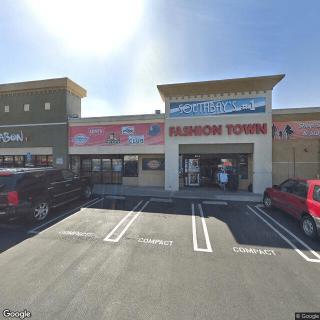
Kind Heart Home Care VI
$3,500 to $5,000 / month24.6 miles away -
About the same
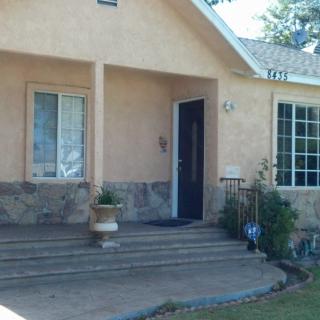
Paradise Senior Living 1
$3,500 to $4,500 / month7.2 miles away -
from +$300 / mo
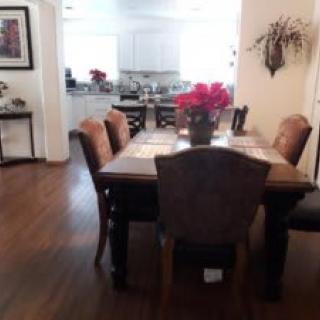
America's Care Manor
$3,800 to $4,000 / month14.7 miles away -
from +$500 / mo
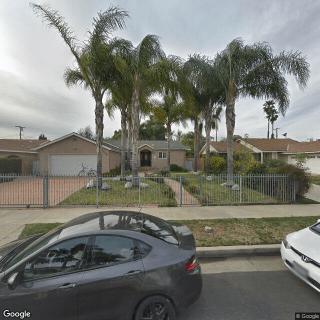
Land of Peace 6
$4,000 to $5,500 / month9.6 miles away -
About the same
Hollywood Healthy Living
$3,500 to $5,000 / month7.4 miles away
Overall Review of California Senior Of Sherman Oaks
Pros
 Be Well Senior Living is described as a beautiful, exceptionally clean home with outstanding caregivers.
- Residents enjoy private rooms and bathrooms, and some have views of trees and gardens.
- The staff, including Russ and Alina, are caring and make transitions smooth for families and residents.
- Be Well provides positive, regular updates about residents’ well-being, rather than causing anxiety.
- Caregivers are patient and compassionate, helping residents adjust peacefully.
- Families report improved quality of life and feel their loved ones are safe, happy, and well cared for.
- The home feels like a real home, not an institutional setting, with a peaceful environment and welcoming outdoor spaces.
- Nutrition is tailored to needs, with residents well fed and maintaining a healthy weight through personalized menus.
- The caregiving team is dedicated, experienced, compassionate, and flexible to changing needs.
- The facility is immaculate and well-managed, with nutritious meals and convenient transportation options, and leadership by Ruslan and Elina is available and engaged.
Cons
 They faced a truly disappointing and stressful experience at a “fancy” senior living community that overcharged them, starting at one price and doubling it within a year.
- They dreaded every phone call from the “fancy” place, as it was always another problem, another issue, or another source of stress.
- Initially, the transition was challenging; the resident was confused and needed time to adjust.
- The other facility was described as stressful and anxiety-inducing due to constant problems.
Review
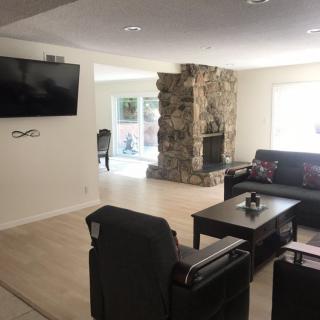
Be Well Senior Living in Sherman Oaks is best suited for families seeking a truly home-like, intimate board-and-care experience. It works best for a loved one who benefits from constant, compassionate supervision in a non-institutional setting, where private living space, daily routines, and personalized attention matter most. The community’s small footprint, private rooms, a calm, light-filled environment, and a neighborhood feel, delivers safety and warmth that larger campuses struggle to replicate. For families prioritizing dignity, steady communication, and meaningful human connections with caregivers who stay with residents through day and night, this is the clear choice.
Those who should consider alternatives are those pursuing hospital-grade medical oversight, expansive therapy programs, or a campus with extensive on-site amenities and a bustling activities calendar. If a loved one requires intensive skilled nursing, highly specialized memory-care infrastructure, or plans for frequent, organized excursions to museums, restaurants, and social venues, a larger facility may better align with needs. The intimate setting also means fewer residents, which can limit social variety and reduce the breadth of formal programs. For households watching every dollar, the cost structure at a smaller board-and-care can still be a meaningful factor and may be less predictable than a standardized campus.
On balance, the strongest pros, exceptional caregiver attentiveness, a spotless home-like atmosphere, individualized meals, and clear family communication, more than offset the modest limits of scale. Residents enjoy consistent supervision (two to three caregivers on duty), customized menus, and integrated medical coordination that minimizes disruptive hospital runs. The environment supports safety without feeling clinical, and care plans are centered on dignity and personal preferences. The result is a calmer daily rhythm, lower anxiety for families, and a sense that care aligns closely with what matters most to the person receiving it.
Concrete strengths surface in everyday detail. Private rooms with views of trees or gardens, a bright, uncluttered setting, and meticulous cleanliness create an atmosphere that feels welcoming rather than institutional. Diet customization, gluten-free or dairy restrictions tied to seizures or other conditions, keeps nutrition aligned with health goals. Staffing is consistently highlighted as compassionate and patient, with caregivers who know residents well and respond with familiarity rather than routine. The model, small households with tight-knit teams, facilitates meaningful interactions, from casual conversations to personal care that feels like assistance from trusted family.
Reliability and leadership emerge as a recurring theme in the reviews. The owners, Russ and Elina, are cited as present, engaged, and responsive, translating concerns into timely adjustments and regular updates. Families report smoother transitions from larger, more impersonal facilities, a sense of safety, and a feeling of partnership in caregiving decisions. The overall impact is measurable: improved quality of life for residents, greater peace of mind for families, and a dependable sense that loved ones are cherished and well cared for around the clock.
For those ready to move forward, practical steps matter. Begin with a direct visit focused on caregiver-to-resident ratios, the quality of daily routines, and the tone of conversations with staff. Confirm private room availability, garden access, and dietary accommodations, and ask how on-site medical services are coordinated with external providers. Inquire about transportation options and any costs, and prepare for the possibility of a waitlist while planning timelines. When the fit aligns, Be Well Senior Living delivers a principled, hands-on alternative that combines warmth, dignity, and real peace of mind for families navigating the transition.
 6 resident community capacity
 Assisted Living
 Board and Care Home
 Memory Care
 Cats allowed
 Dogs allowed
 Activities off-site
 Bath tubs
 Cable or satellite TV
 Devotional services off-site
 Dining room
 Fully furnished
 Garden
 Housekeeping services
 Indoor common areas
 Move-in coordination
 Outdoor common areas
 Private
 Private bathrooms
 Respite or short term stays offered
 Telephone
 Wheelchair accessible showers
 Wi-Fi/high-speed internet available
 Burbank-Glendale-Pasadena (6 miles away)
 24-hour supervision
 Assistance with bathing
 Assistance with dressing
 Assistance with transfers
 Diabetes diet
 Diabetic care
 High acuity care
 Incontinence care
 Meal preparation and service
 Medication management
 Special dietary restrictions
 Transportation arrangement (medical)
 Transportation to doctors appointments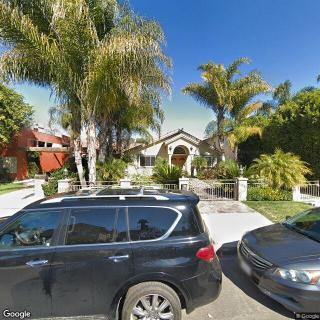






 Understanding Dementia Through Its Seven Stages: A Comprehensive Look at Progression and Expectations
 A Holistic Dementia Care Guide: Effective Strategies for Memory Support
 Memory Care Pathways: A Holistic Guide to Dementia Support