
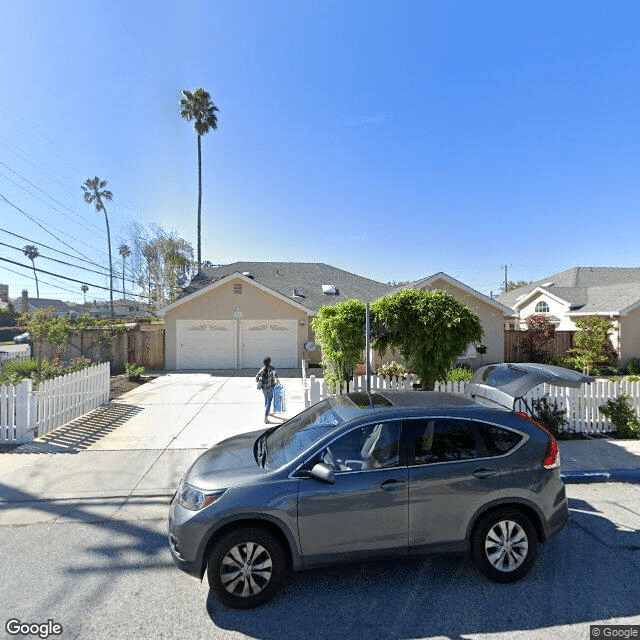
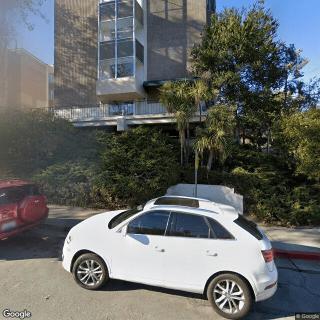
111 16th Ave, San Mateo, CA 94402
To contact a resident: (650) 571-1384
For more information about senior living options: (866) 208-4318
Yesteryear House Costs & Pricing
Yesteryear House presents a competitive pricing structure for its residential offerings, particularly in comparison to both San Mateo County and the broader California market. For semi-private rooms, Yesteryear House charges $4,000 per month, which is slightly above the county average of $3,830 but notably higher than the state average of $3,333. In the case of private accommodations, Yesteryear House's monthly fee is set at $5,000; while this exceeds both San Mateo County's rate of $4,281 and California's average of $3,939, it reflects the quality and personalized care that residents can expect. Overall, while prices are on the higher end locally and statewide, they may be justified by the premium services offered at Yesteryear House.
| Floor plans | Yesteryear House | San Mateo County | California |
|---|---|---|---|
| Semi-Private | $4,000 | $3,830 | $3,333 |
| Private | $5,000 | $4,281 | $3,939 |
Senior living communities with a similar price nearby
-
from -$500 / mo
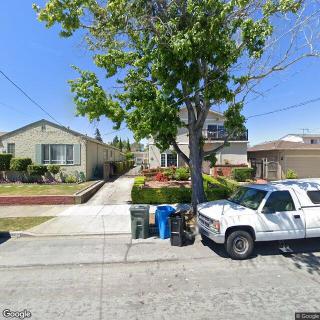
Apple Tree Home Care
$3,500 / month2.4 miles away -
About the same
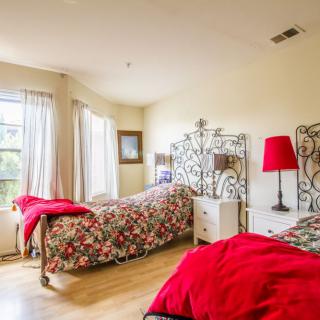
Golden Age Of Channing Way
$4,000 to $5,000 / month13.5 miles away -
from -$500 / mo
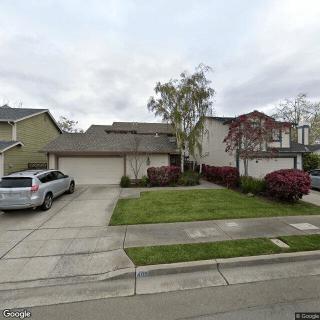
Angels Golden Care Assisted Living
$3,500 to $5,000 / month13.3 miles away -
from +$500 / mo
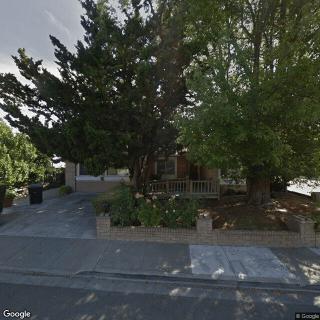
Pleasanton Senior Care Villa
$4,500 / month23.9 miles away -
from -$500 / mo
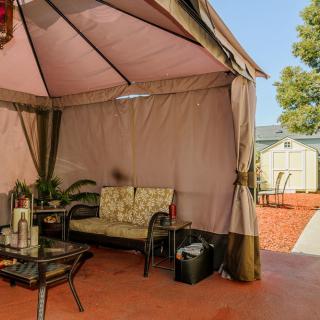
Blossom Garden Senior Home
$3,500 to $4,800 / month14.5 miles away
Overall Review of Yesteryear House
Pros
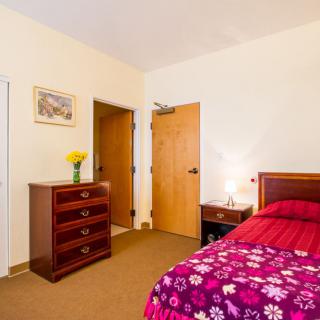
 The place is light and cheery with an open floor plan for the kitchen, living, and dining areas.
- It is connected by a lovely patio breezeway with bright, beautiful flowers.
- The facility consists of two housesā€”one for higher-level care/dementia and one for more independent residents.
- The staff member who greeted visitors was very warm and helpful.
- The overall impression is that the place feels hospitable, caring, and welcoming.
Review
Yesteryear House in San Mateo is best suited for seniors who want a warm, home-like setting with clearly defined care tiers. The community comprises two houses linked by a sunny patio breezeway blooming with flowers, one dedicated to higher-acuity care including dementia, the other to independent living. The environment feels cheerful, bright, and comfortable, with staff and visitors noting a hospitable, welcoming atmosphere. The layout supports gentle transitions as needs evolve, allowing residents to stay in place as they shift from independence to care without a stressful move. This arrangement makes it a practical choice for families seeking continuity and familiarity as care levels change over time.
Those prioritizing scale, amenities, or robust medical services may want alternatives. The boutique footprint means fewer on-site diversions and potentially limited staff coverage relative to larger campuses. For residents who require intensive medical intervention, 24/7 nursing, or highly structured dementia programming, other options with bigger teams and broader programming may deliver more consistency and reassurance. The limited number of published reviews, three in total, including a 1-star rating, suggests the experience can vary, underscoring the need for careful, near-term verification before committing.
Pros carve out a practical edge. The space is bright and open, which reduces cognitive load and supports easier supervision. A connected two-house model offers familiarity for memory care while preserving independence, so transitions feel natural rather than disruptive. The breezeway and garden bring outdoor time into daily life, supporting mood and engagement. The warmth evident in initial greetings and the sense of genuine hospitality reduce move-in anxiety for residents and families. Taken together, these elements create a foundation for daily comfort that can offset potential gaps in services, especially when compared with more impersonal, larger settings.
Yet the drawbacks are not trivial to overlook. The scant review base leaves room for variation in actual care quality, and the absence of detailed information about staffing levels, daily activities, meal quality, and medical oversight makes it hard to gauge reliability. The two-house arrangement is advantageous for progression of needs, but it may raise questions about continuity of care when transitions are required and about how costs are structured across the two living options. For anyone needing robust medical management or expansive programming, the boutique feel may fall short, underscoring the importance of asking precise questions during tours and requesting current care plans.
Decision-makers should assess fit with a concrete checklist: visit both houses, observe interactions between staff and residents, inquire about caregiver ratios, and review a current sample care plan and activity calendar. Ask about meal options, transportation to appointments, and housekeeping schedules. Clarify whether the dementia-specific unit has dedicated nurse coverage and what security measures are in place. Compare pricing and what is included in monthly fees, and verify whether care plans can adapt as needs change. If the convenience of location and a gentle, home-like transition are valued, Yesteryear House warrants serious consideration, provided due diligence confirms consistent care quality and transparent, predictable pricing.
In summary, Yesteryear House appeals to families seeking an intimate, two-house solution where independence and higher-level care coexist under one roof in a bright, welcoming San Mateo setting. It is less suitable for those requiring aggressive medical care, extensive amenities, or large-scale programming. The best path forward is a guided tour with targeted questions, followed by a formal care assessment and references from current residents or families. With careful diligence, the community can be a strong fit for residents who prioritize atmosphere, continuity of care, and personal attention during aging.
 Board and Care Home
 Activities off-site
 Beautician on-site
 Indoor common areas
 Outdoor common areas
 Private
 Private bathrooms
 Wheelchair accessible showers
 San Francisco International (6 miles away)
 Ambulatory care
 High acuity care
 Incontinence care
 Meals provided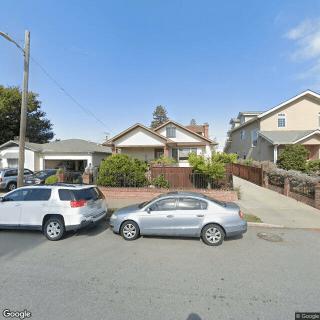



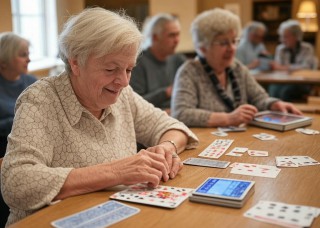 Effective Strategies for Keeping Seniors' Minds Active: A Deep Dive into Brain Games and Apps
 In-Depth Look at the VA Aid and Attendance Program
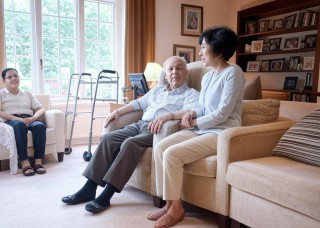 Nurturing Our Loved Ones: A Daughter's Journey in Caring for Her Mother