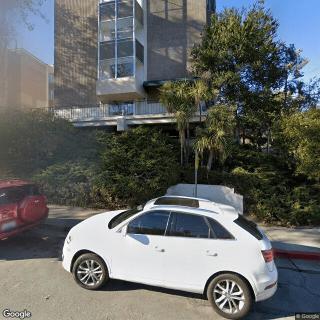
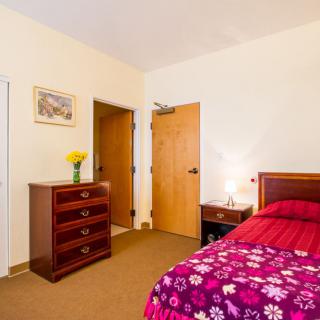
Janie's Home in San Mateo, CA

Information last verified:

197 Flying Cloud Isle, San Mateo, CA 94404

For more information about senior living options: (844) 490-3973

4.6 from 100 reviews
5 stars
78
4 stars
14
3 stars
2
2 stars
1
1 stars
5

Seniors.FYI Elite Community Awards

Top 5% Senior Living Community in 2021Top 5% Senior Living Community in 2022

Add this award to your website

Overall Review of Janie's Home

Pros

  • pro Atria Foster Square is top notch.
  • pro It feels like a five-star hotel.
  • pro The staff are beyond amazing and go above and beyond.
  • pro Residents love living there and enjoy the friendly, caring atmosphere.
  • pro The meals are restaurant-quality and require no planning, cooking, or cleanup.
  • pro The community offers light-filled spaces, engaging activities, and trips to local parks and exhibits.
  • pro The environment is modern, luxurious, clean, and well-maintained.
  • pro The dining and culinary experience are exceptional, like a high-end restaurant.
  • pro The staff are courteous, knowledgeable, and easy to communicate with.
  • pro Service and hospitality are excellent across all levels.
  • pro The atmosphere is warm, welcoming, and feels like a big family.
  • pro Families report peace of mind knowing their loved ones are well cared for.

Cons

  • pro They warned not to be fooled by the pretty exterior, because the care did not reflect it.
  • pro They moved out within 30 days because it was dangerous for their relative to remain there.
  • pro In the first 30 days, their grandmother fell six times, two of which required ER visits.
  • pro The care was inconsistent, and night checks were intrusive.
  • pro It could take five minutes to locate a staff member, while one or two workers were often scrolling on their phones.
  • pro The staff were not courteous to visitors; one staff member, Cristal, refused to help and caused embarrassment.

Review

This community is best suited for families seeking a luxury, socially vibrant senior living environment that can accommodate independent, assisted, and memory-care needs under one roof. It targets residents who value restaurant-quality dining, a robust calendar of activities, and hotel-like amenities, along with attentive staff who cultivate a warm, welcoming atmosphere. For memory-care seniors, the model emphasizes purposeful engagement, classes, outings, and culturally rich programming, that helps keep cognition and mood active while providing discreet support. In short, it serves well-heeled, socially minded elders who want daily stimulation, convenience, and a strong sense of belonging.

Those weighing alternatives should consider options that prioritize medical oversight, staffing consistency, and a lower emphasis on resort-style amenities. Families with loved ones who have complex medical or behavioral needs, or who require near-perfect staffing reliability around the clock, may find the luxury model too thinly spread if care levels must flex rapidly. Budget is another practical brake; the upscale build, dining, and programming come at a premium, so families seeking more straightforward, value-driven care, perhaps with smaller, intimate settings, will want to explore other local options. Location-specific realities also matter: for families who need tighter proximity to medical networks or daily in-person family involvement, a different neighborhood could offer more practical convenience.

On the plus side, the dining program consistently reads like a high-end restaurant, with menus, presentation, and variety that residents praise as a standout feature. The activity slate is broad and energetic, ranging from cultural celebrations to fitness classes and excursions, which creates meaningful opportunities for social connections and reminiscence. Staff across departments are repeatedly described as courteous, compassionate, and customer-service oriented, with management that emphasizes a seamless, well-coordinated experience. The overall environment, well-lit, modern, and thoughtfully designed, supports safety, socialization, and comfort, reinforcing a sense of resort-like living without sacrificing access to care.

Nevertheless, the strongest caveat in these reviews centers on the consistency of care as needs change. Several accounts raise concerns about safety and reliability during critical moments, such as falls or interim misalignment between a resident’s care level and the staff capacity to respond. Instances where staff appeared inattentive or distracted, and reports of difficulties locating assistance at times, underscore the risk that high-end aesthetics cannot compensate for gaps in hands-on supervision. Another recurring theme is the possibility of mismatched expectations around medical support: residents are not in a medical facility, and while medication management and alerts are in place, families must explicitly confirm that the level of clinical oversight meets their loved one’s required acuity.

The key to weighing pros against cons lies in rigorous pre-admission assessment and proactive planning. The alluring amenities, superior dining, and vibrant programming are meaningful levers for quality of life and can dramatically offset the downsides for residents whose care needs align with the community’s strengths. Yet for those whose loved ones require constant clinical monitoring, immediate intervention, or unwavering, 24/7 supervision, these advantages may not fully compensate for potential care-flexibility gaps. A decisive step is to insist on a detailed care assessment, documented staffing ratios, and a time-bound trial or observation period that tests how well the unit handles peak needs, medication routines, and safety checks.

In the end, the decision comes down to alignment of needs with the community’s strengths. For families pursuing a stylish, highly engaged environment where meals, activities, and social life are front and center, this model offers compelling merit and proven satisfaction from many residents and families. For those prioritizing steadfast clinical oversight and ironclad consistency in daily care, it is prudent to compare with smaller, more intimate settings or other campuses that publicly demonstrate stronger staffing guarantees and clearer pathways for escalating care. Tour multiple options, request transparent care plans, and speak with current residents and families to discern whether the level of service matches the promised luxury and the resident’s care requirements.

Features

Housing

  • 6 resident community capacity 6 resident community capacity

Types of Care

  • Assisted Living Assisted LivingAssisted living facilities provide crucial support and care for seniors who may need help with daily tasks such as medication management, bathing, and meal preparation. These communities offer a safe and comfortable environment where seniors can maintain their independence while receiving the assistance they need to thrive in their golden years.
  • Board and Care Home Board and Care HomeBoard and care homes provide a smaller, more intimate setting for seniors who require assistance with daily tasks but do not need the level of care offered by a nursing home. They offer personalized care, meals, and social activities in a homelike environment, ensuring that seniors receive individualized attention and support in their golden years.

Amenities

  • Cable or satellite TV Cable or satellite TVCable or satellite TV is important for seniors because it provides entertainment, news, and companionship, helping to combat loneliness and boredom. It also offers a wide range of programming options tailored to different interests and preferences.
  • Dining room Dining roomDining rooms are important for seniors as they provide a space for socialization, connection, and nutritious meals. They offer opportunities for residents to bond over shared meals, foster a sense of community, and promote healthy eating habits. Dining rooms also ensure that seniors have access to well-balanced meals tailored to their dietary needs and preferences.
  • Fully furnished Fully furnishedFully furnished senior living communities are important for seniors because they provide convenience, comfort, and a hassle-free moving experience. Seniors can easily settle into their new living space without the stress of having to buy and move furniture. This allows them to focus on enjoying their new home and community.
  • Garden GardenGardens are important for seniors as they provide a peaceful and therapeutic environment for relaxation, physical activity, and socialization. Being in nature has been shown to reduce stress, improve mood, and promote overall well-being. Gardens also offer opportunities for seniors to engage in gardening activities, which can improve mobility, flexibility, and cognitive function. Additionally, gardens create a sense of community and connection with others who share a passion for plants and outdoor spaces.
  • Housekeeping services Housekeeping servicesHousekeeping services are important for seniors because they help maintain a clean and safe living environment, promote independence, and reduce the risk of accidents or illnesses. Additionally, having assistance with household chores can alleviate physical strain and allow seniors to focus on other aspects of their well-being.
  • Move-in coordination Move-in coordinationMove-in coordination is important for seniors because it helps ease the transition into their new living environment. It ensures that all logistics, such as packing, organizing movers, and setting up utilities are taken care of, allowing seniors to focus on settling in and adjusting to their new home. Having a smooth move-in process can alleviate stress and anxiety, making the transition smoother and more enjoyable for seniors.
  • Outdoor space Outdoor spaceOutdoor spaces are important for seniors as they provide opportunities for physical activity, social interaction, exposure to natural light and fresh air, and a sense of connection to nature. Having access to outdoor spaces can improve overall well-being and quality of life for older adults living in senior communities.
  • Telephone TelephoneTelephones are important for seniors as they provide a lifeline for communication with loved ones, emergency services, and healthcare providers. They offer a sense of security and independence, enabling seniors to stay connected and access assistance when needed.
  • Wi-Fi/high-speed internet available Wi-Fi/high-speed internet availableWi-Fi/high-speed internet is important for seniors to stay connected with loved ones, access online resources, and participate in virtual activities to combat feelings of loneliness and isolation. It also allows them to easily manage healthcare needs, access entertainment, and engage in lifelong learning opportunities.

Transportation

  • San Francisco International (7 miles away) San Francisco International (7 miles away)
  • Metropolitan Oakland International (11 miles away) Metropolitan Oakland International (11 miles away)
  • San Jose International (23 miles away) San Jose International (23 miles away)

Care Services

  • 24-hour supervision 24-hour supervision24-hour supervision is important for seniors to ensure their safety, well-being, and access to immediate assistance in case of emergencies or health issues. This constant support provides peace of mind for both seniors and their loved ones, allowing them to age in place with dignity and security.
  • Activities of daily living assistance Activities of daily living assistanceActivities of daily living assistance are important for seniors because they provide essential support with tasks such as eating, bathing, dressing, and mobility. This assistance helps seniors maintain their independence, dignity, and overall quality of life as they age.
  • Assistance with bathing Assistance with bathingAssistance with bathing is crucial for seniors as it helps maintain personal hygiene, prevents infections, and ensures their overall well-being and comfort. It also provides a sense of dignity and independence for seniors who may struggle with this task on their own.
  • Assistance with dressing Assistance with dressingAssistance with dressing is important for seniors because it helps maintain their independence, promotes personal hygiene, prevents accidents and injuries, and improves overall quality of life. This service ensures that seniors can continue to dress comfortably and confidently, despite any physical limitations they may have.
  • Assistance with transfers Assistance with transfersAssistance with transfers is crucial for seniors as it helps prevent falls and injuries, maintains their independence, and ensures they can safely navigate their living environment. It also provides peace of mind for both seniors and their loved ones.
  • Coordination with health care providers Coordination with health care providersCoordination with health care providers is crucial for seniors to ensure proper medical care, medication management, and overall well-being. This collaboration helps prevent overlapping treatments, track progress more effectively, and provide comprehensive support tailored to individual needs.
  • Diabetes diet Diabetes dietA diabetes diet is crucial for seniors as it helps manage blood sugar levels, reduce risks of complications, and improve overall health and well-being. By following a balanced and nutritious diet tailored to their specific needs, seniors can better control their diabetes and enhance their quality of life.
  • Meal preparation and service Meal preparation and serviceMeal preparation and service are crucial for seniors as they may have limited mobility or energy to cook nutritious meals. Having access to healthy and convenient food options can ensure they are getting the proper nutrition needed to maintain their overall health and well-being.
  • Medication management Medication managementMedication management is crucial for seniors to ensure they are taking the right medications at the correct dosages and times. This helps prevent adverse drug interactions, reduces the risk of medication errors, and promotes overall health and well-being. Proactive management also allows for adjustments as needed based on changing health conditions or new prescriptions.
  • Special dietary restrictions Special dietary restrictionsSpecial dietary restrictions are important for seniors because age-related changes in metabolism and health conditions can make it difficult for their bodies to process certain foods. By following a diet tailored to their specific needs, seniors can maintain their overall health and well-being, manage chronic conditions, and reduce the risk of complications such as malnutrition or food interactions with medications.
  • Transportation arrangement (medical) Transportation arrangement (medical)Transportation arrangements for medical purposes are essential for seniors as they may have difficulty driving themselves to appointments or accessing public transportation. Having reliable and safe transportation options ensures that seniors can receive timely medical care and maintain their health and well-being.
  • Transportation to doctors appointments Transportation to doctors appointmentsTransportation to doctors' appointments is crucial for seniors as it ensures they have access to necessary medical care and support for their health needs. Without reliable transportation, seniors may struggle to attend important appointments, leading to potential delays in treatment and health complications. Providing transportation services helps seniors maintain their overall well-being and quality of life.

Dining

  • Diabetes diet Diabetes dietA diabetes diet is crucial for seniors as it helps manage blood sugar levels, reduce risks of complications, and improve overall health and well-being. By following a balanced and nutritious diet tailored to their specific needs, seniors can better control their diabetes and enhance their quality of life.
  • Special dietary restrictions Special dietary restrictionsSpecial dietary restrictions are important for seniors because age-related changes in metabolism and health conditions can make it difficult for their bodies to process certain foods. By following a diet tailored to their specific needs, seniors can maintain their overall health and well-being, manage chronic conditions, and reduce the risk of complications such as malnutrition or food interactions with medications.

Activities

  • Community-sponsored activities Community-sponsored activitiesCommunity-sponsored activities are important for seniors as they provide opportunities for social interaction, mental stimulation, and physical activity. These activities can help improve overall well-being, combat loneliness and isolation, and promote a sense of belonging and purpose among older adults.
  • Scheduled daily activities Scheduled daily activitiesScheduled daily activities are important for seniors because they provide structure, socialization, mental stimulation, and physical activity. Engaging in regular activities can improve overall well-being and quality of life for seniors living in a community setting.

Description

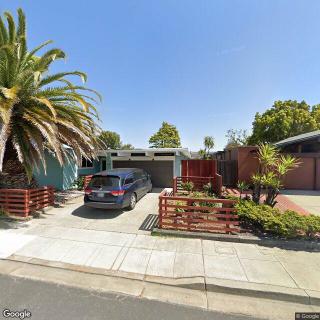
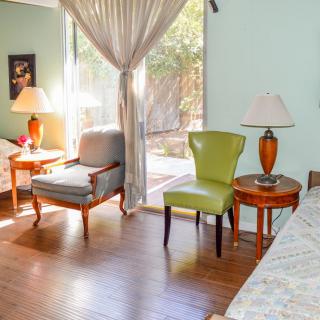
Janie's Home, located in the heart of San Mateo, CA, offers a welcoming and comfortable board and care home environment tailored for seniors seeking assistance with daily living activities while maintaining their independence. With a focus on personalized care, residents enjoy a range of amenities designed to enhance their quality of life. The fully furnished accommodation includes a cozy dining room where delicious meals are served, beautiful outdoor spaces for relaxation and socialization, and meticulously maintained gardens.

At Janie’s Home, every detail is attended to with services such as housekeeping, move-in coordination, and high-speed internet access available throughout the premises. Residents can partake in scheduled daily activities that promote engagement and community spirit.

The dedicated staff provides comprehensive care services including assistance with bathing, dressing, transfers, medication management, and coordination with healthcare providers. Special dietary needs are carefully catered to ensure each resident receives nutritious meals prepared according to their preferences.

The community is conveniently located near various local attractions with easy access to cafes, parks, restaurants, pharmacies, hospitals, theaters, and transportation options for medical appointments. Janie's Home not only provides exceptional support but also fosters a vibrant community atmosphere where residents can thrive socially and emotionally in their golden years.

Nearby Places of Interest

Restaurants

  • McDonald's (0.6 miles)
  • In-N-Out Burger (3.6 miles)
  • Chick-Fil-A (5 miles)
  • In-N-Out Burger (5.4 miles)
  • New England Lobster Market & Eatery (6.8 miles)
  • In-N-Out Burger (7.1 miles)
  • Lark Creek Grill (7.6 miles)

Parks

  • Leo J Ryan Memorial Park (0.8 miles)
  • Marlin Park (2.5 miles)
  • Central Park (3.4 miles)
  • Coyote Point County Park (4 miles)
  • Laurelwood Park (4.4 miles)
  • Burton Park (4.6 miles)
  • Washington Park (4.7 miles)

Pharmacies

  • CVS Pharmacy (0.9 miles)
  • Walgreens (2.8 miles)
  • CVS Pharmacy (2.9 miles)
  • CVS Pharmacy (3.1 miles)
  • Walgreens (3.5 miles)
  • CVS Pharmacy (3.6 miles)
  • CVS Pharmacy (4.1 miles)

Cafes

  • Starbucks (1.3 miles)
  • Philz Coffee (5.7 miles)
  • Starbucks (5.7 miles)
  • Coffeebar (5.7 miles)
  • Starbucks (7.2 miles)
  • San Francisco Giants Clubhouse (8 miles)
  • Café Venetia (9.8 miles)

Transportation

  • Hillsdale Station (2.7 miles)
  • San Carlos Airport (SQL) (3.4 miles)
  • San Carlos Airport Control Tower (3.8 miles)
  • Redwood City Caltrain Station (5.7 miles)
  • Millbrae Caltrain Station (7.4 miles)
  • Boarding Area C (7.6 miles)
  • Boarding Area D (7.6 miles)

Theaters

  • Cinepolis San Mateo (2.9 miles)

Hospitals

  • San Mateo Medical Center (3.1 miles)
  • Mills-Peninsula Radiology (3.6 miles)
  • Kaiser Permanente Redwood City Medical Center (5.5 miles)
  • Sequoia Hospital (5.9 miles)
  • Mills-Peninsula Health Services (7 miles)
  • A & C Convalescent Hospital (7.9 miles)
  • VA Medical Center-Menlo Park (8.7 miles)

Physicians

  • Urology: San Carlos Center: Palo Alto Medical Foundation (3.4 miles)
  • Bundy Opticians (3.5 miles)
  • California Skin Institute (3.8 miles)
  • California Skin Institute (5.5 miles)
  • Kaiser RWC Birch Building (5.7 miles)
  • Redwood City Women's Health Center (6 miles)
  • CCRM Fertility of San Francisco (7.2 miles)

Frequently Asked Questions

Where is Janie's Home?

Nearby Communities

  • Sonas Home

    Sonas Home

    San Mateo, CA


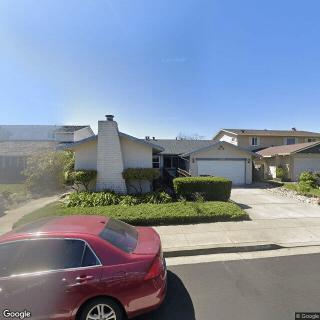
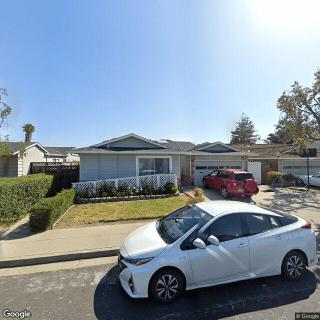
    pro Small, personalized setting with comprehensive daily living support and healthcare coordination.
  • Sonas Homes

    Sonas Homes

    Foster City, CA


  • Five Star Care Home II

    Five Star Care Home II

    San Mateo, CA

    5 from 1 review
    $2,500 to $4,200 / month

    pro Competitive pricing for memory care with 24/7 supervision and ADL support.

  • Stilt Court Regency Care Home

    Stilt Court Regency Care Home

    Foster City, CA


    pro Excellent access to healthcare and nearby amenities (pharmacies, physicians, hospitals, dining, transportation).

  • Angelique Residential Care Home

    Angelique Residential Care Home

    Foster City, CA

    3 from 1 review
     

    pro Personalized care in a cozy, homelike setting.

  • Sandpiper Court

    Sandpiper Court

    Foster City, CA


    pro Personalized 24/7 care with meals and housekeeping.

  • Atria at Foster Square

    Atria at Foster Square

    Foster City, CA

    4.6 from 204 reviews
    $7,000 to $12,900 / month

    pro Bright, clean, upscale community with friendly staff and engaging activities.

  • Bonnie Brae Terrace

    Bonnie Brae Terrace

    Belmont, CA

    4.2 from 21 reviews
     

    pro Varied resident activities and a dedicated fourth-floor unit for higher care in a pleasant setting.

  • Burlingame Villa

    Burlingame Villa

    Burlingame, CA

    3.7 from 18 reviews
    $4,395 to $5,595 / month

    pro Caring, attentive staff in a home-like setting with a well-kept garden and engaging activities.

Related Resources

  • how to pay for assisted livingFunding and Affording Assisted Living: A Thorough Overview

    Assisted living facilities provide support for older adults needing help with daily activities without extensive medical care, but their costs can be high and vary by location and services offered. Families often seek various funding options and financial strategies to manage these expenses effectively while considering future needs and potential price increases.

  • assisted living insuranceAssisted Living Expenses and Long-Term Care Insurance: A Comprehensive Exploration

    The article discusses assisted living expenses, the importance of long-term care insurance in covering these costs, and various financing options, highlighting the need for careful policy review and early planning to address potential needs. It also clarifies common misconceptions about Medicare and private health insurance limitations regarding long-term care coverage.

  • how to pay for assisted livingSecuring Financial Support for Assisted Living: A Comprehensive Overview

    Assisted living facilities offer crucial support for older adults needing help with daily activities but come with varying and significant costs, which can be financed through personal savings, government assistance programs, long-term care insurance, and home equity options. Professional guidance from experts can aid families in navigating these financial complexities to establish a sustainable budgeting approach for assisted living services.