
Harmony Assisted Living Of San Mateo

Save

  • Interior

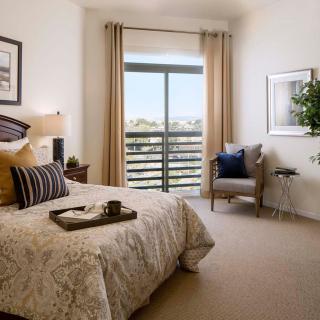
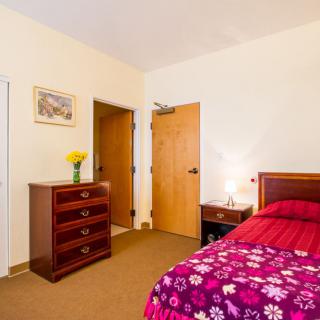
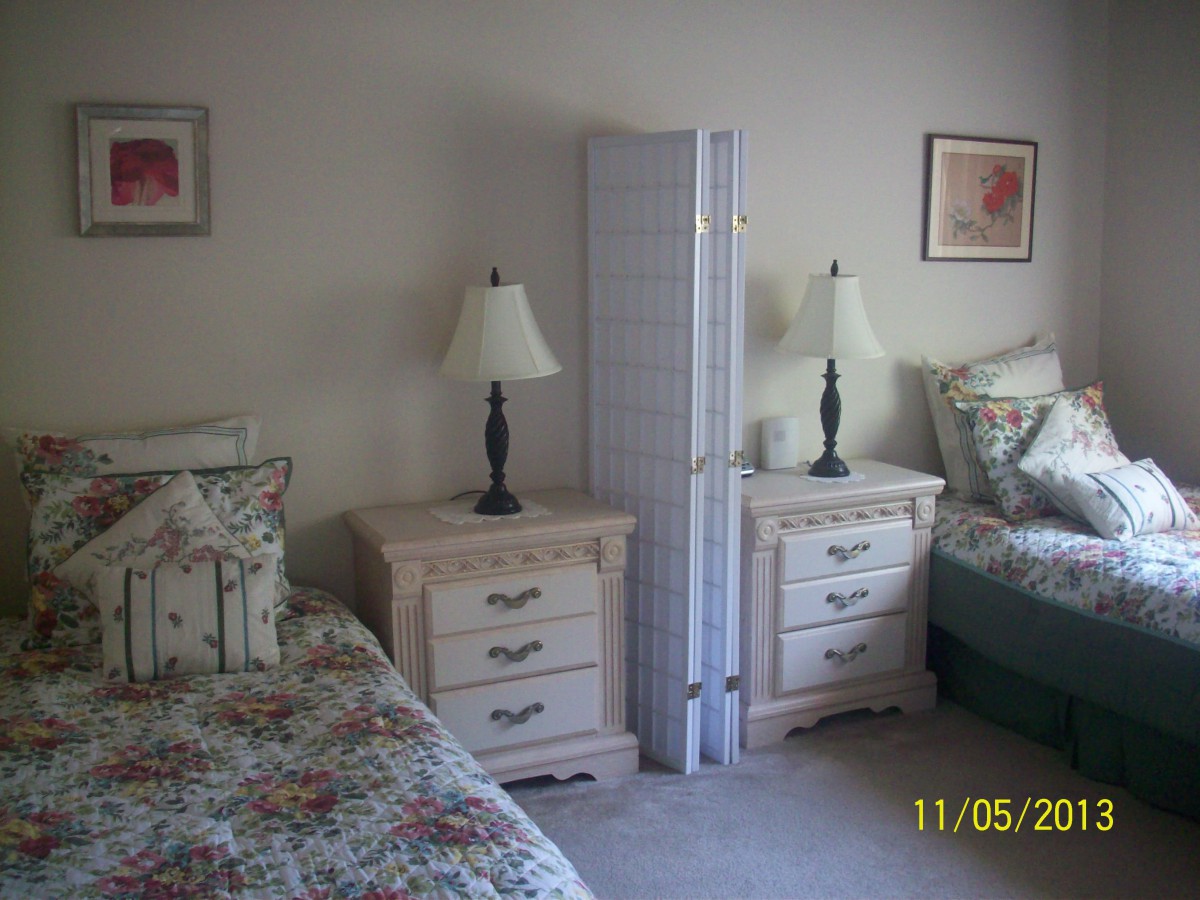
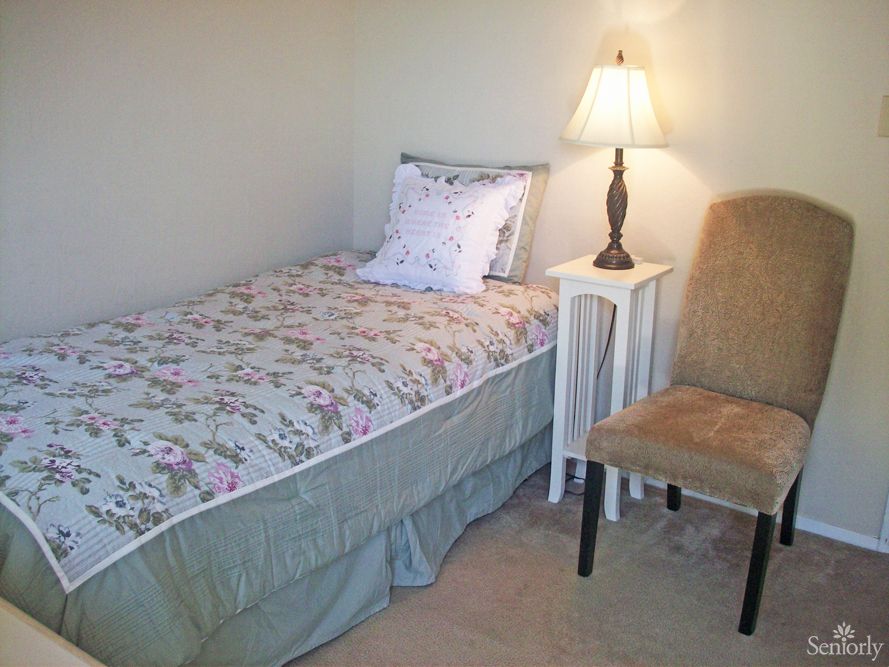
    A cozy bedroom with a single bed, nightstand, and chair under a warm lamp.
  • Outdoors

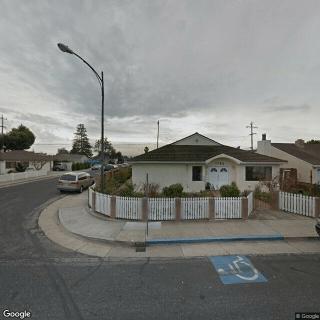
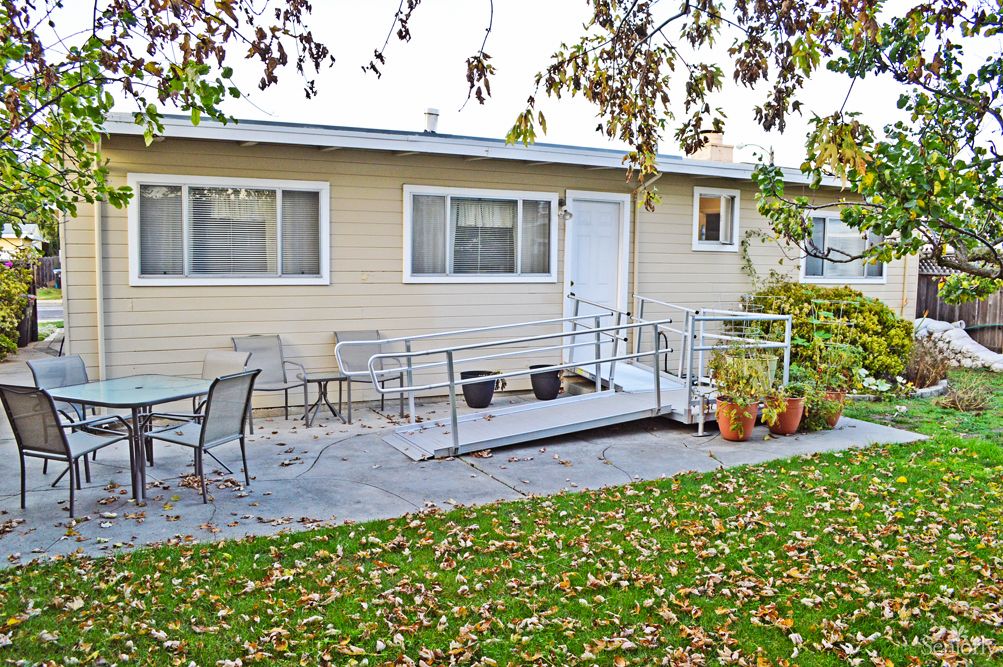
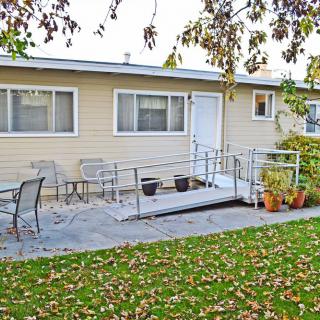
    A house with a ramp leading to the entrance, surrounded by a patio with chairs and autumn leaves on the grass.
  • Decor

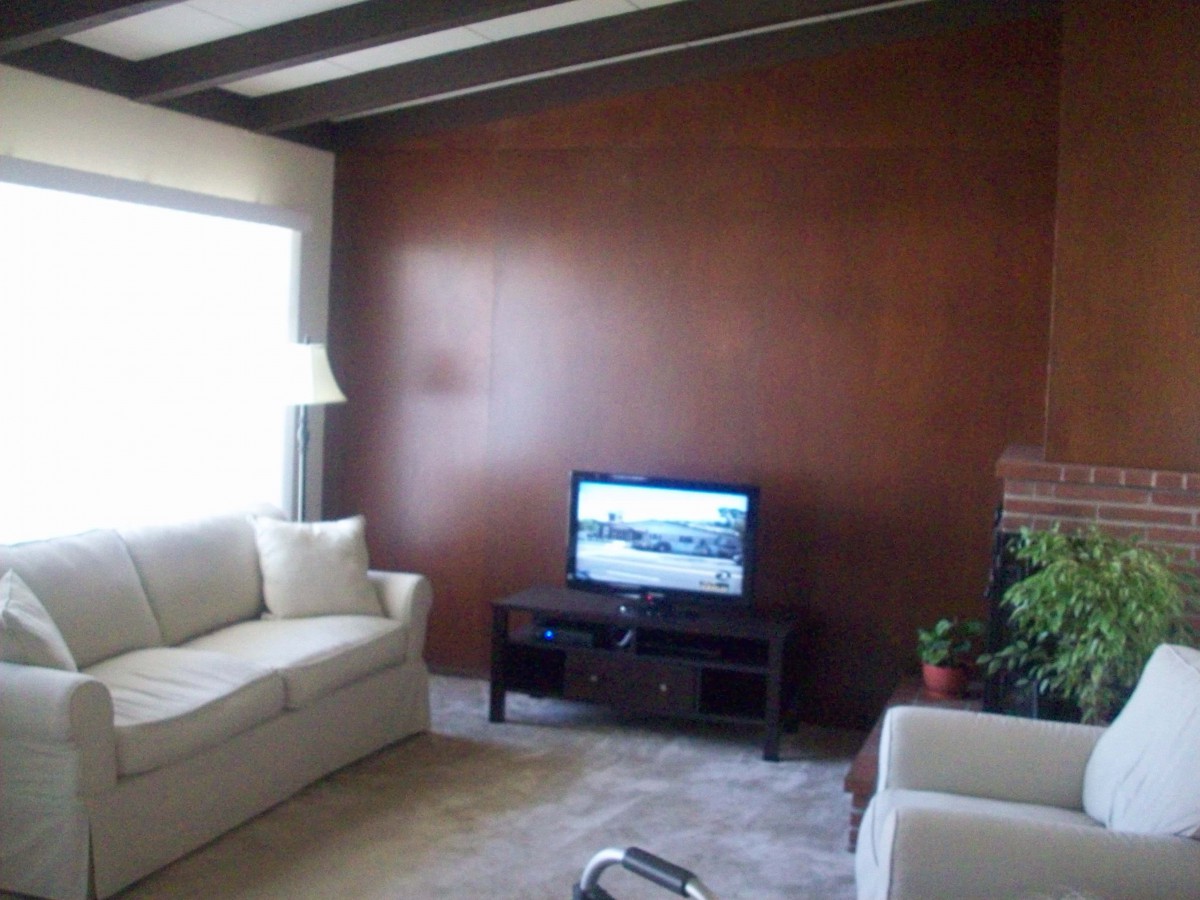
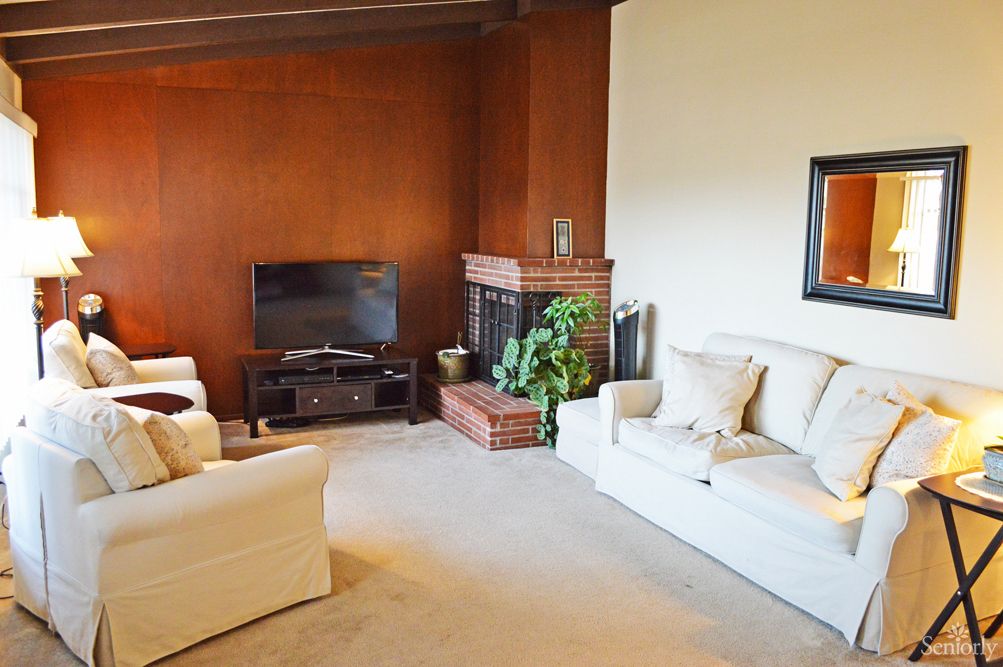
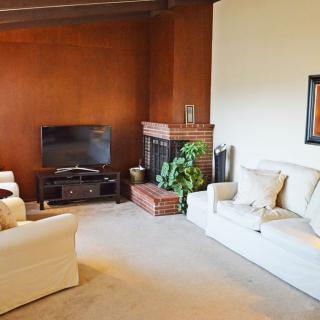
    A cozy living room with sofas, a television, and a fireplace.
  • Living Room

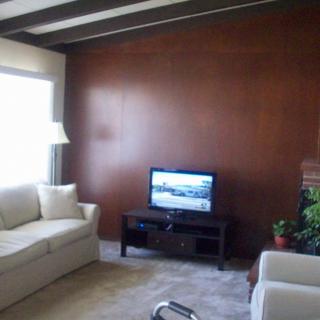
    A cozy living room with a sofa, television, lamp, and wood panel wall.
  • Bedroom

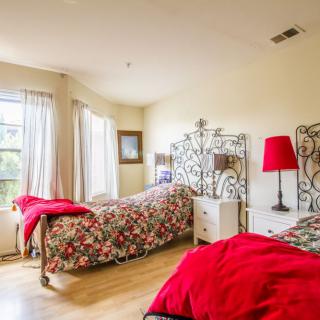
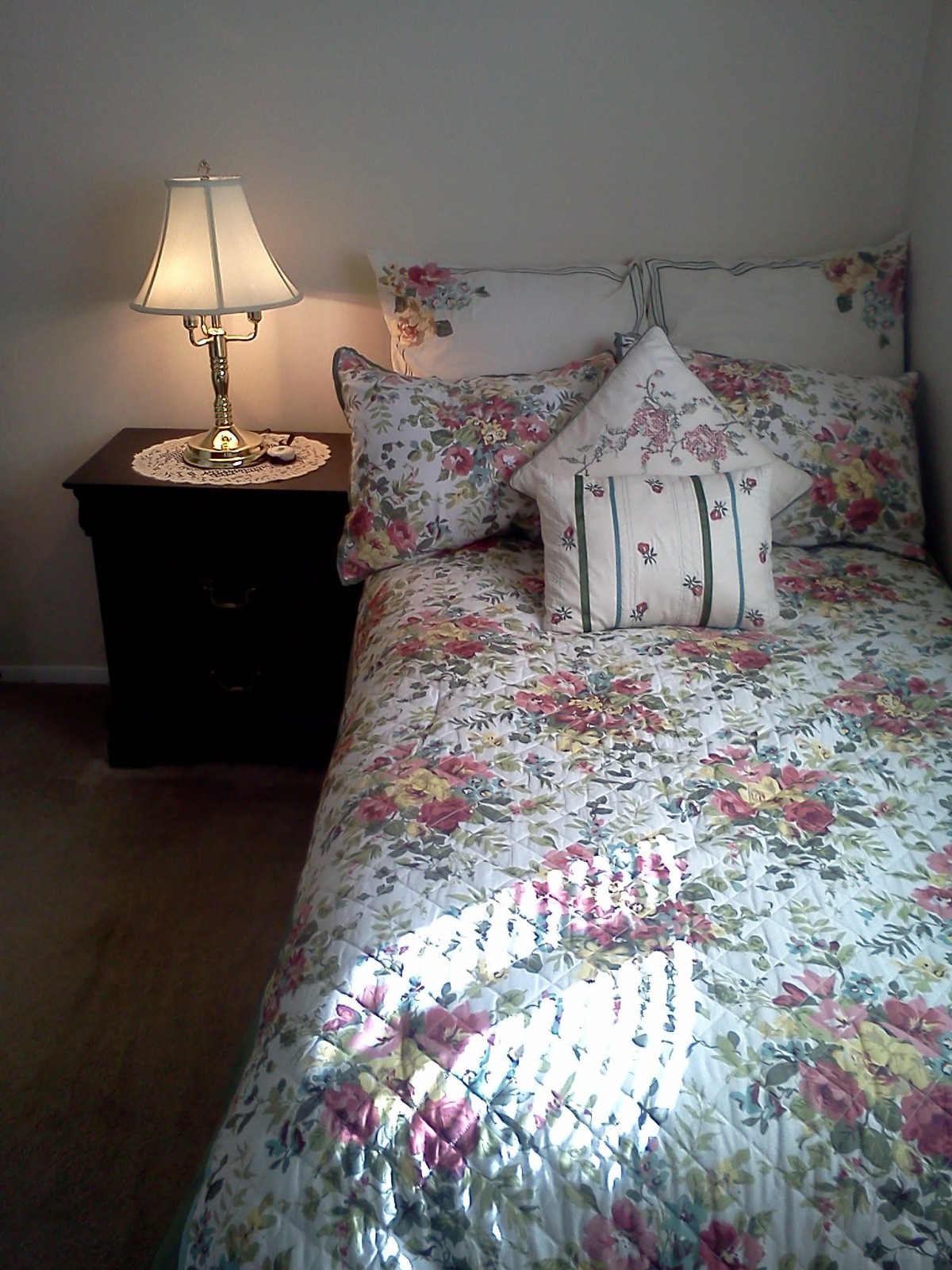
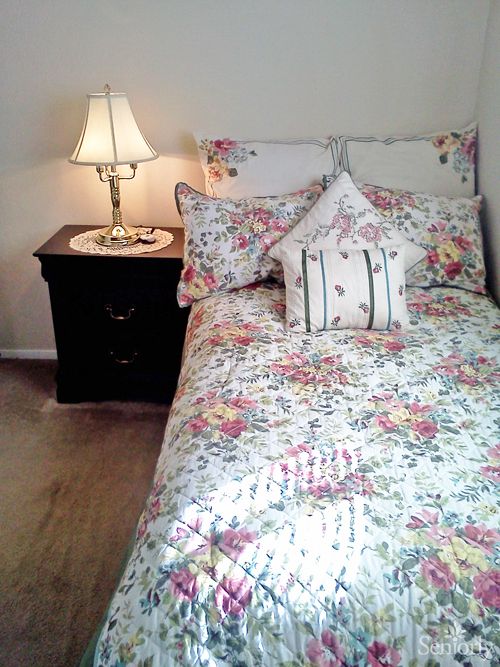
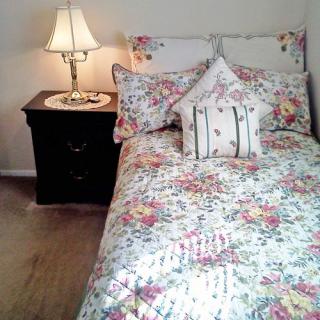
    A cozy bedroom with floral bedding and a lamp on the nightstand.
  • Trees

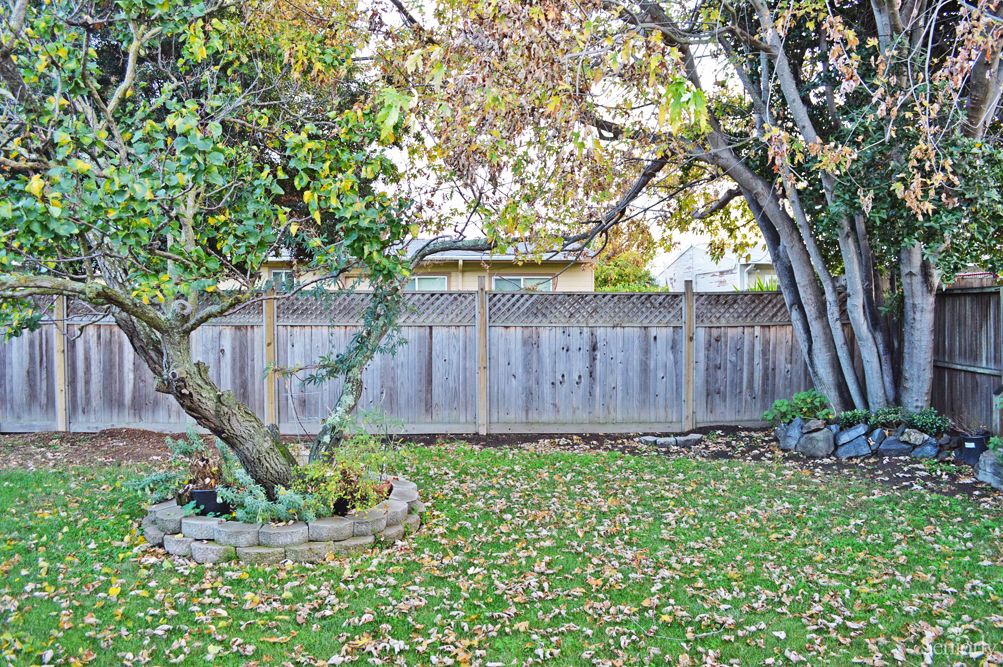
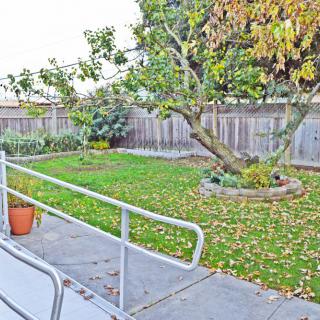
    A serene backyard with trees shedding autumn leaves, framed by a wooden fence.
  • Windows

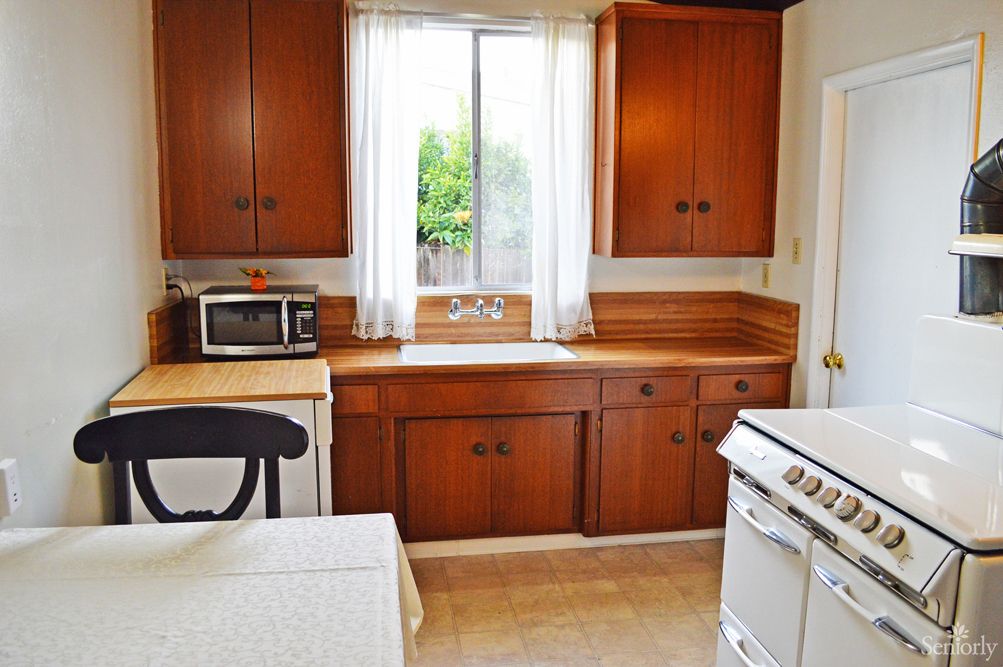
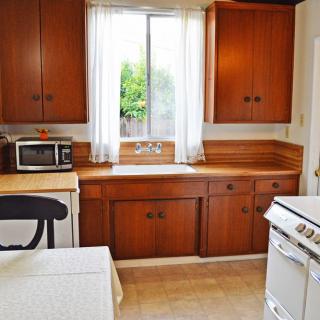
    A cozy kitchen with wooden cabinets, a window above the sink, and essential appliances like a microwave and stove.
  • Landscaping

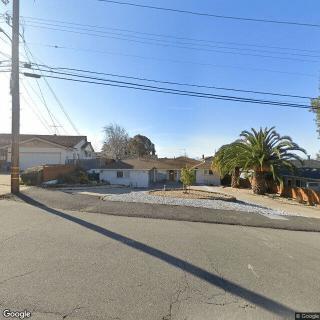
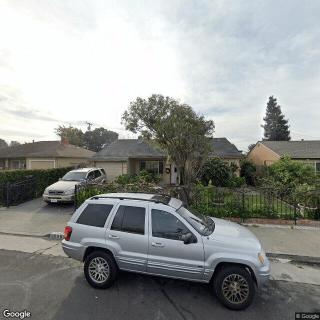
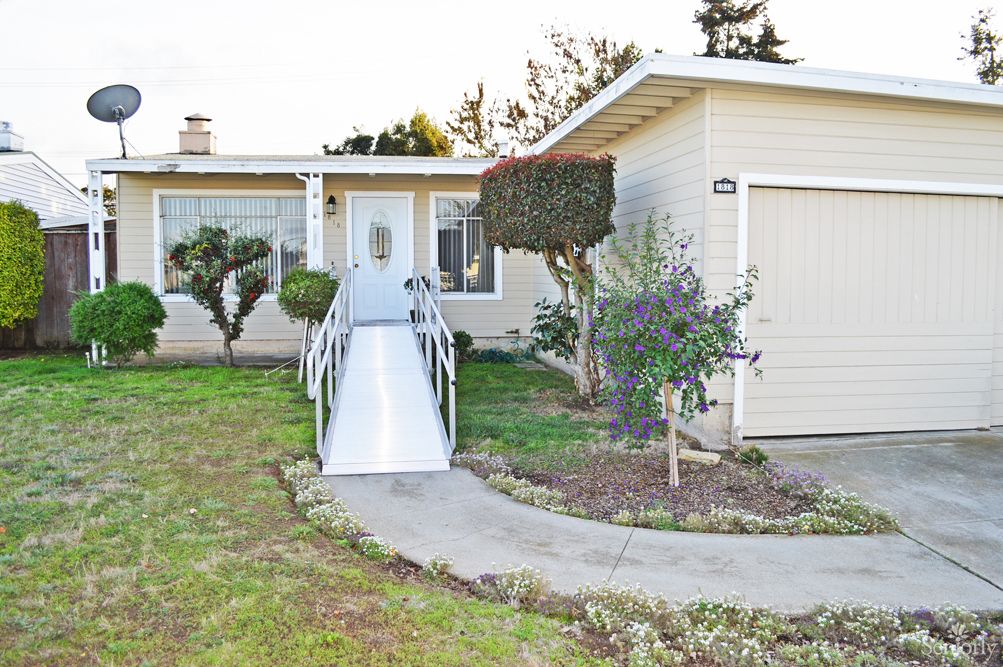
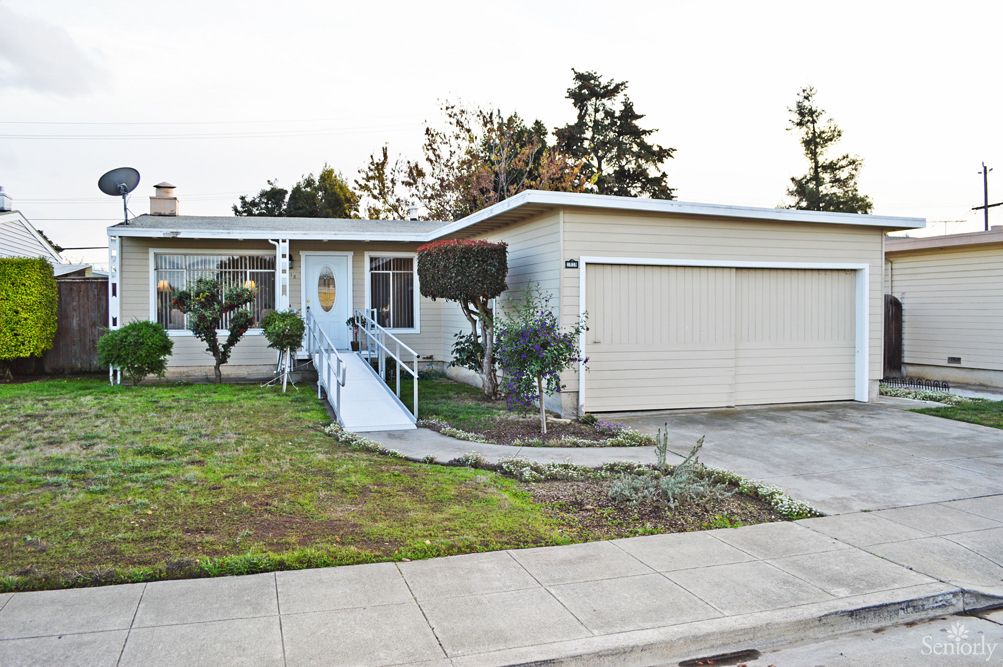
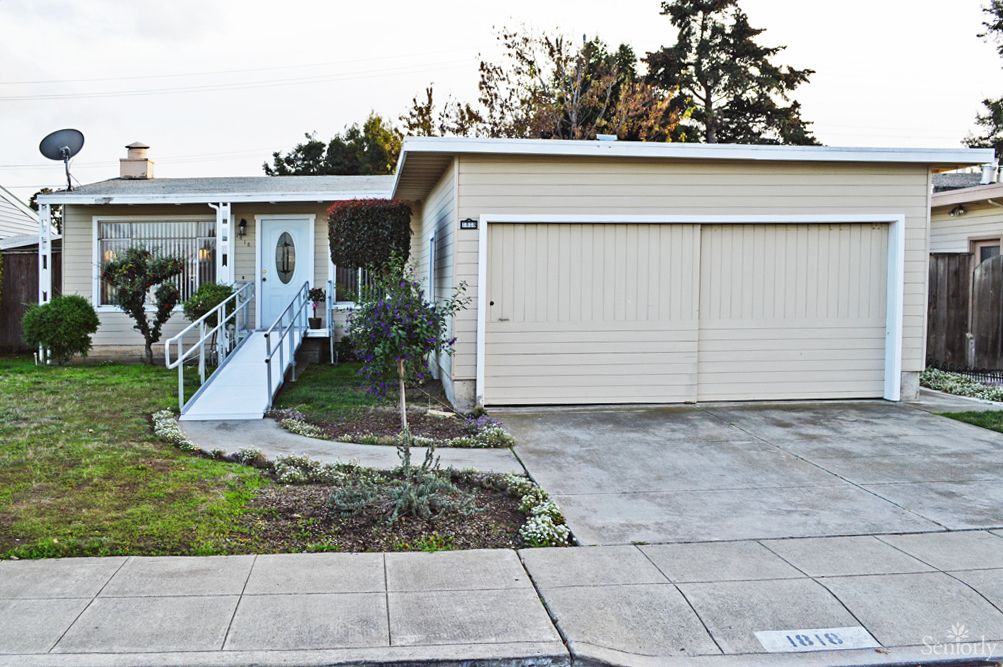
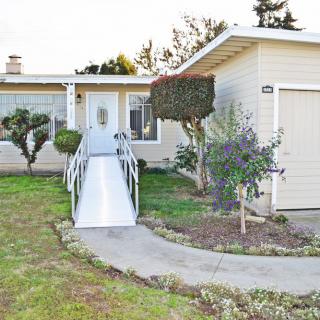
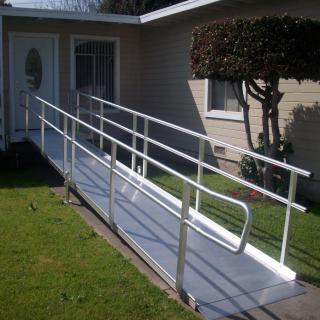
    A single-story house with a wheelchair-accessible ramp leading to the front door.
  • Kitchen

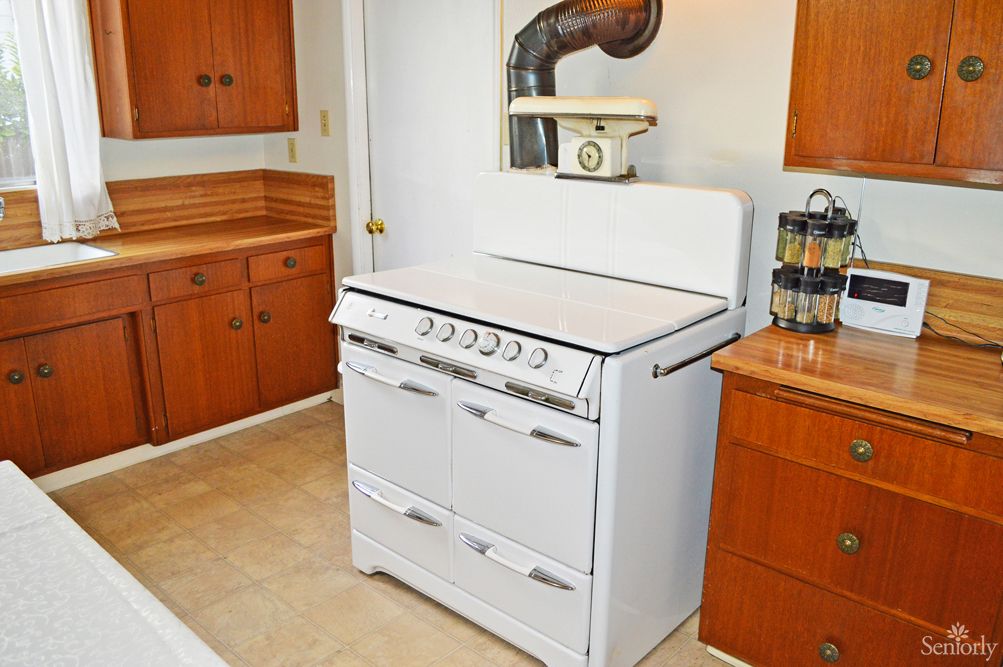
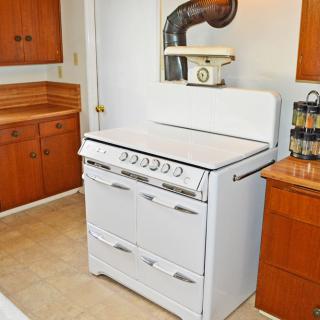
    A retro kitchen with a vintage white stove featuring classic knobs and wooden cabinets.
  • Outdoor

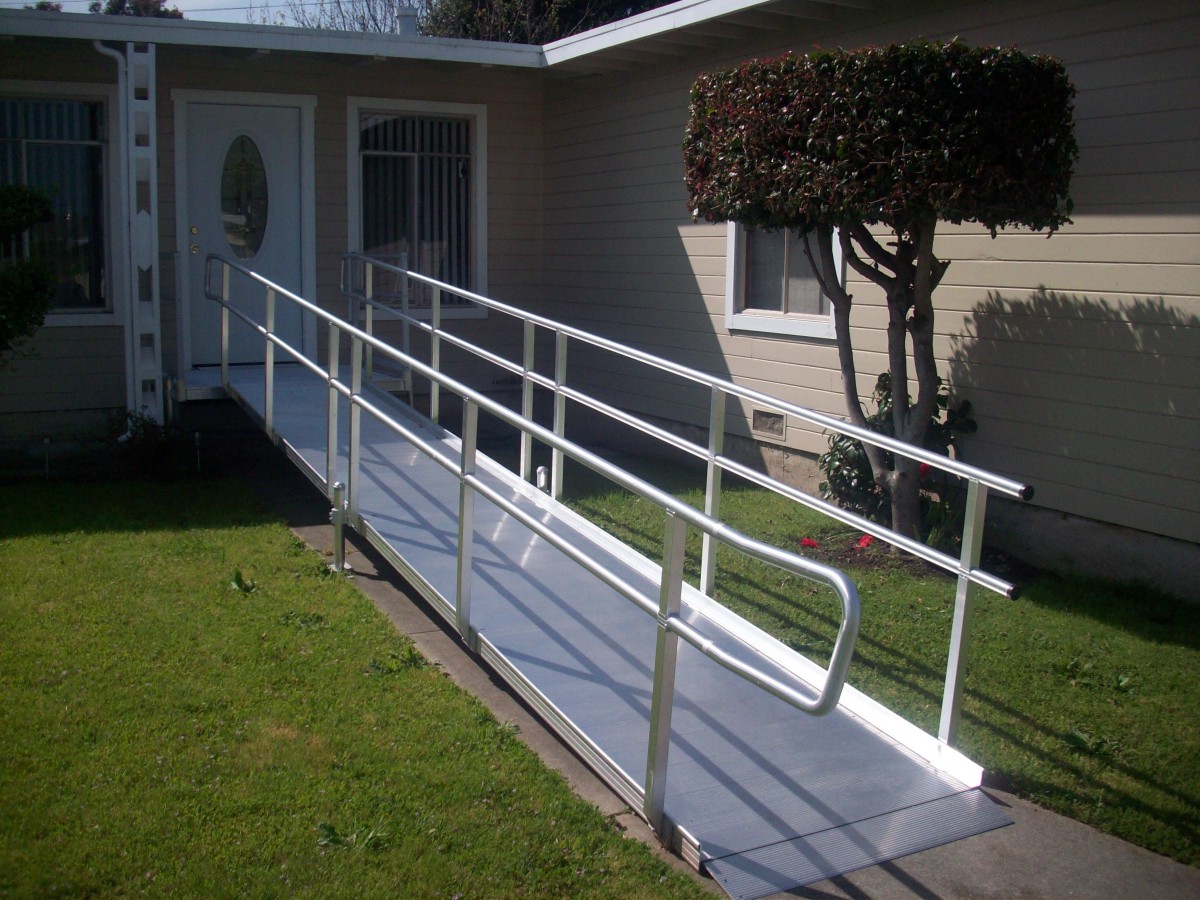
    A wheelchair ramp with railings leading to the front door of a house, enhancing accessibility.
  • Grass

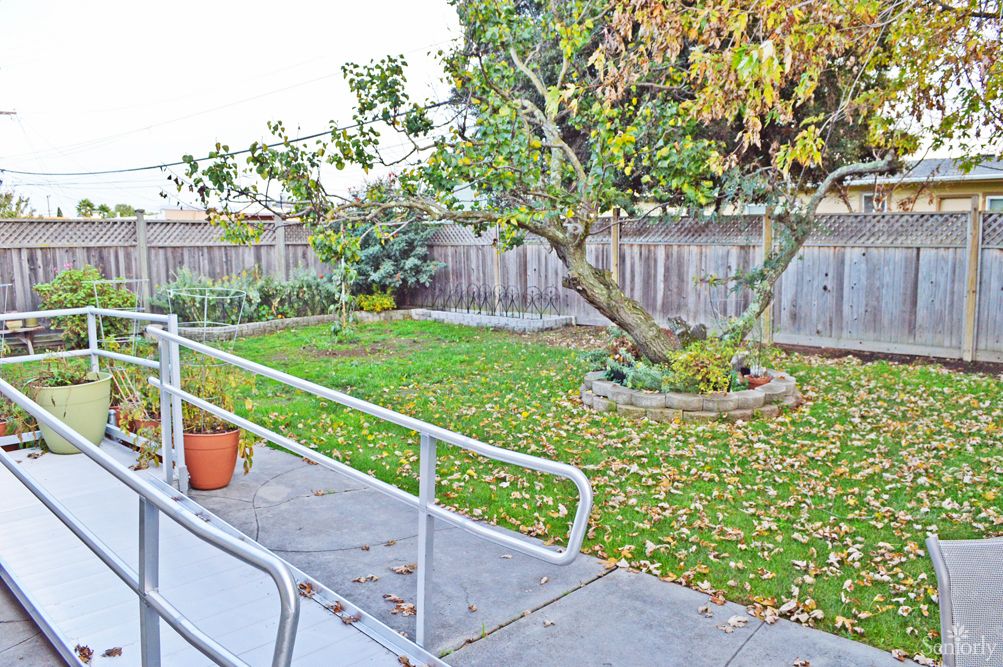
    A backyard with a tree surrounded by fallen leaves, a ramp leading to a concrete sidewalk, and a wooden fence.
  • Dining Table

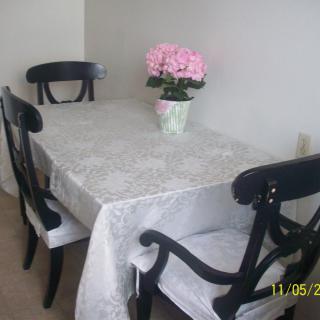
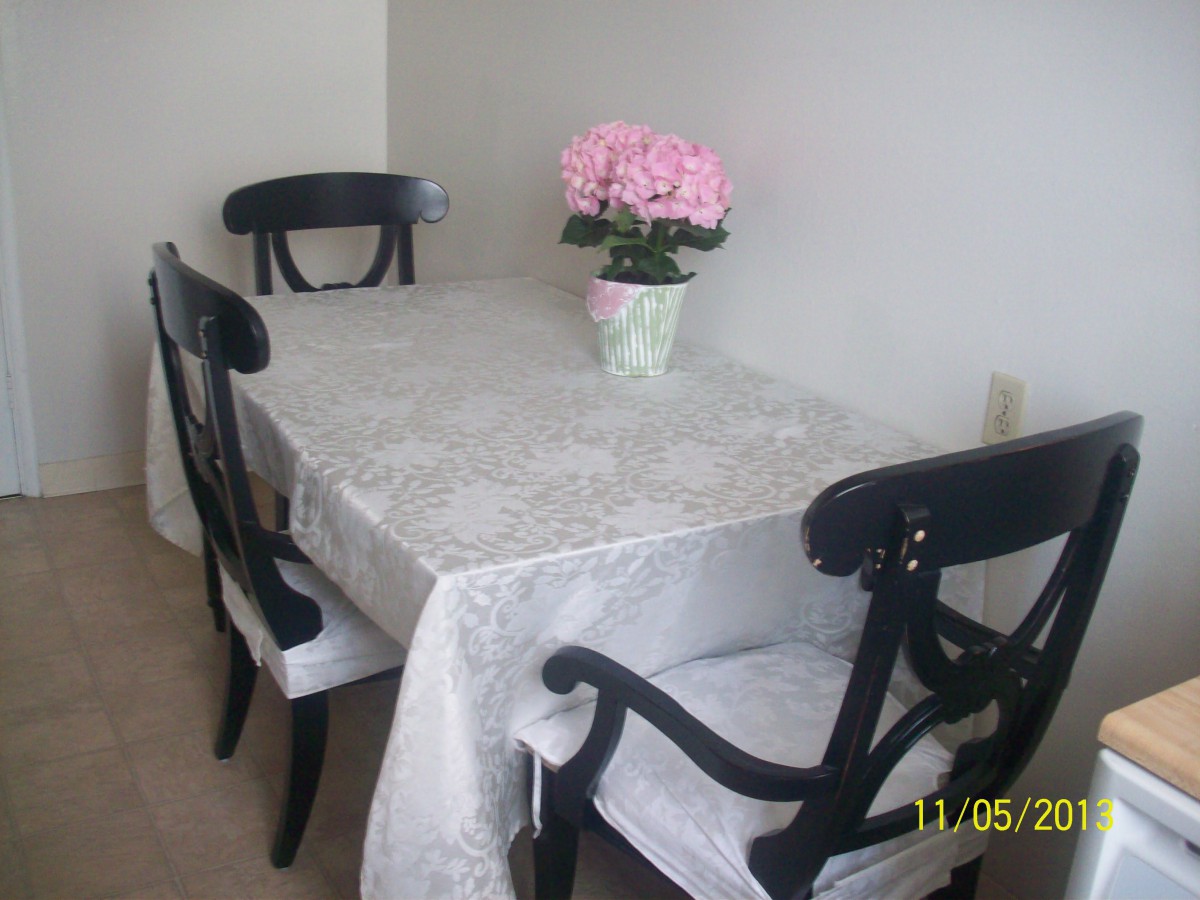
    A cozy dining area with a table adorned with a tablecloth and a potted plant centerpiece.
  • Garage

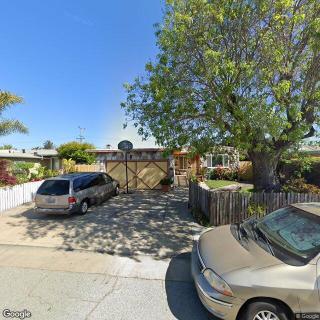
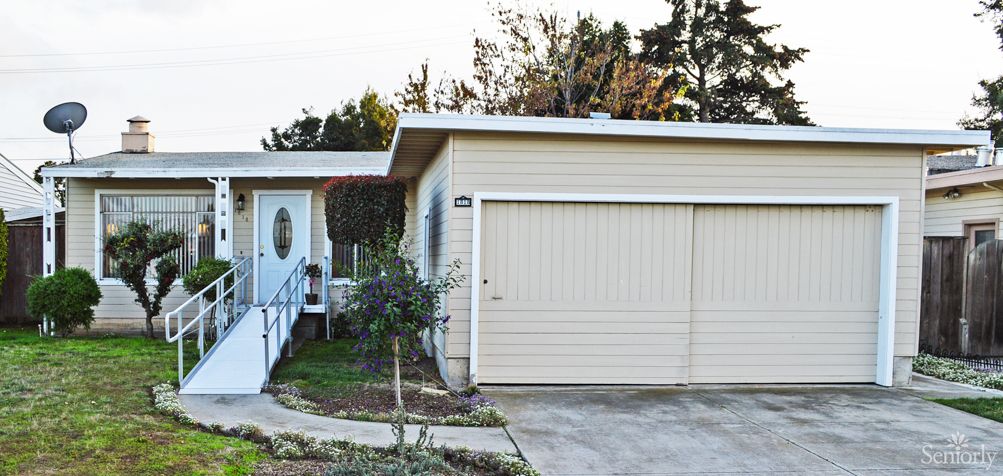
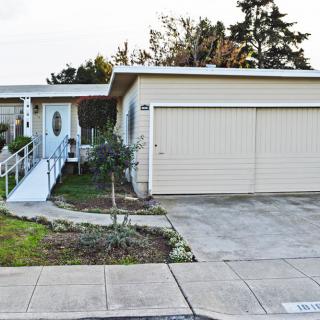
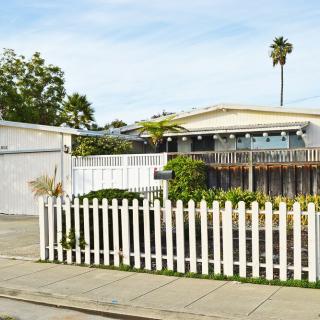
    A suburban house with a garage and a ramp leading to the front door.
  • Interior Decor

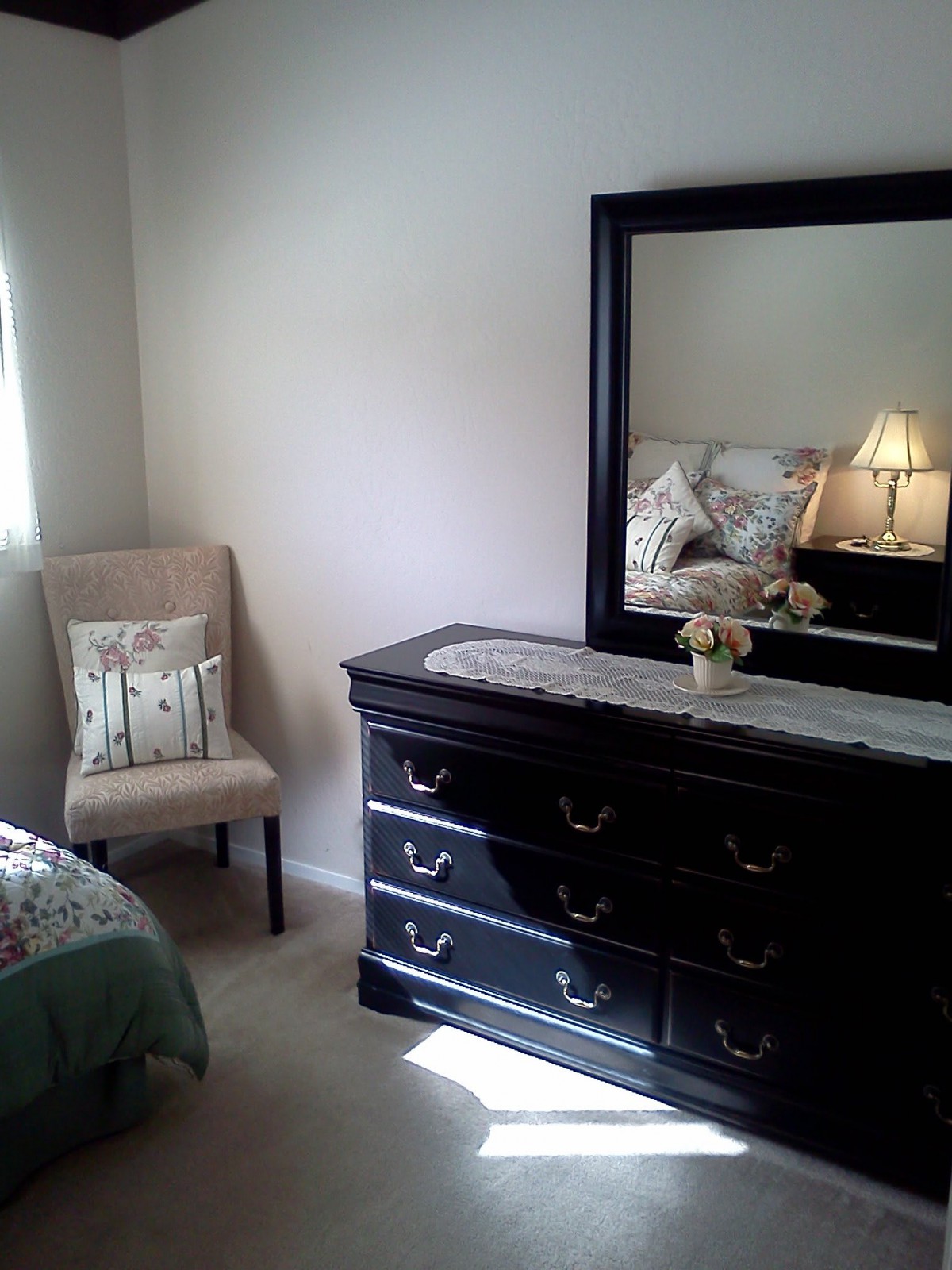
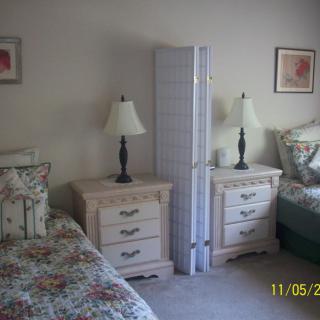
    A bedroom with twin beds, floral bedding, lamps, and a room divider.

Harmony Assisted Living Of San Mateo

1818 Royal Avenue, San Mateo, CA 94401

For more information about senior living options: (844) 490-3973

5 from 5 reviews
5 stars
5
4 stars
0
3 stars
0
2 stars
0
1 stars
0

Assisted Living Board and Care Home Memory Care Respite Care

Harmony Assisted Living Of San Mateo Costs & Pricing

Harmony Assisted Living of San Mateo offers competitive pricing for its residents when compared to both San Mateo County and the broader California state averages. For a semi-private room, the cost is $4,750 per month, which is notably higher than the county average of $3,830 but still reflects the quality of care and amenities provided. In contrast, private rooms at Harmony are priced at $5,750, exceeding both the county's average of $4,281 and California's overall average of $3,939. While these rates may be on the higher side relative to local and state norms, they are indicative of the specialized services and personalized care that Harmony Assisted Living strives to provide. This makes it essential for prospective residents to weigh not just cost but also the value of quality living arrangements tailored to their needs.

Floor plansHarmony Assisted Living Of San MateoSan Mateo CountyCalifornia
Semi-Private$4,750$3,830$3,333
Private$5,750$4,281$3,939

What level of care are you interested in?

Assisted Living

Memory Care

Independent Living

Skilled Nursing Facility

Continuing Care Retirement Community (CCRC)CCRC

Other


Request a tour at Harmony Assisted Living Of San Mateo

    Overall Review of Harmony Assisted Living Of San Mateo

    Pros

    • pro Harmony Assisted Living is a warm, loving, and clean environment that provides tailored, exceptional care.
    • pro The staff are supportive, collaborative, and treat residents like family.
    • pro The facility offers comprehensive on-site care, including a nurse practitioner, podiatrist, hairdresser, daily PTs and OT, and a family pharmacy.
    • pro Terri, the owner and primary caregiver, is a licensed nurse with over 20 years of experience who truly loves her work.
    • pro Families report that their loved ones transition with no regression and stay emotionally and physically well.
    • pro The home-like setting fosters happiness and thriving, with residents appearing content and well cared for.

    Review

    Harmony Assisted Living in San Mateo is best suited for families seeking a small, home-like caregiving environment where a resident can age in place with highly personalized attention. The community earns top marks across multiple reviews for warmth, stability, and a sense of family. It excels when families want direct access to leadership, predictable continuity of caregivers, and a model that feels more like an extended home than a clinical facility. The combination of Terri's experience as a licensed nurse, regular on-site professionals, and a caretaking team that truly treats residents as family makes it a compelling choice for seniors who thrive on emotional connection and personalized care plans.

    Those who may want to consider alternatives include families prioritizing aggressive medical oversight, a broader activity calendar, or a dementia-specific program. Harmony's strengths lie in a cozy, individualized approach rather than a large-campus atmosphere. The facility relies on a weekly nurse practitioner visit and periodic specialist access, with daily rehabilitation services and routine on-site care. For seniors who require round-the-clock medical supervision, frequent clinical interventions, or a comprehensive memory-care environment with specialized staff, larger communities or memory-care-focused settings may deliver more of what is needed.

    The strongest pros - familial culture, hands-on leadership, and highly individualized care - offset several potential drawbacks. The owner-operator model fosters deep accountability and cohesion among staff, translating into consistent interactions and quick responsiveness to changing needs. Residents are cared for in a clean, quiet, in-home setting, with on-site access to a nurse practitioner each week, frequent PT/OT services, and regular visits from a podiatrist, hairdresser, and pharmacy partner. This integrated model reduces the risk and stress of relocation should care needs escalate, and it supports meaningful social engagement that keeps residents emotionally and actively connected.

    A further standout is the emotional warmth repeated in family testimonials. Residents respond positively to the attentive staff and the feeling of being welcomed as part of a larger "extended family." The reviews highlight tangible moments - a resident expressing love and confidence in caregivers, and family members maintaining real-time contact with loved ones through technology. Such outcomes are not incidental; they are the fruit of an environment where staff collaboration and attentive, person-centered planning are everyday practice. The result is a residence that feels secure and respectful, which matters deeply for decision-making when the question is whether to keep a loved one closer to home or move them into a nearby community.

    The main con to consider is cost. At around $4,600 per month, Harmony sits at the higher end of board-and-care pricing. While the price is justified by the high level of personalized care, continuity, and access to health professionals, it remains a critical factor for families budgeting for long-term care. Another practical caveat is the facility's smaller, intimate footprint, which naturally offers fewer on-site amenities and a less structured activities calendar than larger assisted-living campuses. Families should verify how much rehabilitation, social programming, and specialized memory-care support they will actually receive on a day-to-day basis, and whether escalation plans are clearly defined if care needs increase.

    Bottom line: Harmony Assisted Living is a standout option for families prioritizing warmth, continuity, and a highly personalized, adaptable care plan in a small, home-like setting. It is especially well suited to seniors who value strong relationships with a consistently present owner-led team and who can manage the higher monthly cost in exchange for emotional security and the ability to age in place without frequent moves. For those needing intensive round-the-clock clinical oversight, a robust memory-care program, or significant financial flexibility, it may be prudent to explore larger facilities or memory-dedicated communities as complementary options. Prospective families should schedule a visit with clear questions about medical coverage, escalation protocols, and how care plans adapt as needs evolve, ensuring alignment with the loved one's health trajectory and family expectations.

    Features

    Housing

    • 6 resident community capacity 6 resident community capacity

    Types of Care

    • Assisted Living Assisted LivingAssisted living facilities provide crucial support and care for seniors who may need help with daily tasks such as medication management, bathing, and meal preparation. These communities offer a safe and comfortable environment where seniors can maintain their independence while receiving the assistance they need to thrive in their golden years.
    • Board and Care Home Board and Care HomeBoard and care homes provide a smaller, more intimate setting for seniors who require assistance with daily tasks but do not need the level of care offered by a nursing home. They offer personalized care, meals, and social activities in a homelike environment, ensuring that seniors receive individualized attention and support in their golden years.
    • Memory Care Memory CareMemory care is crucial for seniors as it provides specialized support and services for individuals with dementia or Alzheimer's disease. These programs offer a safe and secure environment where residents receive personalized care, cognitive stimulation, and help with daily activities. Memory care helps seniors maintain their independence, quality of life, and dignity while also providing peace of mind for their families.
    • Respite Care Respite CareRespite care provides temporary relief for caregivers, allowing them to recharge and attend to their own needs. It also gives seniors the opportunity to socialize, receive professional care, and experience a change of scenery, promoting overall well-being and reducing feelings of isolation.

    Pets

    • Cats allowed Cats allowed"Pet friendly" senior living communities are important for seniors because pets provide companionship, reduce feelings of loneliness and depression, promote physical activity and mental stimulation, and offer a sense of purpose and responsibility. Pets can improve overall well-being and quality of life for seniors in many ways.
    • Dogs allowed Dogs allowed"Pet friendly" senior living communities are important for seniors because pets provide companionship, reduce feelings of loneliness and depression, promote physical activity and mental stimulation, and offer a sense of purpose and responsibility. Pets can improve overall well-being and quality of life for seniors in many ways.

    Amenities

    • Activities on-site Activities on-siteActivities on-site are important for seniors because they provide opportunities for socialization, mental stimulation, physical activity, and overall well-being. Engaging in activities can help seniors stay active, maintain their independence, and improve their quality of life.
    • Bath tubs Bath tubsBath tubs are important for seniors because they provide a safe and relaxing way to bathe, helping to prevent slips and falls while promoting independence and overall well-being.
    • Cable or satellite TV Cable or satellite TVCable or satellite TV is important for seniors because it provides entertainment, news, and companionship, helping to combat loneliness and boredom. It also offers a wide range of programming options tailored to different interests and preferences.
    • Devotional services off-site Devotional services off-siteDevotional services off-site are important for seniors as they provide spiritual nourishment, social engagement, and a sense of community outside of the senior living facility. This can enhance overall well-being and help combat feelings of isolation and loneliness often experienced by older adults.
    • Dining room Dining roomDining rooms are important for seniors as they provide a space for socialization, connection, and nutritious meals. They offer opportunities for residents to bond over shared meals, foster a sense of community, and promote healthy eating habits. Dining rooms also ensure that seniors have access to well-balanced meals tailored to their dietary needs and preferences.
    • Fully furnished Fully furnishedFully furnished senior living communities are important for seniors because they provide convenience, comfort, and a hassle-free moving experience. Seniors can easily settle into their new living space without the stress of having to buy and move furniture. This allows them to focus on enjoying their new home and community.
    • Garden GardenGardens are important for seniors as they provide a peaceful and therapeutic environment for relaxation, physical activity, and socialization. Being in nature has been shown to reduce stress, improve mood, and promote overall well-being. Gardens also offer opportunities for seniors to engage in gardening activities, which can improve mobility, flexibility, and cognitive function. Additionally, gardens create a sense of community and connection with others who share a passion for plants and outdoor spaces.
    • Housekeeping services Housekeeping servicesHousekeeping services are important for seniors because they help maintain a clean and safe living environment, promote independence, and reduce the risk of accidents or illnesses. Additionally, having assistance with household chores can alleviate physical strain and allow seniors to focus on other aspects of their well-being.
    • Indoor common areas Indoor common areasIndoor common areas are crucial for seniors as they provide a space for socialization, recreation, and community engagement, promoting overall well-being and reducing feelings of isolation and loneliness.
    • Move-in coordination Move-in coordinationMove-in coordination is important for seniors because it helps ease the transition into their new living environment. It ensures that all logistics, such as packing, organizing movers, and setting up utilities are taken care of, allowing seniors to focus on settling in and adjusting to their new home. Having a smooth move-in process can alleviate stress and anxiety, making the transition smoother and more enjoyable for seniors.
    • Outdoor common areas Outdoor common areasOutdoor common areas are important for seniors as they provide a space for socialization, physical activity, and relaxation. Being outside in nature can improve mood and overall well-being, while also encouraging movement and engagement with others. These spaces can help combat feelings of isolation and promote a sense of community among residents.
    • Outdoor space Outdoor spaceOutdoor spaces are important for seniors as they provide opportunities for physical activity, social interaction, exposure to natural light and fresh air, and a sense of connection to nature. Having access to outdoor spaces can improve overall well-being and quality of life for older adults living in senior communities.
    • Private PrivatePrivacy is important for seniors as it allows them to maintain their independence, dignity, and sense of control over their own lives. It also gives them the space and freedom to relax, reflect, and engage in activities that bring them joy and fulfillment. Creating private spaces within senior living facilities is crucial for promoting overall well-being and quality of life.
    • Respite or short term stays offered Respite or short term stays offeredRespite or short term stays provide seniors with a temporary solution when their regular caregiver is unavailable, offering them the opportunity to receive additional care and support during times of need, while also giving caregivers a chance to rest and recharge.
    • Small library Small librarySmall libraries are important for seniors as they provide access to a variety of reading materials, including books, newspapers, and magazines. This can help stimulate their minds, keep them engaged, and provide a sense of community through book clubs and other social activities. Additionally, reading has been shown to improve cognitive function and overall mental well-being in older adults.
    • Telephone TelephoneTelephones are important for seniors as they provide a lifeline for communication with loved ones, emergency services, and healthcare providers. They offer a sense of security and independence, enabling seniors to stay connected and access assistance when needed.
    • Wi-Fi/high-speed internet available Wi-Fi/high-speed internet availableWi-Fi/high-speed internet is important for seniors to stay connected with loved ones, access online resources, and participate in virtual activities to combat feelings of loneliness and isolation. It also allows them to easily manage healthcare needs, access entertainment, and engage in lifelong learning opportunities.

    Transportation

    • San Francisco International (5 miles away) San Francisco International (5 miles away)
    • Metropolitan Oakland International (12 miles away) Metropolitan Oakland International (12 miles away)
    • San Jose International (25 miles away) San Jose International (25 miles away)

    Care Services

    • 24-hour supervision 24-hour supervision24-hour supervision is important for seniors to ensure their safety, well-being, and access to immediate assistance in case of emergencies or health issues. This constant support provides peace of mind for both seniors and their loved ones, allowing them to age in place with dignity and security.
    • Activities of daily living assistance Activities of daily living assistanceActivities of daily living assistance are important for seniors because they provide essential support with tasks such as eating, bathing, dressing, and mobility. This assistance helps seniors maintain their independence, dignity, and overall quality of life as they age.
    • Ambulatory care Ambulatory care"Ambulatory care services provide essential medical support and treatment to seniors without requiring hospitalization, allowing them to maintain their independence and quality of life while managing chronic conditions or receiving routine medical care."
    • Assistance with bathing Assistance with bathingAssistance with bathing is crucial for seniors as it helps maintain personal hygiene, prevents infections, and ensures their overall well-being and comfort. It also provides a sense of dignity and independence for seniors who may struggle with this task on their own.
    • Assistance with dressing Assistance with dressingAssistance with dressing is important for seniors because it helps maintain their independence, promotes personal hygiene, prevents accidents and injuries, and improves overall quality of life. This service ensures that seniors can continue to dress comfortably and confidently, despite any physical limitations they may have.
    • Assistance with transfers Assistance with transfersAssistance with transfers is crucial for seniors as it helps prevent falls and injuries, maintains their independence, and ensures they can safely navigate their living environment. It also provides peace of mind for both seniors and their loved ones.
    • Diabetes diet Diabetes dietA diabetes diet is crucial for seniors as it helps manage blood sugar levels, reduce risks of complications, and improve overall health and well-being. By following a balanced and nutritious diet tailored to their specific needs, seniors can better control their diabetes and enhance their quality of life.
    • Diabetic care Diabetic careDiabetic care is crucial for seniors as they are more susceptible to developing diabetes due to aging and other health conditions. Proper management of diabetes can help prevent complications such as heart disease, vision loss, and nerve damage, improving the overall quality of life for seniors in senior living communities.
    • High acuity care High acuity careHigh acuity care is important for seniors because it provides specialized medical attention and support for individuals with complex medical needs. This level of care ensures that seniors receive the appropriate treatment and assistance to maintain their health and quality of life as they age.
    • Incontinence care Incontinence careIncontinence care is essential for seniors to maintain their dignity, hygiene, and overall quality of life. By addressing incontinence issues promptly and effectively, seniors can enjoy a sense of independence and comfort in their daily activities.
    • Meal preparation and service Meal preparation and serviceMeal preparation and service are crucial for seniors as they may have limited mobility or energy to cook nutritious meals. Having access to healthy and convenient food options can ensure they are getting the proper nutrition needed to maintain their overall health and well-being.
    • Medication management Medication managementMedication management is crucial for seniors to ensure they are taking the right medications at the correct dosages and times. This helps prevent adverse drug interactions, reduces the risk of medication errors, and promotes overall health and well-being. Proactive management also allows for adjustments as needed based on changing health conditions or new prescriptions.
    • Mental wellness program Mental wellness programMental wellness programs are essential for seniors as they promote cognitive stimulation, emotional support, and social engagement. These programs help prevent isolation, depression, and cognitive decline, ultimately enhancing the overall quality of life for older adults.
    • Mild cognitive impairment Mild cognitive impairment"Mild cognitive impairment" is important for seniors because it is an early stage of cognitive decline that can potentially progress to more severe conditions such as dementia. Recognizing and addressing mild cognitive impairment can help seniors receive appropriate care and support to maintain their quality of life and independence for as long as possible.
    • Special dietary restrictions Special dietary restrictionsSpecial dietary restrictions are important for seniors because age-related changes in metabolism and health conditions can make it difficult for their bodies to process certain foods. By following a diet tailored to their specific needs, seniors can maintain their overall health and well-being, manage chronic conditions, and reduce the risk of complications such as malnutrition or food interactions with medications.
    • Specialized memory care programming Specialized memory care programmingSpecialized memory care programming is crucial for seniors with cognitive impairments such as dementia or Alzheimer's disease. These programs provide a safe and supportive environment tailored to the unique needs of individuals with memory loss, helping them maintain their independence, dignity, and quality of life.

    Dining

    • Diabetes diet Diabetes dietA diabetes diet is crucial for seniors as it helps manage blood sugar levels, reduce risks of complications, and improve overall health and well-being. By following a balanced and nutritious diet tailored to their specific needs, seniors can better control their diabetes and enhance their quality of life.
    • Meals provided Meals provided"Meals provided" are crucial for seniors in assisted living communities as it ensures they have access to nutritious, balanced meals without the stress of meal planning and preparation. This can help promote overall health and well-being for seniors who may have limited mobility or cognitive abilities.
    • Special dietary restrictions Special dietary restrictionsSpecial dietary restrictions are important for seniors because age-related changes in metabolism and health conditions can make it difficult for their bodies to process certain foods. By following a diet tailored to their specific needs, seniors can maintain their overall health and well-being, manage chronic conditions, and reduce the risk of complications such as malnutrition or food interactions with medications.

    Activities

    • Activities on-site Activities on-siteActivities on-site are important for seniors because they provide opportunities for socialization, mental stimulation, physical activity, and overall well-being. Engaging in activities can help seniors stay active, maintain their independence, and improve their quality of life.
    • BBQs or picnics BBQs or picnicsBBQs or picnics provide seniors with social interaction, enjoyment of the outdoors, and a sense of community, contributing to their overall well-being and quality of life.
    • Birthday parties Birthday partiesBirthday parties are important for seniors as they provide an opportunity for celebration, socialization, and joy. They allow seniors to feel special and appreciated, boosting their mood and overall well-being. Additionally, birthday parties can help combat feelings of isolation and loneliness by fostering connections with friends, family, and community members.
    • Catholic services Catholic servicesCatholic services are important for seniors because they provide spiritual support, a sense of community, and opportunities for social interaction that can enhance overall well-being and quality of life in their later years.
    • Community-sponsored activities Community-sponsored activitiesCommunity-sponsored activities are important for seniors as they provide opportunities for social interaction, mental stimulation, and physical activity. These activities can help improve overall well-being, combat loneliness and isolation, and promote a sense of belonging and purpose among older adults.
    • Day trips and outings Day trips and outingsDay trips and outings are important for seniors as they provide opportunities for socialization, mental stimulation, physical activity, and a break from daily routines. These experiences can enhance overall well-being and quality of life for older adults living in senior communities.
    • Devotional activities offsite Devotional activities offsiteDevotional activities offsite are important for seniors because they provide social engagement, spiritual growth, and a sense of community outside of their living environment. This can improve overall well-being, mental health, and combat feelings of isolation or loneliness.
    • Scheduled daily activities Scheduled daily activitiesScheduled daily activities are important for seniors because they provide structure, socialization, mental stimulation, and physical activity. Engaging in regular activities can improve overall well-being and quality of life for seniors living in a community setting.

    Description

    Harmony Assisted Living Of San Mateo is a welcoming community located in San Mateo, CA. We offer a range of care services to meet the individual needs of our residents, including board and care home, memory care, and respite care.

    Our comfortable accommodations are fully furnished and equipped with amenities such as bath tubs, cable or satellite TV, Wi-Fi/high-speed internet access, and telephone service. Our indoor common areas provide a cozy atmosphere for socializing and engaging in activities. Additionally, we have beautiful outdoor spaces and gardens where residents can enjoy fresh air and nature.

    At Harmony Assisted Living Of San Mateo, we understand the importance of maintaining a clean living environment. That's why we provide housekeeping services to ensure that our residents' rooms are tidy and clutter-free.

    Our caring staff is trained to assist with activities of daily living, including bathing, dressing, transfers, and medication management. We also offer specialized care for those with diabetes or high acuity needs. Incontinence care is provided with dignity and respect.

    We believe in promoting mental wellness among our residents and offer a mental wellness program to support their emotional well-being. For those with mild cognitive impairment or memory loss conditions, our specialized memory care programming is designed to enhance cognition and overall quality of life.

    Meals at Harmony Assisted Living Of San Mateo are nutritious and delicious. Our dining room provides a communal setting for residents to enjoy their meals together. We accommodate special dietary restrictions to ensure that everyone's nutritional needs are met.

    Engaging activities are an important part of life at our community. Residents can look forward to BBQs or picnics, birthday parties, day trips and outings, as well as devotional activities offsite. We also organize scheduled daily activities in collaboration with community sponsors.

    Convenience is key at Harmony Assisted Living Of San Mateo. With nearby cafes, parks, pharmacies, physicians' offices, restaurants, transportation options, theaters, and hospitals, our residents have easy access to essential services and entertainment.

    We strive to provide a supportive and comfortable environment for our residents at Harmony Assisted Living Of San Mateo. Whether they require assistance with daily tasks or specialized memory care, our dedicated staff is committed to ensuring that each resident feels valued and cared for.

    Nearby Places of Interest

    This part of San Mateo, California offers a well-rounded and convenient living environment for seniors. With a variety of cafes such as Starbucks, Philz Coffee, and Coffeebar nearby, residents can enjoy their morning coffee outings. The area also boasts several parks like Central Park and Leo J Ryan Memorial Park, providing opportunities for leisurely walks and outdoor activities. Access to pharmacies like Walgreens and CVS Pharmacy ensure easy access to medications and healthcare needs. Additionally, proximity to healthcare facilities such as Mills-Peninsula Radiology and San Mateo Medical Center offers peace of mind for any medical emergencies. For dining options, seniors can choose from fast food joints like McDonald's or upscale restaurants like Lark Creek Grill and Yankee Pier. Transportation is also convenient with Hillsdale Station and Millbrae Caltrain Station nearby. Overall, this area provides a comfortable and safe environment for seniors looking to settle down in San Mateo.

    Cafes

    • Starbucks (1 miles)
    • San Francisco Giants Clubhouse (6.1 miles)
    • Starbucks (6.7 miles)
    • Philz Coffee (6.8 miles)
    • Coffeebar (6.8 miles)
    • Starbucks (8.7 miles)

    Parks

    • Central Park (1.3 miles)
    • Leo J Ryan Memorial Park (1.6 miles)
    • Coyote Point County Park (2.1 miles)
    • Washington Park (2.6 miles)
    • Laurelwood Park (3.2 miles)
    • Marlin Park (3.7 miles)
    • Highlands Park (5.2 miles)

    Pharmacies

    • Walgreens (1.3 miles)
    • CVS Pharmacy (1.4 miles)
    • CVS Pharmacy (1.5 miles)
    • CVS Pharmacy (2.1 miles)
    • Walgreens (2.5 miles)
    • CVS Pharmacy (2.6 miles)
    • Walgreens (2.8 miles)

    Physicians

    • Bundy Opticians (1.4 miles)
    • California Skin Institute (1.6 miles)
    • Urology: San Carlos Center: Palo Alto Medical Foundation (4.2 miles)
    • California Skin Institute (6.4 miles)
    • Redwood City Women's Health Center (6.6 miles)
    • Kaiser RWC Birch Building (6.8 miles)
    • CCRM Fertility of San Francisco (8.7 miles)

    Hospitals

    • Mills-Peninsula Radiology (1.5 miles)
    • San Mateo Medical Center (2.5 miles)
    • Mills-Peninsula Health Services (4.9 miles)
    • A & C Convalescent Hospital (5.8 miles)
    • Sequoia Hospital (6.5 miles)
    • Kaiser Permanente Redwood City Medical Center (6.7 miles)

    Restaurants

    • McDonald's (1.6 miles)
    • In-N-Out Burger (4.3 miles)
    • New England Lobster Market & Eatery (4.8 miles)
    • In-N-Out Burger (5.1 miles)
    • Lark Creek Grill (5.7 miles)
    • Yankee Pier (6 miles)
    • Mustards (6.1 miles)

    Transportation

    • Hillsdale Station (1.9 miles)
    • San Carlos Airport (SQL) (4.4 miles)
    • San Carlos Airport Control Tower (4.7 miles)
    • Millbrae Caltrain Station (5.3 miles)
    • Boarding Area C (5.7 miles)
    • Delta Sky Club (5.7 miles)
    • Boarding Area D (5.7 miles)

    Theaters

    • Cinepolis San Mateo (2 miles)

    Frequently Asked Questions

    How much does it cost to live at Harmony Assisted Living Of San Mateo in San Mateo, CA?
    Where is Harmony Assisted Living Of San Mateo?
    Does Harmony Assisted Living Of San Mateo provide care for residents with dementia or Alzheimer's disease?
    Does Harmony Assisted Living Of San Mateo allow residents to have pets?
    What photos are available for Harmony Assisted Living Of San Mateo in San Mateo, California?

    Nearby Communities

    • Tlc Home Care Royal

      Tlc Home Care Royal

      San Mateo, CA

      4.3 from 3 reviews
      $3,000 to $4,500 / month

      pro Friendly, attentive staff and a warm, personalized care approach (including memory care).

    • Royal Ilima

      Royal Ilima

      San Mateo, CA


      pro Intimate 6-bed setting with personalized care and diabetes-friendly meals.

    • Abode

      Abode

      San Mateo, CA


      pro Great location with nearby parks, cafes, pharmacies, dining, transit, theater, and hospitals.

    • Nevilyn's Home

      Nevilyn's Home

      San Mateo, CA

       
      $5,611 to $7,294 / month

      pro Premium, personalized care with 24/7 supervision and diabetes-friendly meals.

    • Petani Haven

      Petani Haven

      San Mateo, CA

       
      $2,140 to $7,000 / month

    • Friendly Corner Home

      Friendly Corner Home

      San Mateo, CA

      5 from 3 reviews
      $3,800 / month

      pro Compassionate staff and a warm, family-like atmosphere in a clean, well-maintained memory care setting.

    • Atria at Foster Square

      Atria at Foster Square

      Foster City, CA

      4.6 from 201 reviews
      $7,000 to $12,900 / month

      pro Bright, clean, upscale community with friendly staff and engaging activities.

    • Burlingame Villa

      Burlingame Villa

      Burlingame, CA

      3.6 from 17 reviews
      $4,395 to $5,595 / month

      pro Caring, attentive staff in a home-like setting with a well-kept garden and engaging activities.

    • Bonnie Brae Terrace

      Bonnie Brae Terrace

      Belmont, CA

      4.2 from 21 reviews
       

      pro Varied resident activities and a dedicated fourth-floor unit for higher care in a pleasant setting.

    Related Resources

    • in home dementia care costsEstimating the Expenses of At-Home Dementia Care: A Detailed Exploration

      At-home dementia care expenses vary widely based on care levels, location, and caregiver expertise, with monthly costs for home health aides exceeding $4,500 and specialized care potentially surpassing $100,000 annually. While families favor in-home care for its comfort and personalized attention, they must consider financial planning and the challenges of caregiver fatigue.

    • end stage dementiaComprehensive Insights on the Late Stages of Dementia: What to Expect and How to Provide Care

      The article discusses the late stages of dementia, detailing the progression from mild to severe impairment and highlighting key characteristics such as profound cognitive decline and dependency in daily activities. It emphasizes care strategies focused on comfort and dignity, the importance of advance directives, and the emotional support needed for family caregivers facing this challenging journey.

    • list of drugs linked to dementiaMedications Associated with Dementia Risk: A Comprehensive Overview
      The article examines the link between certain medications and increased dementia risk, particularly in older adults, emphasizing that long-term or high-dose use of anticholinergics, benzodiazepines, and other drug classes can exacerbate cognitive impairment. It calls for careful medication evaluation and shared decision-making to mitigate these risks while managing treatment efficacy.


    Get Pricing Ask A Question Schedule A Tour Contact Senior Advisor