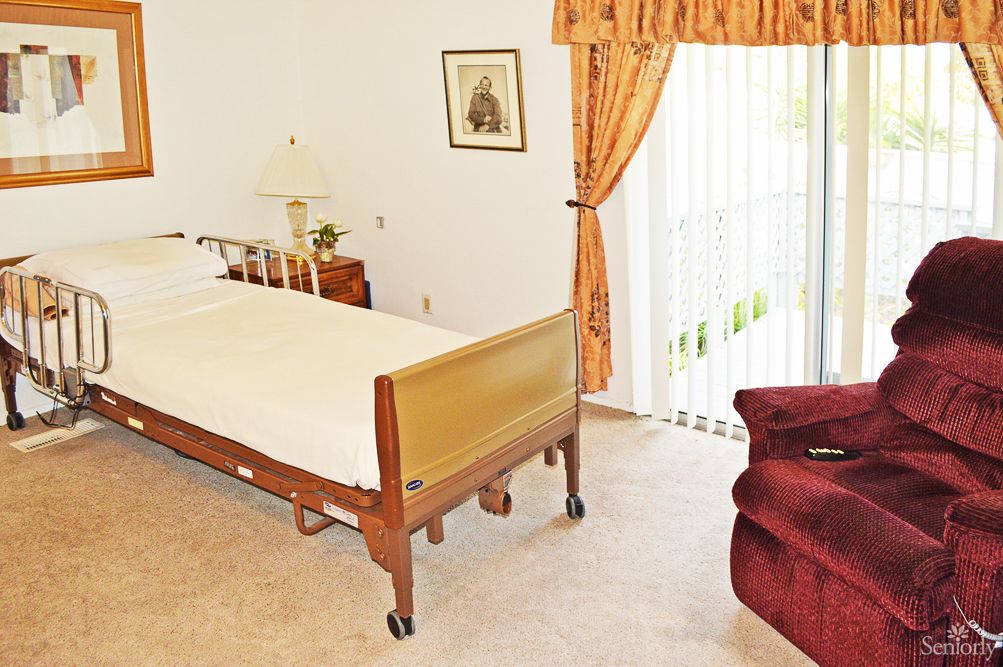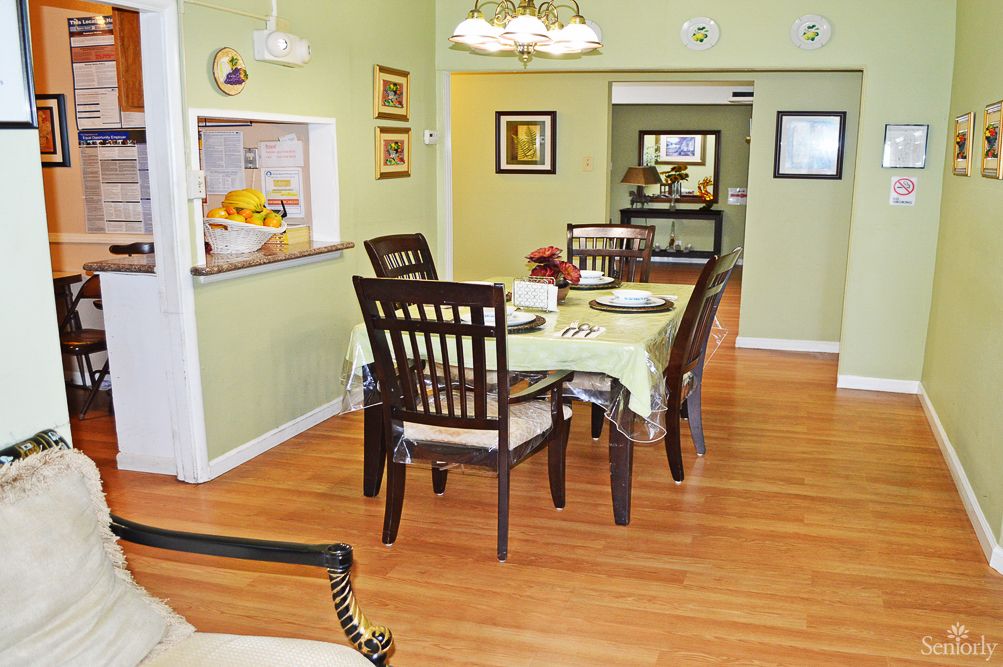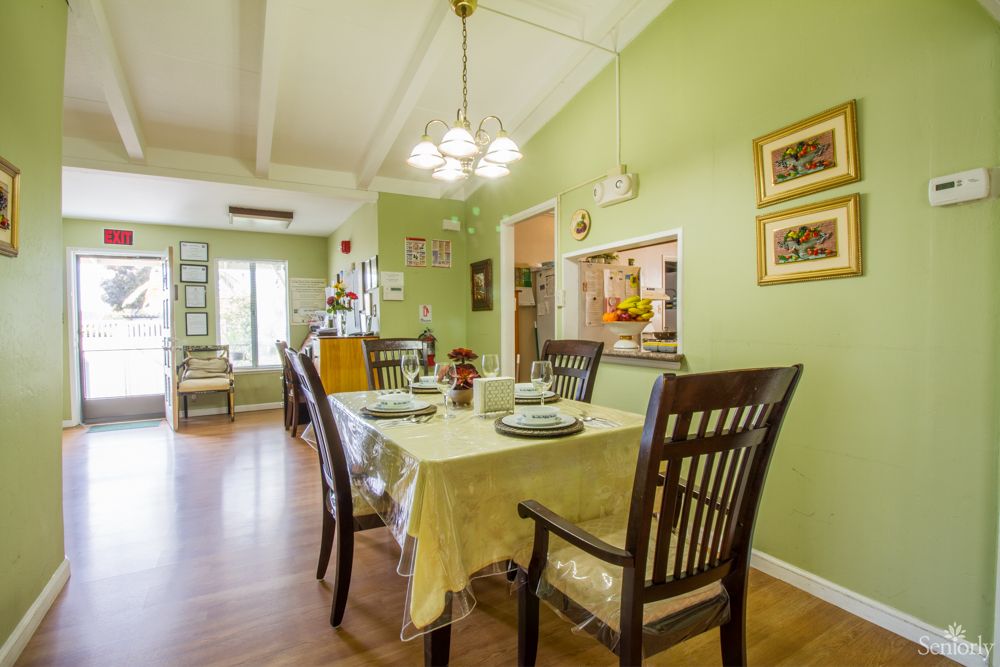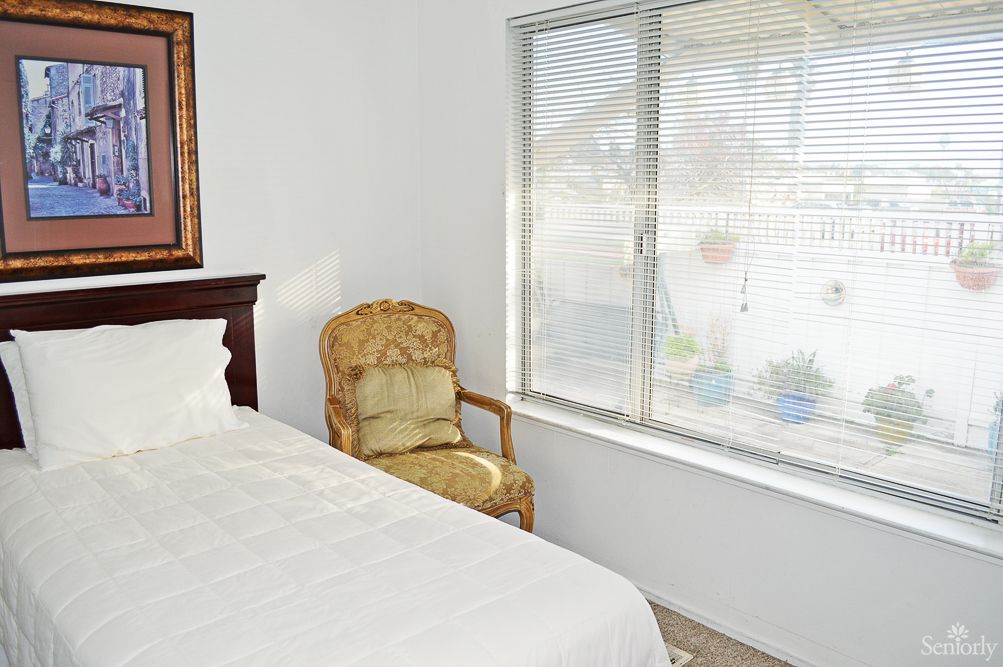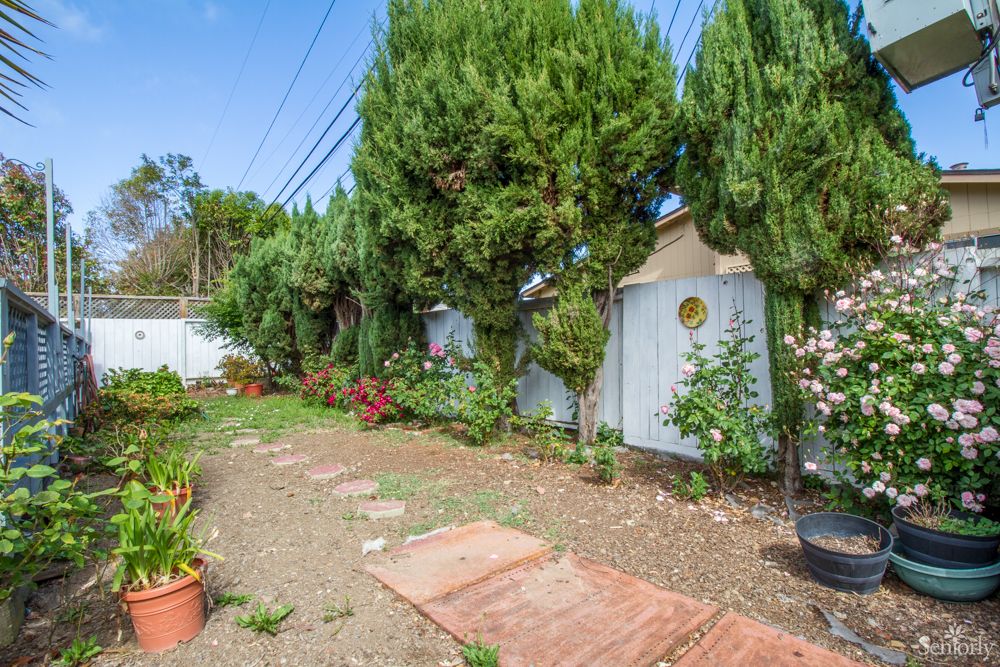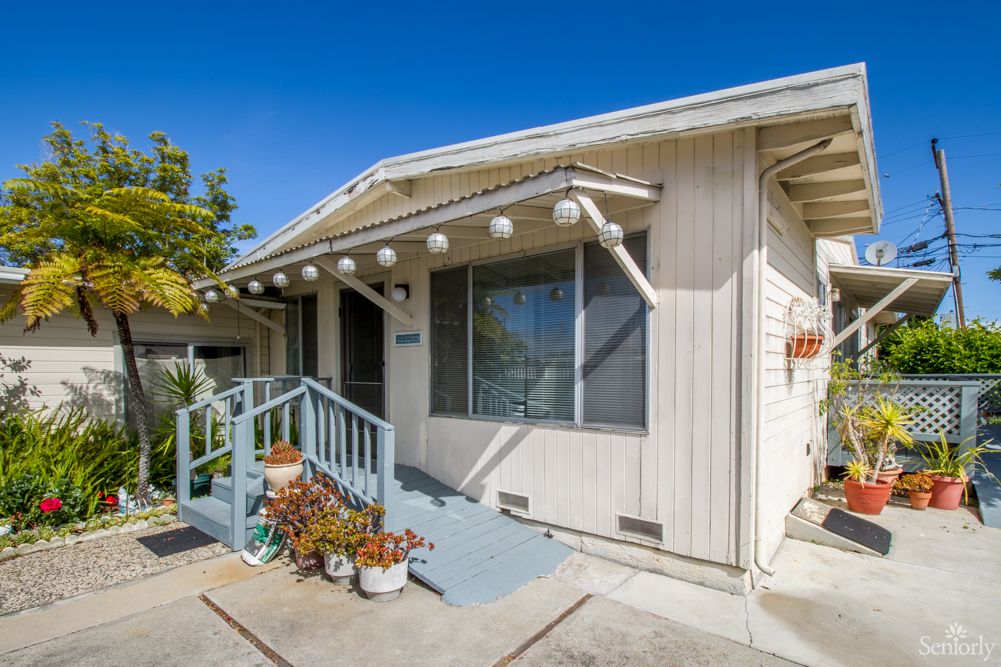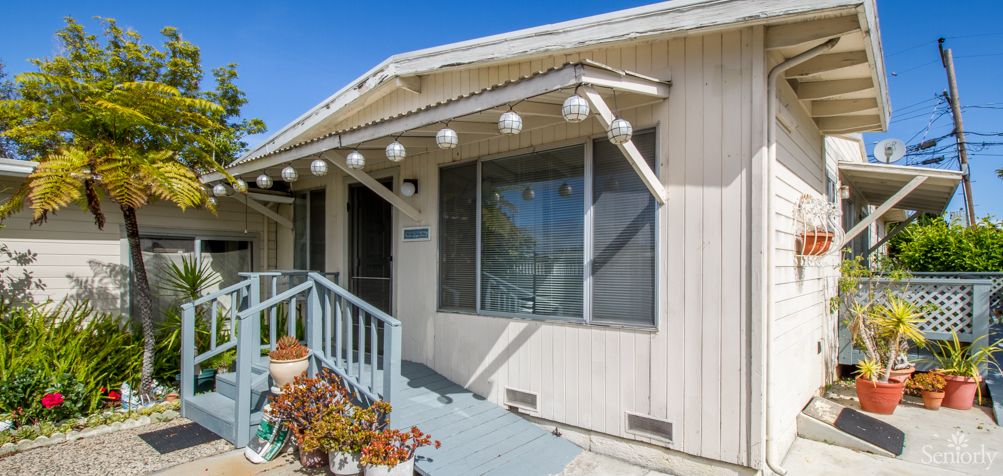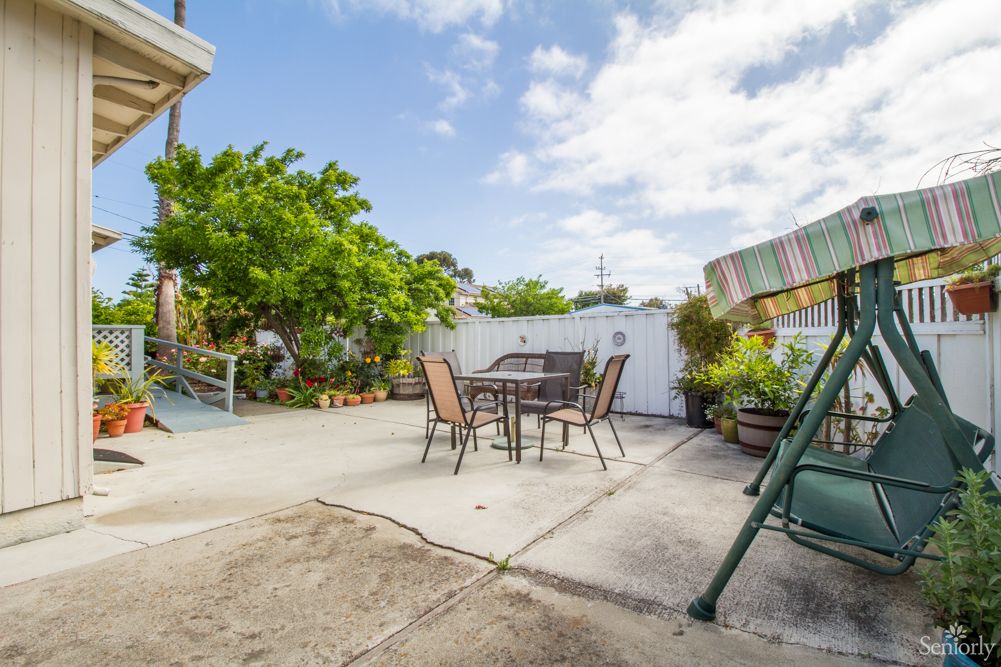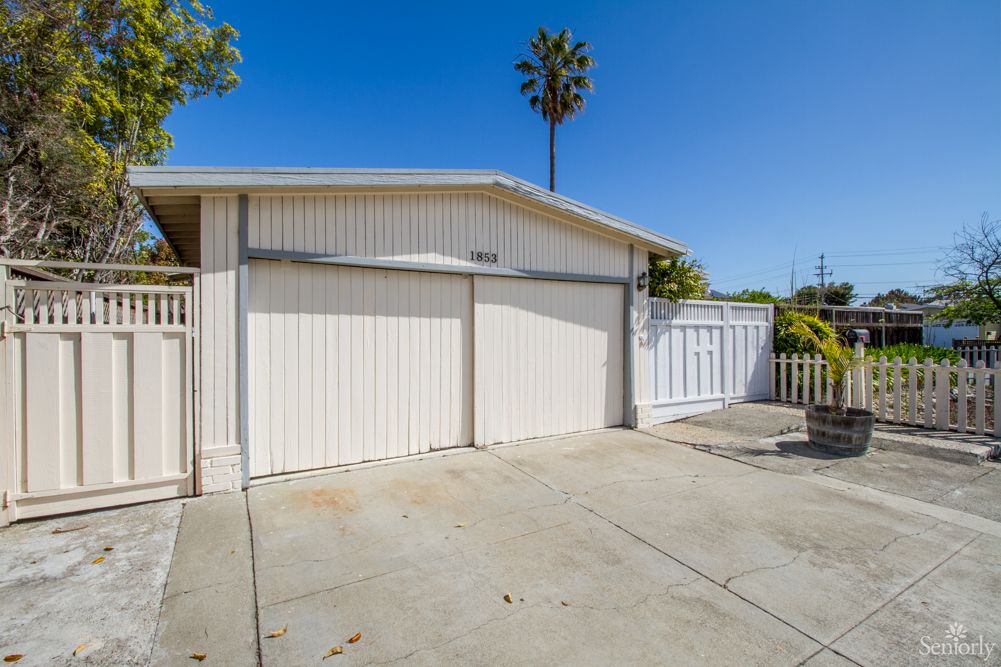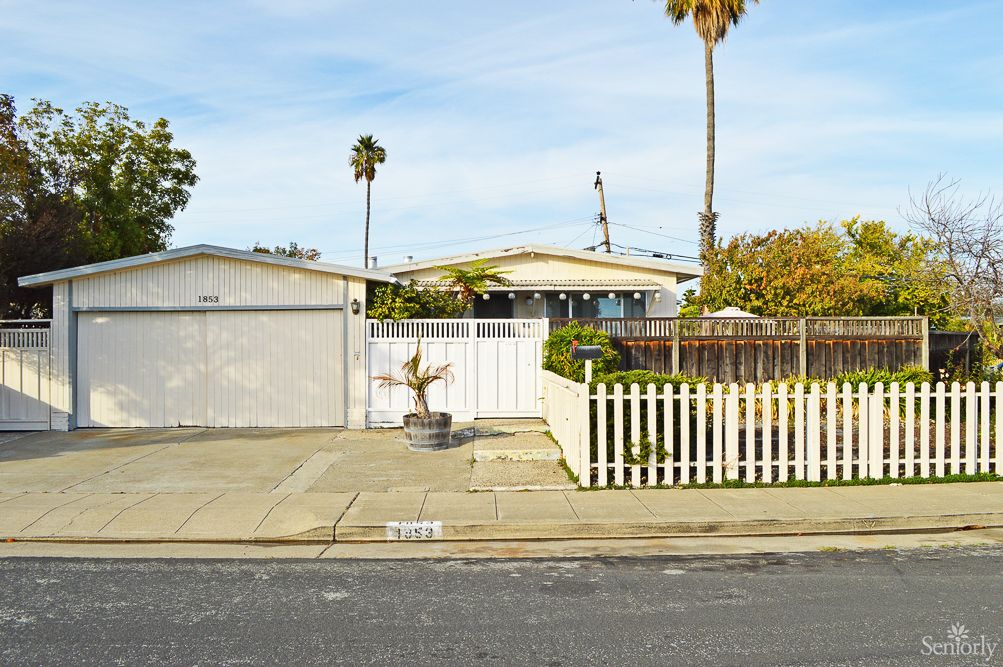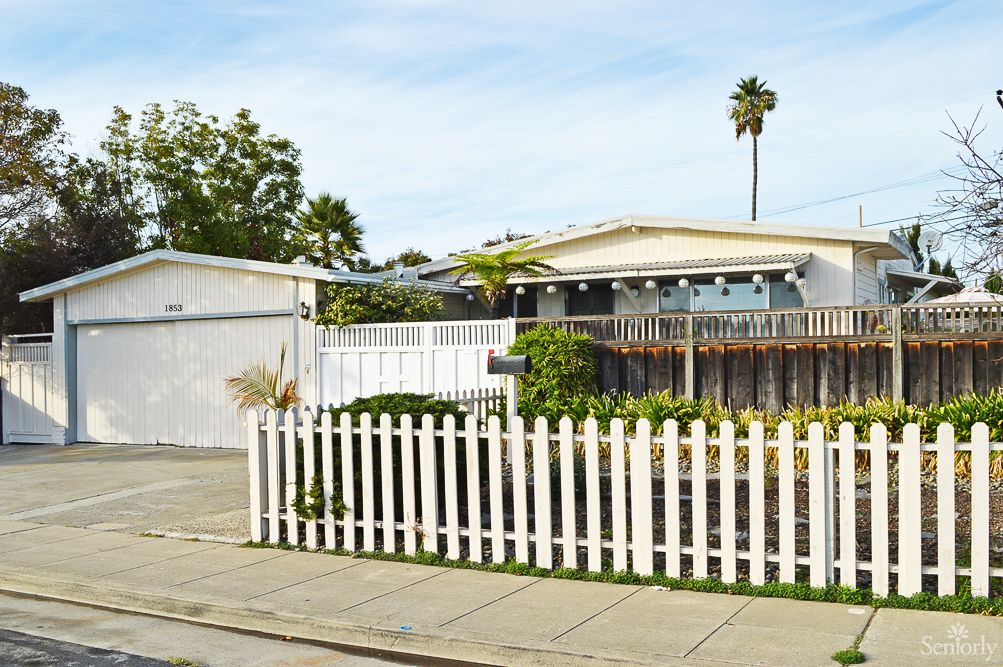
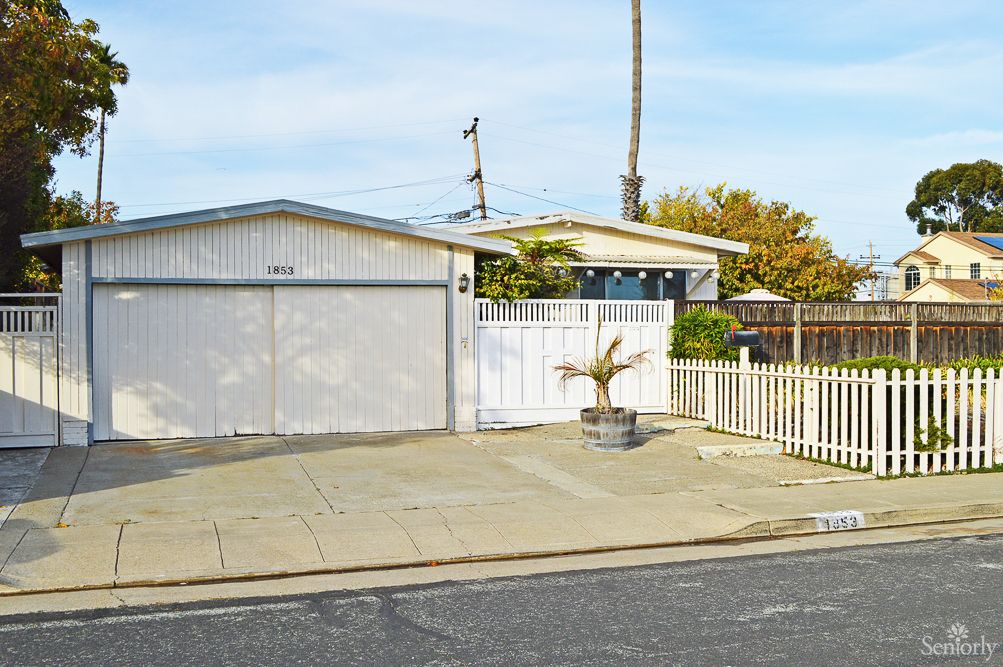
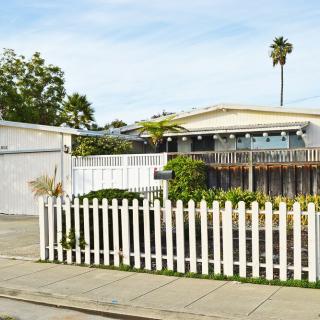
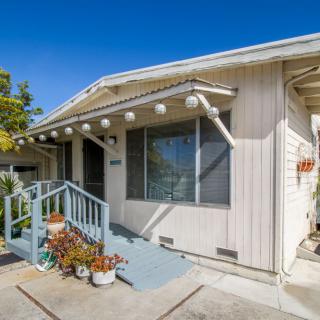
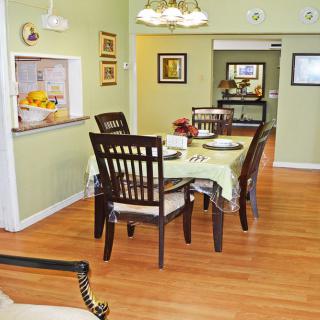
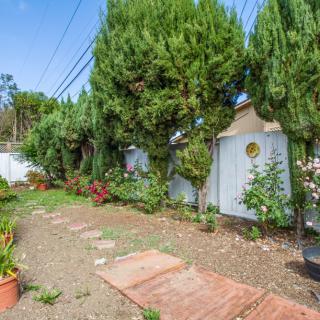
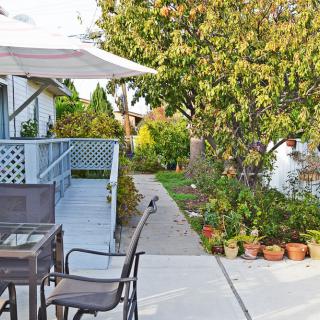
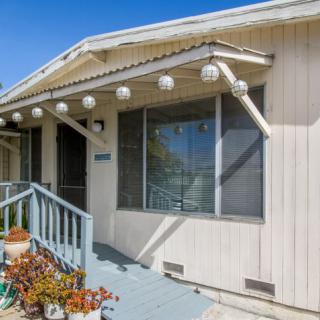
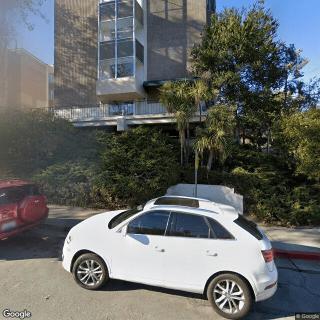
1853 Royal Avenue, San Mateo, CA 94401
For more information about senior living options: (866) 208-4318
Tlc Home Care Royal Costs & Pricing
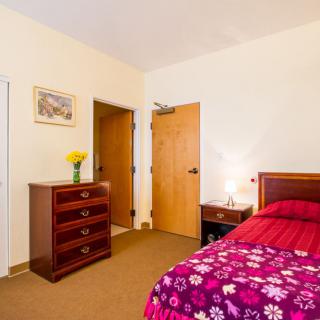
Tlc Home Care Royal offers competitive pricing for its services, with monthly costs slightly below the average rates in San Mateo County and California. For a semi-private room, residents are charged $3,000, which is notably more affordable compared to the county's average of $3,830 and the state average of $3,333. In terms of private accommodations, Tlc Home Care Royal's rate stands at $4,500. While this is higher than the San Mateo County average of $4,281 and the state's average of $3,939, it reflects the premium care and personalized attention that residents receive. Overall, Tlc Home Care Royal provides an attractive option for those seeking quality home care services within a supportive community environment.
| Floor plans | Tlc Home Care Royal | San Mateo County | California |
|---|---|---|---|
| Semi-Private | $3,000 | $3,830 | $3,333 |
| Private | $4,500 | $4,281 | $3,939 |
Memory care communities with a similar price nearby
-
from +$195 / mo
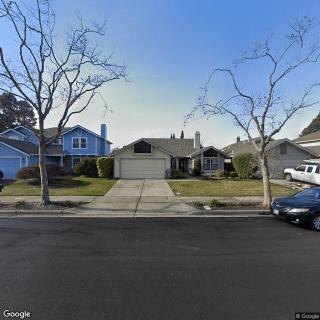
Harbor Bay Assisted Living
$3,195 to $5,000 / month12.6 miles away -
from -$500 / mo

San Carlos Elms
$2,500 to $5,880 / month4.8 miles away -
from +$500 / mo
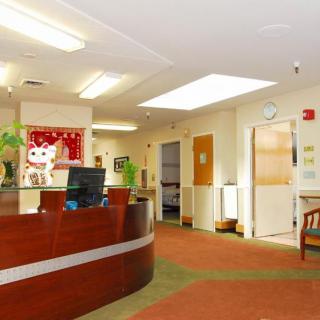
East Bay Assisted Living
$3,500 to $5,000 / month16.4 miles away -
from -$500 / mo
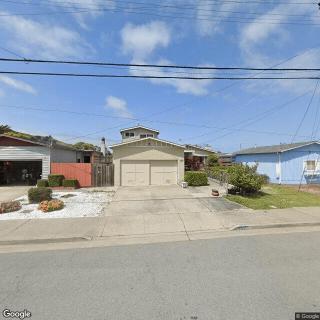
Oceanside Board and Care II
$2,500 to $3,000 / month10.8 miles away -
from +$159 / mo

Moldaw Family Residences a CCRC
$3,159 to $4,381 / month14.7 miles away
Overall Review of Tlc Home Care Royal
Pros
 The staff are friendly and very caring to the seniors that live there.
- They always have their paperwork in order, and the staff comes out to greet visitors.
- They are super nice.
Review
This community is best suited for seniors who prize a small, personable environment where staff consistently demonstrates warmth and attentiveness. TLC Home Care Royal in San Mateo appears ideal for residents who mainly need help with activities of daily living and appreciate a straightforward, well-organized operation, where intake, paperwork, and daily routines move with minimal friction. Families seeking a calm, home-like atmosphere rather than a sprawling campus with expansive programming will find reassurance in the consistent, friendly interactions that define daily life here. It’s a setting that emphasizes reliable service and a welcoming culture, which can make a meaningful difference for individuals who value personal connection over a wide range of institutional amenities.
Those weighing alternatives should consider what happens when medical oversight and specialized care become priorities. For seniors who require 24/7 skilled nursing, complex medical management, or memory care services, a larger assisted living community or dedicated memory care unit may better fit needs. Similarly, households pursuing a broad menu of social activities, physical rehabilitation on site, or extensive campus resources might find a more comprehensive options set in larger facilities. In short, this community shines as a downsized, low-friction environment, not as a substitute for advanced clinical care or highly specialized programming.
The strongest positives here are concrete and reliable. Staff friendliness and genuine caring for residents come through in every interaction, with caregivers who greet visitors and residents alike and maintain a respectful, courteous atmosphere. The efficiency of administrative processes, paperwork in order, smooth admissions, and clear communications, reduces confusion and stress for families during transitions. The logistics side, practical touches like staging freight out front and having equipment readily available on site, signals operational competence. Together, these factors create a predictable daily rhythm, which can translate into better sleep, steadier routines, and fewer day-to-day anxieties for both residents and their families.
That said, the visible strengths do not erase the reality that this setting may not meet every medical or lifestyle expectation. The absence of explicit evidence about on-site nursing coverage, 24/7 medical supervision, or highly structured therapeutic programming means prospective residents should verify whether clinical needs can be met promptly and safely. The small number of published reviews also limits confidence about long-term consistency across shifts and seasons. Families should weigh the comfort of a warm, orderly environment against the potential risk of under-coverage in medical or rehabilitative services if those needs arise.
To move decisively, prospective residents and families should arrange an in-person tour focused on care planning and daily routines. Ask to meet the caregiving team and to review sample care plans, medication management processes, and response protocols for emergencies. Request details on meal quality and flexibility, transportation arrangements for appointments, and the breadth of activities available, including any opportunities for cognitive or physical stimulation. Understand the pricing structure, what is included, and what incurs extra charges. A trial period or short-term residency can also reveal whether the pace and culture align with expectations.
In the end, TLC Home Care Royal offers a solid option for families seeking warmth, consistency, and a straightforward, smaller-scale setting in San Mateo. It operates as a community where residents are treated with courtesy, and administrative processes are reliable enough to ease the caregiving burden. However, for those whose priorities include robust on-site medical oversight, specialized memory care, or expansive activity programs, it is prudent to explore larger assisted living communities. Use the strengths as a guidepost: choose TLC when the goal is intimate, dependable daily life; pursue alternatives when medical complexity or high-level programming is non-negotiable.
 6 resident community capacity
 Assisted Living
 Board and Care Home
 Memory Care
 Respite Care
 Cable or satellite TV
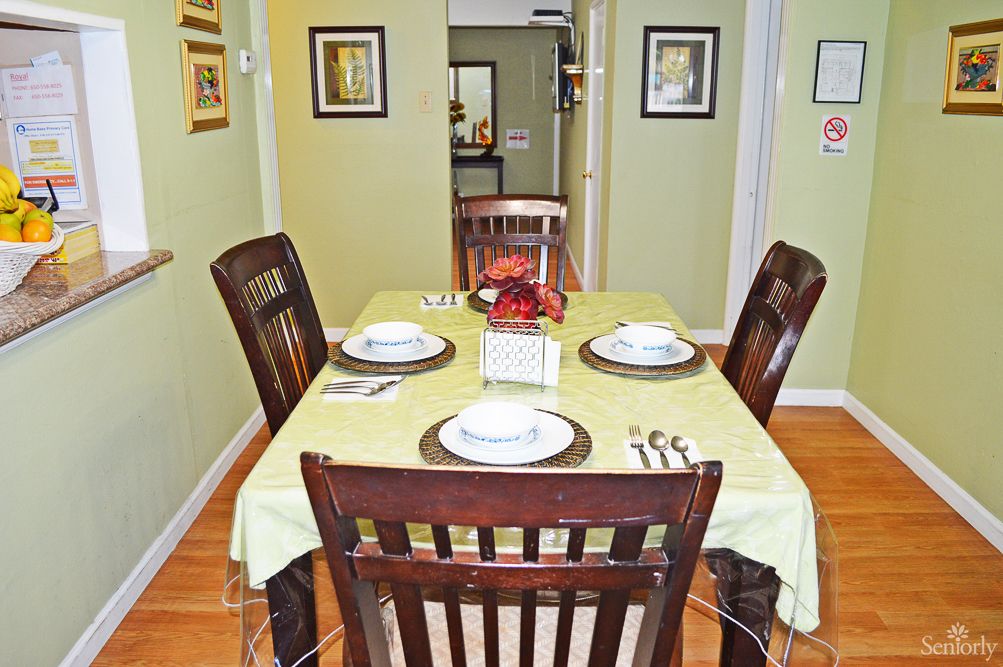
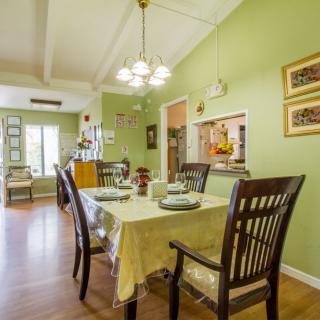
 Dining room
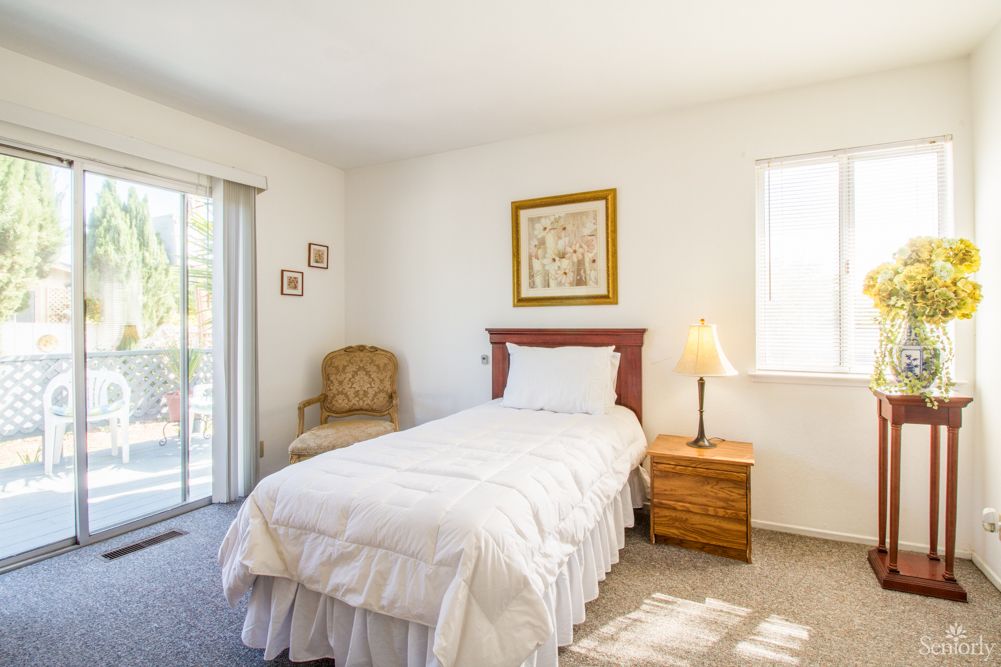
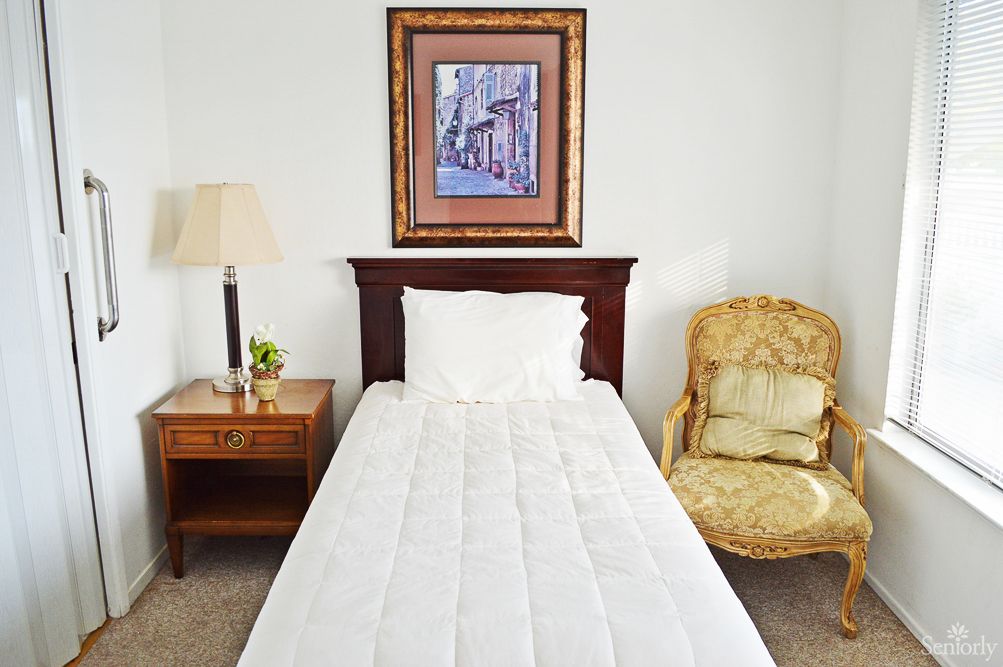
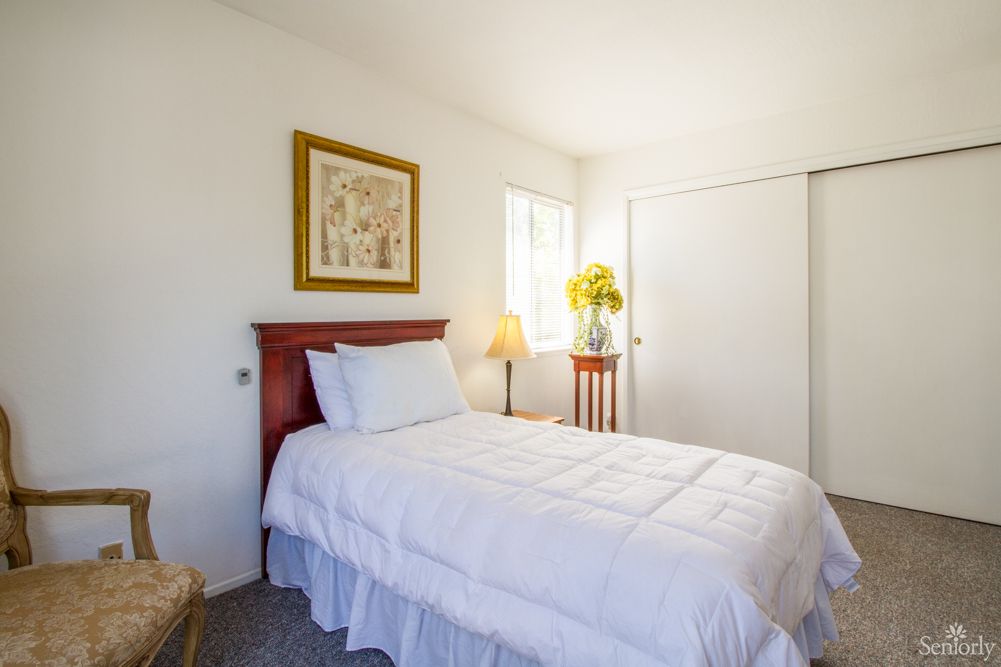
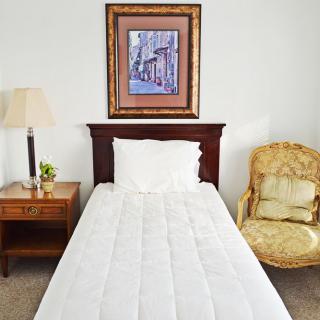
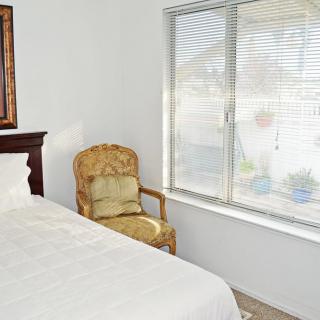
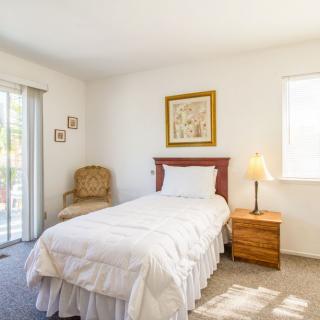
 Fully furnished
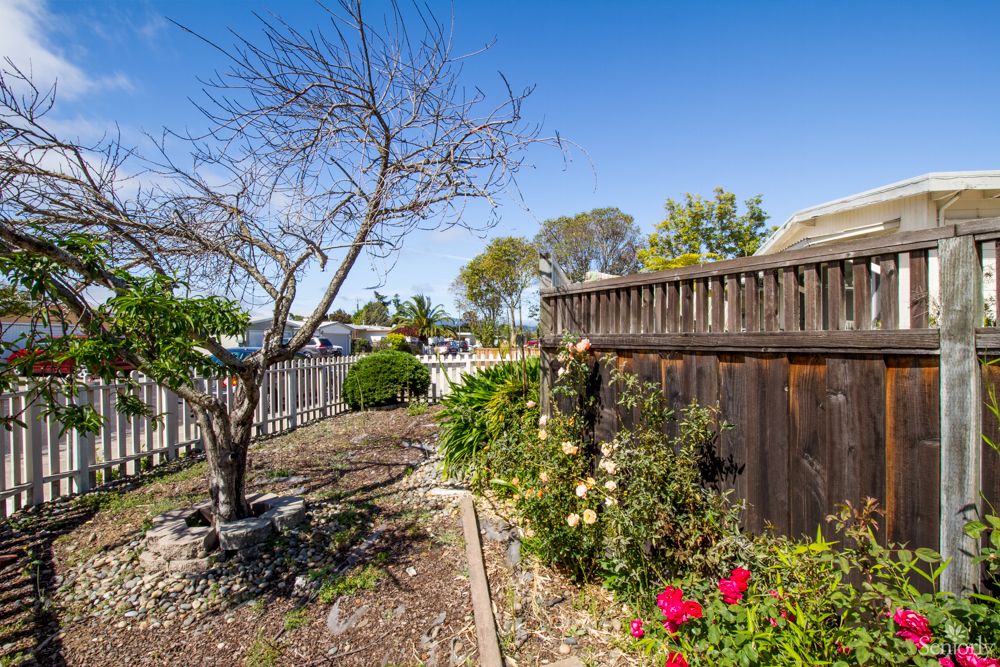
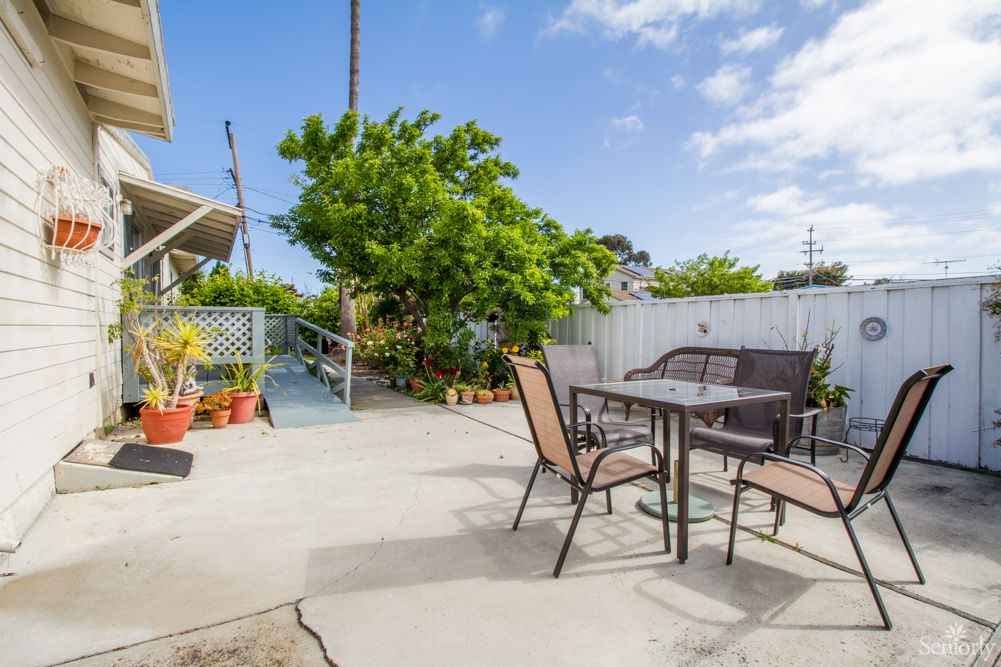
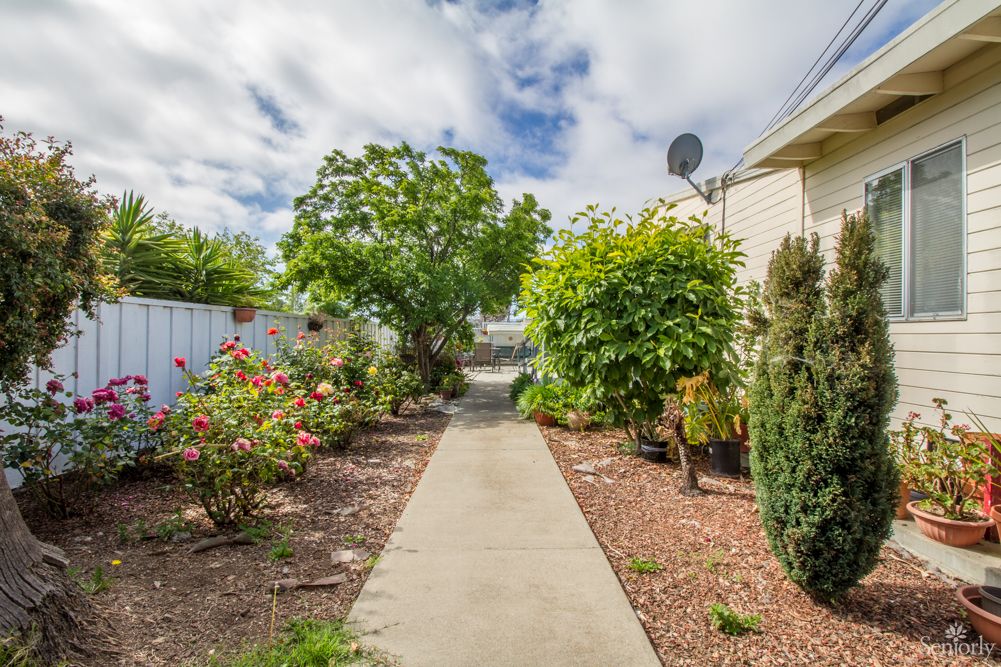
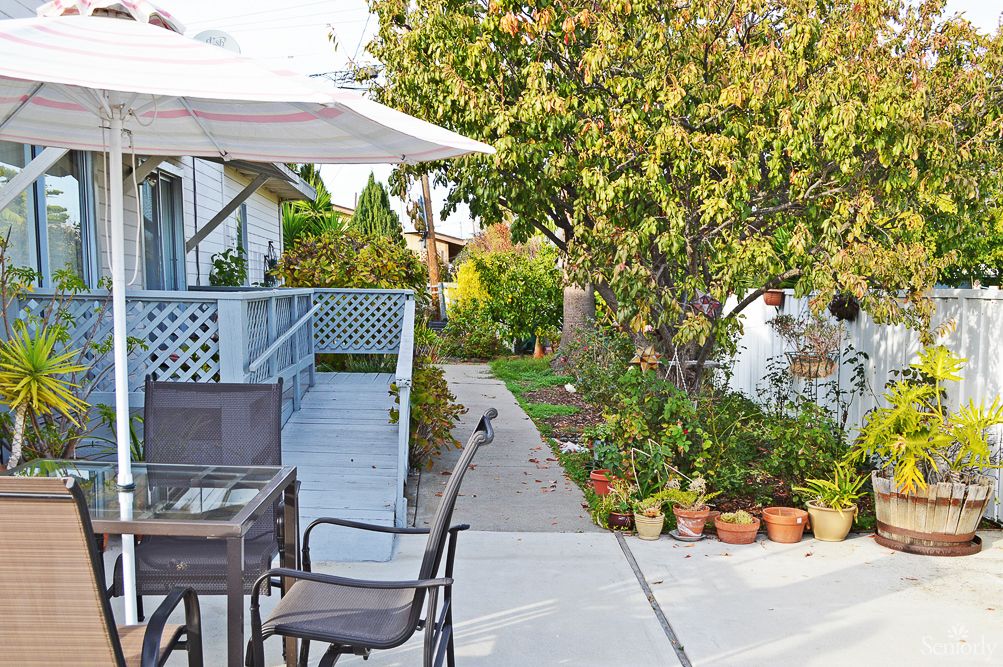
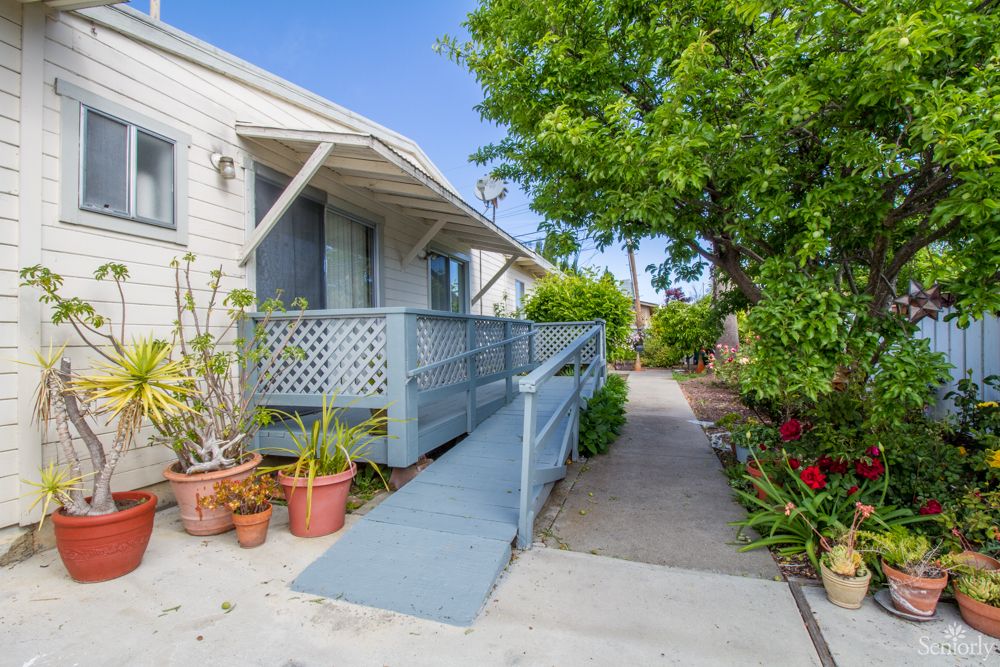
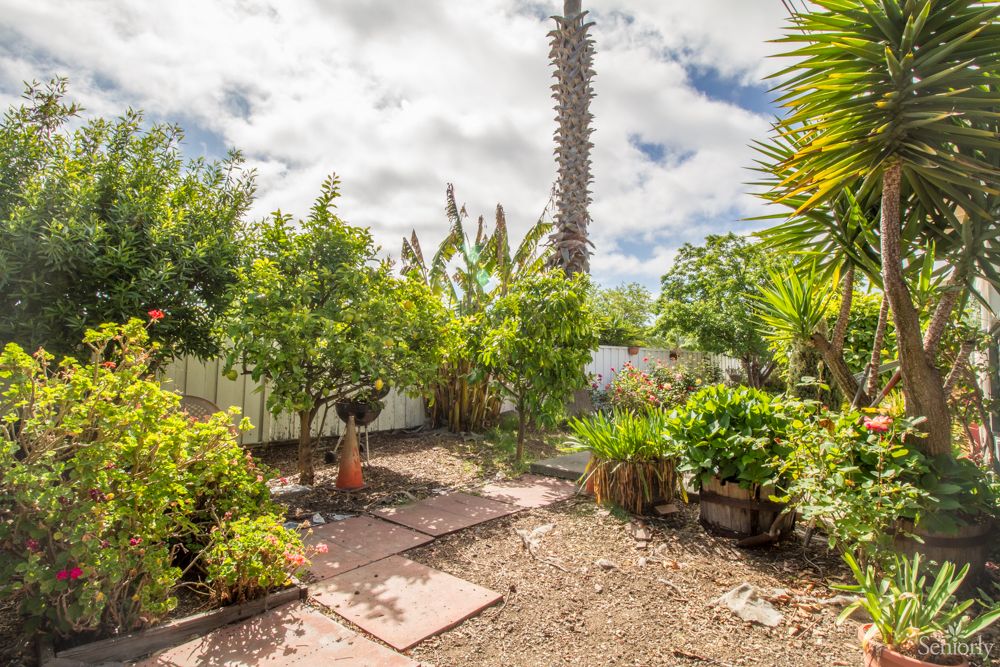
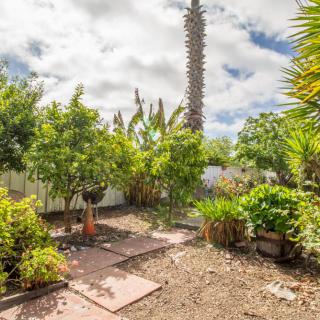
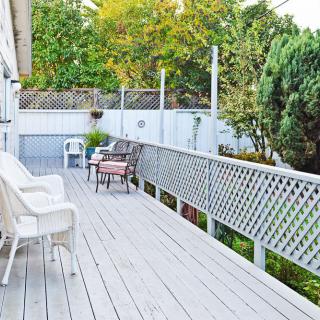
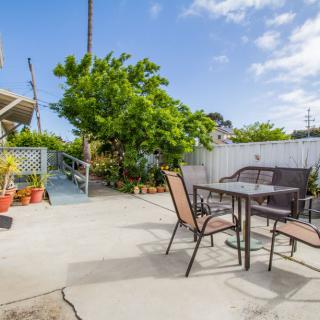
 Garden
 Housekeeping services
 Move-in coordination
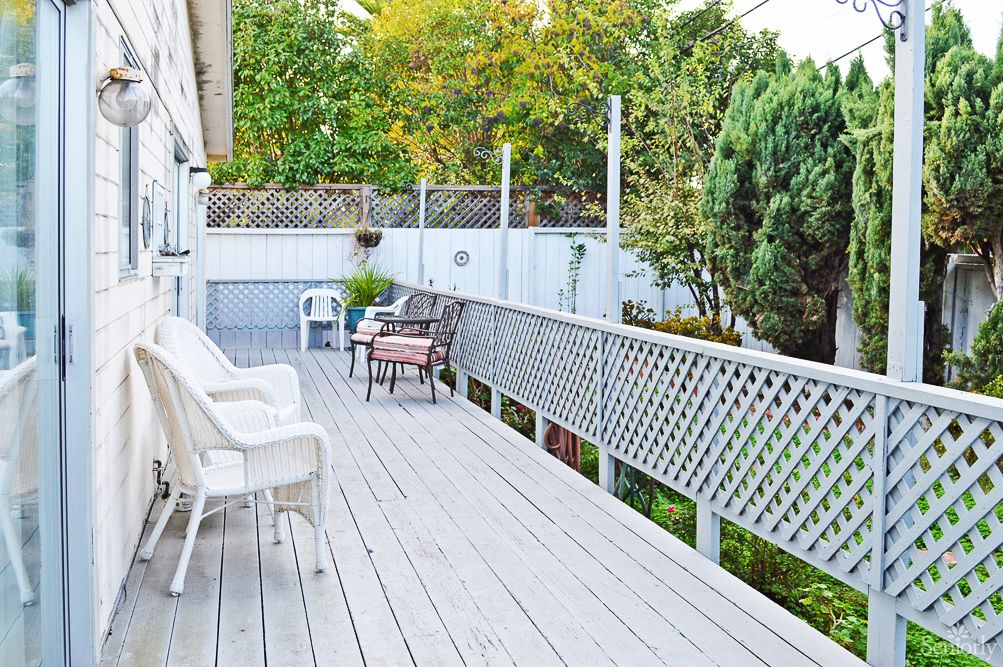
 Outdoor space
 Private
 Small library
 Telephone
 San Francisco International (6 miles away)
 24-hour supervision
 Activities of daily living assistance
 Assistance with bathing
 Assistance with dressing
 Assistance with transfers
 Diabetes diet
 Meal preparation and service
 Medication management
 Mental wellness program
 Special dietary restrictions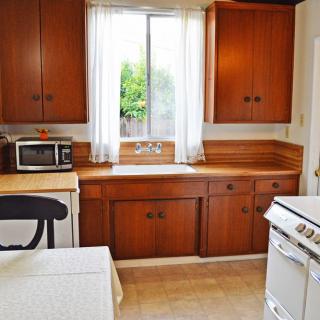


 Why Do Dementia Patients Sleep So Much? Understanding Oversleeping, Stages, and Care Approaches
 8 Key Indicators That Suggest It May Be Time to Transition from Assisted Living to Skilled Nursing Care
 Nourishing the Mind: Essential Dietary Approaches for Dementia