
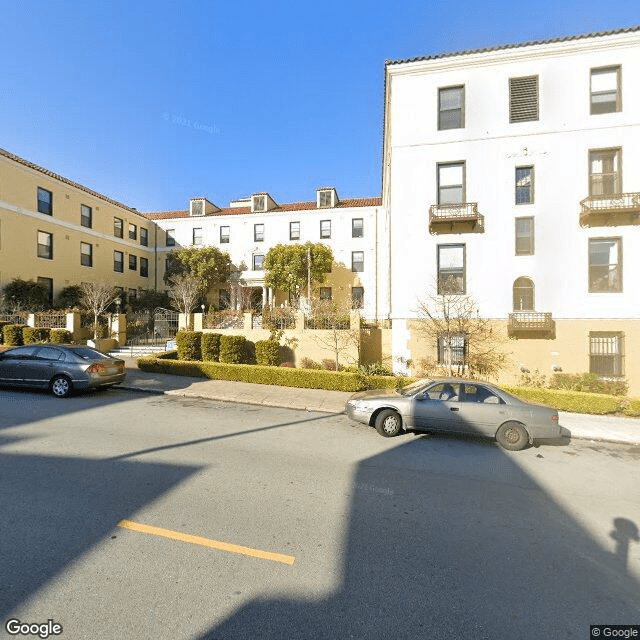
2770 Lombard St, San Francisco, CA 94123
To contact a resident: (415) 567-1050
For more information about senior living options: (866) 208-4318
Overall Review of Presidio Gate Apartments
Pros
 The first staff member who spoke to them was kind and supportive.
- She deserves five stars.
- A services coordinator has been in place for almost two years and works especially well with the Mandarin-speaking population.
- The reviewer gained valuable insight into the community.
Cons
 The administrator is ruining the building.
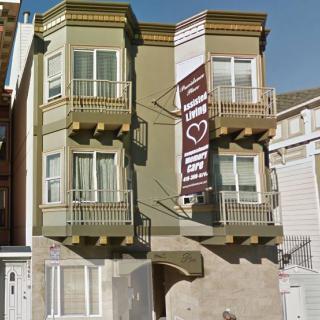
- The historic building now looks more like a penal institution than a welcoming place.
- Much of the furniture, decorations, decor, plants, outside tables with umbrellas, and the barbecue setup have been removed.
- The craft room, sun porch, designated meeting areas for residents, and exercise equipment have all been taken away.
- The Christian chapel has been repurposed as storage space rather than a space for all religious affiliations.
- Residents are told they cannot get help because this is an independent living facility.
- The administrator has expressed a wish to get rid of all plants in pots.
- There is a concern that furniture will be removed further without resident input.
- The $54,000 van mostly sits in the driveway, indicating neglect or inefficiency.
Review
Presidio Gate Apartments in San Francisco is best suited for budget-conscious seniors who want to live in a historic, walkable part of the city and prefer independent living over full-time care. The reviews point to an occupancy that leans toward low-income seniors and those seeking affordable options, with limited availability of accessible rooms for the disabled. For families evaluating this community, the core appeal rests in affordability and proximity, not in lavish amenities or on-site caregiving. Prospective residents should confirm current eligibility requirements, what units are truly available, and how accessibility needs are accommodated, since the demand-and-supply dynamic shapes daily life here.
On the flipside, the community is not a sure bet for those needing steady, proactive management or robust on-site services. The reviews reveal stark inconsistency among staff responses, one initially helpful representative, another who hung up during a follow-up call, and point to an administration that has recently altered the fabric of the building. Amenities once used by residents have disappeared, and a space such as the Christian chapel has been repurposed as storage. These choices underscore a risk: resident input appears limited, and the management style can dramatically change the living environment with little notice.
However, there are tangible positives. A services coordinator has emerged after a long gap and functions effectively with residents who speak Mandarin, which is a meaningful bridge for a portion of the population. The building's historic character remains a draw for residents who value soul of place over glossy new construction. Even with budgetary constraints, the existence of a designated coordinator and the potential for community-building in a smaller, intimate setting can offset some frustrations, particularly for individuals who are self-sufficient and price-sensitive.
That said, the main drawbacks are material and organizational. The most damaging is the administration’s apparent push to remove furnishings, plants, and designated social spaces, eroding the sense of home and safety. The practical impact, less space for crafts, meetings, or quiet time; restricted access to warmth and greenery; and a public stance that staff cannot assist in emergencies because the facility is 'independent living', can undermine daily quality of life. The idle $54,000 van is a sobering symbol of underutilized resources and misalignment between what residents value and how funds are deployed. The bottom line: management decisions carry outsized consequences in a small community.
To make a well-informed choice, inquiries should target the day-to-day realities that affect routine life. Confirm what spaces are currently open and usable, which decisions are resident-led versus administrator-driven, and how residents can participate in planning and upkeep. Demand transparent timelines for any planned changes to common spaces, and seek language support and reliable transportation options. Understand the actual level of assistance available for urgent needs or medical issues, even in an independent-living setting, and clarify how the facility handles emergencies. A tour should include a walk-through of the so-called chapel, craft room, and outdoor areas to verify their current status.
Bottom line: Presidio Gate Apartments can work for someone prioritizing affordability, independence, and a sense of neighborhood character, provided that expectations are aligned with the realities described. The strongest case is for residents who appreciate a responsive services coordinator and are comfortable managing a more hands-off approach from management. For families seeking consistent maintenance, ample communal spaces, and active resident involvement in governance, alternatives will likely deliver more predictable day-to-day life. The decision hinges on tolerance for administrative shifts and the willingness to live with spaces that may shift in use, and for a housing option that could tighten or loosen its communal fabric over time.
 Active Adult Communities (55+)
 San Francisco International (13 miles away)




 Financing Long-Term Nursing Home Care Through Social Security: A Thorough Exploration
 Essential Knowledge on Pneumonia in Older Adults
 Exploring Palliative Care in the Home: A Comprehensive Overview